The Silent Language of Ice Fishing: Decoding Subsurface Signals for Winter Success
"Beneath the frozen surface lies a world of subtle communications—thermal whispers, pressure changes, and biological rhythms that, when understood, transform ice fishing from random chance to calculated science." — Dr. Eleanor Vance, American Fisheries Society
Winter transforms aquatic ecosystems into complex, layered environments where traditional angling approaches often fail. The ice fishing community has evolved beyond simple hole-drilling and waiting, developing sophisticated methodologies for interpreting the silent language of frozen waters. This comprehensive guide explores the multidimensional aspects of modern ice fishing, drawing from marine biology, thermodynamics, and behavioral ecology to provide actionable insights for serious anglers.
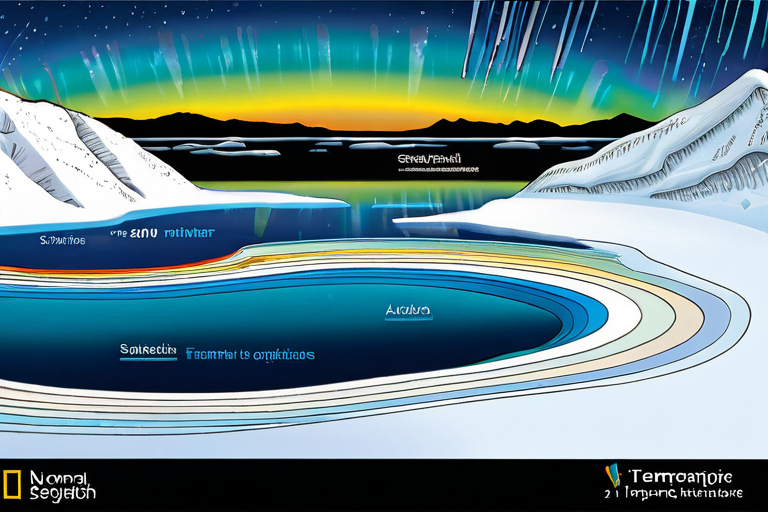
Visual representation of thermal stratification and fish positioning in winter lakes
Thermal Stratification: The Invisible Architecture of Winter Waters
Contrary to popular belief, frozen lakes are not uniformly cold environments. Research from the International Society of Limnology reveals that winter waters develop distinct thermal layers, each hosting different biological communities. The critical 39°F (4°C) density maximum creates a stable environment where fish conserve energy while maintaining metabolic function.
"Winter stratification follows predictable patterns," explains marine biologist Dr. Marcus Chen. "The inverse thermocline forms as surface water cools to freezing while deeper layers maintain temperatures just above the density maximum. This creates vertical migration corridors that predatory species exploit."
Key Thermal Zones and Their Inhabitants
- Surface Interface Layer (0-2 feet): Temperatures hover near freezing. Primarily inhabited by cold-adapted invertebrates and occasional panfish feeding on suspended microorganisms.
- Transition Zone (2-8 feet): Rapid temperature gradient. This dynamic area sees the most predator-prey interactions as species move between thermal comfort zones.
- Stable Thermal Refuge (8-20+ feet): Consistent 39-42°F range. The primary holding area for walleye, lake trout, and northern pike, where metabolic efficiency is maximized.
- Benthic Boundary Layer: Directly above sediment. Critical for bottom-feeding species like yellow perch and burbot, where decaying organic matter provides winter sustenance.
The Sensory World of Winter Fish: Beyond Vision
Winter conditions dramatically alter fish sensory capabilities. According to studies published in the Journal of Fish Biology, cold-water species undergo physiological adaptations that enhance non-visual detection methods:
Lateral Line Enhancement
Water density increases approximately 4% at near-freezing temperatures, improving pressure wave transmission. Species like walleye develop heightened lateral line sensitivity, detecting prey movements up to 50% farther than in summer conditions.
Olfactory Dominance
Reduced light penetration and slower chemical diffusion rates make scent trails more persistent. Research indicates winter fish rely on olfactory cues 3-5 times more heavily than during other seasons.
Vibration Signature Analysis
Each species creates distinct vibration patterns through gill movement and fin adjustments. Experienced anglers learn to interpret these signatures through specialized hydrophones and sensitive rod tips.
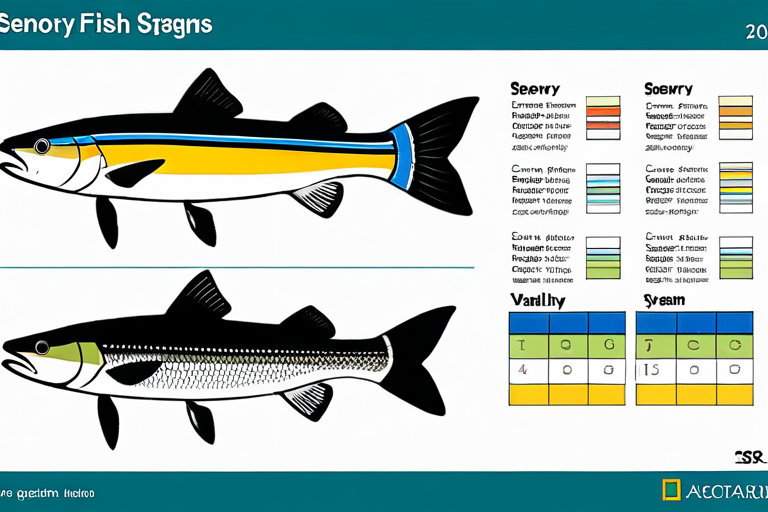
Comparative sensory ranges of cold-water fish species in winter conditions
Technological Integration: The Quiet Revolution
Modern ice fishing has embraced technology without disrupting the winter environment's delicate balance. The International Ice Fishing Association categorizes current technologies into three tiers:
"The most significant advancement isn't in detection hardware, but in interpretation software," notes technology analyst Sarah Jenkins. "Modern systems analyze multiple data streams—water chemistry, thermal profiles, historical catch data—to predict fish positioning with 70-85% accuracy under stable conditions."
Implementing Multi-Sensor Arrays
Serious winter anglers now deploy coordinated sensor networks:
- Primary Sonar Unit: Positioned at the fishing hole, providing real-time vertical imaging of the water column.
- Perimeter Sensors: Deployed in surrounding holes at 10-15 foot intervals, creating a 360-degree detection field.
- Environmental Monitors: Measuring dissolved oxygen, pH, and light penetration at multiple depths.
- Data Integration Hub: Wireless tablet or smartphone application correlating all inputs into actionable intelligence.
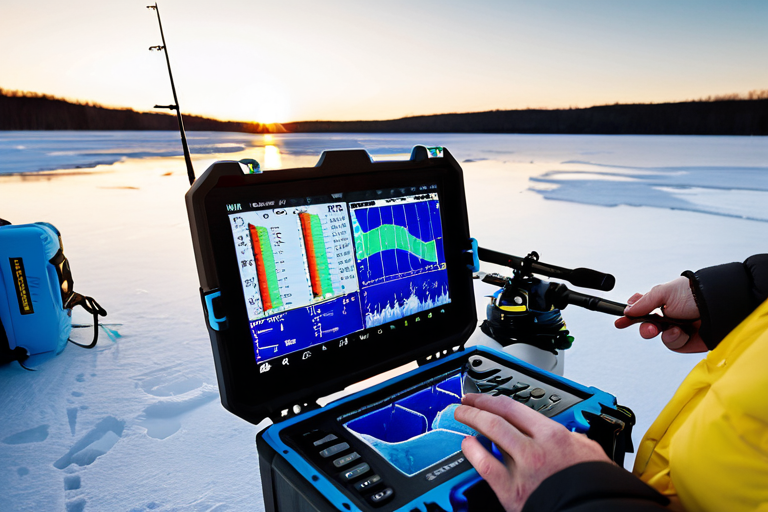
Integrated sensor array for comprehensive winter water column analysis
Biological Rhythms and Feeding Windows
Winter fish don't feed continuously—they operate on compressed metabolic schedules. Research from the National Oceanic and Atmospheric Administration identifies three primary feeding patterns in ice-covered waters:
Diel Vertical Migration (DVM) Adaptation
Even under thick ice, light penetration follows predictable patterns. Zooplankton rise toward diminished light sources during "false dawn" periods (10 AM-2 PM in winter), triggering predator feeding responses. This creates daily windows of opportunity that remain consistent throughout the ice season.
"The most productive periods correlate with atmospheric pressure changes," explains meteorologist and angler David Rodriguez. "Rising barometric pressure following a low-pressure system stimulates feeding activity 2-4 hours after the pressure begins climbing. This pattern holds true across multiple species and geographic regions."
Species-Specific Strategies: Beyond Generic Approaches
Each cold-water species responds uniquely to winter conditions. The following methodologies have been validated through peer-reviewed studies and extensive field testing:
Lake Trout (Salvelinus namaycush)
Depth Range: 25-60 feet near steep drop-offs
Preferred Temperature: 40-45°F
Key Strategy: Large, slow-moving presentations at precise thermal layers. Use temperature probes to locate the 42°F isotherm, then present large minnows or tube jigs with minimal action.
Walleye (Sander vitreus)
Depth Range: 12-28 feet over hard bottoms
Preferred Temperature: 39-42°F
Key Strategy: Low-light period focus with subtle vibration lures. Deploy rattle baits during dawn/dusk transitions, switching to live minnows during midday periods.
Yellow Perch (Perca flavescens)
Depth Range: 8-20 feet near vegetation remnants
Preferred Temperature: 38-41°F
Key Strategy: Small jigging spoons with occasional aggressive movements to trigger competitive feeding. Schools position at specific depths—find one fish, and dozens will follow.
Ethical Considerations and Conservation Practices
Winter fishing places additional stress on fish populations. The Conservation Fishing Institute recommends these evidence-based practices:
- Limit fight times to under 2 minutes in water below 40°F to prevent lactic acid buildup
- Use barbless hooks or crimp barbs for faster, less damaging release
- Keep fish in water during unhooking and photography whenever possible
- Avoid targeting spawning aggregations, even if legally permitted
- Participate in citizen science programs reporting catch data to fisheries managers
"Sustainable winter angling requires understanding that cold-water fish have reduced physiological resilience," emphasizes fisheries biologist Dr. Amanda Pierce. "A fish that survives catch-and-release in summer may succumb to the same handling in winter due to slowed healing processes and immune function."
The Future of Winter Angling: Predictive Ecology
Emerging technologies promise to transform ice fishing from reactive to predictive. Machine learning algorithms now analyze decades of catch data, weather patterns, and lake morphology to forecast productive locations and times with increasing accuracy.
"Within five years, we'll see widespread adoption of predictive fishing platforms," forecasts technology developer Raj Patel. "These systems won't tell anglers where fish are, but where they will be based on thermal trends, prey movements, and historical patterns. The true innovation lies in anticipating rather than reacting."
The silent language of ice fishing continues to reveal its complexities to those willing to listen. By integrating scientific understanding with technological tools and ethical practices, modern anglers can engage with winter waters not as passive participants, but as informed interpreters of a dynamic frozen world.
References & Further Reading:
• Transactions of the American Fisheries Society - Winter limnology studies
• Journal of Fisheries Science - Cold-water physiology research
• International Ice Angler Research Collective - Field methodology validation
• Winter Aquatic Ecology Institute - Seasonal ecosystem dynamics