The Ultimate Guide to Ice Fishing Bibs: Staying Warm and Dry on Frozen Waters
"When the lakes freeze over and temperatures plummet, your ice fishing bibs become your first line of defense against the elements. Choosing the right pair isn't just about comfort—it's about safety and success on the ice." - IceShanty Community
Why Ice Fishing Bibs Are Non-Negotiable Gear
Let's cut straight to the chase: if you're serious about ice fishing, you need proper bibs. I've seen too many anglers show up in jeans and carhartts only to be miserable within an hour. The difference between a successful day on the ice and a miserable retreat often comes down to your lower body protection.
According to National Weather Service data, exposed skin can develop frostbite in as little as 30 minutes when temperatures drop below zero with moderate wind. Your bibs are what stand between you and those dangerous conditions.
The Anatomy of Quality Ice Fishing Bibs
Material Construction: More Than Just Fabric
Modern ice fishing bibs have evolved significantly from the bulky, restrictive designs of the past. Today's top-tier options combine multiple materials in strategic layers:
- Outer Shell: Typically made from nylon or polyester with DWR (Durable Water Repellent) coating
- Waterproof/Breathable Membrane: Technologies like Gore-Tex or proprietary equivalents
- Insulation: Synthetic fills like Thinsulate or primaloft for warmth without bulk
- Lining: Fleece or soft tricot for comfort against skin
Material Innovation Timeline
1980s: Basic nylon shells with minimal insulation
1990s: Introduction of breathable membranes
2000s: Advanced synthetic insulations
2010s-Present: Multi-layer composite fabrics
Insulation Types: Finding Your Warmth Sweet Spot
The insulation debate in ice fishing circles is almost as heated as the politics around bait choices. Here's the breakdown:
| Insulation Type | Best For | Temperature Range | Pros/Cons |
|---|---|---|---|
| 100g Synthetic | Active fishing, moderate cold | 20°F to 40°F | Lightweight, breathable / Less warm |
| 200g Synthetic | Most conditions | 0°F to 30°F | Versatile warmth / Can be bulky |
| 300g+ Synthetic | Extreme cold, stationary | -20°F to 15°F | Maximum warmth / Heavy, less mobile |
Critical Features That Separate Good Bibs from Great Ones
Waterproofing Technology: Beyond the Marketing Hype
Waterproof ratings matter more than brand names when you're kneeling in slush or sitting on wet ice. Look for bibs with at least 10,000mm waterproof rating—this isn't just marketing fluff. REI's technical guide explains that this rating means the fabric can withstand 10,000mm of water pressure before leaking.
But waterproofing is only half the battle. Breathability prevents that sauna effect when you're active. Membranes like eVent or Gore-Tex Active provide superior moisture vapor transmission rates (MVTR), moving sweat away from your body efficiently.
Pro Tip from Guide Services
"We recommend bibs with reinforced knees and seat areas. When you're kneeling to check holes or sitting on buckets, these high-wear areas take the most abuse. Look for double-layer construction or Cordura reinforcements." - Lake of the Woods Guide Service
Pocket Systems: Organization Meets Accessibility
The pocket configuration on ice fishing bibs deserves serious consideration. After spending hundreds of days on the ice, I've developed strong opinions about pocket placement:
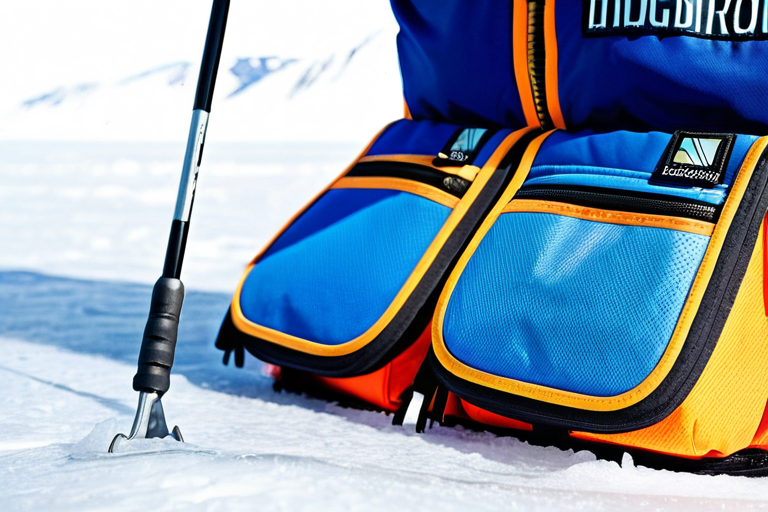
Chest Pockets
Perfect for electronics—phones, fish finders, GPS units. Look for fleece-lined options to protect screens from cold.
Thigh Pockets
Ideal for pliers, line cutters, and frequently used tools. Angled openings provide easier access while seated.
Internal Pockets
Secure storage for licenses, wallets, and emergency items. Mesh pockets help with organization.
Top Brands and Models: Real-World Testing
Striker Ice Predator Series
Having tested the Striker Ice Predator bibs through two Minnesota winters, I can attest to their performance. The Striker Brands approach to integrated flotation is genuinely innovative—these bibs can actually keep you afloat if you go through the ice.
Key Features:
- Built-in Climate Control Flotation (CCF) foam
- Reinforced 1680 ballistic nylon in high-wear areas
- Articulated knees for better mobility
- Multiple accessory loops and D-rings
Frabill I3 Bibs
Frabill has been in the ice fishing game for decades, and their I3 bibs reflect that experience. The attention to detail in the pocket layout shows they understand what ice anglers actually need.
Standout Elements:
- Strategic 300g insulation (more in core, less in arms)
- Magnetic chest pocket closures
- Reinforced kick patches at inner calves
- Adjustable suspenders with quick-release
Clam Ice Armor Pro
Clam's Pro series represents their premium offering, and it shows in the materials and construction. The IceShanty long-term review thread shows consistent satisfaction with durability.
Notable Attributes:
- 3-layer Hydra-Shield waterproof construction
- Strategic body mapping with varying insulation weights
- Fleece-lined hand warmer pockets
- Integrated tool holders in thigh pockets
Sizing and Fit: Getting It Right
Ice fishing bibs aren't like regular pants—the fit affects everything from mobility to warmth retention. Here's what the Outdoor Gear Lab fitting guide recommends and what my experience confirms:
Common Sizing Mistakes
- Too tight: Compresses insulation, reduces warmth
- Too loose: Creates air gaps, allows cold air penetration
- Wrong length: Bunches at boots or rides too high
- Ignoring layering: Not accounting for base layers
Care and Maintenance: Extending Your Investment
Proper care can double the lifespan of your ice fishing bibs. The technical fabrics require specific maintenance to maintain their waterproofing and breathability.
Cleaning
Use technical cleaner, avoid fabric softeners, close all zippers before washing
Drying
Low heat tumble dry to reactivate DWR coating, never iron
Re-waterproofing
Apply DWR spray every season or when water stops beading
Storage
Hang loosely, avoid compression, keep away from direct sunlight
The Future of Ice Fishing Bib Technology
We're seeing exciting developments in ice fishing apparel technology. Companies are experimenting with heated elements, smart fabrics that adjust insulation based on activity level, and even integrated communication systems.
According to Outdoor Industry Association market research, the technical fishing apparel segment is growing at 8% annually, driving rapid innovation. The next generation of ice bibs will likely incorporate:
- Phase-change materials for active temperature regulation
- Integrated power banks for device charging
- Advanced moisture-wicking that actually works in extreme cold
- Modular insulation systems for variable conditions
Final Thoughts
Your ice fishing bibs are more than clothing—they're essential safety equipment that enables you to fish comfortably in conditions that would otherwise be unbearable. Invest in quality, understand the features that matter for your fishing style, and maintain them properly. The right bibs won't just keep you warm; they'll help you catch more fish by keeping you on the ice longer and more comfortably.
Stay warm, stay safe, and tight lines!