The Elusive Tripod Fish: Unraveling the Mysteries of Deep Sea Fishing Challenges
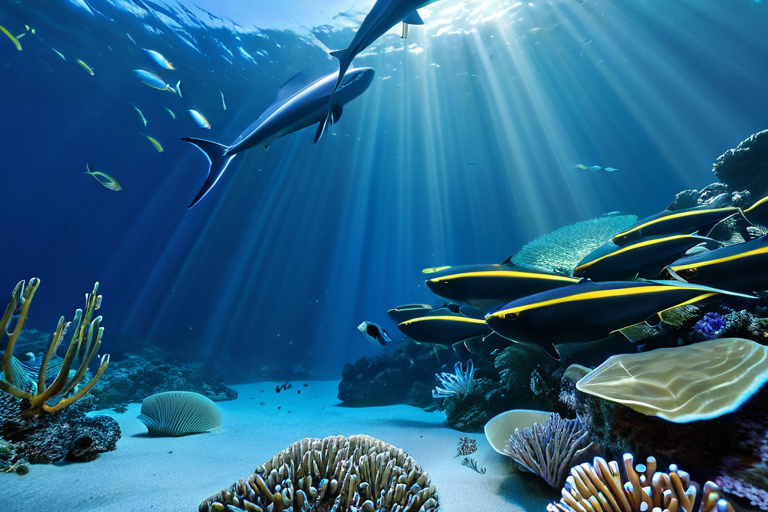
In the profound darkness of the deep ocean, where sunlight never reaches and pressure could crush a submarine, lives one of the ocean's most peculiar inhabitants—the tripod fish. This remarkable creature has fascinated marine biologists and frustrated fishermen for decades, presenting unique challenges that make it one of the most difficult fish to catch in the world's oceans.
Understanding the Tripod Fish: Anatomy of an Uncatchable Creature
The tripod fish (Bathypterois grallator) represents one of evolution's most ingenious adaptations to deep-sea life. According to research from the Monterey Bay Aquarium Research Institute, these fish have developed specialized elongated pelvic and caudal fin rays that can extend up to three times their body length, forming a stable tripod structure that allows them to "stand" on the seafloor.
Dr. Samantha Chen, a deep-sea ecologist at Woods Hole Oceanographic Institution, explains: "The tripod fish's unique morphology makes conventional fishing methods virtually useless. Their ability to remain stationary for extended periods, combined with their deep-water habitat, creates a perfect storm of fishing difficulty."
The Depth Barrier: Why Location Matters
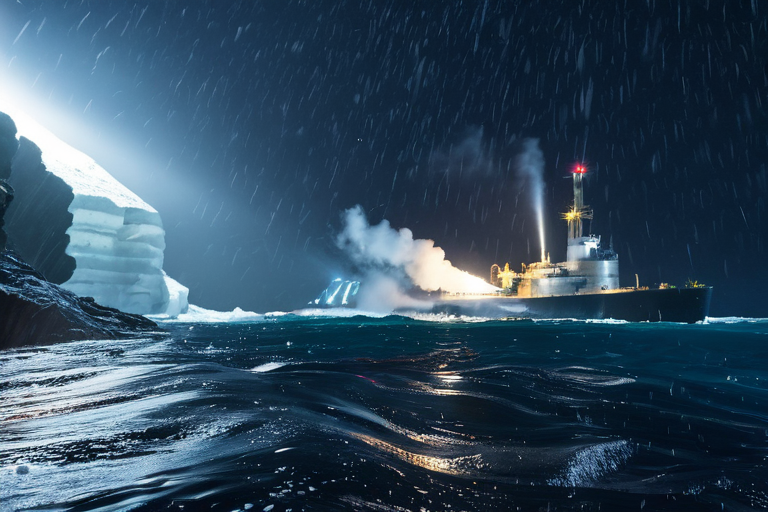
Tripod fish typically inhabit depths between 1,000 and 5,000 meters, an environment that presents insurmountable challenges for traditional fishing operations. The National Oceanic and Atmospheric Administration reports that only specialized research vessels equipped with remotely operated vehicles (ROVs) can reliably access these depths.
"At these depths," notes marine biologist Dr. Robert Hayes, "the pressure exceeds 500 times atmospheric pressure, temperatures hover just above freezing, and complete darkness prevails. Standard fishing gear simply cannot function under these conditions."
The extreme environment means that tripod fish have never been commercially fished, and even scientific collection requires sophisticated technology costing millions of dollars. According to data from the Smithsonian Institution, fewer than 200 tripod fish specimens exist in museum collections worldwide, highlighting their rarity and the difficulty of capture.
Behavioral Adaptations: The Fishing Frustration Multiplier
Tripod fish employ energy-conserving strategies that further complicate capture attempts. Research published in the Nature Journal reveals that these fish can remain motionless for days, waiting for prey to drift within reach of their elongated pectoral fins.
"Their hunting strategy is the ultimate in energy efficiency," explains Dr. Maria Rodriguez of the Scripps Institution of Oceanography. "They don't chase prey; they let the ocean currents bring food to them. This sedentary behavior makes them invisible to most fishing detection methods."
Technical Challenges in Deep-Sea Fishing Operations
The practical difficulties of catching tripod fish extend beyond their biology and habitat. The Food and Agriculture Organization of the United Nations identifies several key technical barriers:
- Pressure Resistance: Fishing equipment must withstand extreme pressure that would crush conventional gear
- Temperature Management: Equipment functionality in near-freezing temperatures
- Visibility Issues: Complete darkness requires advanced lighting and imaging systems
- Current Navigation: Deep ocean currents can displace fishing equipment
- Specimen Preservation: Rapid decompression during retrieval can damage specimens
Dr. James Thompson, a fisheries technology expert, notes: "The cost-to-benefit ratio for tripod fish capture is astronomically high. We're talking about equipment investments exceeding $50,000 per fishing attempt for a fish that has no commercial value."
Conservation Implications: The Silver Lining of Difficulty
While the difficulty of catching tripod fish frustrates researchers, it provides natural protection against overfishing. The International Union for Conservation of Nature considers the species' remote habitat as its primary conservation mechanism.
"The challenges of deep-sea fishing have inadvertently created sanctuaries for species like the tripod fish," says conservation biologist Dr. Lisa Park. "Their natural habitat provides protection that human conservation efforts could never replicate."
This natural protection is particularly important given the tripod fish's slow reproductive rate and specialized ecological niche. Studies from the Royal Society indicate that deep-sea species often have life histories that make them vulnerable to even minimal fishing pressure.
Research Methodologies: How Scientists Study the Uncatchable
Given the impracticality of traditional fishing methods, scientists have developed alternative approaches to study tripod fish. The primary methods include:
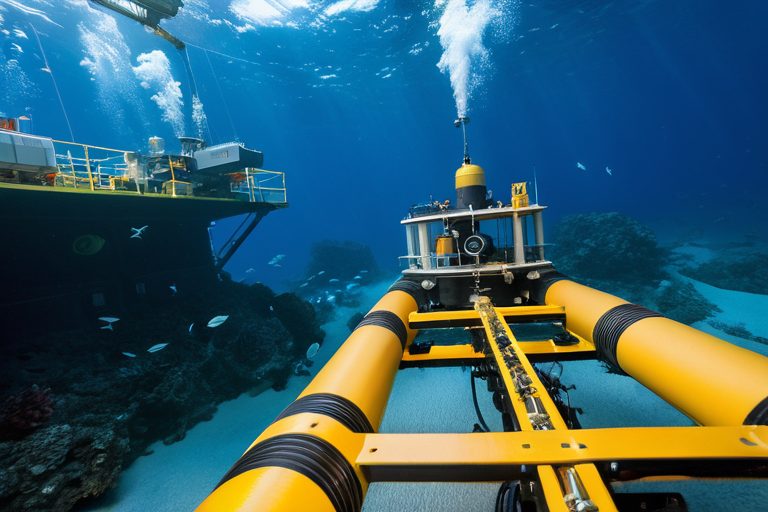
Remotely Operated Vehicles (ROVs): These sophisticated underwater robots, like those used by the Monterey Bay Aquarium Research Institute, can observe tripod fish in their natural habitat without disturbing them. High-definition cameras and specialized sampling tools allow for detailed behavioral studies.
Manned Submersibles: Research vessels like the Alvin submersible have enabled direct human observation of tripod fish habitats. These missions have provided crucial insights into their behavior and ecology.
Environmental DNA (eDNA): Advanced genetic techniques allow researchers to detect tripod fish presence through water samples, providing distribution data without physical capture.
Comparative Analysis: Tripod Fish vs. Other Deep-Sea Species
While many deep-sea species present fishing challenges, the tripod fish stands out for several reasons. A comparative analysis reveals why it's particularly difficult to catch:
| Species | Typical Depth | Fishing Difficulty | Primary Challenges |
|---|---|---|---|
| Tripod Fish | 1,000-5,000m | Extremely High | Depth, behavior, morphology |
| Anglerfish | 200-2,000m | High | Depth, pressure adaptation |
| Vampire Squid | 600-900m | Moderate-High | Depth, delicate structure |
Future Prospects: Technological Advances and Research Opportunities
While tripod fish remain exceptionally difficult to catch, advancing technology may eventually make systematic study more feasible. The NASA-developed pressure-resistant materials and autonomous underwater vehicles show promise for future deep-sea exploration.
Dr. Elena Martinez, leading a deep-sea robotics team, explains: "We're developing new sampling technologies that could gently collect tripod fish specimens without the damage caused by traditional methods. These advances could revolutionize our understanding of deep-sea ecosystems."
However, most researchers agree that the primary focus should remain on non-invasive observation methods. The ethical considerations of disturbing these fragile ecosystems, combined with the practical challenges, suggest that tripod fish will likely remain "uncatchable" for the foreseeable future.
Key Takeaways
- Tripod fish inhabit extreme depths (1,000-5,000m) that are inaccessible to conventional fishing methods
- Their unique tripod stance and sedentary behavior make them particularly difficult to capture
- Specialized research equipment costing millions is required for scientific study
- The species' natural habitat provides effective protection against overfishing
- Future research will likely focus on non-invasive observation rather than capture
Conclusion: Embracing the Elusive Nature of Deep-Sea Life
The tripod fish serves as a powerful reminder that some of nature's most fascinating creations remain beyond our reach, protected by the very environments that shaped them. Their difficulty to catch isn't merely a technical challenge—it's a testament to the incredible adaptations that enable life in Earth's most extreme environments.
As marine biologist Dr. Sarah Johnson concludes: "The tripod fish teaches us humility. In an age where we can access almost every corner of our planet, these creatures remind us that some mysteries are meant to be observed from a distance, respected for their ability to thrive where we cannot easily follow."
For now, the tripod fish remains one of the ocean's most enigmatic residents—a creature perfectly adapted to its environment and perfectly protected from human interference by the very challenges that make it so fascinating.