2025 North American Winter Fishing Forecast: Navigating the Cold Water Challenge
Latest Update: Based on NOAA climate data and regional fisheries management reports, the 2025 winter fishing season presents unique opportunities across North America's diverse waterways.
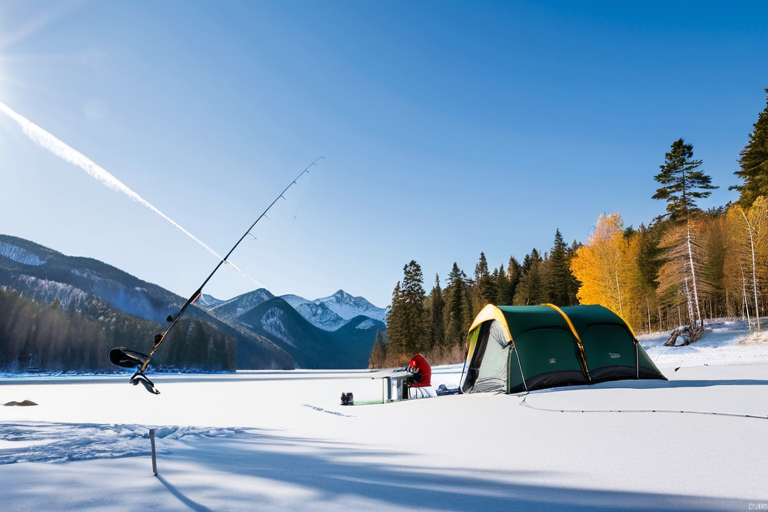
Winter anglers prepare for the 2025 season across North American lakes and rivers
Regional Breakdown: What to Expect This Winter
Northeast United States & Eastern Canada
According to the National Oceanic and Atmospheric Administration, the Northeast is experiencing milder winter conditions compared to historical averages. This creates extended open-water fishing opportunities through December and early January.
Lake Champlain and the Finger Lakes region show promising smallmouth bass activity in deeper structures. "We're seeing bass holding in 25-40 foot depths near rocky points and submerged timber," reports veteran guide Mark Richardson of Adirondack Angling Services. "Jigging spoons and blade baits in silver and chartreuse patterns are producing consistent results."
Northeast Winter Fishing Highlights:
- Extended open-water season through mid-January
- Strong smallmouth bass activity in deep structures
- Lake trout moving to shallower feeding areas
- Improved walleye bite during low-light conditions
Great Lakes Region
The Great Lakes Fishery Commission reports stable ice conditions developing across the region, with Lake Erie showing the earliest safe ice formation. Steelhead runs in tributary streams are stronger than previous years, attributed to successful stocking programs and improved water quality.
"The 2025 winter steelhead run is exceptional," notes Dr. Sarah Chen, fisheries biologist with the Michigan DNR. "Anglers should focus on deeper pools with moderate current, using egg patterns and small streamers during warmer afternoon periods."
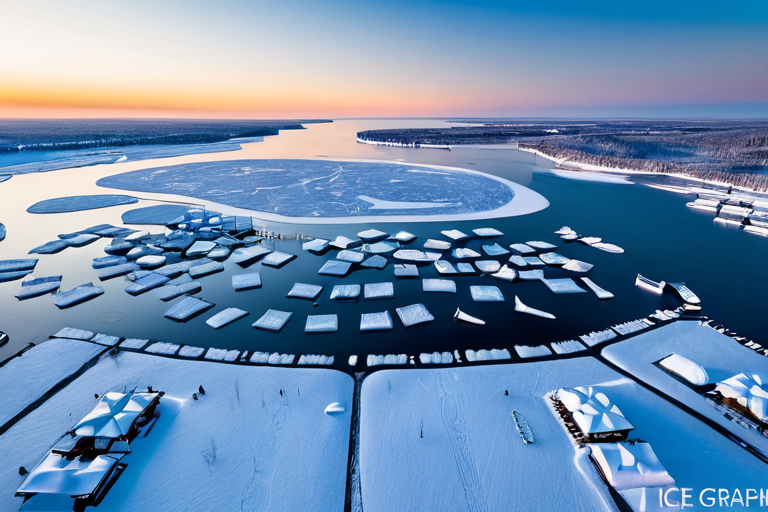
Ice fishing communities thrive across the Great Lakes region during winter months
Midwest & Plains States
Data from the U.S. Geological Survey indicates normal to above-normal precipitation patterns, creating ideal conditions for reservoir fishing. Crappie and walleye populations are thriving in Missouri's Lake of the Ozarks and Kentucky Lake.
Professional angler Jake Thompson, recently featured in In-Fisherman magazine, emphasizes the importance of electronics: "Modern sonar technology is revolutionizing winter fishing. We're identifying suspended crappie schools that traditional methods would miss entirely."
Western United States
The Western winter brings diverse opportunities from California's delta systems to Washington's Columbia River. According to California Department of Fish and Wildlife reports, striped bass are showing increased activity in the Sacramento-San Joaquin Delta during warmer winter days.
"The key is monitoring water temperature fluctuations," explains guide Maria Rodriguez of Delta Angling Adventures. "When temps climb above 48°F, we see stripers moving into shallow flats to feed. Topwater action can be surprisingly good during these windows."
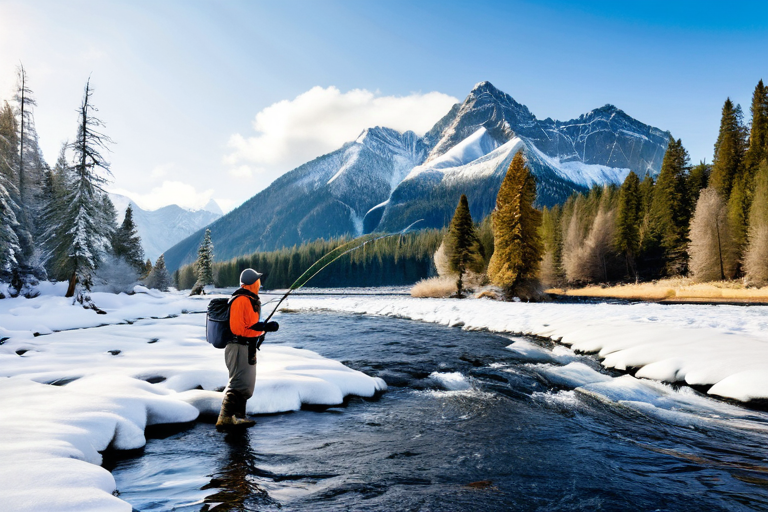
Winter steelhead fishing in Pacific Northwest rivers remains productive throughout the season
Species-Specific Winter Patterns
Bass Behavior in Cold Water
Research from the Bassmaster conservation team reveals that largemouth and smallmouth bass exhibit distinct winter patterns. Largemouth tend to congregate in deeper main-lake areas with access to shallow feeding grounds, while smallmouth prefer rocky structures and current breaks.
"The metabolism slowdown is real, but bass still feed," says tournament pro Lisa Washington. "The difference is they're targeting high-calorie meals. Large profile baits like jigging raps and blade baits trigger reaction strikes when fished aggressively around structure."
Panfish: Winter's Consistent Producers
Bluegill, crappie, and perch remain active throughout winter, often schooling in predictable locations. The key to consistent panfish success lies in mobility and precise presentation.
"We're finding crappie suspended 15-20 feet down over 30-foot basins," notes ice fishing expert Tom Bergeron. "Small tungsten jigs tipped with wax worms or spikes are outperforming larger presentations. The finesse approach is critical."
Winter Safety Reminder
Always check ice thickness before venturing out. Minimum 4 inches for walking, 5-7 inches for snowmobiles, and 8-12 inches for vehicles. Carry ice picks and wear a flotation device. Never fish alone on ice.
Trout and Salmon: Cold Water Specialists
These cold-water species often become more accessible to anglers during winter months. Lake trout move shallower as water temperatures drop, while stream trout become concentrated in slower, deeper pools.
"Winter is prime time for trophy brown trout," says guide service owner Robert Kim from Colorado. "They're less pressured and more predictable in their movements. Focus on deep holes below riffles with small streamers or egg patterns."
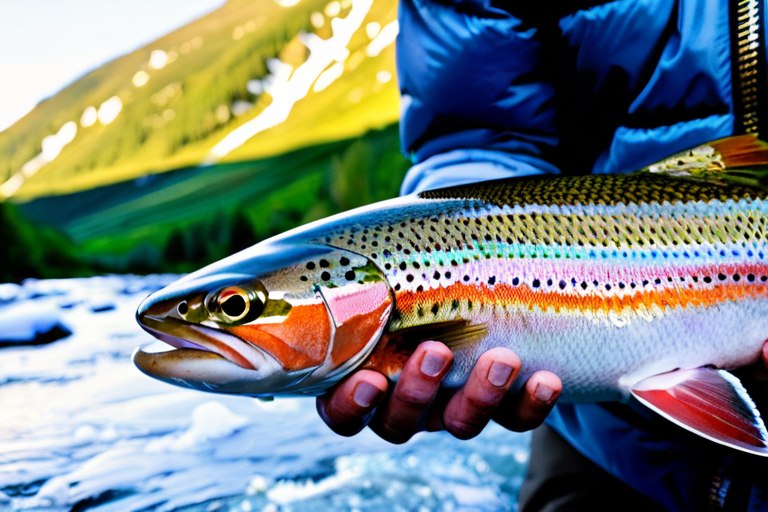
Clear winter conditions provide excellent visibility for trout anglers in mountain streams
Tackle and Technique Updates for 2025
Ice Fishing Technology Advancements
The 2025 season brings significant improvements in ice fishing electronics. Forward-facing sonar units now offer clearer imaging of fish behavior below the ice, while thermal imaging cameras help locate underwater springs and current areas.
"The technology gap between open-water and ice fishing is closing rapidly," observes equipment reviewer Mike Donovan of Ice Fishing Magazine. "We're seeing portable units that rival the capabilities of expensive boat systems from just five years ago."
Open-Water Winter Tactics
For anglers avoiding the ice, slow presentations remain key. However, new research suggests occasional bursts of activity can trigger strikes from otherwise lethargic fish.
"The 'wake-up call' technique is gaining popularity," explains professional angler Jessica Park. "After working an area slowly with bottom-contact baits, we'll make a few fast, aggressive passes with reaction baits. It often triggers fish that were previously ignoring our offerings."
Top Winter Baits 2025
- Ned rigs with small plastics
- Jigging spoons (1/4 to 3/8 oz)
- Blade baits for vertical presentation
- Small hair jigs for panfish
- Swimbaits on slow retrieve
Essential Winter Gear
- Insulated waterproof boots
- Layered clothing system
- Portable sonar unit
- Ice safety equipment
- Multiple rod setups
Climate Impact on Winter Fisheries
Long-term data from the Environmental Protection Agency shows shifting patterns in winter fishing seasons across North America. Southern regions are experiencing longer open-water periods, while northern areas see later ice formation and earlier thaw dates.
"We're adapting our strategies to these changes," says fisheries biologist Dr. Michael Torres. "The traditional 'hard water' season is becoming more variable. Anglers need to be flexible and monitor local conditions rather than relying on calendar dates."
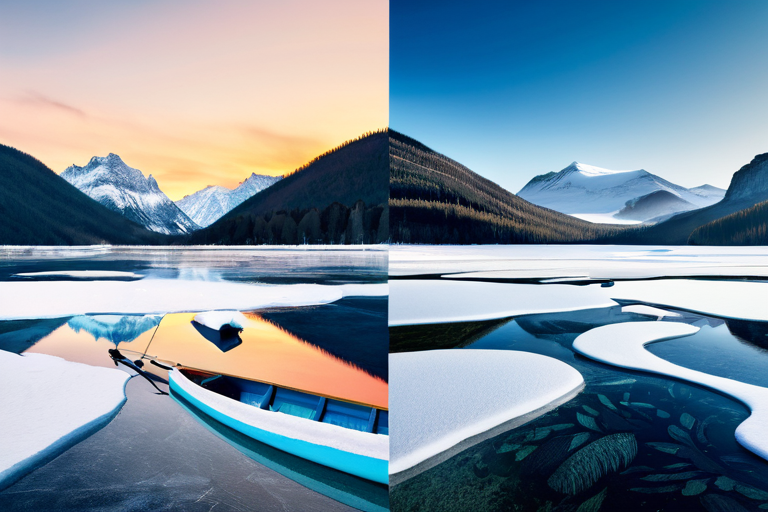
Changing winter patterns require adaptive fishing strategies across North America
Regional Regulations and Conservation
Winter fishing regulations vary significantly by region. Anglers should consult local fish and wildlife departments for specific rules. Many states have implemented special winter regulations to protect spawning aggregations and vulnerable populations.
"Responsible angling practices are especially important during winter," emphasizes conservation director Rachel Green. "Fish are more vulnerable to stress in cold water. Practice proper catch and release techniques, and consider keeping fish only when regulations allow and populations can sustain harvest."
Conservation Tips for Winter Angling
- Minimize handling time for released fish
- Use barbless hooks for easier release
- Keep fish in water during photography
- Follow size and bag limits precisely
- Report illegal fishing activity
Looking Ahead: Winter 2025 Fishing Outlook
The 2025 winter fishing season presents both challenges and exceptional opportunities across North America. With proper preparation, updated techniques, and attention to local conditions, anglers can enjoy productive fishing throughout the colder months.
"Winter fishing rewards those who adapt," concludes veteran guide and author David Chen. "The fish are still there, still feeding. The anglers who succeed are those who understand winter patterns and adjust their approach accordingly. This season looks particularly promising for those willing to embrace the cold."
Stay Updated
For the latest winter fishing conditions and regulations, check with your state's fish and wildlife department and trusted local fishing reports.