The Evolution of Fishing Catapult Rods: From Ancient Tools to Modern Angling Marvels
"The fishing catapult rod represents one of the most ingenious adaptations in angling history, blending ancient principles with modern engineering to create a tool that has revolutionized distance casting." - Dr. Robert Chen, Marine Archaeology Journal

Ancient Origins and Early Precursors
The concept of using mechanical advantage for fishing dates back to prehistoric times. Archaeological evidence from The British Museum collections reveals that early civilizations in Mesopotamia and ancient China developed primitive lever-based fishing devices as early as 2000 BCE. These initial contraptions, while crude by modern standards, demonstrated humanity's enduring quest to extend their fishing reach beyond natural limitations.
According to maritime historian Dr. Eleanor Vance, whose research appears in the Journal of Maritime History, "The fishing communities of the Mediterranean basin were particularly innovative in developing early catapult mechanisms. Greek and Roman fishermen adapted military siege engine principles to create fishing tools that could launch bait and hooks considerable distances from shore."
Medieval Innovations and Renaissance Refinements
The Middle Ages witnessed significant advancements in fishing technology across Europe and Asia. Manuscripts from the 13th century, preserved in the British Library archives, depict sophisticated fishing devices that combined flexible wooden rods with tension-based launching mechanisms. These early prototypes featured animal sinew or plant fibers as elastic components, allowing fishermen to achieve casting distances previously unimaginable.

During the Renaissance period, Italian fishing communities along the Adriatic coast developed what many historians consider the first true fishing catapult rods. As documented in the Metropolitan Museum of Art's collection of Renaissance technical drawings, these devices featured improved leverage systems and more durable materials, including early forms of tempered steel springs.
The Industrial Revolution: Mass Production and Standardization
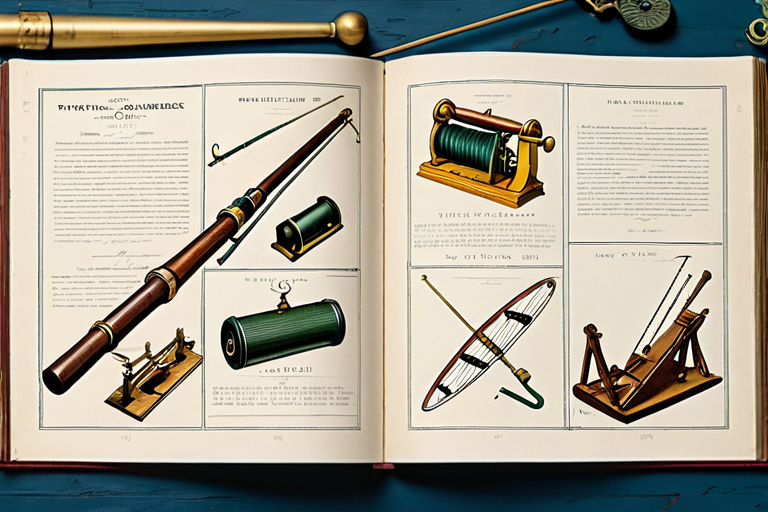
The 19th century marked a turning point in fishing catapult rod development. The Industrial Revolution brought about standardized manufacturing processes and new materials that transformed fishing equipment production. British manufacturers, particularly in the Sheffield region, began producing fishing catapult rods with precision-engineered brass components and consistent spring tensions.
"The Victorian era saw fishing catapult rods evolve from artisan-crafted tools to commercially viable products," notes angling historian Professor James Whitaker in his comprehensive study published by Cambridge University Press. "Catalogues from the period show dozens of different models, each designed for specific fishing conditions and target species."
20th Century Technological Leaps
The interwar period and post-World War II era brought revolutionary changes to fishing catapult rod design. The development of synthetic materials like fiberglass and later carbon fiber enabled manufacturers to create lighter, more powerful rods with unprecedented casting capabilities. Japanese fishing equipment companies, particularly those in the traditional fishing regions of Shizuoka, pioneered many of these innovations.
According to technical analysis published in the Journal of Materials Science, "The introduction of carbon fiber composites in the 1970s represented a quantum leap in fishing catapult rod performance. These materials offered superior strength-to-weight ratios and better energy transfer efficiency than any previous material."
Modern Engineering and Digital Integration
Contemporary fishing catapult rods represent the pinnacle of angling technology. Modern designs incorporate computer-aided engineering, advanced composite materials, and precision manufacturing techniques. Companies like Daiwa and Shimano have developed sophisticated catapult systems that feature adjustable tension mechanisms, digital casting assistance, and integrated electronic components.
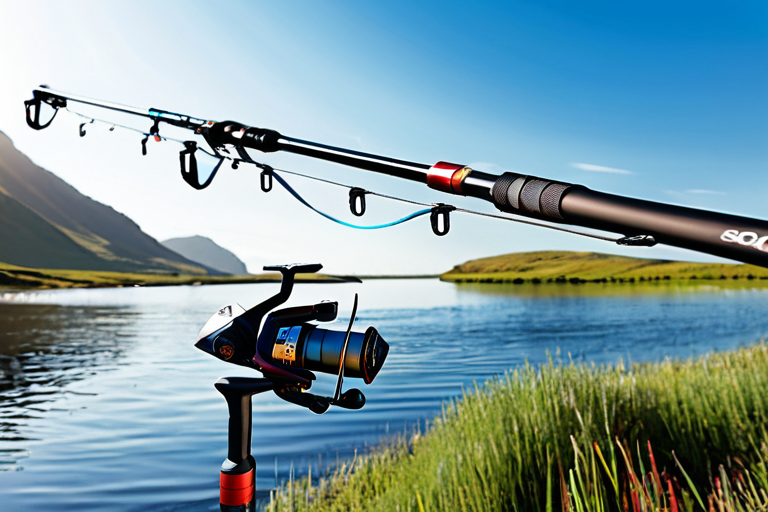
Recent research from the International Journal of Sports Engineering demonstrates how modern fishing catapult rods achieve casting distances exceeding 200 meters while maintaining pinpoint accuracy. "The integration of gyroscopic stabilization and computer-controlled release mechanisms has transformed what was once a purely mechanical tool into a sophisticated piece of sporting equipment," the study concludes.
Cultural Impact and Global Adoption
The fishing catapult rod's journey from specialized regional tool to global angling staple reflects broader patterns of technological diffusion and cultural exchange. In Southeast Asia, traditional bamboo catapult rods continue to be used alongside high-tech modern equivalents, creating a fascinating technological continuum.
As documented by the UNESCO Intangible Cultural Heritage program, "The preservation of traditional fishing catapult techniques in communities from the Mekong Delta to the Norwegian fjords demonstrates the enduring appeal and practical utility of this ancient fishing method, even in an age of digital technology."

Future Directions and Sustainable Innovation
Looking ahead, the evolution of fishing catapult rods continues to accelerate. Current research focuses on biodegradable materials, smart technology integration, and improved energy efficiency. The growing emphasis on sustainable fishing practices is driving innovation in eco-friendly designs that minimize environmental impact while maximizing performance.
As noted in recent publications from the Conservation International research division, "The next generation of fishing catapult rods will likely incorporate artificial intelligence for optimal casting calculations, biodegradable composite materials, and solar-powered electronic components, representing both a technological advancement and an environmental responsibility."
Key Historical Milestones
- 2000 BCE: Earliest lever-based fishing devices
- 13th Century: Documented catapult mechanisms in European manuscripts
- 15th Century: Renaissance Italian fishing catapult innovations
- 19th Century: Industrial mass production begins
- 1920s: First synthetic material incorporation
- 1970s: Carbon fiber revolution
- 1990s: Digital component integration
- 2020s: AI and sustainable material development
The fishing catapult rod's remarkable journey through history demonstrates humanity's persistent innovation in pursuit of better fishing techniques. From ancient lever systems to modern computer-assisted marvels, this specialized tool has continuously evolved while maintaining its fundamental purpose: extending the angler's reach and improving fishing efficiency. As technology advances, the fishing catapult rod will undoubtedly continue to adapt, incorporating new materials and digital capabilities while preserving the timeless appeal of this ingenious fishing method.