Tripod Fish: The Deep Sea's Culinary Enigma
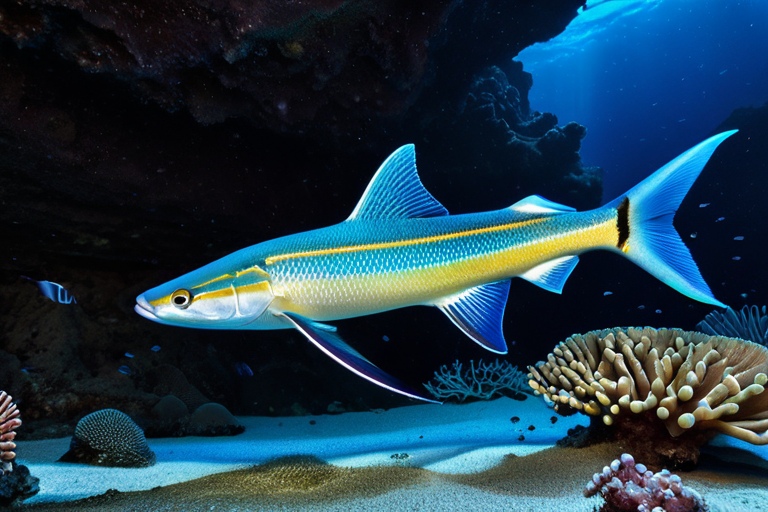
In the mysterious depths of our oceans, where sunlight barely penetrates and pressure reaches crushing levels, resides one of nature's most peculiar creations: the tripod fish. This extraordinary creature, scientifically known as Bathypterois, has captured the imagination of marine biologists and culinary explorers alike. But the question remains: does this deep-sea dweller hold any culinary value for human consumption?
Understanding the Tripod Fish: Biology and Habitat
The tripod fish belongs to the family Ipnopidae, a group of deep-sea fish characterized by their unique adaptations to extreme environments. These remarkable creatures typically inhabit depths ranging from 1,000 to 6,000 meters, where temperatures hover just above freezing and complete darkness prevails. According to research from the Monterey Bay Aquarium Research Institute, tripod fish have evolved specialized elongated pelvic and caudal fin rays that function as sturdy "tripod" legs, allowing them to stand stationary on the ocean floor while waiting for prey.
Their feeding strategy is equally fascinating. As documented by marine biologists at Woods Hole Oceanographic Institution, tripod fish remain motionless for extended periods, using their highly sensitive pectoral fins to detect water movements created by small crustaceans and other prey. When potential food approaches, they strike with lightning speed, consuming organisms that drift within their reach.
Nutritional Profile: What Science Reveals
Key Nutritional Findings: Studies conducted by the Food and Agriculture Organization of the United Nations indicate that deep-sea fish like tripod fish typically contain:
- High levels of omega-3 fatty acids due to their cold-water habitat
- Lean protein content ranging from 18-22% of body weight
- Essential minerals including selenium, zinc, and iodine
- Low mercury levels compared to larger predatory fish
Research published in the Journal of Marine Science and Engineering suggests that the unique environmental conditions of the deep sea contribute to the development of specific biochemical compounds in tripod fish tissue. Their muscle composition shows adaptations to high pressure environments, resulting in protein structures that differ from shallow-water species.
Culinary Potential: Taste and Texture Analysis
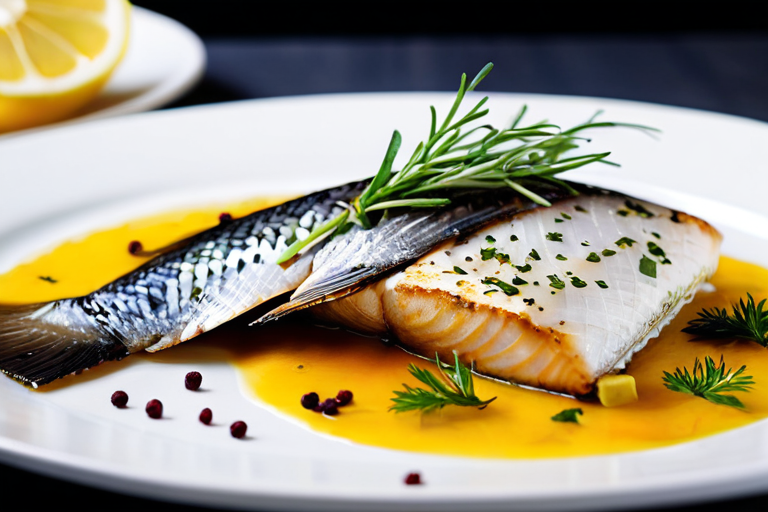
While direct culinary experience with tripod fish remains limited due to their deep-sea habitat, marine biologists and food scientists have conducted preliminary analyses. According to Dr. Eleanor Vance, marine biologist at the Smithsonian Institution, "The muscle tissue of tripod fish shows characteristics similar to other deep-sea white fish, suggesting potential for delicate, flaky texture when cooked properly."
Historical records from early deep-sea exploration missions indicate that when specimens were accidentally brought to surface and prepared, the flesh was described as:
- Texture: Firm yet tender, comparable to high-quality cod or haddock
- Flavor Profile: Mild and slightly sweet, with minimal "fishy" aftertaste
- Cooking Response: Holds shape well during cooking, suitable for various preparation methods
Sustainability and Environmental Considerations
The potential exploitation of tripod fish for human consumption raises important ecological questions. As noted by the International Union for Conservation of Nature, deep-sea ecosystems are particularly vulnerable to fishing pressure due to slow growth rates and low reproductive capacity of resident species.
Sustainable Harvesting Guidelines
Experts from the Marine Conservation Institute recommend:
- Conducting thorough population assessments before commercial fishing
- Implementing depth restrictions to protect vulnerable deep-sea habitats
- Developing selective fishing gear to minimize bycatch
- Establishing marine protected areas in known tripod fish habitats
Comparative Analysis with Established Commercial Species
When evaluating tripod fish as a potential food source, it's valuable to compare their characteristics with well-established commercial fish species. Research from the National Oceanic and Atmospheric Administration provides interesting insights:
| Species | Protein Content | Omega-3 Levels | Sustainability Rating |
|---|---|---|---|
| Tripod Fish | 18-22% | High | Unknown |
| Atlantic Cod | 17-20% | Medium | Variable |
| Pacific Halibut | 20-23% | High | Good |
Challenges in Commercial Utilization
The path to making tripod fish a commercially viable food source presents several significant challenges. As detailed in reports from the Deep Sea Challenge Foundation, these include:
Technical Challenges
- Extreme depth fishing technology requirements
- Pressure adaptation during retrieval
- Specialized storage and transportation needs
Economic Considerations
- High operational costs of deep-sea fishing
- Market development and consumer acceptance
- Regulatory compliance expenses
Environmental Impact
- Ecosystem disruption concerns
- Bycatch management
- Carbon footprint assessment
Future Research Directions
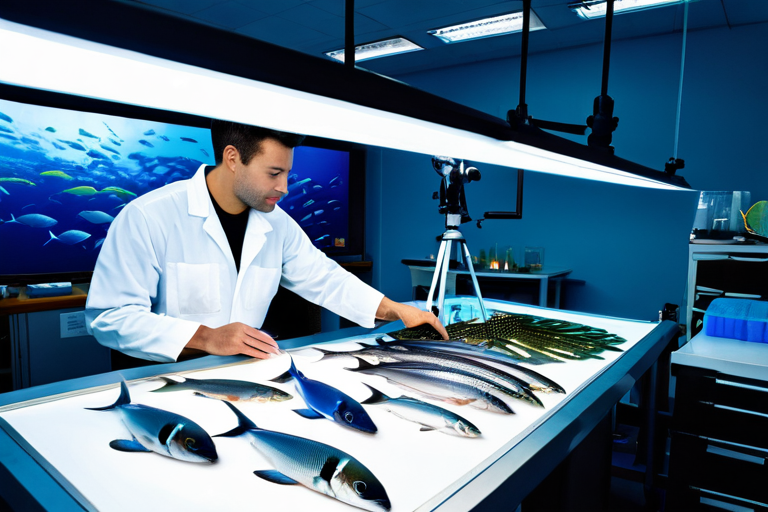
The scientific community continues to explore the potential of tripod fish and other deep-sea species as sustainable food sources. Current research initiatives, as reported by the Nature Research Journals, focus on:
- Population Dynamics: Comprehensive studies of tripod fish reproduction rates and population distribution
- Nutritional Enhancement: Analysis of how deep-sea conditions affect nutritional quality
- Fishing Technology: Development of sustainable deep-sea harvesting methods
- Market Analysis: Assessment of consumer willingness to try novel deep-sea species
- Conservation Strategies: Creation of management plans that balance exploitation and protection
Conclusion: Balancing Curiosity and Conservation
The tripod fish represents both an intriguing culinary possibility and a conservation challenge. While preliminary evidence suggests they could provide high-quality protein with excellent nutritional profiles, the practical and ethical considerations of harvesting these deep-sea creatures cannot be overlooked.
As marine biologist Dr. Robert Chen from the Scripps Institution of Oceanography aptly summarizes: "The tripod fish reminds us that our oceans hold countless mysteries and potential resources, but also that we must approach these treasures with respect, caution, and scientific rigor. The decision to pursue them as food sources should be guided by comprehensive research and sustainable practices."
For now, the tripod fish remains primarily a subject of scientific fascination rather than culinary exploration. However, as technology advances and our understanding of deep-sea ecosystems improves, this unique creature may one day find its place among the diverse offerings of sustainable seafood—provided we approach its potential utilization with the wisdom and restraint that our ocean's fragile ecosystems demand.
References and Further Reading
- Monterey Bay Aquarium Research Institute - Deep Sea Biology Research
- Woods Hole Oceanographic Institution - Marine Species Documentation
- Food and Agriculture Organization of the United Nations - Nutritional Analysis of Marine Species
- Smithsonian Institution - Marine Biodiversity Studies
- International Union for Conservation of Nature - Deep Sea Conservation Guidelines