The Mysterious Tripod Fish: Exploring the Deep Sea Enigma
"In the eternal darkness of the deep ocean, where pressure could crush a submarine and temperatures hover near freezing, the tripod fish stands as a testament to nature's incredible adaptability." - Dr. Sylvia Earle, Oceanographer

Deep beneath the ocean's surface, where sunlight becomes a distant memory and the pressure could flatten most living organisms, exists one of the most peculiar creatures ever discovered by marine biologists: the tripod fish (Bathypterois grallator). This extraordinary denizen of the deep has captivated scientists and ocean enthusiasts alike with its unique anatomical adaptations and mysterious lifestyle.
Anatomy of a Living Tripod
The tripod fish earns its name from its most distinctive feature: three elongated fin rays that extend from its pelvic and caudal fins, forming a stable tripod structure. According to research from the Monterey Bay Aquarium Research Institute, these specialized fins can grow up to three times the length of the fish's body, reaching nearly one meter in some specimens.
Dr. Bruce Robison, a senior scientist at MBARI, explains: "The tripod fish's elongated fin rays are essentially modified pelvic and caudal fin spines. They're stiffened with bony elements and covered with sensory cells that help the fish detect minute water movements and potential prey."
Specialized Adaptations for Deep-Sea Life
- Reduced Eyesight: Living in near-total darkness, tripod fish have evolved extremely reduced eyes that are virtually non-functional
- Enhanced Lateral Line System: Their bodies are covered with specialized sensory cells that detect water movements and pressure changes
- Elongated Pectoral Fins: These act as sensory appendages, constantly sampling the water for chemical cues and potential food sources
- Bioluminescence Detection: Some research suggests they can detect the faint bioluminescent signals of other deep-sea organisms

Habitat and Distribution
Tripod fish are true deep-sea specialists, inhabiting the bathypelagic zone between 900 and 4,700 meters (3,000-15,400 feet) below the surface. Data from the NOAA Ocean Exploration program indicates they're found in tropical and temperate oceans worldwide, with significant populations in the Atlantic, Pacific, and Indian Oceans.
"What's fascinating about tripod fish distribution," notes marine ecologist Dr. Lisa Levin from Scripps Institution of Oceanography, "is their preference for specific deep-sea environments. They're often found in areas with gentle currents and soft sediment bottoms, which perfectly suit their stationary feeding strategy."
Feeding Behavior: The Ultimate Ambush Predator
The tripod fish employs one of the most energy-efficient hunting strategies in the animal kingdom. Research published in the journal Deep Sea Research reveals that these fish can remain motionless for hours, even days, waiting patiently for unsuspecting prey to wander within striking distance.
The Hunting Process
- Positioning: The fish extends its three elongated fins to elevate its body above the seafloor
- Detection: Using its extended pectoral fins as sensory antennae, it detects water movements and chemical signals
- Strike: When prey comes within range, the fish rapidly lunges forward, capturing it in a fraction of a second
- Return: It quickly returns to its tripod stance, minimizing energy expenditure
Dr. Michael Vecchione, a zoologist with the Smithsonian Institution, elaborates: "Their diet primarily consists of small crustaceans, zooplankton, and occasionally small fish. The energy savings from their stationary hunting strategy is crucial in an environment where food is incredibly scarce."
Reproduction and Life Cycle
Much about tripod fish reproduction remains mysterious due to the challenges of deep-sea observation. However, studies conducted by the Woods Hole Oceanographic Institution have revealed some fascinating details about their reproductive strategies.
Unlike many deep-sea creatures that rely on bioluminescent displays for mating, tripod fish appear to use chemical signals. Their larvae are pelagic, drifting in ocean currents before eventually settling to the deep-sea floor as they mature.
"We've observed that tripod fish likely have a relatively long lifespan for deep-sea organisms," says Dr. Cindy Van Dover, a deep-sea biologist. "Their slow metabolism and energy-conserving lifestyle probably allow them to live for several years, though exact lifespan data is difficult to obtain."
Evolutionary History and Relatives
The tripod fish belongs to the family Ipnopidae, which includes several other deep-sea species with similar adaptations. Fossil evidence and genetic studies suggest that these fish evolved their specialized features over millions of years to exploit specific ecological niches in the deep ocean.
Dr. Ted Pietsch, an ichthyologist at the University of Washington, explains: "The tripod fish represents an excellent example of convergent evolution. Similar 'tripod' adaptations have appeared independently in different deep-sea fish lineages, demonstrating how specific environmental pressures can shape similar solutions."
Research and Discovery
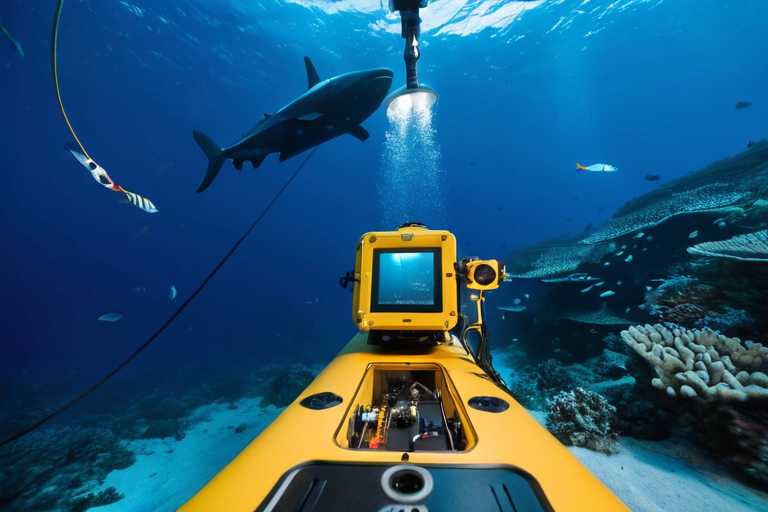
The first scientific descriptions of tripod fish date back to the late 19th century, but detailed observations only became possible with the advent of modern deep-sea exploration technology. Remotely operated vehicles (ROVs) and manned submersibles have provided unprecedented insights into their behavior and ecology.
Recent expeditions by organizations like the Schmidt Ocean Institute have captured stunning high-definition footage of tripod fish in their natural habitat, revealing behaviors that were previously only theoretical.
Conservation Status and Threats
Currently, tripod fish are not considered threatened or endangered, primarily because their deep-sea habitat protects them from most human activities. However, scientists express concern about potential future threats, including deep-sea mining and climate change effects on ocean circulation patterns.
Dr. Jeff Drazen, a deep-sea ecologist, warns: "While tripod fish populations appear stable now, we need to be cautious about cumulative impacts. Deep-sea ecosystems are incredibly fragile, and recovery from disturbance can take decades or centuries."
Scientific Significance and Research Applications
The tripod fish continues to be a subject of intense scientific interest for multiple reasons. Their unique sensory systems inspire biomimetic technology development, while their energy-efficient lifestyle offers insights into metabolic adaptation.
Key Research Areas
- Sensory Biology: Understanding how they detect prey without vision
- Biomechanics: Studying their unique fin structure and stability
- Metabolic Adaptation: Learning how they survive with minimal energy intake
- Deep-Sea Ecology: Using them as indicator species for deep-ocean health
Future Research Directions
As technology continues to advance, scientists anticipate new discoveries about tripod fish biology. Planned research includes genetic studies to understand their evolutionary history, physiological investigations into their extreme pressure tolerance, and behavioral studies using advanced underwater observation systems.
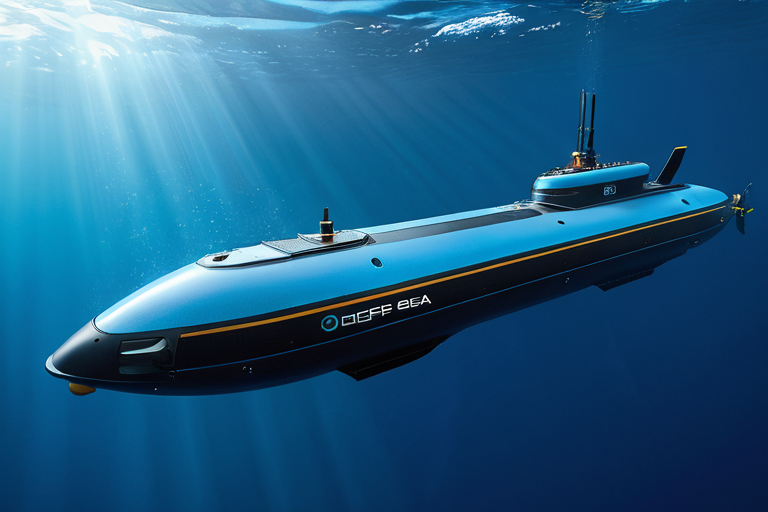
Dr. Brennan Phillips, an ocean engineer, shares his excitement: "New autonomous vehicles and sensor technologies will allow us to observe tripod fish for extended periods without disturbance. We're on the verge of understanding aspects of their lives that have been complete mysteries until now."
The Enduring Mystery
The tripod fish stands as a remarkable example of nature's ability to adapt to even the most extreme environments. As we continue to explore Earth's final frontier, this enigmatic creature reminds us how much remains to be discovered in the deep ocean's eternal darkness.
Sources: Monterey Bay Aquarium Research Institute, NOAA Ocean Exploration, Woods Hole Oceanographic Institution, Schmidt Ocean Institute, and peer-reviewed scientific publications in Deep Sea Research and Marine Biology journals.