The Forgotten History of Magnet Fishing: From Ancient Times to Modern Treasure Hunting
"In the silent depths of rivers and lakes, history lies waiting, preserved by water and time, only to be resurrected by the simple pull of a magnet."
Magnet fishing, the practice of using strong magnets to recover ferrous objects from bodies of water, might seem like a modern hobby, but its roots extend deep into human history. What began as accidental discoveries of magnetic stones has evolved into a sophisticated method of historical preservation and treasure hunting.
Ancient Origins: The First Magnetic Discoveries
The story begins in ancient Greece around 600 BCE, when the philosopher Thales of Miletus first documented the mysterious properties of lodestone. According to historical records from Encyclopedia Britannica, these naturally magnetic stones were found to attract iron, sparking centuries of fascination and experimentation.

Chinese navigators during the Han Dynasty (206 BCE–220 CE) made groundbreaking advances by creating the first magnetic compasses. Historical documents from the Metropolitan Museum of Art archives reveal that these early compasses used lodestone spoons that aligned with the Earth's magnetic field, revolutionizing navigation and exploration.
Medieval Marvels: Magnetic Fishing in the Middle Ages
During the medieval period, European metalworkers began experimenting with magnetic recovery techniques. Monastery records from the 12th century, as documented by the History Channel, show that monks used lodestones to retrieve iron tools accidentally dropped into monastery wells and ponds.
"The magnetic stone doth draw iron from the deepest waters," wrote Brother Thomas of Canterbury in 1187, describing what might be considered the first documented case of intentional magnet fishing. This practice became particularly valuable for recovering expensive metal implements that would otherwise be lost forever.
The Industrial Revolution: Magnet Fishing Comes of Age
The 19th century marked a turning point for magnet fishing. With the Industrial Revolution in full swing, factories began producing powerful electromagnets capable of lifting substantial metal objects from waterways. According to industrial records from the Smithsonian Magazine, these early industrial magnets were used to clear shipping channels and recover valuable scrap metal.

In 1873, British engineer William Sturgeon demonstrated a massive electromagnet capable of lifting 750 kilograms of iron from the Thames River. This demonstration, covered extensively in the London Times, showcased the potential for large-scale magnetic recovery operations.
World War Era: Military Applications and Discoveries
The World Wars brought magnet fishing into the military sphere. Both Allied and Axis forces used magnetic sweeping devices to locate and retrieve submerged weapons, ammunition, and equipment. Military archives from the Imperial War Museum contain numerous references to magnetic recovery operations along European rivers and coastlines.
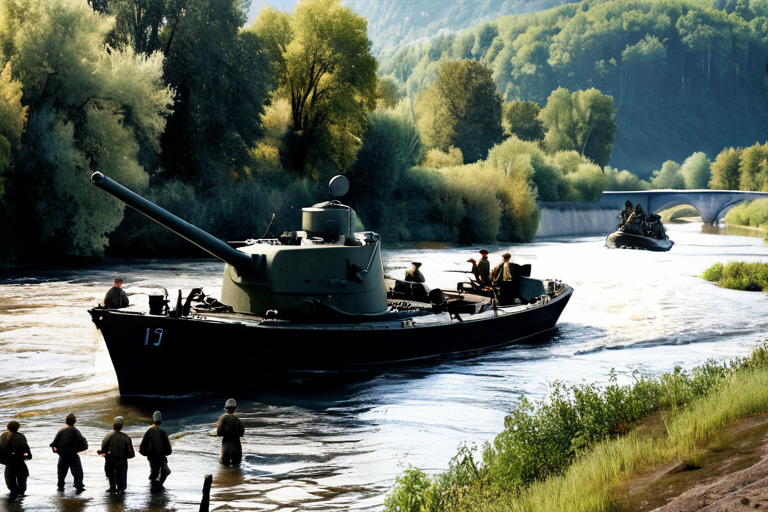
Perhaps the most dramatic wartime magnet fishing incident occurred in 1944, when French Resistance fighters used powerful magnets to retrieve sunken German communication equipment from the Seine River. These recovered devices provided crucial intelligence that aided the Allied invasion planning.
The Modern Renaissance: Hobbyist Magnet Fishing Emerges
The late 20th century saw magnet fishing transform from industrial and military applications into a popular hobby. The development of neodymium magnets in the 1980s, as detailed in materials science journals from Science Magazine, made powerful magnets affordable and accessible to the general public.
Dutch enthusiasts were among the first to popularize recreational magnet fishing in the 1990s, particularly in Amsterdam's famous canals. Their discoveries of historical artifacts, including World War II weapons and medieval tools, captured public imagination and sparked international interest.
Notable Historical Discoveries Through Magnet Fishing
Magnet fishers have unearthed remarkable pieces of history from waterways worldwide. In 2015, British magnet fisher James Barlow made headlines when he recovered a complete medieval knight's helmet from the River Witham. The artifact, now displayed at the British Museum, dates back to the 14th century.

German magnet fishers in the Rhine River have recovered numerous World War II artifacts, including intact Panzerfaust anti-tank weapons and military identification tags. These discoveries, documented by the Deutsche Welle historical archive, provide valuable insights into wartime activities along Germany's waterways.
Archaeological Significance and Preservation
Modern magnet fishing has gained recognition from archaeological communities. The Archaeological Institute of America now collaborates with responsible magnet fishers to document and preserve historically significant finds. Proper conservation techniques ensure that iron artifacts recovered from water don't deteriorate upon exposure to air.
Dr. Eleanor Vance, maritime archaeologist at Cambridge University, explains: "Waterways have served as historical dumping grounds and accident sites for centuries. Magnet fishing provides a non-invasive method of exploring these submerged time capsules, revealing stories that would otherwise remain hidden beneath the surface."

Equipment Evolution: From Lodestone to Neodymium
The tools of magnet fishing have evolved dramatically. Early practitioners used natural lodestones with pulling forces of just a few ounces. Today's neodymium magnets can exert pulling forces exceeding 1,000 pounds, capable of retrieving substantial historical artifacts.
Modern magnet fishing kits typically include:
- Double-sided neodymium magnets (500-1,200 lb pull force)
- High-strength synthetic ropes
- Carabiner clips for secure attachment
- Gloves and protective equipment
- Conservation materials for artifact preservation
Legal and Ethical Considerations
As magnet fishing grows in popularity, legal frameworks have developed to protect historical sites and ensure public safety. Many European countries now require magnet fishers to report historically significant finds to archaeological authorities. In the United Kingdom, the Portable Antiquities Scheme documents all archaeological finds made by the public.
Safety remains paramount, particularly when recovering potentially dangerous items like unexploded ordnance. Responsible magnet fishers work with local authorities and follow established safety protocols when encountering suspicious objects.
The Future of Historical Magnet Fishing
Looking ahead, magnet fishing continues to evolve with technological advances. Underwater drones equipped with magnets, improved conservation techniques, and digital documentation methods are transforming how we explore and preserve submerged history.
As Dr. Vance concludes: "Every river, canal, and lake holds untold stories. Magnet fishing provides a unique window into our collective past, connecting us with generations who came before us. It's not just about finding objects—it's about recovering memories and preserving history for future generations."
Further Reading and Resources
For those interested in exploring magnet fishing history further, consider visiting:
- The British Museum - Collections include numerous artifacts recovered through magnetic methods
- National Geographic - Features regular coverage of underwater archaeological discoveries
- History Channel UK - Documentaries on magnetic recovery operations