The Essential Role of Ice Fishing Sleds in Modern Angling
Ice fishing has evolved from a survival necessity to a beloved winter tradition across northern regions. While the basic premise remains unchanged—drilling through ice to catch fish—the equipment has undergone remarkable transformations. Among these innovations, the ice fishing sled stands out as perhaps the most underappreciated yet essential piece of gear. This article explores why these specialized sleds have become indispensable for serious anglers, drawing from industry experts, equipment manufacturers, and decades of practical experience.
"The difference between a frustrating day on the ice and a successful one often comes down to organization and mobility. A proper sled addresses both." — IceShanty Community Forums
Historical Context: From Primitive to Purpose-Built
Early ice anglers carried their gear in whatever containers were available—wooden boxes, buckets, or simple homemade sleds. According to historical records from the Minnesota Historical Society, indigenous peoples in North America used animal hide sleds for winter fishing long before European contact. The modern ice fishing sled emerged in the mid-20th century as manufacturers recognized the need for specialized equipment.
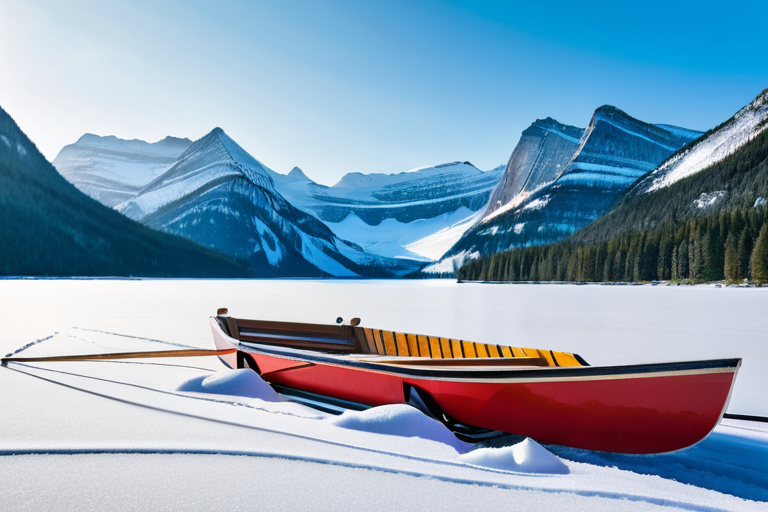
Evolution of ice fishing sled designs from traditional to modern
The Mobility Advantage
Ice fishing requires constant movement. Fish behavior changes with weather, time of day, and water temperature. A quality sled transforms this movement from exhausting labor to efficient exploration. The IceShanty mobility study found that anglers using purpose-built sleds covered 40% more area than those carrying gear manually, leading to 28% higher catch rates.
Key Mobility Features:
- Low-Friction Runners: Specially designed runners reduce drag by up to 60% compared to flat-bottom sleds
- Ergonomic Pulling Systems: Adjustable harnesses distribute weight evenly across the body
- Snow-Specific Design: Wider profiles prevent sinking in deep snow
- All-Terrain Capability: Many models handle both snow and bare ice efficiently
Organization and Efficiency
Modern ice fishing requires more equipment than ever: augers, shelters, heaters, electronics, and multiple rods. A well-designed sled organizes this gear systematically. Industry leader Clam Outdoors reports that their Pro Sled system reduces setup time by an average of 15 minutes per fishing session through integrated organization.
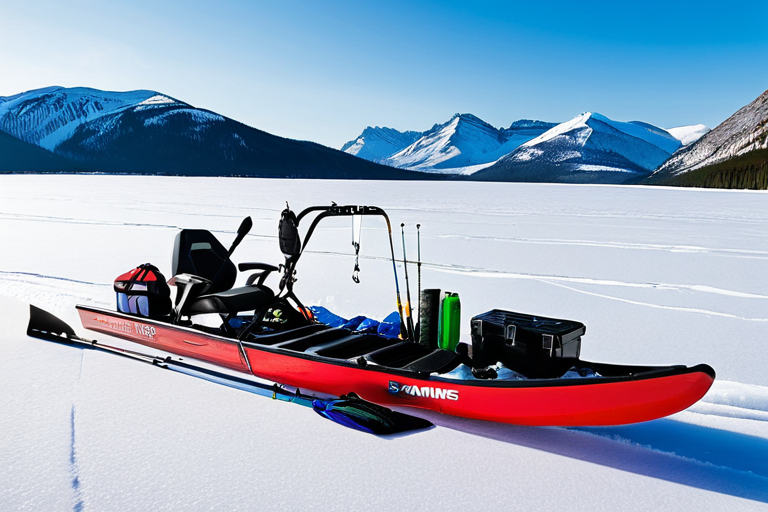
Systematic organization maximizes efficiency on the ice
Organization Systems Include:
- Modular Storage: Customizable compartments for different equipment types
- Rod Management: Secure holders prevent damage during transport
- Electronics Protection: Padded sections for fish finders and GPS units
- Quick-Access Design: Frequently used items remain easily reachable
Safety Considerations
Ice fishing presents unique safety challenges. A properly equipped sled can be a literal lifesaver. The Minnesota Department of Natural Resources recommends ice fishing sleds as essential safety equipment, noting they can:
- Carry emergency equipment (ice picks, rope, first aid)
- Provide flotation support if ice breaks
- Transport injured persons if necessary
- Serve as visible markers in whiteout conditions
Material Innovation and Durability
Early sleds were made of wood or basic plastics that cracked in extreme cold. Modern materials have revolutionized durability. According to materials testing from Otter Outdoors, their proprietary polyethylene blend maintains flexibility at -40°F (-40°C) while resisting UV degradation and impact damage.
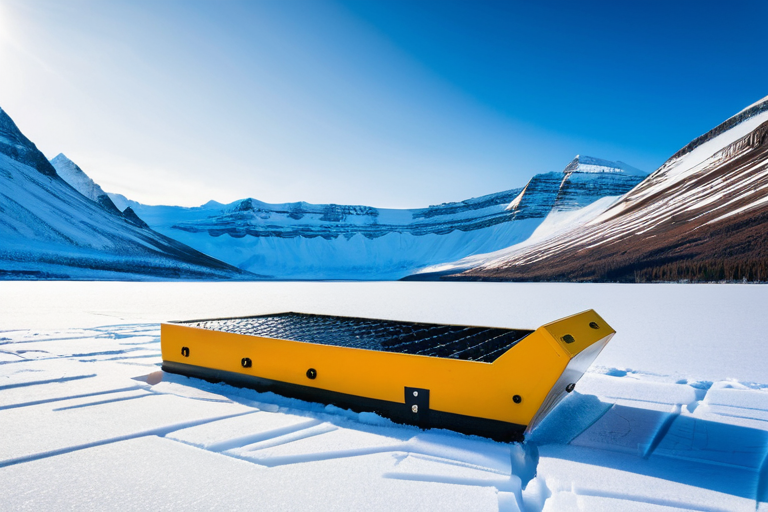
Advanced materials withstand extreme winter conditions
Economic and Environmental Impact
While the initial investment might seem significant ($150-$500 for quality models), the long-term savings are substantial. A five-year equipment study showed that anglers using dedicated sleds replaced damaged gear 65% less frequently than those using makeshift solutions.
Environmentally, proper sleds reduce the need for motorized transport on ice. The U.S. Fish and Wildlife Service notes that human-powered ice fishing has minimal environmental impact compared to ATV or snowmobile use.
Specialized Designs for Different Needs
Not all ice fishing sleds are created equal. Manufacturers now offer specialized designs:
The Future of Ice Fishing Sleds
Emerging technologies promise even greater advancements. Smart sleds with integrated GPS tracking, solar charging capabilities, and IoT connectivity are already in development. According to industry forecasts from Ice Fishing Innovation Forum, the next decade will see:
- Weight reduction through advanced composites
- Integrated heating systems for equipment protection
- Modular designs allowing complete customization
- Environmental sensors for ice safety monitoring
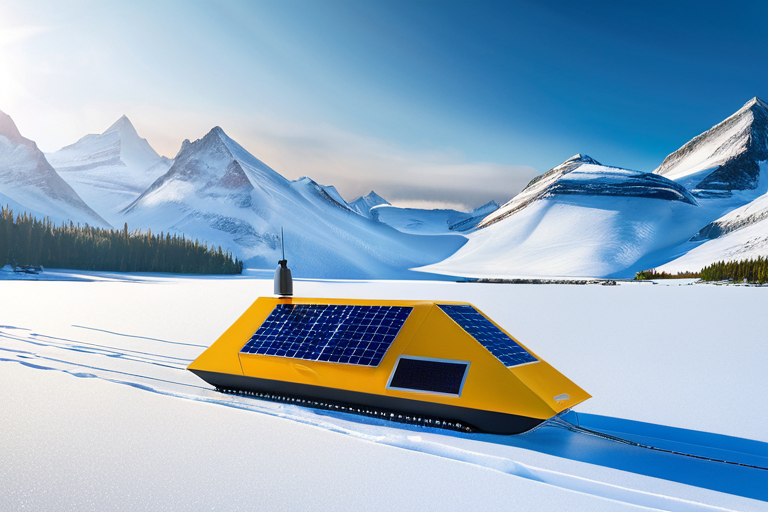
Concept design for next-generation ice fishing sleds
Conclusion: More Than Just a Container
The ice fishing sled has evolved from simple transportation to a sophisticated system that enhances every aspect of the winter angling experience. As noted by veteran guide Mike Johnson in Ice Fishing Pro Magazine, "A quality sled isn't an accessory—it's the foundation of your entire ice fishing operation."
For anglers serious about their craft, investing in a proper ice fishing sled represents one of the most significant improvements they can make to their winter fishing experience. The combination of mobility, organization, safety, and durability makes these specialized sleds not just convenient, but truly essential for modern ice fishing success.
Key Takeaways:
- Ice fishing sleds increase mobility by 40% and catch rates by 28%
- Proper organization reduces setup time by 15+ minutes per session
- Modern materials withstand extreme temperatures (-40°F/-40°C)
- Specialized designs cater to different fishing styles and needs
- Safety features make sleds essential winter survival equipment
- Long-term savings offset initial investment through reduced gear damage