A Journey Through Time: The Evolution of Maine Fishing Licenses
Maine, often called the "Pine Tree State," boasts a rich fishing heritage that dates back centuries. From its pristine lakes to its rugged coastline, fishing has been a way of life for generations. But how did this beloved pastime become regulated? The history of Maine fishing licenses is a fascinating tale of conservation, community, and the enduring love for the great outdoors.
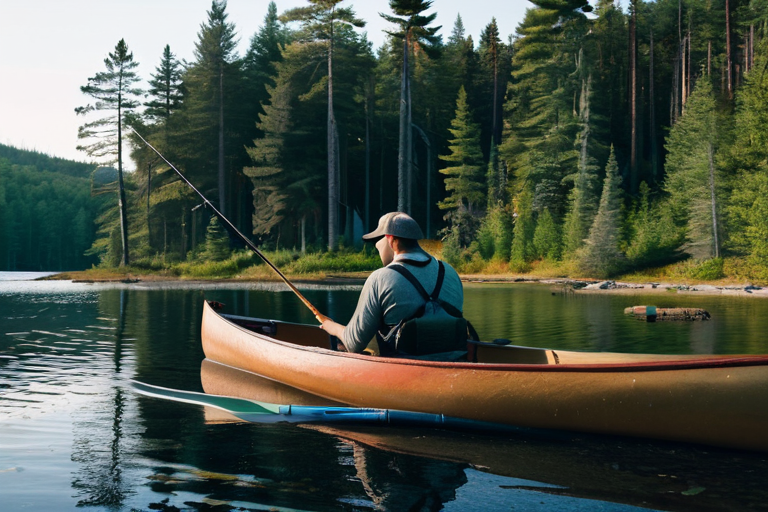
A glimpse into Maine's timeless fishing traditions.
Early Days: Fishing as a Way of Life
Long before licenses were issued, fishing in Maine was a vital activity for survival and trade. Indigenous tribes, such as the Penobscot and Passamaquoddy, relied on the state's abundant waters for sustenance. With European settlement in the 1600s, commercial fishing grew, particularly for species like cod and salmon. According to historical records from the Maine Department of Marine Resources, early regulations were minimal, focusing on basic rules to prevent overfishing in local communities.
The Birth of Regulation: 19th Century Changes
As the 1800s progressed, Maine saw rapid industrialization and population growth, leading to increased pressure on its natural resources. The first formal fishing regulations emerged in the mid-19th century, aimed at protecting fish stocks during spawning seasons. In 1880, Maine established its first fishing license system, primarily targeting commercial operations. A study by the Maine Department of Inland Fisheries and Wildlife notes that these early licenses were simple permits, often issued by local towns, with fees used to fund conservation efforts.
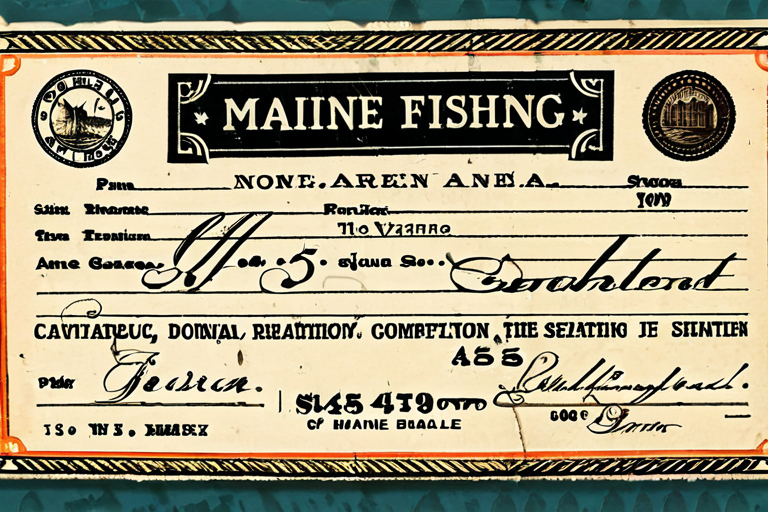
An example of an early 20th-century fishing license from Maine.
20th Century: Modernization and Conservation
The 1900s brought significant advancements in fishing license management. In 1915, Maine introduced separate licenses for inland and marine fishing, reflecting the state's diverse ecosystems. The post-World War II era saw a surge in recreational fishing, prompting the state to expand license categories to include residents, non-residents, and seniors. According to data from the U.S. Fish and Wildlife Service, Maine's license fees became a crucial funding source for habitat restoration and fish stocking programs, helping to preserve species like brook trout and Atlantic salmon.
Recent Developments: Technology and Accessibility
In the 21st century, Maine has embraced digital innovations to streamline the licensing process. Online systems, introduced in the early 2000s, allow anglers to purchase licenses from anywhere, boosting convenience and compliance. The state has also implemented dynamic pricing models and seasonal passes to cater to diverse fishing enthusiasts. Resources from the State of Maine's official website highlight ongoing efforts to balance conservation with recreational access, ensuring Maine's waters remain vibrant for future generations.
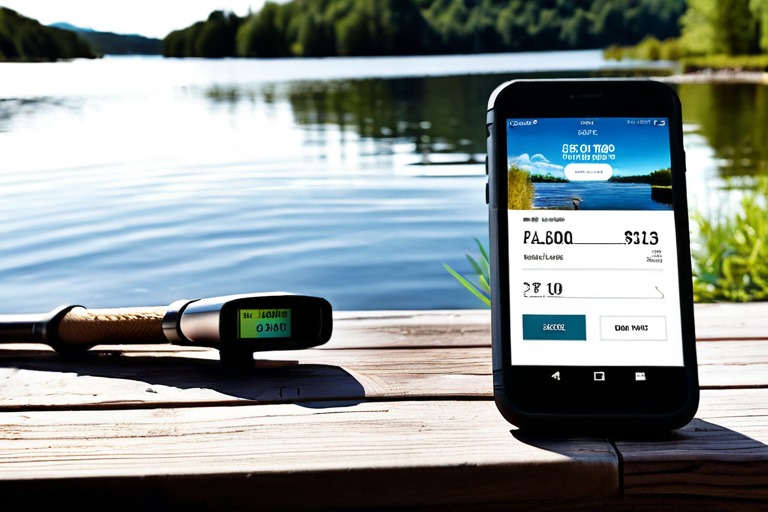
Today's anglers benefit from digital tools and advanced conservation practices.
The Impact of Fishing Licenses on Maine's Economy and Environment
Fishing licenses are more than just permits; they are a cornerstone of Maine's economy and environmental stewardship. Revenue from licenses supports critical programs, such as water quality monitoring and invasive species control. The Maine Department of Marine Resources reports that fishing contributes over $200 million annually to the state's economy, with licenses playing a key role in sustaining this impact. By fostering responsible angling, Maine continues to protect its natural heritage while promoting outdoor recreation.
Looking Ahead: The Future of Fishing in Maine
As climate change and urbanization pose new challenges, Maine's fishing license system is evolving to address emerging issues. Initiatives like catch-and-release programs and habitat partnerships are gaining traction, supported by license funds. Experts from the Maine Department of Inland Fisheries and Wildlife emphasize the importance of adaptive management to ensure sustainable fishing for years to come. Whether you're a seasoned angler or a curious newcomer, understanding this history enriches the experience of casting a line in Maine's waters.
From humble beginnings to modern innovations, the story of Maine fishing licenses is a testament to the state's commitment to conservation and community. As regulations continue to adapt, one thing remains constant: the timeless allure of fishing in Maine's breathtaking landscapes.