The Ultimate Guide to Ice Fishing Sleds: Your Winter Companion on the Ice
When winter blankets lakes and rivers with a thick layer of ice, dedicated anglers know it's time to gear up for ice fishing season. Among the most essential pieces of equipment is the ice fishing sled—a versatile, rugged, and often underappreciated tool that transforms a challenging winter expedition into an organized, efficient adventure. This comprehensive guide explores everything from historical origins to modern innovations, helping you choose the perfect sled for your icy pursuits.
Historical Evolution: From Primitive Trails to Modern Marvels
Ice fishing sleds trace their roots back centuries to indigenous Arctic cultures who crafted simple wooden toboggans to transport gear across frozen landscapes. According to historical records from the Smithsonian Institution, early Inuit and Scandinavian fishermen used bone-reinforced wooden sleds pulled by dogs or humans, designed specifically for navigating uneven ice surfaces. These primitive designs evolved through the Industrial Revolution when metal runners and lightweight materials became available.
The modern ice fishing sled as we know it emerged in the mid-20th century alongside the popularity of recreational ice fishing. Manufacturers began producing specialized models with features like waterproof compartments, rod holders, and auger mounts. Today's sleds incorporate advanced materials like polyethylene plastics and aluminum alloys, making them lighter yet more durable than ever before.
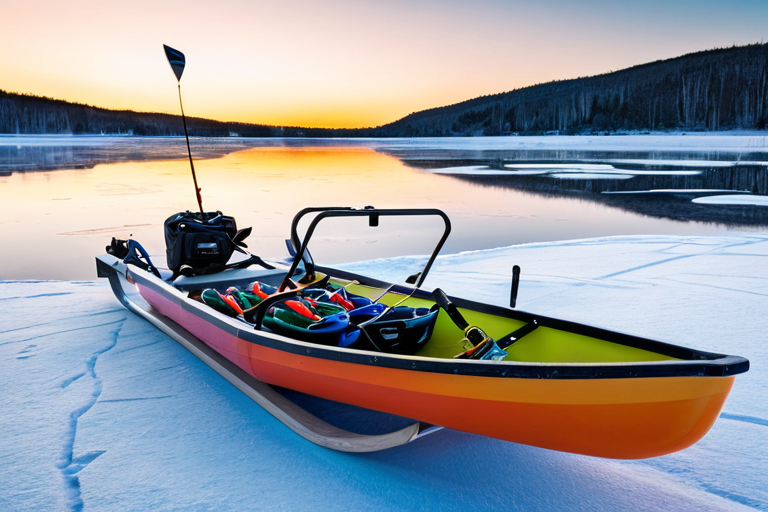
A modern ice fishing sled loaded with essential gear on a frozen lake at sunrise.
Key Design Features and Materials
Understanding sled construction is crucial for making an informed purchase. Most contemporary models share several fundamental characteristics:
- Hull Material: High-density polyethylene (HDPE) dominates the market due to its impact resistance and flexibility in cold temperatures. Some premium models use cross-linked polyethylene (PEX) for enhanced durability.
- Runners: UHMW (Ultra-High Molecular Weight) polyethylene runners reduce friction and prevent snow buildup. Aluminum or steel runners are preferred for rocky or abrasive ice conditions.
- Capacity: Sleds range from 40 to 120+ liters, with larger models featuring multiple compartments for organized storage.
- Towing Systems: Integrated harness points, padded tow ropes, and ergonomic handles ensure comfortable transport across varying terrains.
Industry experts at Outdoor Life emphasize that material choice directly impacts longevity. HDPE sleds typically last 5-10 seasons with proper care, while cheaper plastic alternatives may crack after 2-3 winters of heavy use.
Traditional Toboggan-Style Sleds
Characterized by curved fronts and no rigid sides, these sleds excel in deep snow but offer limited organization. Best for minimalist anglers carrying basic gear.
Utility Sleds with Storage Systems
Featuring removable dividers, rod tubes, and tackle organizers, these are ideal for full-day expeditions requiring extensive equipment.
Flip-Over Shelter Sleds
Integrated shelters that deploy from the sled itself, providing instant wind protection and insulation—perfect for extreme cold conditions.
Essential Gear Organization Strategies
An efficiently packed sled can mean the difference between a productive day and a frustrating one. Professional guides recommend a layered approach:
- Bottom Layer: Heavy, infrequently used items like spare auger blades, anchor screws, and emergency supplies.
- Middle Layer: Frequently accessed gear including tackle boxes, bait containers, and electronics cases.
- Top Layer: Immediate-need items such as ice scoops, measuring tapes, and pliers within easy reach.
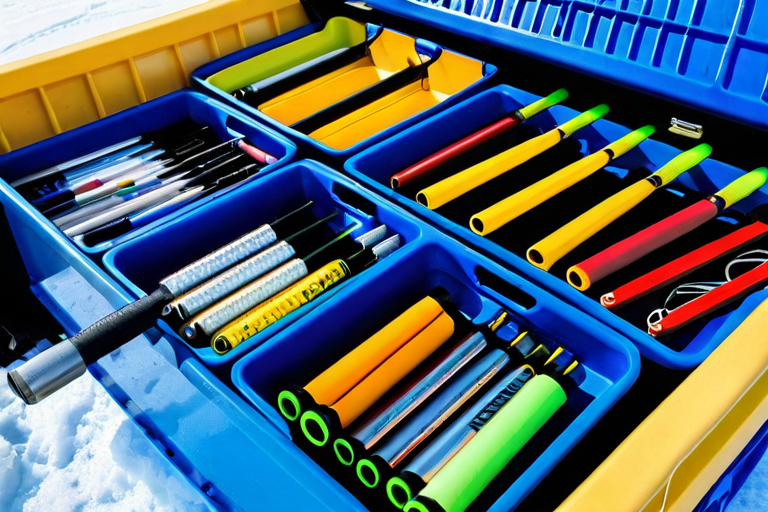
Properly organized gear maximizes efficiency and minimizes time spent searching for equipment.
Many anglers customize their sleds with DIY modifications. Popular additions include PVC rod holders, insulated beverage compartments, and LED light strips for early morning or late evening fishing. The Field & Stream community forum features extensive tutorials on these modifications, with members reporting 30-40% improvements in setup and breakdown times.
Safety Considerations and Maintenance
Ice fishing involves inherent risks, and your sled plays a crucial safety role. Always include these essentials:
- Ice picks worn around the neck for self-rescue
- Throw rope with floating capability
- First aid kit with chemical hand warmers
- Emergency blanket and signaling devices
Regular maintenance extends sled life significantly. After each use:
- Rinse with fresh water to remove salt and debris
- Inspect for cracks, especially along stress points
- Lubricate moving parts with silicone spray
- Store upside down to prevent deformation
The Minnesota Department of Natural Resources publishes annual ice safety guidelines emphasizing that properly equipped sleds contribute to safer ice fishing experiences by keeping essential safety gear immediately accessible.
Environmental Impact and Sustainable Practices
Modern ice fishing sled manufacturers increasingly prioritize sustainability. Many now use recycled plastics in their construction, and several companies offer lifetime warranties with repair programs that reduce waste. Anglers can further minimize environmental impact by:
- Choosing sleds made from recycled materials
- Participating in manufacturer take-back programs
- Avoiding disposable accessories in favor of reusable alternatives
- Properly disposing of old sleds at designated recycling centers
Research from the Conservation International indicates that outdoor equipment manufacturers adopting circular economy principles can reduce plastic waste by up to 70% compared to traditional linear production models.
Selecting Your Ideal Sled: A Decision Matrix
Consider these factors when choosing your ice fishing sled:
| Fishing Style | Recommended Sled Type | Key Features |
|---|---|---|
| Mobile Hole-Hopping | Lightweight Utility Sled | Under 15 lbs, minimal compartments, easy towing |
| All-Day Stationary Fishing | Flip-Over Shelter Sled | Integrated shelter, heater compatibility, ample storage |
| Multi-Angler Expeditions | Large Capacity Cargo Sled | 100+ liter capacity, multiple access points, reinforced towing |
Price ranges vary significantly, with basic models starting around $80 and premium systems exceeding $600. According to industry analysis from Ice Fishing Association, most recreational anglers find optimal value in the $150-$300 range, balancing durability with features.
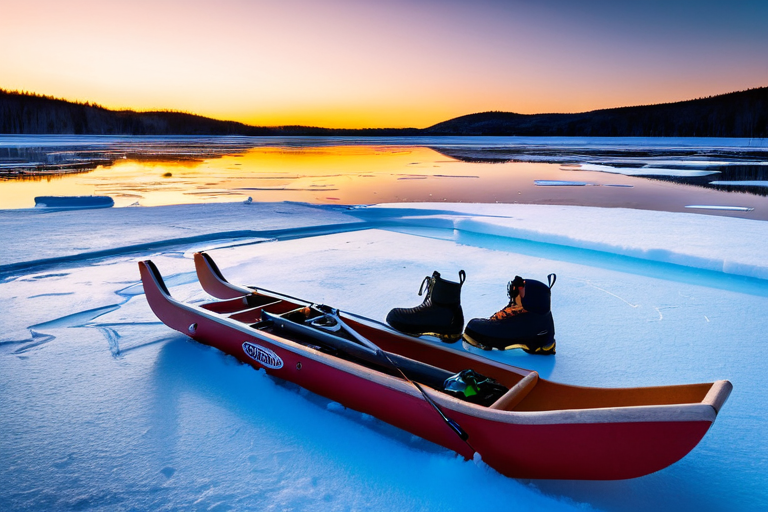
The perfect end to a successful ice fishing day with a loaded sled against a winter sunset.
Future Innovations and Trends
The ice fishing sled market continues to evolve with technological advancements. Emerging trends include:
- Smart Sleds: Integrated GPS tracking, Bluetooth connectivity for gear inventory, and solar-powered charging stations
- Advanced Materials: Carbon fiber composites for ultra-lightweight construction without sacrificing strength
- Modular Designs: Interchangeable components that allow customization for different fishing styles
- Electric Assist: Battery-powered tow systems that reduce physical strain during long hauls
Manufacturers are also focusing on improved ergonomics, with adjustable tow poles and weight distribution systems that reduce back strain. These innovations reflect the growing recognition of ice fishing as both a serious sport and a recreational pursuit enjoyed by millions worldwide.
Final Thoughts
An ice fishing sled is more than mere transportation—it's the organizational centerpiece of your winter fishing adventures. By selecting the right model for your needs, maintaining it properly, and packing it strategically, you'll enhance both your efficiency and enjoyment on the ice. Whether you're a seasoned veteran or a first-time ice angler, investing in a quality sled pays dividends in comfort, organization, and ultimately, fishing success.
Remember that the best sled is the one that matches your specific fishing style and local conditions. Visit reputable outdoor retailers, consult with experienced anglers, and consider renting different models before making your final decision. The frozen waters await, and with the right sled in tow, you're ready to make the most of every ice fishing opportunity.