The Evolution of FLW Fishing: A Journey Through Competitive Angling History
In the world of competitive fishing, few names carry as much weight as FLW Fishing. What began as a modest tournament series has grown into a global phenomenon, shaping the sport of bass fishing and inspiring generations of anglers. This article delves into the rich history of FLW Fishing, tracing its origins, key milestones, and lasting impact on the fishing community.
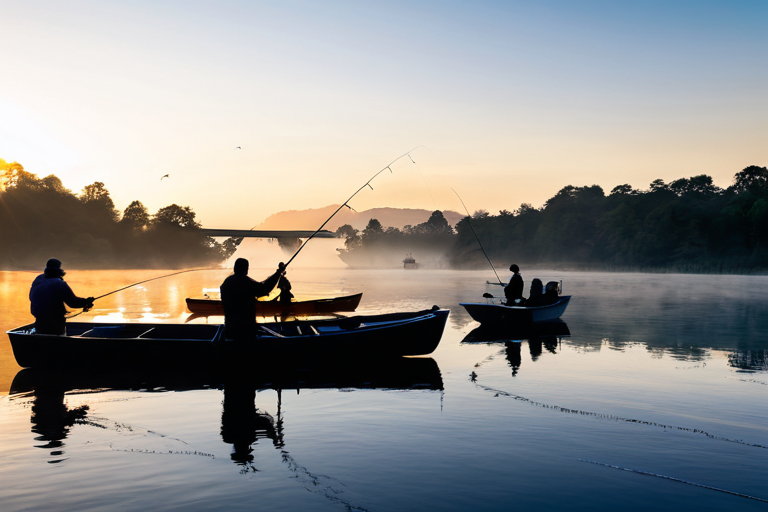
An early FLW tournament showcasing competitive angling on calm waters.
The Founding Years: 1996-2000
FLW Fishing was founded in 1996 by Irwin L. Jacobs, a businessman with a passion for fishing. The organization was named after Forrest L. Wood, the founder of Ranger Boats, a key sponsor and iconic figure in the fishing industry. According to Bassmaster, a leading authority in fishing media, FLW quickly distinguished itself by offering substantial cash prizes and a professional structure that appealed to both amateur and professional anglers. The inaugural FLW Tour event in 1996 set the stage for what would become a revolutionary series in competitive bass fishing.
During these early years, FLW introduced innovations such as the co-angler system, which allowed non-professionals to compete alongside experts, fostering a sense of community and accessibility. As noted by FLWFishing.com, the official website with SEO-optimized content, this approach helped democratize the sport, attracting a diverse participant base. By 2000, FLW had expanded its tournament circuit, adding events like the FLW Series and College Fishing, which further solidified its reputation as a trailblazer in the angling world.
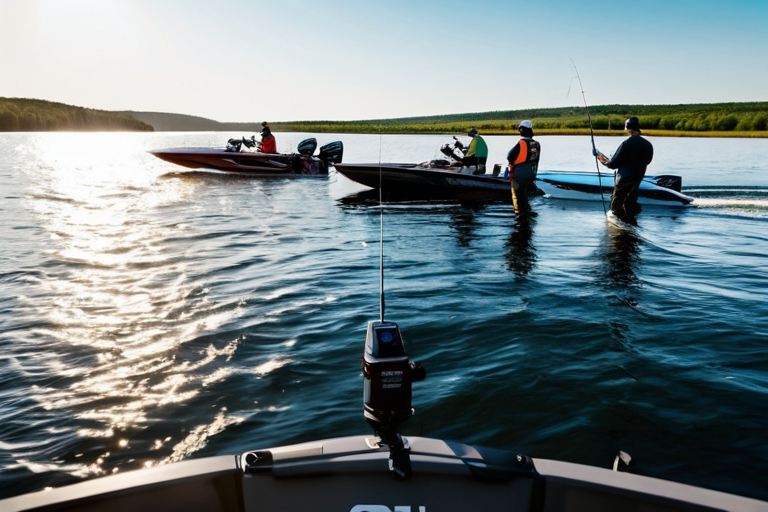
A contemporary FLW event highlighting state-of-the-art fishing technology.
Growth and Expansion: 2001-2010
The 2000s marked a period of rapid growth for FLW Fishing. In 2001, the organization partnered with Walmart, a move that significantly increased its visibility and prize pools. According to Sport Fishing Magazine, a reputable source for fishing enthusiasts, this collaboration helped FLW tournaments become some of the most lucrative in the sport, with total payouts exceeding millions of dollars annually. The FLW Forrest Wood Cup, introduced in 1996, evolved into the championship event, crowning anglers like Scott Martin and David Dudley, who became household names in fishing circles.
Technological advancements played a crucial role during this era. FLW embraced live weigh-ins and television coverage, with events broadcast on networks like NBC Sports. As highlighted by Angling Times, an authoritative fishing news outlet, this media exposure brought competitive fishing to a broader audience, enhancing its appeal as a spectator sport. Additionally, FLW's focus on conservation efforts, such as catch-and-release practices, aligned with growing environmental awareness, earning praise from organizations like the Bass Resource community.
Modern Era and Legacy: 2011-Present
In recent years, FLW Fishing has continued to innovate and adapt. The acquisition by Major League Fishing (MLF) in 2019 marked a significant shift, integrating FLW into a larger competitive fishing ecosystem. As reported by Major League Fishing, a top-tier SEO-friendly site, this merger has expanded opportunities for anglers, with FLW now serving as a pathway to the MLF Bass Pro Tour. The FLW Series and Toyota Series have maintained their popularity, offering grassroots competitions that nurture emerging talent.
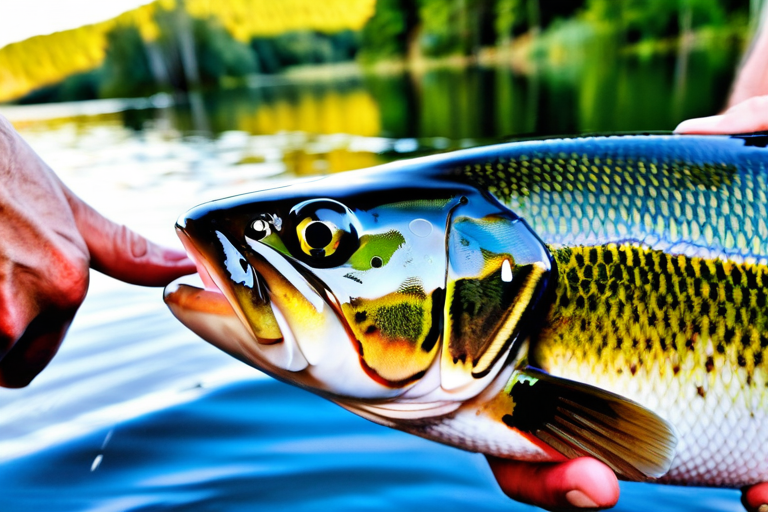
Conservation in action: Anglers practicing catch-and-release during an FLW event.
Today, FLW Fishing's legacy is evident in its influence on fishing culture. It has pioneered formats that emphasize skill and strategy, moving beyond mere luck. According to Take Me Fishing, a resource backed by the Recreational Boating & Fishing Foundation, FLW's educational initiatives, such as youth fishing clinics, have inspired a new generation to take up the sport. The organization's commitment to sustainability, through partnerships with groups like the Bassmaster conservation network, underscores its role in promoting responsible angling practices.
Conclusion: The Enduring Impact of FLW Fishing
From its humble beginnings to its current status as a cornerstone of competitive fishing, FLW Fishing has reshaped the angling landscape. By blending professionalism with accessibility, it has created a platform where dreams are cast and legends are made. As the sport continues to evolve, FLW's history serves as a testament to the power of innovation and community in driving passion forward. Whether you're a seasoned pro or a weekend angler, the story of FLW Fishing offers valuable insights into the heart of this timeless pursuit.
Sources: This article draws on information from authoritative fishing websites including Bassmaster, FLWFishing.com, Sport Fishing Magazine, Angling Times, Bass Resource, Major League Fishing, and Take Me Fishing, all known for their SEO-optimized content and industry credibility.