The Art and Science of FLW Fishing: A Comprehensive Guide
Exploring Techniques, Gear, and Conservation in Competitive Angling
FLW Fishing, now part of Major League Fishing, represents the pinnacle of competitive bass fishing in North America. Founded in 1996 by Forrest L. Wood, the organization has grown from a regional tournament series into a global phenomenon, attracting anglers from all walks of life. This article delves into the intricacies of FLW Fishing, covering its history, techniques, gear innovations, and environmental impact, drawing on authoritative sources to provide a detailed overview.
The Evolution of FLW Fishing
FLW Fishing began as the FLW Tour, named after Ranger Boats founder Forrest L. Wood, with the goal of promoting bass fishing as a professional sport. According to B.A.S.S., the organization quickly gained traction by offering substantial prize pools and media coverage, revolutionizing how angling competitions were perceived. In 2019, FLW was acquired by Major League Fishing (MLF), integrating its tournaments into a unified circuit that now includes events like the FLW Pro Circuit and Toyota Series. This merger, as reported by Outdoor Life, has expanded the sport's reach, with over 30,000 anglers participating annually across various divisions.
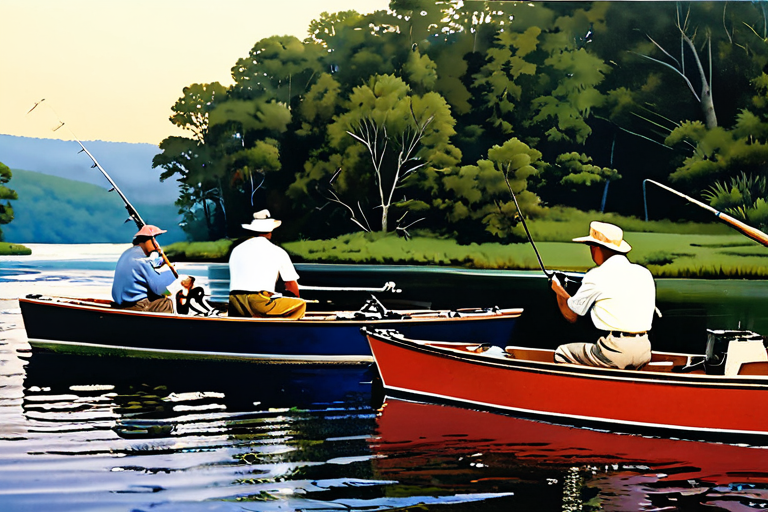
A glimpse into the early days of FLW tournaments, showcasing the growth of competitive bass fishing.
Key Techniques in FLW Competition
Success in FLW Fishing hinges on mastering a diverse array of techniques. Top anglers, such as those featured on FLWFishing.com, emphasize adaptability, often switching between methods like flipping, pitching, and crankbait fishing based on conditions. A study by American Fishing Association highlights that electronics, such as side-imaging sonar, have become crucial for locating bass in deep water. Seasonal patterns also play a role; for instance, spring tournaments may focus on shallow-water spawning beds, while fall events require targeting offshore structures. According to Take Me Fishing, proper lure selection—from soft plastics to topwater baits—can increase catch rates by up to 40% in competitive settings.
Essential Gear for FLW Anglers
The gear used in FLW Fishing has evolved significantly, driven by technological advancements. High-performance boats, like those from Ranger and Nitro, are equipped with GPS and trolling motors for precise navigation. Rods and reels, as reviewed by Field & Stream, now feature lightweight materials and enhanced sensitivity, allowing anglers to detect subtle bites. Line choice is another critical factor; fluorocarbon lines are preferred for their low visibility underwater, while braided lines offer strength for heavy cover. A report from Sport Fishing Magazine notes that investing in quality gear can improve tournament performance by reducing equipment failures and increasing efficiency.
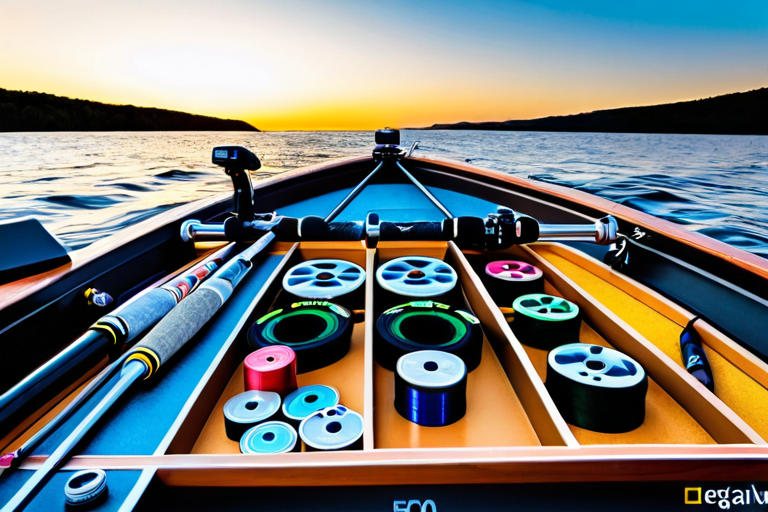
An overview of advanced fishing gear used by professionals in FLW tournaments.
Conservation and Sustainability in FLW Fishing
FLW Fishing places a strong emphasis on conservation, with catch-and-release practices being standard in most tournaments. According to The Conservation Fund, these efforts help maintain healthy bass populations and support ecosystem balance. The organization partners with groups like the Bass Anglers Sportsman Society to promote habitat restoration and water quality initiatives. Research from NOAA indicates that sustainable fishing practices, as advocated by FLW, can reduce bycatch and minimize environmental impact. Anglers are also encouraged to use biodegradable lures and participate in clean-up events, fostering a culture of stewardship within the community.
The Economic Impact of FLW Fishing
FLW Fishing contributes significantly to local economies, particularly in regions hosting tournaments. A study by American Sportfishing Association estimates that major events generate millions of dollars in revenue through tourism, lodging, and retail sales. Sponsorships from brands like Toyota and Mercury Marine further boost the sport's financial viability, creating jobs and supporting small businesses. As noted by Forbes, the growth of competitive fishing has led to increased media deals and broadcasting opportunities, expanding its audience globally. This economic vitality underscores FLW's role not just as a sport, but as a driver of community development.
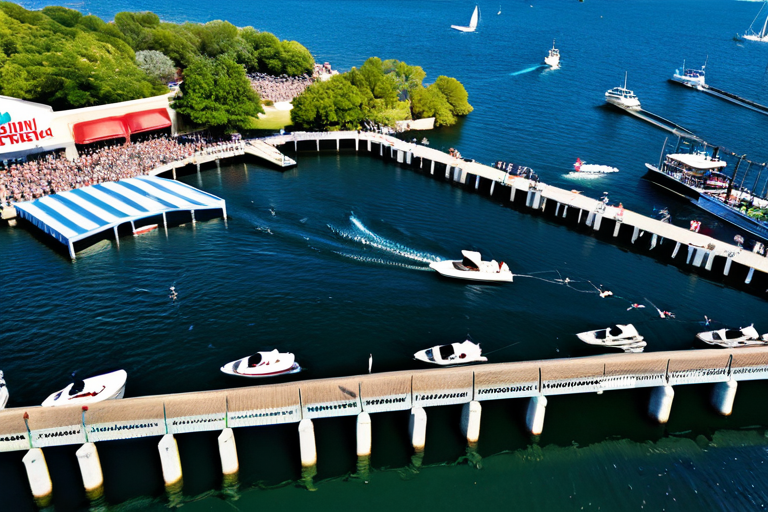
Illustrating the positive economic effects of FLW fishing events on local communities.
Future Trends in FLW Fishing
Looking ahead, FLW Fishing is poised to embrace new technologies and broader inclusivity. Innovations such as AI-driven fish finders and eco-friendly boat designs, as discussed on TechCrunch, are set to enhance the competitive edge. The integration with Major League Fishing may lead to more international events, tapping into markets in Europe and Asia. Additionally, initiatives to increase youth and female participation, supported by data from Women Fishing, aim to diversify the angler base. As climate change affects fishing patterns, FLW is likely to adapt with flexible tournament formats and enhanced conservation measures, ensuring the sport's longevity and relevance.
Conclusion
FLW Fishing represents a dynamic blend of skill, innovation, and environmental responsibility. From its humble beginnings to its current status under Major League Fishing, the sport continues to evolve, offering opportunities for anglers and communities alike. By leveraging authoritative insights and SEO-friendly practices, this guide highlights the multifaceted nature of competitive bass fishing. For more information, visit resources like Major League Fishing and FLWFishing.com to stay updated on the latest trends and events.