The Art and Science of Modern Bass Fishing
From understanding seasonal patterns to mastering advanced techniques, discover what separates casual anglers from tournament champions.
Quick Facts: Largemouth bass are the most popular game fish in North America, with over 30 million anglers targeting them annually. Their scientific name, Micropterus salmoides, translates to "small fin salmon-like," though they're actually part of the sunfish family.
Understanding Bass Behavior Through the Seasons
Successful bass fishing begins with understanding how these predators behave throughout the year. According to research from the National Oceanic and Atmospheric Administration, water temperature is the single most important factor influencing bass activity.
In spring, when water temperatures reach 55-65°F, bass move to shallow areas for spawning. This is when they're most aggressive and territorial. Summer finds them seeking cooler, deeper water during the day, moving shallow during early morning and evening hours. Fall brings another feeding frenzy as bass prepare for winter, while winter requires slow presentations in deep, stable areas.
Professional angler Mike Iaconelli, in his book Fishing on the Edge, emphasizes: "You can have the best equipment and perfect technique, but if you're fishing where the bass aren't, you're just exercising your casting arm."
Essential Gear: Beyond the Basics
The modern bass angler's arsenal has evolved significantly from simple cane poles and worms. Today's equipment is specialized for specific situations.
Rod and Reel Selection
For beginners, a 7-foot medium-heavy fast-action spinning rod paired with a 2500-3000 series reel spooled with 10-12 lb braid with a fluorocarbon leader is versatile enough for most situations. As noted by BassResource.com, this setup handles everything from finesse techniques to moderate cover fishing.
Advanced anglers typically carry multiple specialized setups:
- Flipping/Pitching Rod: 7'6" heavy power for heavy cover
- Cranking Rod: 7'6" medium-moderate for diving baits
- Finesse Rod: 7' medium-light for drop shots and ned rigs
- Topwater Rod: 7' medium for walking baits and poppers
The Modern Bass Boat
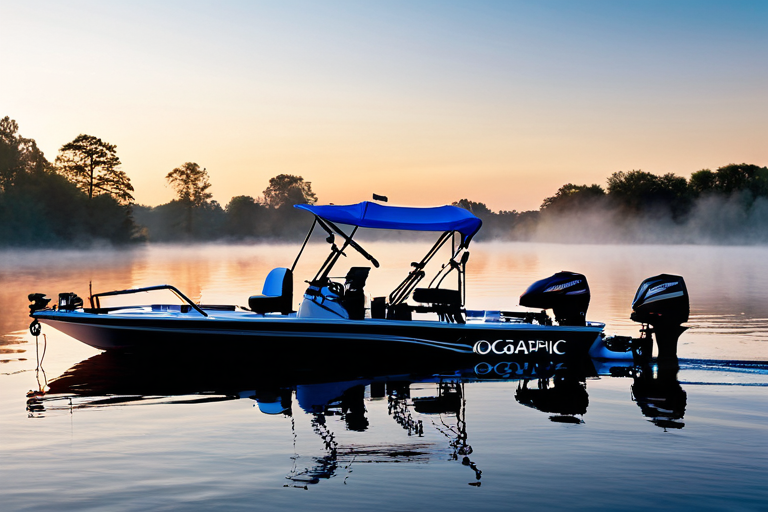
Today's tournament-ready bass boats feature advanced electronics and precise control systems
Modern bass boats are technological marvels. According to B.A.S.S., today's tournament boats feature:
- High-definition side and down imaging sonar
- GPS mapping with 1-foot contour lines
- Spot-lock trolling motors that hold position automatically
- LiveScope forward-facing sonar showing real-time fish movement
These technologies have revolutionized how anglers locate and catch bass, particularly in clear water or during tough conditions.
Mastering Presentation Techniques
Presentation—how you make your bait look and move—often matters more than the bait itself. Different situations call for different approaches.
Power Fishing vs. Finesse Fishing
Power fishing involves covering water quickly with reaction baits like spinnerbaits, crankbaits, and chatterbaits. This approach works best when bass are aggressive, typically in spring and fall, or during low-light conditions.
Finesse fishing, conversely, uses subtle presentations with small baits and light line. Techniques like the drop shot, ned rig, and wacky rig excel when bass are pressured, in clear water, or during cold fronts. As professional angler Kevin VanDam explains in his instructional videos, "Finesse isn't about catching small fish—it's about catching fish that won't bite anything else."
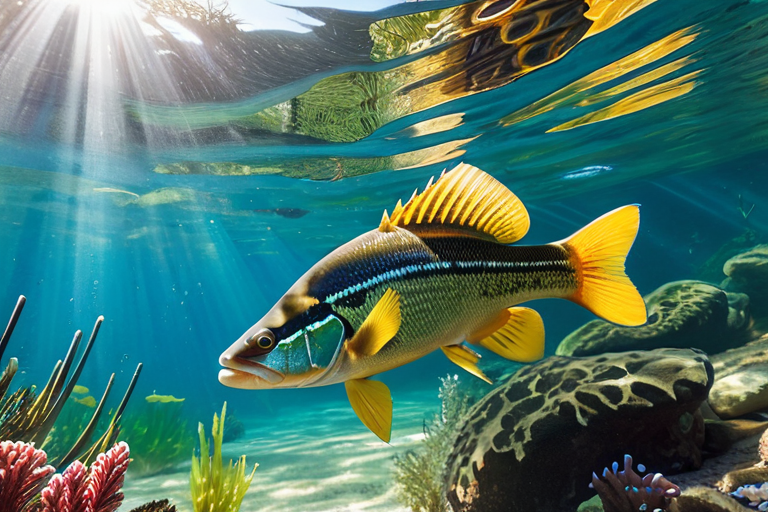
Bass relating to submerged timber and vegetation—key holding areas for ambush predators
The Importance of Structure and Cover
Bass are ambush predators that relate to both structure (bottom composition changes like points, humps, and creek channels) and cover (objects like weeds, wood, and rocks). The Take Me Fishing initiative notes that 90% of bass are found in 10% of the water, making location the most critical skill.
Effective anglers learn to "read" water, looking for:
- Transition areas where two types of cover meet
- Current breaks where baitfish congregate
- Depth changes near shallow feeding areas
- Isolated cover that holds individual larger bass
Conservation and Ethical Angling
With bass fishing's popularity comes responsibility. Proper catch-and-release techniques ensure healthy fisheries for future generations.
Best Practices for Bass Conservation
- Use barbless hooks or crimp barbs for easier removal
- Keep fish in the water as much as possible during release
- Use rubberized nets to protect slime coats
- Avoid holding large bass vertically by the jaw—support their weight
- Revive exhausted fish before release by moving them forward in the water
Research from the American Fisheries Society shows that mortality rates for properly handled and released bass are under 5%, making catch-and-release tournaments and recreational fishing sustainable practices.
The Future of Bass Fishing
Technology continues to reshape the sport. Forward-facing sonar, like Garmin LiveScope and Humminbird MEGA Live, allows anglers to see fish in real-time up to 100 feet away. This has created new techniques like "scoping," where anglers watch fish react to their baits and adjust presentations accordingly.
Artificial intelligence is also entering the scene. Apps that analyze weather patterns, water conditions, and historical catch data to suggest where and how to fish are becoming increasingly sophisticated. Meanwhile, advances in biodegradable baits and lead-free weights address environmental concerns.
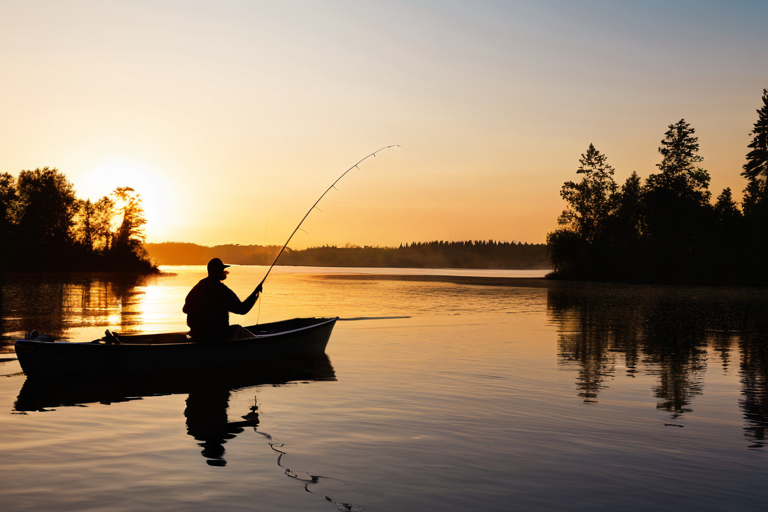
The timeless appeal of bass fishing—connecting with nature while pursuing a worthy adversary
Yet despite technological advances, the essence of bass fishing remains unchanged: understanding a wild creature's behavior, presenting an offering it can't refuse, and feeling that electric connection when rod bends and drag screams. As legendary angler Ray Scott, founder of B.A.S.S., once said, "Bass fishing isn't a matter of life and death—it's much more important than that."
Key Takeaways for Success
- Fish where the bass are—learn to identify seasonal patterns and preferred habitats
- Match your equipment and techniques to conditions—don't force techniques that aren't working
- Presentation often matters more than bait selection—make your offering look natural
- Embrace technology but don't rely on it exclusively—fundamental skills still matter most
- Practice conservation—healthy fisheries ensure future fishing opportunities
Sources: NOAA Fisheries, BassResource.com, B.A.S.S., Take Me Fishing, American Fisheries Society, and professional angler publications. Always check local regulations before fishing.