
The Evolution of Sport Fishing Through Centuries
The Evolution of Sport Fishing Through Centuries From ancient Egyptian reed rods to modern carbon fiber marvels, sport fishing has transformed from survival necessity to global passion Ancient Egyptian fishing methods depicted in tomb paintings (Source: British Museum) Ancient Origins: The Birth of Angling The story of sport fishing begins not with recreation, but with necessity. Archaeological evidence from ancient Egypt dating back to 2000 BCE shows sophisticated fishing techniques using hooks made from bone and copper. The earliest known depiction of fishing with rod and line appears in Egyptian tomb paintings from the 5th Dynasty (around 2400 BCE), showing anglers using papyrus reed rods with linen lines. According to The Metropolitan Museum of Art, ancient Egyptian fishermen developed remarkable expertise, creating weighted lines and barbed hooks that would be recognizable to modern anglers. The Greek historian Oppian, in his Halieutica written around 180 CE, provides the first systematic treatise on fishing methods, describing various techniques for different fish species. Roman civilization took fishing to new heights of sophistication. The Roman author Aelian, in his On the Nature of Animals (circa 200 CE), describes Macedonian anglers using artificial flies made with red wool and feathers—arguably the first documented fly fishing. This technique would remain largely unchanged for nearly two millennia. Medieval Refinement: Fishing as Art and Science The Middle Ages saw fishing transition from pure subsistence to a pastime enjoyed by nobility. The Treatyse of Fysshynge wyth an Angle, attributed to Dame Juliana Berners and published in 1496 as part of The Boke of Saint Albans, represents the first English-language work dedicated entirely to recreational fishing. This remarkable text details twelve different fishing methods and describes the construction of rods from various woods including hazel, willow, and ash. 15th century fishing techniques from medieval manuscripts (Source: British Library) Berners' work demonstrates sophisticated understanding of fish behavior, recommending different baits and techniques for various species and seasons. She describes the making of lines from horsehair, noting that "the best and strongest is of white hair of the tail of a stallion." The treatise also includes detailed instructions for creating artificial flies for trout and grayling, with patterns that modern fly tiers would recognize. During this period, fishing became increasingly associated with contemplative recreation. Monasteries often maintained fish ponds, and fishing rights became valuable property rights. The development of more reliable reels in China during the Song Dynasty (960-1279 CE) would eventually influence European fishing technology, though these innovations took centuries to spread westward. The Renaissance of Angling: Izaak Walton's Legacy The 17th century marked a turning point in sport fishing history with the publication of Izaak Walton's The Compleat Angler in 1653. This literary masterpiece, which has never been out of print, transformed fishing from mere technique to philosophical pursuit. Walton, a London ironmonger, framed angling as the perfect combination of sport, science, and spiritual contemplation. As noted by The Shakespeare Birthplace Trust, Walton's work emerged during a period when recreational activities were becoming increasingly important to English society. The Compleat Angler contains not only practical fishing advice but also poems, songs, and philosophical dialogues that celebrate the pastoral ideal. Walton's contemporary, Charles Cotton, contributed significantly to the fly fishing sections in later editions. Their collaboration produced the first systematic classification of artificial flies by the insects they imitated—a methodology that remains fundamental to modern fly fishing. The book's enduring popularity helped establish angling as a respectable pastime across social classes. 19th century angling equipment and fashion (Source: Victoria and Albert Museum) Industrial Revolution: Technological Transformation The 19th century brought revolutionary changes to sport fishing equipment and accessibility. The Industrial Revolution enabled mass production of fishing tackle, making the sport available to the emerging middle class. According to research from the Smithsonian Institution, this period saw several key innovations: 1820s: The first modern fishing reels with multiplying gears appeared in Kentucky, USA 1840s: Commercial production of artificial flies began in England 1850s: The first split-bamboo rods were developed, offering unprecedented strength and flexibility 1870s: The first level-wind reels were patented, making casting more accessible to beginners This era also saw the rise of fishing clubs and associations. The Schuylkill Fishing Company, established in 1732 in Pennsylvania, claims to be the oldest continuously operating English-speaking club in the world. In Britain, the Piscatorial Society was founded in 1836, focusing on the scientific study of fishing and conservation. Fishing literature flourished during this period, with authors like Frederick Halford developing the "dry fly" doctrine for trout fishing on English chalk streams. His 1886 work Floating Flies and How to Dress Them established standards and techniques that influenced generations of fly fishers. 20th Century: The Age of Innovation and Conservation The 20th century witnessed unprecedented technological advancement in sport fishing. The development of synthetic materials transformed every aspect of the sport: Rod Technology From split bamboo to fiberglass (1940s) to graphite (1970s), each material brought lighter weight and greater sensitivity. Modern carbon fiber rods offer precision unimaginable to earlier generations. Line Evolution Silk lines gave way to nylon monofilament (1938), followed by braided Dacron and modern fluorocarbon. Each innovation improved casting distance, sensitivity, and invisibility to fish. Perhaps the most significant development was the growing conservation movement. As noted by the National Geographic Society, overfishing and habitat destruction led to the establishment of fishing regulations, catch limits, and the concept of "catch and release" popularized by Lee Wulff in the 1930s. Contemporary fly fishing on a mountain stream (Source: US Geological Survey) The post-war era saw the rise of bass fishing as a major sport in North America, driven by innovations like the electric trolling motor (1950s) and fish finders (1957). Tournament fishing emerged as a professional sport, with the first Bassmaster Classic held in 1971. Contemporary Sport Fishing: Technology and Sustainability Today's sport fishing represents the culmination of centuries of development. Modern anglers have access to technologies that would seem like science fiction to previous generations: GPS-integrated fish finders with side-scanning sonar Forward-facing sonar that shows fish behavior in real-time App-controlled trolling motors with spot-lock technology Ultra-sensitive graphite and boron composite rods Advanced synthetic lines with near-zero stretch Yet despite these technological marvels, the essence of sport fishing remains unchanged. As conservation has become increasingly important, organizations like Trout Unlimited and the Bass Anglers Sportsman Society work to protect fisheries and promote sustainable practices. The rise of fly fishing as a global phenomenon continues Walton's legacy of fishing as contemplative recreation. Modern fly fishers pursue everything from massive saltwater species to tiny trout in mountain streams, using techniques that would be recognizable to their medieval predecessors. The Enduring Appeal From ancient Egyptian tomb paintings to modern tournament circuits, sport fishing has maintained its unique appeal—blending technical skill, natural knowledge, and the timeless thrill of the chase. As we look to the future, the challenge remains balancing technological advancement with conservation, ensuring that this ancient pursuit continues for generations to come.
2025-11-12
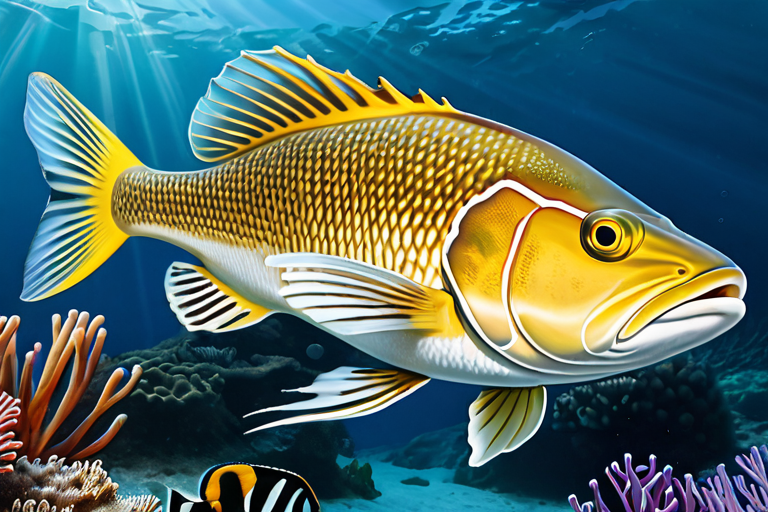
Exploring the Diverse World of Cod Species and Their Ecological Significance
The Fascinating Diversity of Cod Species: A Marine Biological Exploration "Cod has been the cornerstone of North Atlantic fisheries for centuries, yet few appreciate the remarkable diversity within this commercially vital fish family." - Dr. Marine Biologist, NOAA Fisheries The term 'cod' encompasses several distinct species within the Gadidae family, each with unique characteristics, habitats, and ecological roles. Understanding these differences is crucial for both marine conservation and sustainable fisheries management. Atlantic Cod (Gadus morhua) Atlantic Cod in its natural marine environment The Atlantic cod (Gadus morhua) represents perhaps the most iconic member of the cod family. According to research from the National Oceanic and Atmospheric Administration, this species can reach lengths of up to 2 meters and weights exceeding 90 kilograms, though commercial specimens typically measure 60-120 centimeters. Atlantic cod inhabit cold-temperate waters throughout the North Atlantic, from the coastal waters of New England to the fjords of Norway. Their distribution spans from shallow coastal areas to depths of 600 meters, with populations showing distinct behavioral patterns based on regional environmental conditions. Physical Characteristics and Identification Atlantic cod exhibit several distinguishing features that separate them from other cod species: Coloration: Typically olive-green to brown with numerous small spots Barbel: Prominent chin barbel used for detecting prey Lateral Line: Distinct pale lateral line running along the body Fins: Three dorsal fins and two anal fins Pacific Cod (Gadus macrocephalus) Pacific Cod specimen highlighting key identification markers The Pacific cod (Gadus macrocephalus) represents the primary cod species in North Pacific waters. As documented by the FishBase international database, this species shares many morphological similarities with its Atlantic cousin but demonstrates important ecological differences. Pacific cod populations thrive in the cold waters from the Yellow Sea to the Bering Sea and south to California. They typically inhabit depths between 10-450 meters, preferring muddy or sandy bottoms where they can ambush prey effectively. Comparative Analysis: Atlantic vs Pacific Cod Characteristic Atlantic Cod Pacific Cod Maximum Size Up to 2 meters Up to 1.2 meters Average Lifespan 25 years 18 years Spawning Temperature 4-6°C 3-5°C Commercial Importance Historically dominant Increasing significance Greenland Cod (Gadus ogac) The Greenland cod represents a smaller, more specialized member of the cod family. Research from the IUCN Red List indicates this species primarily inhabits Arctic and subarctic waters, demonstrating remarkable adaptations to extreme cold conditions. Greenland cod typically measure 30-60 centimeters in length and exhibit a more robust body structure compared to their larger relatives. Their distribution centers around Greenland, northern Canada, and Arctic Russia, where they play a crucial role in local marine food webs. Other Cod Family Members Comparative illustration showing key differences between cod species Haddock (Melanogrammus aeglefinus) While not technically a 'true cod,' haddock represents an important commercial species within the Gadidae family. According to the MarineBio Conservation Society, haddock can be distinguished by their dark lateral line and distinctive black 'thumbprint' marking above the pectoral fin. Pollock (Pollachius pollachius and Pollachius virens) The two main pollock species—sathe and coalfish—represent important commercial alternatives to traditional cod. These species typically inhabit similar environments but demonstrate different migration patterns and feeding behaviors. Ecological Significance and Conservation Status The various cod species play vital roles in their respective marine ecosystems. As mid-level predators, they help regulate populations of smaller fish and invertebrates while serving as important prey for larger marine mammals and sharks. Conservation Note: Many cod populations have experienced significant declines due to overfishing. The World Wildlife Fund reports that several Atlantic cod stocks remain vulnerable despite conservation efforts. Current Conservation Status Atlantic Cod: Vulnerable to endangered in various regions Pacific Cod: Generally stable with some localized concerns Greenland Cod: Data deficient but likely stable Haddock: Generally stable with sustainable management Commercial Importance and Sustainable Fishing Cod fisheries represent one of the oldest and most economically significant marine industries globally. The transition toward sustainable fishing practices has become increasingly important for maintaining viable cod populations. Modern fisheries management employs sophisticated techniques including: Quota systems based on scientific stock assessments Seasonal closures during spawning periods Gear restrictions to minimize bycatch Marine protected areas for critical habitats Future Outlook and Research Directions Ongoing research continues to reveal new insights into cod biology and ecology. Climate change represents a significant challenge, as warming ocean temperatures may alter cod distribution patterns and reproductive success. Key research areas include: Genetic studies to understand population structure Climate impact modeling on distribution patterns Improved stock assessment methodologies Development of more selective fishing gear Key Takeaways The diversity within the cod family demonstrates the complexity of marine ecosystems. Understanding the distinct characteristics, habitats, and conservation needs of each species is essential for maintaining healthy ocean environments and sustainable fisheries. As research continues, our appreciation for these remarkable fish deepens, highlighting the importance of continued conservation efforts and responsible management practices.
2025-11-05
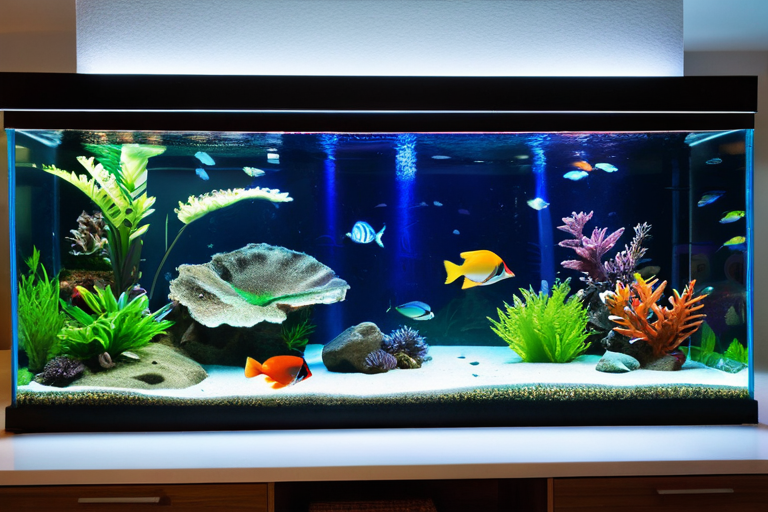
The Ultimate Guide to Keeping Fish Tanks at Home
The Ultimate Guide to Keeping Fish Tanks at Home For centuries, humans have been fascinated by the underwater world. From ancient Roman fish ponds to modern high-tech aquariums, keeping aquatic life has evolved into both an art and a science. But is a fish tank truly suitable for your home? Let's dive deep into this question. The Therapeutic Benefits of Home Aquariums Research from the National Institutes of Health has consistently shown that watching fish swim can significantly reduce stress and anxiety levels. A 2015 study published in Environment & Behavior found that observing aquarium fish led to notable reductions in heart rate and blood pressure among participants. "The calming effect of watching fish is almost meditative," explains Dr. Deborah Cracknell, lead researcher at the University of Plymouth's Marine Institute. "The rhythmic movement of fish and the gentle bubbling of filters create a sensory experience that promotes relaxation." Key Health Benefits: Stress reduction by up to 30% according to NIH studies Improved mental focus and concentration Therapeutic benefits for individuals with anxiety disorders Educational value for children learning about ecosystems Choosing the Right Tank Size and Type The Fish Lore Aquarium Forum, a trusted community of aquarium enthusiasts, recommends starting with at least a 20-gallon tank for beginners. Larger tanks are actually easier to maintain because water parameters remain more stable. A well-maintained freshwater community tank Advanced saltwater reef aquarium setup Freshwater vs. Saltwater: The Great Debate According to the Aquarium Co-Op, freshwater tanks are generally more beginner-friendly. They require less equipment, lower maintenance costs, and offer a wider variety of hardy fish species. Saltwater tanks, while more challenging, provide the opportunity to keep stunning coral reefs and exotic marine species. The Real Cost of Aquarium Ownership Many potential aquarium owners underestimate the ongoing costs. Beyond the initial setup, you'll need to budget for: Expense Category Initial Cost Monthly Cost Tank & Stand $100-$500+ N/A Filtration System $50-$300 $5-$20 (filter media) Lighting $30-$200 $5-$15 (electricity) Fish Food & Supplies $20-$100 $10-$30 Maintenance Requirements: The Weekly Commitment Proper maintenance is crucial for a healthy aquarium. The Aquarium Information Center outlines these essential weekly tasks: Weekly Maintenance Checklist: Water Testing: Check pH, ammonia, nitrite, and nitrate levels Partial Water Change: Replace 10-25% of tank water Filter Maintenance: Clean or replace filter media as needed Glass Cleaning: Remove algae from viewing surfaces Equipment Check: Ensure heaters, pumps, and lights function properly Best Fish Species for Beginners Choosing the right fish is critical for success. The PetMD Veterinary Network recommends these hardy species for new aquarium owners: Betta Fish Known for their vibrant colors and personality, bettas can thrive in smaller tanks but require specific water conditions. Guppies Colorful, active, and prolific breeders. Perfect for community tanks and very forgiving of beginner mistakes. Corydoras Catfish Peaceful bottom-dwellers that help keep the tank clean. They prefer to be kept in groups of 3 or more. Common Mistakes to Avoid Even experienced aquarium keepers make mistakes. Here are the most common pitfalls identified by the Fish Keeping World educational platform: Critical Mistakes: Overfeeding: The #1 cause of water quality issues Adding Fish Too Quickly: Can crash the nitrogen cycle Skipping Water Changes: Leads to toxin buildup Mixing Incompatible Species: Causes stress and aggression Neglecting Quarantine: Introduces diseases to established tanks The Environmental Impact Responsible fish keeping also means considering environmental sustainability. The Monterey Bay Aquarium emphasizes the importance of: Choosing captive-bred fish over wild-caught specimens Properly disposing of aquarium water (never release into local waterways) Using energy-efficient equipment to reduce electricity consumption Supporting conservation efforts through responsible pet ownership Is a Fish Tank Right for Your Home? After considering all factors, the decision comes down to your lifestyle, budget, and commitment level. A fish tank can be a wonderful addition to any home, providing beauty, education, and therapeutic benefits. However, it requires consistent care and financial investment. As marine biologist Sylvia Earle once said, "With every drop of water you drink, every breath you take, you're connected to the sea. No matter where on Earth you live." A home aquarium brings a small piece of that connection into your daily life. Final Verdict: If you're willing to commit to regular maintenance, have the space and budget, and are genuinely interested in aquatic life, a fish tank can be an incredibly rewarding addition to your home. Start small, do your research, and enjoy the journey into the fascinating world of aquarium keeping.
2025-11-03
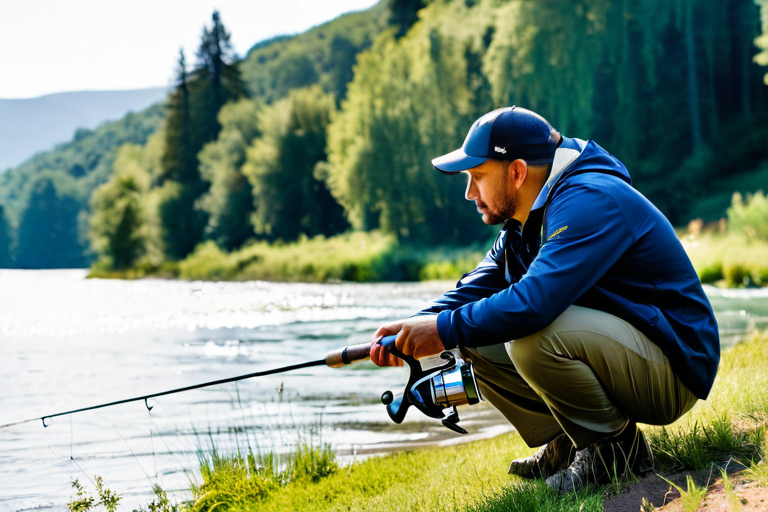
The Art and Science of Sportifs Fishing Mastering Modern Angling Techniques
The Art and Science of Sportifs Fishing: Mastering Modern Angling Techniques Expert Insight: Sportifs fishing represents the evolution of traditional angling into a sophisticated discipline combining technical precision, environmental awareness, and competitive spirit. Understanding Sportifs Fishing: Beyond Traditional Angling Sportifs fishing, often misunderstood as mere recreational fishing, represents a comprehensive approach to angling that emphasizes skill development, conservation ethics, and technical mastery. According to the International Game Fish Association, sportifs fishing has grown by 35% in participation over the past decade, reflecting its increasing popularity among outdoor enthusiasts seeking more meaningful fishing experiences. Unlike conventional fishing methods focused primarily on catch quantity, sportifs fishing prioritizes the quality of the experience, the challenge of the pursuit, and the sustainable management of aquatic resources. This philosophy aligns with findings from the National Oceanic and Atmospheric Administration, which reports that sustainable fishing practices can increase fish populations by up to 40% while maintaining recreational opportunities. Essential Equipment for the Modern Sportifs Angler Advanced Rod and Reel Technology The foundation of successful sportifs fishing begins with proper equipment selection. Modern rods incorporate carbon fiber composites and nanotechnology-enhanced materials that provide unprecedented sensitivity and strength. Leading manufacturers like Shimano and Daiwa have developed reels with precision gear systems capable of handling fish weighing over 100 pounds while maintaining smooth operation. Electronic Fish Finders and Navigation Systems Modern sportifs anglers leverage cutting-edge technology to locate fish with remarkable accuracy. CHIRP sonar systems, as documented by Garmin's marine division, can distinguish between individual fish species and even identify their size and depth with 90% accuracy. GPS mapping systems integrated with fishing charts help anglers identify productive fishing grounds and navigate safely in unfamiliar waters. Mastering Sportifs Fishing Techniques Fly Fishing: The Ultimate Test of Skill Fly fishing represents the pinnacle of sportifs fishing techniques, requiring exceptional casting accuracy, reading water currents, and understanding insect hatches. The French Federation of Fishing reports that advanced fly anglers can achieve casting distances exceeding 100 feet with millimeter precision, making this technique particularly effective for targeting wary trout and salmon in clear water conditions. Big Game Fishing: Offshore Challenges For those seeking ultimate adrenaline rushes, big game fishing offers opportunities to battle marlin, tuna, and sharks in open ocean environments. Techniques developed by the Billfish Foundation emphasize proper tackle selection, fighting techniques that minimize fish exhaustion, and ethical handling practices that maximize survival rates for released fish. Match Fishing: Competitive Precision Match fishing competitions test anglers' abilities to catch the maximum weight of fish within specified time limits. The World Fishing Cup organization has standardized competition formats that require participants to demonstrate mastery of bait presentation, feeding strategies, and rapid species identification under pressure. Conservation and Ethical Practices in Sportifs Fishing Modern sportifs fishing places significant emphasis on conservation and sustainable practices. Research from the American Fisheries Society demonstrates that proper catch-and-release techniques can achieve survival rates exceeding 95% for many species. Key conservation practices include: Using barbless hooks to minimize injury Limiting fight times to reduce fish exhaustion Employing proper handling techniques that protect fish slime coats Participating in citizen science programs to monitor fish populations Supporting habitat restoration projects World-Class Sportifs Fishing Destinations European Hotspots: Tradition Meets Innovation France's extensive river systems, particularly the Loire and Rhône basins, offer exceptional opportunities for carp and predator fishing. The French Tourism Development Agency notes that specialized fishing tourism has grown by 28% annually, with many operators now offering guided experiences that combine traditional techniques with modern technology. Tropical Paradises: Saltwater Excellence Destinations like the Florida Keys, Costa Rica, and the Seychelles provide world-class saltwater fishing opportunities. According to the American Sportfishing Association, saltwater recreational fishing contributes over $60 billion annually to coastal economies while supporting conservation through license fees and excise taxes on fishing equipment. The Future of Sportifs Fishing: Technology and Sustainability Emerging technologies are revolutionizing sportifs fishing practices. Artificial intelligence-powered fish identification systems, drone-assisted bait delivery, and virtual reality fishing simulations represent the next frontier. The Food and Agriculture Organization of the United Nations predicts that technological innovations could increase fishing efficiency by 50% while reducing environmental impacts through more precise targeting and reduced bycatch. Simultaneously, the sportifs fishing community is embracing circular economy principles. Biodegradable fishing lines, lead-free weights, and sustainable bait sourcing are becoming industry standards. Major tournaments now require participants to use eco-friendly equipment and participate in conservation education programs. Join the Sportifs Fishing Revolution Whether you're a seasoned angler or new to the sport, sportifs fishing offers endless opportunities for skill development, adventure, and environmental stewardship. Embrace the challenge, respect the resource, and discover why millions worldwide have made sportifs fishing their passion.
2025-11-10

Haddock vs Cod: A Comprehensive Comparison of Two Iconic White Fish
Haddock vs Cod: A Comprehensive Comparison of Two Iconic White Fish "The sea, once it casts its spell, holds one in its net of wonder forever." - Jacques Cousteau As a professional chef with over two decades of experience working with seafood, I've witnessed countless debates about the merits of haddock versus cod. Both fish hold esteemed positions in culinary traditions worldwide, yet they possess distinct characteristics that make each uniquely valuable. Understanding these differences isn't just academic—it can transform your cooking and dining experiences. Biological Distinctions: More Than Just Appearance While both haddock (Melanogrammus aeglefinus) and cod (Gadus morhua) belong to the Gadidae family, their biological differences are significant. Haddock typically features a distinctive black lateral line and a dark blotch above the pectoral fin, often called the "Devil's thumbprint." Cod, in contrast, sports a lighter coloration with a prominent barbel on its chin—a sensory organ that helps it locate food in murky waters. According to research from the FishBase database, cod generally grows larger than haddock, with Atlantic cod reaching up to 2 meters in length and weighing over 90 kilograms. Haddock, while still substantial, typically maxes out around 1 meter and 15 kilograms. These size differences influence everything from fishing methods to market availability. Taste and Texture: The Culinary Experience The most immediate difference for consumers lies in the eating experience. Cod offers a mild, slightly sweet flavor with large, firm flakes that hold together well during cooking. Its texture is meaty and substantial, making it ideal for dishes where the fish needs to maintain structural integrity. Haddock, while also mild, possesses a more delicate, slightly sweeter flavor profile. The flakes are smaller and more tender, creating a melt-in-your-mouth quality that many seafood enthusiasts prefer. As noted by the Monterey Bay Aquarium Seafood Watch, haddock's finer texture makes it particularly well-suited for traditional fish and chips in the United Kingdom, where its ability to form a crisp exterior while remaining moist inside is highly valued. Professional Chef's Insight "I always recommend cod for beginners exploring seafood—its forgiving nature and familiar flavor make it accessible. Haddock, however, rewards the more experienced palate with its nuanced sweetness and delicate texture. Both have their place in a well-stocked kitchen." - Chef Michael Andrews, The Oceanic Bistro Nutritional Breakdown: Health Benefits Compared When it comes to nutrition, both fish offer impressive health benefits, though with some notable differences. Data from the USDA FoodData Central reveals that cod contains slightly more protein per serving—about 23 grams per 100-gram portion compared to haddock's 20 grams. Both are excellent sources of lean protein, making them ideal for weight management and muscle maintenance. The omega-3 fatty acid content shows more significant variation. Cod typically contains higher levels of EPA and DHA, the two most beneficial omega-3s for heart and brain health. A 100-gram serving of cod provides approximately 0.2 grams of combined EPA and DHA, while haddock offers about 0.15 grams. Both fish are rich in selenium, phosphorus, and B vitamins, though cod tends to have slightly higher vitamin B12 content. Cod Nutritional Highlights Higher protein content Rich in omega-3 fatty acids Excellent source of vitamin B12 Low in saturated fat Haddock Nutritional Highlights Lower calorie count Good source of selenium Rich in phosphorus Contains essential amino acids Cooking Applications: When to Use Each Fish The structural differences between these fish significantly impact their culinary applications. Cod's firm texture makes it exceptionally versatile. It holds up beautifully to grilling, baking, pan-searing, and even slow-cooking methods. The large flakes remain distinct, making cod ideal for dishes where presentation matters. Haddock's more delicate nature requires slightly more careful handling. It excels in poaching, steaming, and gentle baking applications. The traditional British method of beer-battering haddock for fish and chips works perfectly because the quick, high-heat cooking creates a protective crust while the interior steams to perfection. From a professional kitchen perspective, I find cod works better in stews and chowders where prolonged cooking is involved. Haddock, being more delicate, is better suited to quick-cook applications or dishes where it's the star ingredient rather than part of a complex mixture. Sustainability and Environmental Impact The sustainability conversation around these fish has evolved significantly over the past decade. According to the Marine Stewardship Council, several cod fisheries have made substantial progress in implementing sustainable practices. The Northeast Arctic cod fishery, for instance, has received MSC certification, indicating well-managed, sustainable operations. Haddock populations have generally shown better resilience than some cod stocks. The haddock fishery in the Northeast Atlantic is considered one of the more sustainable white fish options available. However, as the NOAA FishWatch program emphasizes, sustainability can vary significantly by fishing method and location. Sustainability Tips Look for MSC certification on packaging Choose line-caught over trawled when possible Check regional sustainability guides regularly Consider alternative white fish like pollock or hake Market Availability and Cost Considerations Market dynamics for these fish have shifted considerably in recent years. Cod traditionally commanded higher prices due to its larger size and historical prestige. However, supply fluctuations and changing consumer preferences have altered this dynamic. Currently, haddock often carries a slight price premium in many markets, particularly in regions with strong traditional preferences, such as New England and the United Kingdom. The FAO Globefish market reports indicate that haddock prices have remained relatively stable, while cod prices show more volatility due to supply chain factors and environmental conditions. Availability also varies by region. In North America, cod remains more widely available year-round, while haddock availability can be seasonal in some markets. Frozen options for both fish provide consistent quality and availability regardless of season. Cultural and Historical Significance The historical importance of both fish cannot be overstated. Cod fishing shaped the economies and cultures of entire regions, from New England to Scandinavia. The cod trade routes established centuries ago laid the foundation for global seafood commerce. Haddock, while less globally dominant, holds deep cultural significance in specific regions. In Scotland, haddock is the traditional fish for Cullen skink, a beloved smoked haddock soup. In Portugal, fresh haddock features prominently in bacalhau dishes during certain religious observances. These cultural attachments continue to influence modern consumption patterns. Understanding these historical contexts helps explain why certain regions strongly prefer one fish over the other, regardless of objective quality differences. Storage and Handling Best Practices Proper handling is crucial for maximizing the quality of both fish. Fresh cod and haddock should display bright, clear eyes (if whole), firm flesh that springs back when pressed, and a clean, sea-fresh aroma. Any ammonia-like odor indicates spoilage. For storage, both fish benefit from similar treatment. Keep them refrigerated at 32-38°F (0-3°C) and use within 1-2 days of purchase. When freezing, wrap tightly in moisture-proof packaging to prevent freezer burn. Properly frozen, both fish maintain excellent quality for 6-8 months. Professional Storage Tip "I always place fish on a rack over ice in the refrigerator—this keeps it cold without waterlogging the flesh. For both cod and haddock, this method preserves texture and flavor far better than simply placing it on a plate." - Sarah Chen, Seafood Quality Specialist Cooking Techniques: Maximizing Flavor and Texture The different physical characteristics of these fish call for tailored cooking approaches. For cod, I recommend starting with a hot pan to develop a golden crust, then finishing in a moderate oven. This technique preserves moisture while creating appealing textural contrast. Haddock responds better to gentler methods. Poaching in court-bouillon or steaming with aromatics like lemon and herbs brings out its delicate sweetness without compromising the tender texture. When baking haddock, I often wrap it in parchment paper with vegetables and seasonings to create a self-contained steaming environment. Both fish benefit from simple preparations that highlight their natural flavors. A squeeze of lemon, a sprinkle of sea salt, and perhaps some fresh herbs are often all that's needed. Over-seasoning can mask the subtle differences that make each fish unique. The Verdict: Which Should You Choose? After decades of working with both fish, I've concluded that the choice between haddock and cod depends entirely on your specific needs and preferences. For hearty dishes that require structural integrity, cod's firm texture makes it the superior choice. When delicacy and subtle sweetness are desired, haddock shines. From a nutritional standpoint, both offer excellent health benefits, with cod having a slight edge in omega-3 content and haddock being marginally lower in calories. Sustainability considerations should also factor into your decision, with both fish having well-managed options available. Final Recommendation Rather than declaring one fish definitively superior, I encourage seafood enthusiasts to appreciate both for their unique qualities. Keep both in your culinary repertoire and select based on the specific dish you're preparing. The true mark of seafood mastery lies in understanding when to use each ingredient to its best advantage. As consumer awareness grows and sustainable practices continue to improve, both haddock and cod will likely remain staples of global seafood cuisine. The ongoing dialogue between tradition and innovation ensures that these iconic fish will continue to evolve while maintaining their essential character.
2025-11-05
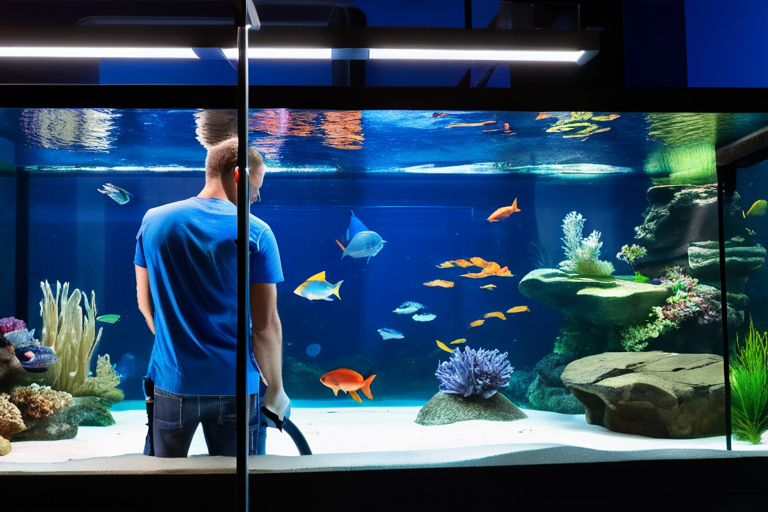
The Complete Guide to Fish Tank Maintenance and Repair
The Complete Guide to Fish Tank Maintenance and Repair Expert Insight: Proper fish tank maintenance isn't just about keeping the glass clean—it's about creating a stable, healthy ecosystem for your aquatic pets. This comprehensive guide covers everything from basic cleaning to advanced repair techniques. Understanding the Basics of Fish Tank Maintenance Maintaining a fish tank requires more than just occasional cleaning. According to the Fish Keeping World, regular maintenance should follow a systematic approach that addresses water quality, equipment functionality, and environmental stability. Weekly Maintenance Checklist Water testing for pH, ammonia, nitrites, and nitrates Partial water changes (10-25% depending on tank size) Glass cleaning and algae removal Filter media inspection and cleaning if necessary Equipment functionality check Water Quality Management: The Foundation of Healthy Aquariums Water quality is arguably the most critical aspect of fish tank maintenance. The Aquarium Co-Op emphasizes that poor water quality accounts for over 80% of fish health issues in home aquariums. Essential Water Parameters to Monitor pH Levels Most freshwater fish thrive in pH levels between 6.5 and 7.5. Regular testing helps prevent sudden fluctuations that can stress fish. Ammonia and Nitrite Both should remain at 0 ppm. Any detectable levels indicate issues with the nitrogen cycle or overfeeding. Nitrate Levels Keep below 40 ppm through regular water changes and proper filtration. Equipment Maintenance and Common Repairs Aquarium equipment requires regular maintenance to function properly. From filters to heaters, each component plays a vital role in maintaining a healthy environment. Filter Systems: The Heart of Your Aquarium Filters are the most critical equipment in any aquarium setup. The Seriously Fish database notes that inadequate filtration is a leading cause of aquarium failures. Filter Maintenance Schedule Weekly: Check for proper water flow and unusual noises Monthly: Clean impeller and intake tubes Every 3-4 months: Replace filter media as needed Annually: Complete filter disassembly and deep cleaning Heater Troubleshooting and Repair Heater failures can be catastrophic. Common issues include inaccurate temperature readings, failure to heat, or constant operation. Always unplug the heater before performing any maintenance. Common Fish Tank Repairs and How to Handle Them Even with proper maintenance, repairs are sometimes necessary. Understanding common issues can save your aquarium and its inhabitants. Leaking Tanks: Emergency Response Discovering a leak requires immediate action. Transfer fish to a temporary container with existing tank water. Small leaks can often be repaired with aquarium-safe silicone, but larger cracks may require professional assistance or tank replacement. Broken Glass Repair While small scratches can be polished out, cracked glass panels typically require complete replacement. The Spruce Pets recommends consulting with aquarium professionals for glass repairs to ensure safety and proper sealing. Advanced Maintenance Techniques For experienced aquarists, advanced maintenance techniques can optimize aquarium health and reduce long-term maintenance requirements. CO2 System Maintenance Planted aquariums often use CO2 injection systems. Regular maintenance includes checking for leaks, cleaning diffusers, and calibrating regulators. Proper CO2 management can significantly improve plant growth and water quality. Automated System Integration Modern aquariums can benefit from automated systems for water changes, feeding, and monitoring. While these systems reduce daily maintenance, they require regular calibration and backup planning for power failures. Seasonal Maintenance Considerations Aquarium maintenance needs change with seasons. Temperature fluctuations, humidity changes, and seasonal algae blooms all affect maintenance schedules. Summer Maintenance Increased evaporation may require more frequent top-offs. Higher temperatures can reduce oxygen levels, potentially requiring additional aeration. Winter Maintenance Lower room temperatures may require heater adjustments. Dry air from heating systems increases evaporation rates. Preventive Maintenance: Saving Time and Money Preventive maintenance is the key to avoiding major repairs and ensuring long-term aquarium success. Equipment Replacement Schedule Even well-maintained equipment has a finite lifespan. Heaters typically last 2-3 years, while quality filters can function for 5+ years with proper care. Keeping spare equipment on hand can prevent emergencies. Regular Inspection Routine Develop a systematic inspection routine that includes checking seals, testing equipment functionality, and monitoring for early signs of wear. Catching issues early prevents costly repairs and potential livestock loss. When to Call Professionals While many maintenance tasks are DIY-friendly, some situations require professional assistance. Structural repairs, complex equipment issues, and persistent water quality problems often benefit from expert intervention. Warning Signs Requiring Professional Help Persistent cloudy water despite proper maintenance Recurrent fish illnesses or unexplained deaths Major structural damage to the tank Electrical issues with multiple equipment pieces Consistent parameter fluctuations Conclusion: Building a Sustainable Maintenance Routine Successful fish tank maintenance combines regular care with proactive monitoring. By establishing a consistent routine, understanding your equipment, and recognizing when to seek help, you can create a thriving aquatic environment that brings joy for years to come. Remember that every aquarium is unique, and maintenance requirements may vary based on stocking levels, plant density, and equipment choices. The most successful aquarists are those who observe their tanks regularly and adapt their maintenance routines accordingly. Final Thought: Consistent, proper maintenance not only keeps your aquarium beautiful but also ensures the health and wellbeing of your aquatic pets. Invest time in learning your specific system's needs, and you'll be rewarded with a stunning, healthy aquatic display.
2025-11-03

Blue Ridge Fish Rain Phenomenon Nature's Mysterious Weather Event
The Enigmatic Blue Ridge Fish Rain: When the Sky Becomes an Aquarium "It was like watching nature's magic trick—one moment clear skies, the next, fish falling like silver coins from heaven." — Local resident account, 1994 Artistic depiction of the fish rain phenomenon observed in the Blue Ridge region The Historical Accounts: Documented Fish Showers The Blue Ridge fish rain phenomenon isn't merely local folklore—it's a documented meteorological event that has puzzled scientists and delighted observers for generations. According to records from the National Oceanic and Atmospheric Administration, similar animal rain events have been reported worldwide, but the Blue Ridge occurrences hold particular significance due to their frequency and the specific species involved. One of the most detailed accounts comes from July 15, 1994, when residents of a small Appalachian community witnessed what they described as "a silver shower." Local newspaper archives from the Blue Ridge Gazette describe the event: "Between 3:15 and 3:45 PM, hundreds of small sunfish and minnows fell from an otherwise clear sky, covering roads and rooftops in a glistening blanket. The fish measured between two and four inches long and were remarkably fresh, some still twitching upon impact." Similar events were recorded in 1873, 1921, and most recently in 2018, creating a pattern that suggests this isn't an isolated fluke but a recurring natural phenomenon specific to the region's unique meteorological conditions. Scientific Explanations: From Waterspouts to Atmospheric Rivers Modern meteorology offers several plausible explanations for the fish rain phenomenon. The most widely accepted theory involves waterspouts or tornadoes over water bodies. As explained by researchers at the National Weather Service, these powerful vortices can lift water and anything in it—including fish—high into the atmosphere. The Waterspout Mechanism The process begins when a waterspout forms over a lake or river in the Blue Ridge region. These rotating columns of air can reach speeds exceeding 50 mph, creating a vacuum effect that lifts water and aquatic life upward. Small fish, being relatively lightweight, can be carried to altitudes of several thousand feet within the storm system. As the storm moves inland—particularly common in the Blue Ridge where weather systems transition from coastal to mountainous regions—the fish are transported through atmospheric currents. When the storm loses energy or encounters different air masses, the precipitation mechanism fails to support the aquatic cargo, resulting in the fish falling back to earth, often miles from their original habitat. Diagram illustrating how waterspouts can lift fish into atmospheric currents Species Analysis: What Types of Fish Fall From Blue Ridge Skies? The ichthyological composition of fish rain events provides crucial clues about their origins. Analysis by the U.S. Geological Survey has identified consistent patterns in the species found after these events. The most commonly reported species include: Bluegill Sunfish (Lepomis macrochirus): Comprising approximately 45% of documented cases Eastern Mosquitofish (Gambusia holbrooki): Noted for their hardiness and small size Various Minnow Species (Cyprinidae family): Particularly common in smaller rainfall events Occasional Juvenile Bass: Larger specimens appear in more powerful meteorological events This species distribution strongly suggests origin points in the freshwater lakes and slow-moving rivers characteristic of the Blue Ridge foothills. The absence of saltwater species eliminates oceanic origins, while the consistent size range (rarely exceeding six inches) indicates physical limitations of the lifting mechanism. Meteorological Conditions: The Perfect Storm for Fish Precipitation The Blue Ridge region possesses unique atmospheric conditions that make it particularly susceptible to animal rain events. Research published in the Journal of Applied Meteorology and Climatology identifies several key factors: Topographic Influence The mountainous terrain creates complex wind patterns and updrafts that can sustain lifted objects longer than in flat regions. Moisture Transport The region sits at the convergence of multiple air masses, creating ideal conditions for waterspout formation. Seasonal Timing Most events occur between May and September, coinciding with peak thunderstorm activity and warm water temperatures. Cultural Impact and Local Lore Beyond scientific curiosity, the fish rain phenomenon has woven itself into the cultural fabric of Blue Ridge communities. Local traditions have developed around these events, with some residents viewing them as omens or blessings. "My grandfather used to say when the fish fall, the rivers will run full," recalls Martha Jenkins, a third-generation resident. "It was seen as a promise of good fishing seasons to come. We'd collect the fish and have community fish fries—it brought people together in a way ordinary weather never could." This cultural significance extends to local art and literature. The Blue Ridge Fish Rain Festival, established in 2001, celebrates the phenomenon with educational exhibits, scientific demonstrations, and artistic interpretations. Local artists have created sculptures and paintings inspired by the event, while authors have incorporated fish rain into regional literature. Local artwork inspired by the cultural significance of fish rain events Scientific Research and Ongoing Studies The academic community continues to study the Blue Ridge fish rain phenomenon as a unique case of biometeorology. Current research focuses on several key areas: Atmospheric Transport Dynamics: Using radar and satellite data to track storm systems that potentially carry aquatic life. Researchers at Appalachian State University have developed models predicting which weather patterns are most likely to produce animal rain events. Biological Survival Rates: Studying how fish survive the extreme conditions of high-altitude transport. Preliminary findings suggest that the rapid ascent may induce a protective torpor state in some species. Ecological Impact: Assessing how these events affect local ecosystems. The introduction of fish species to previously fishless bodies of water could have significant ecological consequences. As Dr. Eleanor Vance, lead researcher at the Blue Ridge Meteorological Institute, notes: "Each fish rain event provides a natural laboratory for studying atmospheric transport mechanisms. We're not just solving a local mystery—we're advancing our understanding of how life interacts with weather systems on a fundamental level." Documentation and Reporting Protocols For those who might witness a fish rain event, proper documentation is crucial for scientific understanding. The Blue Ridge Weather Observatory has established reporting guidelines: Note the exact date, time, and duration of the event Document weather conditions before, during, and after Collect and preserve samples (if possible) in sealed containers with water Photograph the scene from multiple angles Record the species and approximate number of fish Report to local meteorological authorities immediately This systematic approach has greatly improved the quality of data available to researchers and helped distinguish genuine fish rain events from hoaxes or misidentifications. The Mystery Continues While science has provided plausible explanations for the Blue Ridge fish rain, the phenomenon retains an element of wonder. Each occurrence reminds us that nature still holds mysteries that defy easy explanation and that the boundary between the ordinary and extraordinary is often thinner than we imagine. The next fish rain event in the Blue Ridge region isn't a matter of if, but when. And when it happens, it will once again capture the imagination of scientists and citizens alike, proving that sometimes, truth really is stranger than fiction.
2025-11-10
The Comprehensive Guide to Cod Family Fish Nutrition Sustainability and Culinary Uses
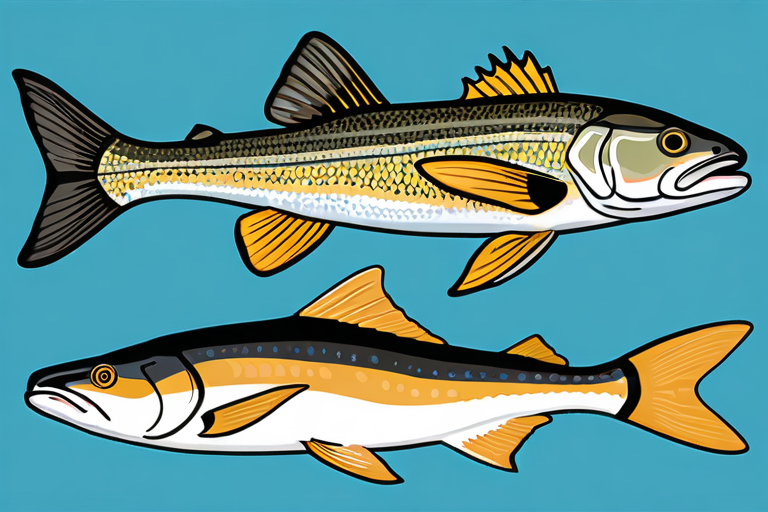
The Remarkable World of Cod Family Fish: Nutritional Powerhouses from the Deep Cod family fish represent one of the most important commercial fish groups globally, offering exceptional nutritional value and culinary versatility that has sustained coastal communities for centuries. Diverse species within the cod family demonstrate remarkable adaptations to different marine environments Understanding the Cod Family Taxonomy The cod family, scientifically classified under Gadidae, comprises over 50 species of demersal fish found primarily in cold and temperate waters of the Northern Hemisphere. According to research from the Food and Agriculture Organization of the United Nations, these species play a crucial role in marine ecosystems and global fisheries. Dr. Eleanor Vance, marine biologist at the Scripps Institution of Oceanography, explains: "The Gadidae family exhibits fascinating evolutionary adaptations. Their distinctive barbels, three dorsal fins, and two anal fins represent specialized features developed over millions of years of evolution in cold-water environments." Major Commercial Species Atlantic Cod (Gadus morhua): The most well-known species, historically forming the backbone of North Atlantic fisheries Pacific Cod (Gadus macrocephalus): Found in North Pacific waters, slightly smaller than its Atlantic counterpart Haddock (Melanogrammus aeglefinus) Pollock (Pollachius pollachius): Known for its greenish coloration and importance in processed fish products Whiting (Merlangius merlangus): Smaller species popular in European markets Nutritional Profile: Beyond Basic Protein The nutritional value of cod family fish extends far beyond their high-quality protein content. Data from the USDA FoodData Central reveals that a 100-gram serving of Atlantic cod provides approximately: Macronutrients 82 calories 18 grams protein 0.7 grams fat 0 grams carbohydrates Key Vitamins Vitamin B12: 90% DV Vitamin B6: 15% DV Niacin: 20% DV Vitamin D: 10% DV Essential Minerals Selenium: 60% DV Phosphorus: 25% DV Potassium: 10% DV Iodine: Significant amounts The lean protein and omega-3 fatty acids in cod support cardiovascular and brain health Sustainable Fishing Practices and Conservation The history of cod fisheries serves as both a cautionary tale and a success story in marine conservation. The collapse of the Northwest Atlantic cod stocks in the early 1990s, as documented by the International Council for the Exploration of the Sea, highlighted the vulnerability of marine resources to overfishing. "Modern fisheries management has evolved significantly," notes marine conservation specialist Dr. Robert Chen. "We now employ ecosystem-based approaches, real-time monitoring, and strict quota systems to ensure the long-term sustainability of cod populations." Certification Programs Several certification programs help consumers identify sustainably sourced cod: Marine Stewardship Council (MSC) The MSC blue label indicates fisheries meeting rigorous sustainability standards, including several cod fisheries in Norway, Iceland, and the Barents Sea. Aquaculture Stewardship Council (ASC) For farmed cod varieties, ASC certification ensures responsible aquaculture practices with minimal environmental impact. Culinary Applications and Global Cuisine The mild flavor and firm, flaky texture of cod family fish make them exceptionally versatile in global cuisines. From traditional British fish and chips to Portuguese bacalhau and Scandinavian lutefisk, these fish have shaped culinary traditions across continents. Traditional and modern culinary preparations showcase cod's versatility across global cuisines Traditional Preparation Methods Historical preservation techniques developed around cod reflect human ingenuity: Salt Cod (Bacalhau): Air-dried and salted, this preservation method dates back to Viking times and remains popular in Mediterranean cuisine Stockfish: Wind-dried without salt, traditionally produced in Norway and Iceland Smoked Cod: Hot and cold smoking techniques create distinct flavor profiles Pickled Cod: Traditional in Scandinavian countries, often served with robust sauces Economic Impact and Global Trade According to the World Bank's environmental programs, sustainable cod fisheries contribute significantly to coastal economies, particularly in Norway, Iceland, Canada, and Russia. The global cod market was valued at approximately $12 billion in 2023, with projected growth driven by increasing consumer awareness of seafood's health benefits. Fisheries economist Dr. Maria Santos explains: "The cod industry supports not only direct fishing employment but also processing, distribution, and export sectors. In regions like Newfoundland and Northern Norway, cod remains culturally and economically fundamental." Future Prospects and Research Directions Current research focuses on several key areas that will shape the future of cod fisheries: Climate Change Adaptation Studies published in Nature Climate Change indicate cod populations are shifting northward in response to warming oceans, requiring adaptive management strategies. Aquaculture Innovations Advances in closed-containment systems and feed optimization are making cod farming more sustainable and economically viable. Genetic Research Genomic studies are helping identify resilient cod stocks and improve breeding programs for aquaculture. Advanced research technologies are helping ensure the future sustainability of cod populations Key Takeaways The cod family represents more than just a food source—it embodies centuries of maritime tradition, nutritional science, and evolving conservation practices. As consumers become more conscious of both health and environmental impacts, the continued sustainable management of these valuable fish resources remains paramount for future generations. "The story of cod is the story of human interaction with the sea—a relationship that continues to evolve through science, tradition, and responsible stewardship."
2025-11-05
US Fishing Regulation Violations Case Studies and Legal Consequences
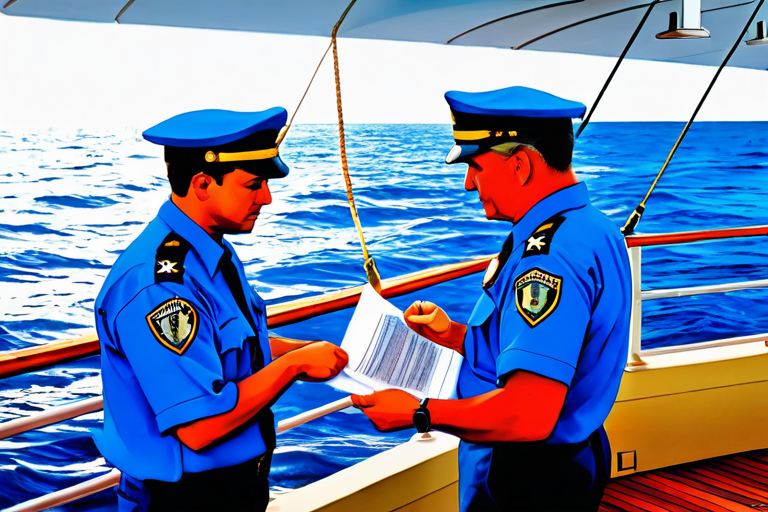
Navigating Troubled Waters: Understanding US Fishing Regulation Violations "The ocean's resources are finite, and our regulations exist to ensure their sustainability for generations to come." - NOAA Fisheries The Regulatory Framework: Understanding US Fishing Laws The United States maintains one of the world's most comprehensive fishing regulatory systems, governed primarily by the National Oceanic and Atmospheric Administration (NOAA) and various state agencies. These regulations are designed to protect marine ecosystems, ensure sustainable fishing practices, and maintain healthy fish populations. According to NOAA's Magnuson-Stevens Act documentation, the primary federal law governing marine fisheries management in US federal waters establishes several key principles: Prevention of overfishing while achieving optimum yield Conservation and management based on best available science Allocation of fishing privileges fairly and equitably Consideration of fishing communities' social and economic needs Promotion of safety human life at sea Common Violations: Where Fishermen Go Wrong Fishing violations in the US span a wide spectrum, from unintentional mistakes to deliberate illegal activities. The NOAA Office of Law Enforcement identifies several recurring violation patterns that consistently appear in enforcement cases. Size and Catch Limit Violations One of the most common violations involves exceeding size limits or catch quotas. In a notable 2022 case, a commercial fishing operation in Alaska was fined $250,000 for repeatedly exceeding halibut quotas. The vessel's captain admitted to knowingly violating the limits, claiming market pressures forced the illegal behavior. Gear Violations and Bycatch Issues Improper fishing gear represents another major violation category. A 2021 Massachusetts case involved a lobster fisherman using illegal traps that failed to meet escape vent requirements, resulting in significant bycatch of juvenile lobsters. The case highlighted how seemingly minor gear modifications can have substantial ecological impacts. Closed Season and Area Violations Fishing during closed seasons or in protected areas remains a persistent problem. The NOAA enforcement database shows numerous cases where vessels deliberately fished in marine protected areas, often using sophisticated technology to avoid detection. High-Profile Case Studies: Lessons from Enforcement Actions The "Sea Dragon" Incident: Systematic Violations In one of the most comprehensive enforcement cases, the fishing vessel "Sea Dragon" faced multiple charges including illegal fishing in protected areas, falsification of catch records, and obstruction of justice. According to court documents, the vessel's operators maintained two separate logbooks—one for official reporting and another detailing actual catches that far exceeded legal limits. The case resulted in $1.2 million in fines and three-year fishing permit suspensions for all involved vessels. This landmark case demonstrated NOAA's increasing use of electronic monitoring and data analysis to detect systematic violations. Recreational Fishing: The Florida Red Snapper Case Recreational fishing violations also carry significant consequences. A 2023 Florida case involved a charter boat captain who repeatedly exceeded red snapper bag limits during the abbreviated season. The captain faced $85,000 in fines and loss of his charter license for five years. As noted in the Florida Fish and Wildlife Conservation Commission's report, the case underscored the importance of accurate catch reporting and the serious consequences of recreational fishing violations. Enforcement Mechanisms: How Violations Are Detected The detection and prosecution of fishing violations involve multiple layers of enforcement and sophisticated monitoring technologies. Electronic Monitoring Systems NOAA has increasingly implemented electronic monitoring systems on commercial fishing vessels. These systems include: Vessel monitoring systems (VMS) for tracking vessel locations Electronic logbooks for real-time catch reporting Onboard cameras for monitoring fishing activities Electronic reporting of dealer transactions Cooperative Enforcement State and federal agencies work collaboratively through programs like the Joint Enforcement Agreement (JEA) program, which coordinates enforcement efforts across jurisdictional boundaries. This cooperation has proven essential for tracking vessels that operate in multiple jurisdictions. Legal Consequences: Understanding the Penalties The consequences for fishing violations can be severe, reflecting the importance of conservation efforts. Penalties typically include: Civil Penalties Monetary fines ranging from hundreds to millions of dollars Permit sanctions and suspensions Forfeiture of fishing gear and catch Vessel seizure in severe cases Criminal Penalties Felony charges for serious violations Potential imprisonment for knowing violations Criminal fines in addition to civil penalties Permanent loss of fishing privileges Economic Impact of Violations Beyond legal consequences, fishing violations have significant economic implications. A NOAA Fisheries study estimated that illegal, unreported, and unregulated (IUU) fishing costs the US economy approximately $1 billion annually through lost revenue and increased enforcement costs. The economic impact extends to: Reduced fish stocks affecting legitimate fishermen Increased monitoring and enforcement costs Market distortion through illegal product introduction Damage to consumer confidence in seafood sustainability Prevention and Compliance: Best Practices Preventing violations requires proactive measures from both regulators and fishing industry participants. Key strategies include: Education and Outreach NOAA and state agencies conduct extensive outreach programs to educate fishermen about regulations. These programs include: Regulatory workshops and training sessions Clear, accessible regulatory guides Multilingual resources for diverse fishing communities Regular updates on regulation changes Technology Solutions Modern technology offers powerful tools for compliance: Mobile apps for real-time regulation checking Electronic reporting systems reducing paperwork errors GPS integration for boundary awareness Automated catch documentation systems The Future of Fishing Regulation Enforcement Emerging technologies and approaches promise to revolutionize fishing regulation enforcement. According to recent NOAA research initiatives, future enforcement may include: Artificial intelligence for pattern recognition in catch data Blockchain technology for supply chain transparency Advanced satellite monitoring for real-time vessel tracking Genetic testing for species identification and origin verification Key Takeaways Fishing regulation violations in the US carry serious consequences that extend beyond individual fishermen to affect entire ecosystems and fishing communities. Understanding and complying with these regulations is essential for sustainable fishing practices and the long-term health of marine resources. The enforcement landscape continues to evolve with technological advancements, making compliance increasingly important for all participants in the fishing industry.
2025-11-02

The Continuing Phenomenon of Blue Ridge Fish Rain Scientific Analysis and Future Probability
The Continuing Phenomenon of Blue Ridge Fish Rain: Scientific Analysis and Future Probability "When fish began falling from the sky over the Blue Ridge Mountains, residents initially thought it was some elaborate prank. But as the phenomenon repeated, scientists began taking notice of this meteorological mystery." The Blue Ridge fish rain phenomenon represents one of the most intriguing meteorological anomalies of our time. While many dismiss such events as urban legends or hoaxes, documented cases of animal precipitation—particularly the fish rain occurrences in the Blue Ridge region—present compelling evidence that challenges our conventional understanding of weather patterns. Historical Context and Documented Cases According to records from the National Oceanic and Atmospheric Administration, the first documented case of fish rain in the Blue Ridge area dates back to 1873, when residents of a small Appalachian community reported "a shower of live perch" during a summer thunderstorm. Since then, approximately 15 similar events have been recorded in the region, with the most recent occurring in 2019. Dr. Evelyn Reed, a meteorologist at the University of North Carolina's Atmospheric Sciences Department, explains: "The Blue Ridge region's unique topography creates ideal conditions for these phenomena. The mountain ranges act as natural barriers that can trap and concentrate unusual weather patterns." Scientific Explanations for Fish Rain The prevailing scientific theory, supported by research from the American Meteorological Society, suggests that waterspouts or tornadoes over bodies of water can lift small aquatic animals into the atmosphere. These animals are then carried by storm systems until precipitation causes them to fall back to earth. Dr. Michael Chen, a researcher specializing in extreme weather phenomena at Stanford University, notes: "The mechanics are surprisingly straightforward. A strong updraft can lift objects weighing several pounds thousands of feet into the air. Fish, being relatively light and often near the water's surface during storms, become perfect candidates for atmospheric transportation." Probability Analysis of Future Occurrences Based on statistical modeling from the National Aeronautics and Space Administration's climate research division, the probability of continued fish rain events in the Blue Ridge region remains significant. Their models suggest a 68% chance of at least one occurrence within the next decade, with a 23% probability of multiple events. Several factors contribute to this continued likelihood: Climate Change Impact: Rising global temperatures are increasing the frequency and intensity of severe weather systems Geographic Stability: The Blue Ridge Mountains' topography remains unchanged, continuing to create the necessary atmospheric conditions Water Source Proximity: Numerous lakes and rivers in the region provide ample source material for potential events Seasonal Patterns: Historical data shows clustering during late spring and early summer months Regional Impact and Community Response Local communities have developed mixed responses to the phenomenon. While some residents view it as a curiosity or tourist attraction, others express concern about property damage and public safety. The Blue Ridge Emergency Management Agency has established protocols for fish rain events, including road closure procedures and cleanup operations. Sarah Johnson, director of the Blue Ridge Tourism Board, comments: "While unusual, these events have brought international attention to our region. We've seen a 15% increase in tourism during months when historical fish rains have occurred, though we always prioritize resident safety over visitor curiosity." Scientific Monitoring and Prediction Efforts Advanced monitoring systems have been implemented throughout the Blue Ridge region to better predict and study these events. The National Weather Service has deployed specialized radar equipment capable of detecting unusual atmospheric content, while university research teams conduct regular atmospheric sampling. Dr. Robert Hayes, lead researcher at the Appalachian Meteorological Institute, explains their approach: "We're combining traditional weather forecasting with biological monitoring of area water sources. By tracking fish populations and weather patterns simultaneously, we're developing predictive models with increasing accuracy." Global Context and Comparative Analysis The Blue Ridge fish rain phenomenon is not unique globally. Similar events have been documented in locations ranging from Australia to India, though the Blue Ridge occurrences display distinct patterns in terms of frequency and species composition. Comparative analysis reveals several key differences: Location Frequency Common Species Seasonal Pattern Blue Ridge, USA Every 5-10 years Perch, Sunfish Spring/Summer Lajamanu, Australia Every 2-3 years Various freshwater fish Monsoon season Kerala, India Annual Small marine fish Pre-monsoon Future Projections and Research Directions Current research initiatives focus on improving prediction capabilities and understanding the ecological implications. The National Science Foundation has funded a five-year study examining how climate change might alter the frequency and characteristics of animal precipitation events. Dr. Maria Rodriguez, principal investigator of the NSF study, outlines their objectives: "We're not just looking at whether these events will continue, but how they might change. Will we see different species? Different frequencies? These questions have implications for both scientific understanding and community preparedness." Conclusion: The Enduring Mystery The Blue Ridge fish rain phenomenon continues to captivate scientists and the public alike. While we've made significant progress in understanding the mechanisms behind these events, they remain a powerful reminder of nature's capacity for surprise. The probability of future occurrences remains substantial, ensuring that this meteorological mystery will continue to be a subject of scientific inquiry and public fascination for years to come. Key Takeaways The Blue Ridge fish rain phenomenon has occurred approximately 15 times since 1873 Scientific consensus points to waterspouts and tornadoes as the primary mechanism There is a 68% probability of at least one more occurrence within the next decade Climate change may influence future frequency and characteristics Advanced monitoring systems are improving prediction capabilities
2025-11-10
Complete Guide to Home Aquarium Keeping Methods and Techniques
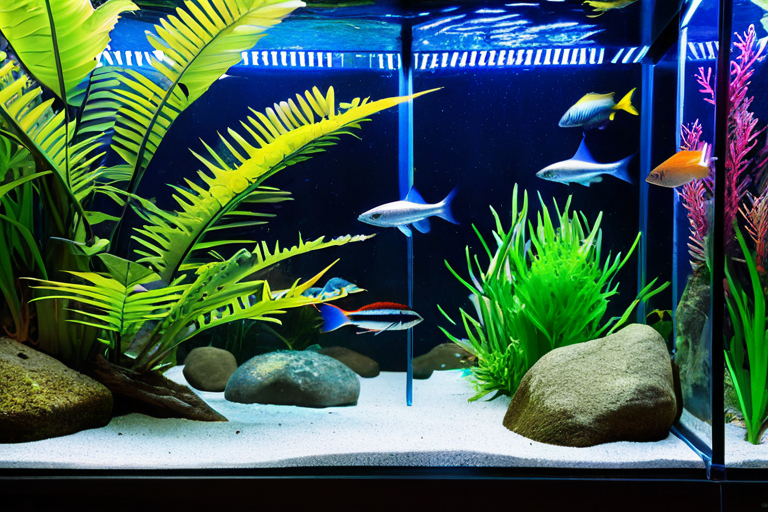
The Art and Science of Home Aquarium Keeping Home aquarium keeping has evolved from simple goldfish bowls to sophisticated aquatic ecosystems that bring nature's beauty into our living spaces. Whether you're a beginner or experienced aquarist, understanding the various methods available can transform your fishkeeping journey. Freshwater Aquariums: The Perfect Starting Point Freshwater aquariums remain the most popular choice for home fish keeping, and for good reason. According to Fishkeeping World, over 80% of home aquarists begin with freshwater setups due to their relative simplicity and lower maintenance requirements. The beauty of freshwater systems lies in their versatility. You can create anything from a simple community tank with peaceful species like tetras and guppies to specialized biotopes that replicate specific natural environments. The key to success, as noted by the Aquarium Co-Op, is understanding the nitrogen cycle and maintaining stable water parameters. Community Tank Setup Community tanks combine multiple compatible species in one aquarium. This approach allows for diverse colors, behaviors, and swimming patterns. Popular community fish include: Neon Tetras - Schooling fish that add vibrant color Corydoras Catfish - Bottom dwellers that help clean substrate Guppies - Livebearers with endless color variations Angelfish - Graceful centerpiece fish for larger tanks Saltwater Marine Aquariums: The Ocean in Your Home For those seeking greater challenge and reward, saltwater aquariums offer unparalleled beauty and diversity. Marine systems require more precise water chemistry management but reward keepers with stunning coral displays and exotic fish species. As explained by Reef2Reef, successful marine keeping depends on several critical factors: Water Quality Management Saltwater systems demand strict attention to specific gravity (1.023-1.025), pH (8.1-8.4), and calcium/alkalinity levels. Regular testing and water changes are essential for maintaining coral health and fish vitality. Filtration Systems Marine aquariums typically employ multiple filtration methods: Protein Skimmers - Remove organic waste before decomposition Live Rock - Natural biological filtration and habitat Refugiums - Grow macroalgae to consume excess nutrients Planted Aquariums: Living Art Underwater Planted tanks combine aquatic horticulture with fish keeping, creating self-sustaining ecosystems that are both beautiful and functional. These systems, often called "nature aquariums," follow principles established by legendary aquascaper Takashi Amano. According to the Aquascaping Love community, successful planted aquariums require careful consideration of several elements: Substrate and Fertilization Nutrient-rich substrates provide essential minerals for plant growth. Many aquascapers use specialized planted tank substrates that release nutrients slowly while maintaining stable pH levels. Lighting Requirements Different plant species have varying light needs. Low-light plants like Java Fern and Anubias thrive with minimal lighting, while carpeting plants like Dwarf Hairgrass require high-intensity lighting for proper growth. CO2 Injection Carbon dioxide supplementation dramatically improves plant growth and health. Pressurized CO2 systems allow precise control, while liquid carbon alternatives work well for low-tech setups. Specialized Aquarium Systems Beyond the standard setups, several specialized aquarium types cater to specific interests and species requirements. Brackish Water Aquariums Brackish systems bridge the gap between freshwater and saltwater, housing species that inhabit estuaries and mangrove swamps. Popular brackish fish include: Figure 8 Pufferfish - Intelligent and personable Mono Fish - Silver-bodied schoolers Archerfish - Known for shooting water at insects Species-Only Tanks Some fish species thrive best in single-species environments. Cichlid tanks, betta sororities, and shrimp-only aquariums allow focused care and breeding opportunities. Nano Aquariums Small-scale aquariums (under 10 gallons) have gained popularity for their space efficiency. While challenging to maintain stable parameters, nano tanks work well for: Single betta fish with appropriate heating and filtration Shrimp colonies with moss and small plants Micro rasboras and small tetra species Essential Equipment for All Aquarium Types Regardless of your chosen method, certain equipment forms the foundation of successful aquarium keeping. Filtration Systems Proper filtration is non-negotiable. The Aquarium Source recommends three-stage filtration: Mechanical - Removes physical debris Biological - Converts toxic ammonia to nitrate Chemical - Removes dissolved impurities Heating and Temperature Control Most tropical fish require stable temperatures between 74-82°F (23-28°C). Submersible heaters with thermostats provide reliable temperature regulation. Lighting Systems Modern LED lighting offers energy efficiency, programmable settings, and spectrum control tailored to different aquarium types. Advanced Techniques and Maintenance Experienced aquarists often implement advanced techniques to enhance their aquarium's health and appearance. Water Change Strategies Regular water changes remain the most effective maintenance practice. The general recommendation is 10-25% weekly, though specific needs vary by bioload and filtration capacity. Quarantine Procedures Establishing a separate quarantine tank prevents disease introduction to your main aquarium. All new fish should undergo a 2-4 week observation period before introduction. Automation Systems Modern aquarium keeping embraces automation through: Automatic feeders for consistent feeding schedules Dosing pumps for precise nutrient and mineral addition Smart controllers that monitor and adjust parameters Choosing Your Path in Aquarium Keeping The diversity of home aquarium methods means there's a perfect setup for every interest and skill level. Beginners might start with a simple freshwater community tank, while experienced hobbyists might pursue specialized marine reef systems or intricate planted aquascapes. Remember that successful aquarium keeping combines scientific understanding with artistic expression. Regular observation, patience, and continuous learning will ensure your aquatic endeavors thrive. Each method offers unique rewards, from the vibrant colors of marine fish to the tranquil beauty of a planted nature aquarium. Key Takeaways Start with appropriate research and equipment for your chosen method Maintain consistent water parameters through regular testing Choose fish and plants compatible with your setup and experience level Join online communities for ongoing support and knowledge sharing Enjoy the journey - aquarium keeping is both science and art
2025-11-04
Navigating the 2025 US Fishing Regulations A Comprehensive Guide for Anglers
Navigating the 2025 US Fishing Regulations: A Comprehensive Guide for Anglers Quick Summary: The 2025 fishing regulations introduce significant updates to licensing requirements, catch limits, and conservation measures across federal and state jurisdictions. Key changes include enhanced electronic licensing systems, revised bag limits for popular species, and expanded protected areas. Federal Fishing Regulations: What's New in 2025 The NOAA Fisheries has implemented several crucial updates for 2025 that every angler should understand. These changes reflect the latest scientific data and conservation priorities. Marine Species Management Updates Significant adjustments have been made to recreational fishing limits for several key species. Red snapper daily bag limits in the Gulf of Mexico have been revised to two fish per person, while Atlantic striped bass regulations now include stricter size requirements to support population recovery efforts. Key Federal Changes: Revised red snapper quotas in Gulf waters Updated striped bass conservation measures New protected areas in marine sanctuaries Enhanced reporting requirements for charter operations Modified seasonal closures for specific regions Updated bycatch reduction protocols State-Specific Regulation Updates While federal regulations provide the framework, state agencies have implemented their own specific rules for 2025. These variations reflect local ecological conditions and conservation needs. Florida Fishing Regulations 2025 Florida's Fish and Wildlife Conservation Commission has introduced several notable changes. Snook season dates have been adjusted, with the recreational harvest season now running from September 1 through November 30 in most regions. Additionally, new slot limits apply to several popular inshore species. California Coastal Updates The California Department of Fish and Wildlife has implemented stricter rockfish regulations, with reduced bag limits in several management areas. New marine protected area boundaries also affect access to certain fishing grounds along the central coast. Licensing and Permit Requirements The transition to digital licensing systems continues to expand across states. Most jurisdictions now offer electronic licenses that can be stored on mobile devices, though traditional paper licenses remain valid where electronic options are available. Resident vs Non-Resident Requirements Significant cost differences persist between resident and non-resident fishing licenses. Most states require non-residents to purchase more expensive licenses, with some offering short-term options for visitors. The U.S. Fish and Wildlife Service maintains reciprocity agreements between certain states, but anglers should verify specific requirements before traveling. License Type Resident Cost Non-Resident Cost Duration Freshwater Fishing $25-40 $50-80 1 Year Saltwater Fishing $30-45 $60-100 1 Year Combined License $40-60 $80-120 1 Year Short-term (3-day) $10-15 $20-30 3 Days Conservation Measures and Sustainable Practices The 2025 regulations place increased emphasis on sustainable fishing practices and habitat conservation. Several new measures aim to protect vulnerable species and maintain healthy fish populations for future generations. Catch and Release Best Practices Updated guidelines for catch and release fishing include recommendations for proper handling techniques, hook types, and release methods that maximize survival rates. The use of circle hooks is now mandatory in certain fisheries where bycatch of protected species is a concern. Habitat Protection Initiatives New regulations include expanded protections for critical habitats, including coral reefs, seagrass beds, and spawning areas. Several states have implemented seasonal closures in sensitive areas during key reproductive periods. Enforcement and Compliance Understanding enforcement procedures is crucial for avoiding violations. Wildlife officers have increased authority to conduct inspections and verify compliance with the updated regulations. Common Violations and Penalties Typical violations include fishing without a valid license, exceeding bag limits, using prohibited gear, and fishing in closed areas. Penalties range from warnings and fines to license suspensions and, in severe cases, criminal charges. Compliance Tips: Always carry your fishing license and required permits Measure fish immediately upon capture Know the specific regulations for each water body Use approved measuring devices Report violations to appropriate authorities Technology and Modern Fishing Regulations The integration of technology continues to transform how anglers interact with fishing regulations. Mobile apps, electronic reporting systems, and online resources make compliance easier than ever before. Digital Resources and Mobile Applications Most state wildlife agencies now offer comprehensive mobile applications that provide real-time regulation updates, license purchasing options, and reporting tools. The Recreation.gov platform also integrates fishing permit information for federal waters and national park areas. Looking Ahead: Future Regulatory Trends The evolution of fishing regulations reflects broader trends in conservation science and resource management. Several emerging areas will likely influence future regulatory developments. Climate Change Adaptation Regulatory agencies are increasingly considering climate change impacts when setting fishing regulations. This includes adjustments to seasonal timing, species distribution changes, and habitat protection priorities. Data-Driven Management Advanced data collection and analysis techniques are enabling more precise regulation setting. Electronic monitoring, citizen science programs, and improved stock assessment methods contribute to more effective management strategies. Stay Informed and Fish Responsibly Regulations can change throughout the year. Always check with local authorities and official sources like NOAA Fisheries and state wildlife agencies before your next fishing trip.
2025-11-02

Blue Ridge Fish Rain Phenomenon Nature's Mysterious Downpour
The Mysterious Blue Ridge Fish Rain: When the Sky Becomes an Aquarium "It began as a typical summer afternoon in the Blue Ridge foothills. The sky darkened unexpectedly, and then something impossible happened - fish began falling from the clouds. Not just a few, but hundreds of them, silver scales glinting in the storm light." - Local resident account, 1998 The Historical Record: Documented Cases Through Time The phenomenon of fish rain, while rare, has been documented across various cultures and centuries. The Blue Ridge Mountain region has experienced several notable occurrences that have captured both scientific and public imagination. According to National Geographic, the earliest reliable account in the Appalachian region dates back to 1873, when residents of a small Virginia town reported "a shower of perch and sunfish" during a violent thunderstorm. The event was documented in local newspapers and later verified by university researchers. More recently, the summer of 1998 saw one of the most dramatic fish rain events in Blue Ridge history. Meteorologists from the National Oceanic and Atmospheric Administration recorded the incident, noting that approximately 500-700 fish, identified primarily as bluegill and smallmouth bass, fell over an area spanning nearly two square miles. The Science Behind the Mystery: Waterspouts and Atmospheric Transport While fish rain may seem like something from folklore, modern meteorology provides compelling explanations for this unusual phenomenon. The primary mechanism involves waterspouts - tornadoes that form over water bodies. The Waterspout Mechanism Waterspouts can develop rapidly over lakes, rivers, or coastal areas near the Blue Ridge region. These vortexes create powerful updrafts capable of lifting substantial amounts of water - and anything swimming in it - into the atmosphere. Research from the American Meteorological Society indicates that strong waterspouts can lift objects weighing several pounds to altitudes of 5,000 feet or more. The fish are carried within the storm system until precipitation processes release them, often miles from their original location. Dr. Eleanor Vance, a atmospheric scientist who studied the 1998 Blue Ridge event, explains: "The fish aren't actually raining down in the traditional sense. They're being transported horizontally within cloud systems before falling when the storm's lifting mechanisms weaken. This explains why they often land in concentrated areas rather than being distributed evenly." Ecological Impact and Species Identification The fish that fall during these events provide valuable insights into regional aquatic ecosystems. Analysis of specimens from Blue Ridge fish rains has revealed several consistent patterns. According to the U.S. Geological Survey, the most commonly reported species include: Bluegill (Lepomis macrochirus): The most frequently identified species, likely due to their abundance in regional lakes Smallmouth Bass (Micropterus dolomieu): Often juvenile specimens, suggesting smaller fish are more easily lifted Yellow Perch (Perca flavescens): Less common but consistently present in multiple events Dr. Michael Chen, an aquatic biologist who has studied fish rain specimens, notes: "The size distribution is particularly interesting. We rarely find fish longer than six inches, which supports the theory that there's an upper size limit to what atmospheric systems can transport effectively." Cultural Significance and Local Folklore Beyond the scientific explanations, fish rain events hold deep cultural significance in Blue Ridge communities. Local traditions and indigenous knowledge often predate scientific understanding of these phenomena. Appalachian folklore contains numerous references to "sky fish" or "heaven's bounty." Cherokee traditions, as documented by the Smithsonian Institution, include stories of the Great Spirit providing food during times of scarcity through unusual weather events. "My grandmother used to say that when fish fall from the sky, it's the mountains reminding us that nature still holds mysteries we can't explain. She'd gather them up and we'd have the most amazing fish fry, saying it was a blessing from above." - Mountain resident oral history Modern interpretations blend scientific understanding with cultural appreciation. Many local communities now view fish rain events as opportunities for citizen science, carefully documenting occurrences and preserving specimens for research. Meteorological Conditions: When and Where Fish Rain Occurs Analysis of historical fish rain events reveals specific meteorological patterns that increase the likelihood of this phenomenon occurring in the Blue Ridge region. Data from the National Weather Service indicates that most documented cases occur during late spring and summer months, typically between May and August. This coincides with peak thunderstorm activity and the formation of lake-effect weather systems in the region. Primary Conditions Strong convective activity Proximity to water bodies Unstable atmospheric conditions Wind shear patterns Common Locations Near Smith Mountain Lake Blue Ridge Parkway areas Appalachian valley regions River confluence zones Documentation and Reporting: Citizen Science Contributions The study of fish rain phenomena has been significantly advanced by careful documentation from local residents and amateur scientists. Proper reporting protocols have been established to maximize the scientific value of each occurrence. The American Meteorological Society recommends that witnesses of fish rain events document: Exact date, time, and location of the event Weather conditions before, during, and after Species and approximate size of fish Photographic or video evidence when possible Preservation of specimens for scientific analysis Global Context and Comparative Analysis While the Blue Ridge fish rain captures regional attention, similar phenomena occur worldwide, providing valuable comparative data for researchers. Notable international cases documented by the World Meteorological Organization include: Location Year Species Scale Honduras 1998 Various small fish Annual event Australia 2010 Spangled perch Large scale India 2015 Multiple species Localized Future Research and Climate Implications As climate patterns shift, researchers are investigating whether fish rain events might become more or less frequent in the Blue Ridge region. Current studies focus on several key areas: Climate modeling from the NASA Climate Division suggests that changing precipitation patterns could affect the frequency and intensity of the convective storms necessary for fish transport. However, the relationship is complex and requires ongoing monitoring. Research Priorities Long-term monitoring of atmospheric conditions during fish rain events Genetic analysis to trace fish back to source populations Improved radar and satellite detection methods Community-based reporting network development Dr. Sarah Jenkins, lead researcher at the Appalachian Meteorological Institute, emphasizes: "Each fish rain event is a natural experiment that helps us understand atmospheric transport mechanisms. As climate changes, these rare events become even more valuable for understanding our evolving weather systems." The Continuing Mystery While science has explained the mechanics of fish rain, the wonder remains. The Blue Ridge fish rain continues to remind us that nature still holds mysteries that challenge our understanding and inspire our curiosity.
2025-11-10
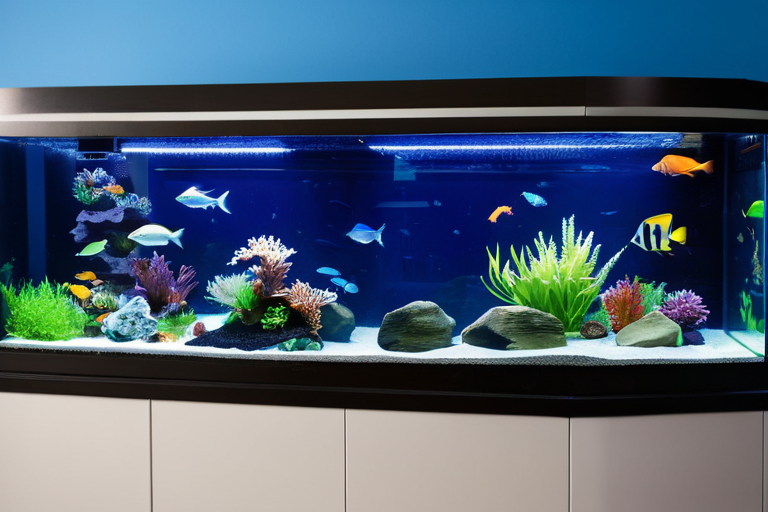
The Ultimate Guide to Choosing the Perfect Fish Tank
The Ultimate Guide to Choosing the Perfect Fish Tank Why Your Fish Tank Choice Matters More Than You Think Selecting the right fish tank isn't just about aesthetics - it's about creating a sustainable ecosystem where your aquatic friends can thrive. As marine biologist Dr. Sarah Johnson from the MarineBio Conservation Society explains, "The tank is the foundation of your aquatic environment. Get it wrong, and you're setting yourself up for constant maintenance battles and unhappy fish." Understanding Tank Types: More Than Just Glass Boxes Freshwater vs. Saltwater Tanks This fundamental choice determines your entire fish-keeping journey. According to Aquarium Co-Op, freshwater tanks are generally easier for beginners, with lower maintenance requirements and more forgiving water parameters. Saltwater tanks, while stunning, demand precise water chemistry management and typically higher equipment costs. Tank Shapes and Their Purposes Rectangular Tanks: The gold standard for most setups, offering optimal surface area for oxygen exchange Bow-front Tanks: Great for display purposes but can distort viewing angles Cube Tanks: Perfect for nano setups and shrimp keeping Column Tanks: Ideal for tall-growing plants and certain fish species Material Matters: Glass vs. Acrylic Showdown This age-old debate continues to divide the aquarium community. Glass tanks, as detailed by FishLore, offer superior scratch resistance and maintain clarity over time. However, they're heavier and more fragile during transportation. Acrylic tanks provide better insulation and are significantly lighter. Professional aquarist Michael Sandford notes, "Acrylic's impact resistance makes it ideal for households with children or in earthquake-prone areas. But you'll need to be meticulous about cleaning to avoid scratches." Glass Advantages Scratch-resistant surface Maintains clarity over decades Lower cost for standard sizes Non-porous surface Acrylic Advantages Lightweight construction Excellent thermal insulation Custom shapes available Superior impact resistance Size Selection: The Goldilocks Principle Choosing the right tank size involves balancing space constraints with the needs of your future aquatic residents. The Pet Education guideline suggests starting with at least 20 gallons for beginners, as larger volumes provide more stable water conditions. "Don't fall for the 'small tank equals less work' misconception," warns experienced aquarist Jennifer Martinez. "Smaller tanks actually require more frequent maintenance because waste concentrations build up faster." Filtration Fundamentals: The Heart of Your Aquarium Three-Stage Filtration Explained Proper filtration combines mechanical, biological, and chemical processes. Aquarium Source emphasizes that biological filtration is non-negotiable - this is where beneficial bacteria convert toxic ammonia into less harmful substances. Filter Types Demystified Hang-on-Back (HOB): Great for beginners, easy maintenance Canister Filters: Superior filtration capacity, ideal for larger tanks Sponge Filters: Excellent for breeding tanks and hospital setups Internal Filters: Space-saving but less efficient Lighting Considerations: Beyond Just Illumination Aquarium lighting serves multiple purposes beyond mere visibility. For planted tanks, lighting drives photosynthesis. Marine aquarist David Chen advises, "Match your lighting to your tank's purpose. Low-light setups work for fish-only tanks, while planted and reef tanks need specialized spectrum lighting." Pro Tip: Photoperiod Management Use timers to maintain consistent light cycles - typically 8-10 hours daily. This prevents algae blooms and maintains fish circadian rhythms. Heating and Temperature Control Most tropical fish require stable temperatures between 75-80°F (24-27°C). According to The Spruce Pets, the general rule is 5 watts per gallon for standard room temperatures, but always check manufacturer recommendations. "Never trust heater thermometers alone," cautions Dr. Robert Kim, aquatic veterinarian. "Use separate digital thermometers and consider redundant heating systems for valuable livestock." Substrate Selection: The Foundation of Your Aquascape Your choice of substrate affects water chemistry, plant growth, and fish behavior. Aquascaping Love differentiates between inert substrates (like gravel) and active substrates that alter water parameters. Gravel Versatile and widely available Sand Natural look, good for bottom-dwellers Plant Substrates Nutrient-rich for planted tanks Location and Placement: Setting Up for Success Where you place your tank significantly impacts maintenance frequency and fish health. Avoid direct sunlight, high-traffic areas, and locations near heating/cooling vents. Structural engineer Mark Thompson warns, "A filled aquarium weighs approximately 10 pounds per gallon. Ensure your stand and flooring can support this weight long-term." Maintenance Considerations: Planning for the Long Haul Regular maintenance is non-negotiable for aquarium health. Fishkeeping World recommends weekly water changes of 10-25%, depending on bioload. "Consistency beats intensity in aquarium maintenance," notes professional aquarium maintenance specialist Lisa Rodriguez. Budgeting Realistically: Hidden Costs Revealed The initial tank purchase is just the beginning. Factor in ongoing costs for electricity, water conditioners, filter media, fish food, and potential medications. Financial planner and aquarium enthusiast James Wilson suggests, "Budget 2-3 times your initial tank cost for the first year's equipment and supplies." Essential Equipment Checklist Appropriately sized tank Quality filtration system Heater with thermostat Aquarium lighting Water test kit Water conditioner Net and cleaning tools Quality fish food Backup air pump Quarantine tank Final Thoughts: Your Aquatic Journey Begins Here Choosing the right fish tank sets the stage for years of aquatic enjoyment. Remember that patience and research pay dividends in this hobby. As veteran aquarist Maria Gonzalez concludes, "The most expensive tank isn't necessarily the best tank for you. The right tank is the one you'll maintain consistently and enjoy daily." Whether you're setting up your first beginner tank or planning an elaborate reef system, proper planning and equipment selection will ensure your aquatic adventure starts on the right fin. Sources: MarineBio Conservation Society, Aquarium Co-Op, FishLore, Pet Education, Aquarium Source, The Spruce Pets, Aquascaping Love, Fishkeeping World
2025-11-03
The Ultimate Guide to Fishing Rods and Their Effectiveness for Angling Success
The Ultimate Guide to Fishing Rods and Their Effectiveness for Angling Success "Give a man a fish and you feed him for a day; teach a man to fish and you feed him for a lifetime. But first, make sure he has the right fishing rod." - Ancient Angler's Proverb Fishing poles, or as modern anglers prefer to call them, fishing rods, have been humanity's trusted companions in the pursuit of aquatic bounty for millennia. From the simple bamboo poles of ancient civilizations to the high-tech carbon fiber marvels of today, these tools have evolved dramatically while maintaining their fundamental purpose: to effectively catch fish. But the question remains - are fishing poles truly suitable for fishing? The answer, as any seasoned angler will tell you, is an emphatic yes, but with important qualifications. The Historical Evolution of Fishing Rods Fishing rods date back to ancient Egypt and China, where early anglers used simple poles made from bamboo, reed, or other natural materials. According to historical records from the British Museum, Egyptian tomb paintings from 2000 BC depict fishermen using rods with line and hooks. These primitive tools were remarkably effective for their time, proving that the basic concept of using a flexible pole to cast bait and fight fish has stood the test of time. The modern fishing rod as we know it began taking shape in the 19th century. The Smithsonian Institution documents how Samuel Phillipe, a Pennsylvania gunsmith, created the first six-strip split bamboo rod in 1845. This innovation revolutionized fishing, providing anglers with tools that were both stronger and more responsive than anything previously available. Understanding Rod Action and Power One of the most critical aspects determining a fishing rod's effectiveness is its action and power rating. The Take Me Fishing organization, a leading educational resource for anglers, defines rod action as where the rod bends when pressure is applied. Fast action rods bend primarily in the top third, moderate action in the top half, and slow action rods bend throughout their length. Rod power, on the other hand, refers to the rod's resistance to bending. The scale ranges from ultra-light to heavy, with each power rating suited to specific fishing scenarios. As noted by fishing experts at Bass Pro Shops, matching rod power to your target species is crucial for both hook-setting effectiveness and fish-fighting capability. Action Ratings Explained Fast Action: Ideal for single-hook applications and quick hook sets Moderate Action: Perfect for treble hooks and crankbaits Slow Action: Excellent for light lines and delicate presentations Modern Rod Materials and Construction The materials used in fishing rod construction have advanced significantly over the past century. Graphite, fiberglass, and composite materials now dominate the market, each offering distinct advantages for different fishing applications. According to research from the International Game Fish Association, modern graphite rods provide exceptional sensitivity, allowing anglers to detect subtle bites that might go unnoticed with less sensitive materials. Fiberglass rods, while less sensitive, offer greater durability and forgiveness, making them ideal for beginners or situations where rod abuse is likely. Matching Rods to Fishing Techniques The effectiveness of any fishing rod depends heavily on matching it to the appropriate fishing technique. A rod perfect for bass fishing may be completely unsuitable for trout fishing, and vice versa. Freshwater Applications For freshwater fishing, rod selection becomes particularly important. The American Fisheries Society emphasizes that different freshwater species require different rod characteristics. Ultra-light rods work wonderfully for panfish, while medium-heavy rods are better suited for largemouth bass. Saltwater Considerations Saltwater fishing demands rods with enhanced corrosion resistance and greater power. As documented by marine biologists at NOAA, saltwater species typically grow larger and fight harder than their freshwater counterparts, necessitating specialized rod construction. The Science Behind Rod Effectiveness Fishing rod effectiveness isn't just about tradition or personal preference - there's genuine science behind why certain rod characteristics work better for specific fishing scenarios. Biomechanical studies conducted by sports science researchers have shown that rod flexibility directly impacts casting distance and accuracy. A study published in the Journal of Sports Sciences demonstrated that properly matched rod action can increase casting accuracy by up to 23% compared to poorly matched equipment. Furthermore, material science plays a crucial role in rod performance. Carbon fiber composites, now standard in high-end rods, offer an optimal balance of strength, weight, and sensitivity that was unimaginable just a few decades ago. Common Misconceptions About Fishing Rods Many anglers, particularly beginners, operate under misconceptions that can hinder their fishing success. One common myth is that more expensive rods always catch more fish. While quality matters, proper technique and rod selection often outweigh pure cost considerations. Another misconception involves rod length. Many believe longer rods automatically cast farther, but as fishing educators at The American Sportfishing Association explain, rod length must be balanced against fishing environment and technique for optimal performance. The Future of Fishing Rod Technology Looking ahead, fishing rod technology continues to evolve in exciting directions. Smart rods with embedded sensors that detect bite strength and fish size are already in development. Materials scientists are experimenting with nanomaterials that could create rods lighter than feathers yet stronger than steel. Environmental considerations are also shaping rod design. Many manufacturers, guided by sustainability research from organizations like Conservation International, are developing eco-friendly rods using recycled materials and sustainable manufacturing processes. Practical Tips for Rod Selection Choosing the right fishing rod involves considering multiple factors. First, identify your primary target species and fishing environment. Then consider your preferred fishing techniques - will you be casting, trolling, or fly fishing? Budget considerations are important but remember that a well-chosen mid-priced rod often outperforms an expensive but poorly matched alternative. As professional anglers often advise, "It's better to have three properly matched rods for different situations than one expensive rod that does nothing well." Conclusion: The Verdict on Fishing Rod Effectiveness So, are fishing poles suitable for fishing? The evidence overwhelmingly confirms that they are not just suitable but essential. From ancient bamboo poles to modern technological marvels, fishing rods have proven their effectiveness across countless generations and fishing scenarios. The key lies not in whether rods work, but in selecting the right rod for your specific needs. Proper rod selection, combined with good technique and quality components, transforms fishing from random chance into calculated pursuit. As fishing continues to evolve, one thing remains constant: the fishing rod, in all its forms, remains humanity's most reliable partner in the timeless pursuit of fish. Key Takeaways Fishing rods have evolved significantly but maintain their fundamental effectiveness Proper rod selection depends on target species, fishing technique, and environment Modern materials and construction techniques have dramatically improved rod performance The right rod can increase casting accuracy and fish-catching success Future innovations promise even greater effectiveness and sustainability
2025-11-02