The Complete Betta Fish Care Guide: Are These Colorful Beauties Right for Your Home?
Quick Facts: Betta fish can live 3-5 years with proper care, require at least 5 gallons of water, and prefer temperatures between 75-80°F.

Understanding Betta Fish: More Than Just a Pretty Face
Betta fish, scientifically known as Betta splendens, have captivated aquarium enthusiasts for decades with their vibrant colors and flowing fins. But beyond their stunning appearance lies a complex creature with specific needs that many first-time owners overlook. According to the Aquarium Co-Op, these fish are often misunderstood and improperly cared for, leading to shortened lifespans and health issues.
Native to the rice paddies and slow-moving waters of Southeast Asia, bettas have evolved unique adaptations that make them both fascinating and challenging pets. Their labyrinth organ allows them to breathe atmospheric air, but this doesn't mean they can thrive in tiny bowls or vases as commonly believed.
The Truth About Betta Fish Habitat Requirements
Tank Size Matters
Contrary to popular belief, bettas need spacious environments. The Fishkeeping World recommends a minimum of 5 gallons for a single betta, with 10 gallons being ideal for providing adequate swimming space and stable water parameters.
Water Quality Essentials
Bettas are tropical fish requiring consistent temperatures between 75-80°F. A reliable heater and filter are non-negotiable for maintaining their health and wellbeing.
Nutrition and Feeding: Beyond Betta Pellets
Proper nutrition is crucial for betta health and coloration. While commercial betta pellets provide a good base diet, variety is key to optimal health. The Modest Fish guide emphasizes the importance of supplementing with frozen or live foods like bloodworms, brine shrimp, and daphnia.
Feeding frequency and portion control are equally important. Adult bettas typically require feeding once or twice daily, with only as much food as they can consume in two minutes. Overfeeding can lead to obesity and water quality issues, common problems in home aquariums.
Tank Mates and Social Behavior
Betta fish are famously territorial, earning them the nickname "Siamese fighting fish." Males should never be housed together, as they will fight to the death. However, with careful planning, bettas can coexist with certain tank mates.
Compatible Tank Mates: Small, peaceful fish like neon tetras, corydoras catfish, and ghost shrimp can often coexist with bettas in adequately sized tanks (20+ gallons). Always monitor interactions closely.
Common Health Issues and Prevention
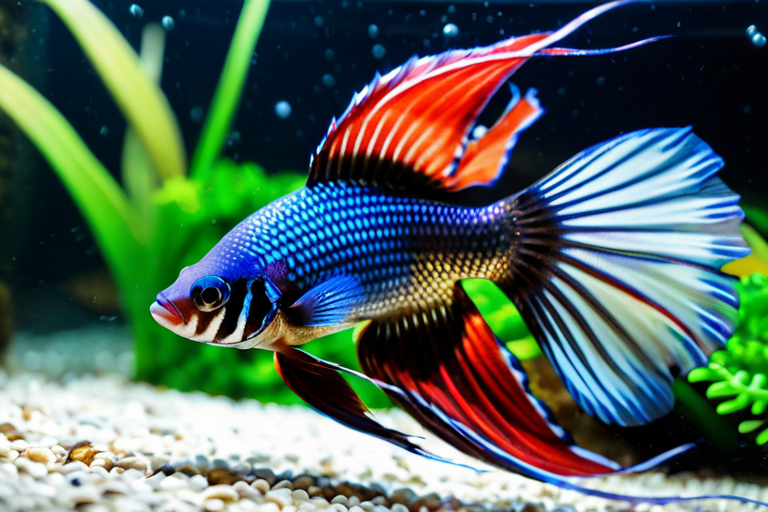
Like all pets, bettas are susceptible to various health issues. Fin rot, ich, and swim bladder disorders are among the most common problems encountered by betta owners. Prevention through proper tank maintenance and water quality management is always preferable to treatment.
The Spruce Pets comprehensive care guide highlights the importance of regular water testing and partial water changes (25-50% weekly) in preventing most common betta diseases.
Setting Up the Perfect Betta Home
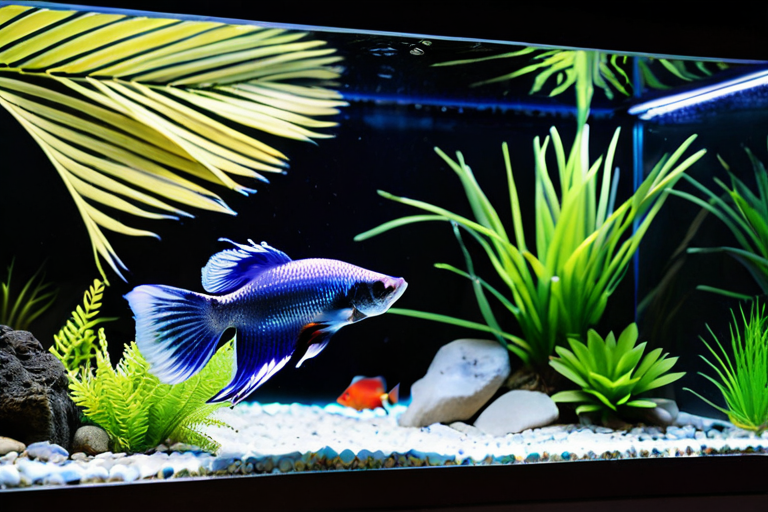
Creating an ideal environment involves more than just filling a tank with water. Bettas appreciate planted tanks with plenty of hiding spots and gentle water flow. Live plants not only enhance water quality but also provide mental stimulation for these intelligent fish.
Essential Equipment
- 5-10 gallon tank
- Adjustable heater
- Gentle filter
- Thermometer
- Water conditioner
Tank Decorations
- Live or silk plants
- Hiding caves
- Leaf hammocks
- Smooth substrate
The Real Commitment: Time and Cost
While bettas are often marketed as low-maintenance pets, responsible ownership requires significant commitment. Initial setup costs typically range from $100-$200 for a proper aquarium setup, with ongoing monthly expenses for food, water conditioners, and electricity.
Time investment includes daily feeding, weekly tank maintenance, and regular water parameter testing. As noted by experienced aquarists on FishLore forums, the most successful betta owners treat their fish as they would any other pet—with consistent care and attention.
Are Betta Fish Right for You?
Betta fish can make wonderful pets for the right owner. They're perfect for people who appreciate beautiful aquatic life but have limited space for larger aquariums. However, they're not suitable for those seeking completely hands-off pets or for young children without adult supervision.
Ideal Betta Owner Profile
- Willing to invest in proper equipment
- Committed to regular maintenance routine
- Interested in observing fish behavior
- Patient and attentive to detail
- Understanding of fish welfare needs
Final Thoughts: Beyond the Myth
The image of bettas thriving in tiny bowls is a persistent myth that does these magnificent creatures a disservice. When provided with proper care, adequate space, and appropriate environmental conditions, betta fish can live full, healthy lives displaying their natural behaviors and vibrant colors.
As the aquarium hobby continues to evolve, so does our understanding of proper fish care. By choosing to provide bettas with the environment they truly need, owners can enjoy the rewarding experience of keeping one of nature's most beautiful freshwater fish while ensuring their pet's wellbeing.
Remember: A healthy betta is an active, curious fish that will interact with its environment and owner. If you're prepared to meet their needs, these stunning fish can bring years of enjoyment and beauty to your home.