
Fischer Rods Revolutionizing Spinal Surgery with Precision Engineering
Fischer Rods: The Future of Spinal Stabilization Technology Fischer rods represent a significant advancement in spinal surgical instrumentation, offering surgeons unprecedented control and patients improved outcomes in complex spinal procedures. The Evolution of Spinal Instrumentation Spinal surgery has undergone remarkable transformations over the past century, with Fischer rods emerging as one of the most sophisticated developments in orthopedic instrumentation. According to research published in the Journal of Spinal Disorders & Techniques, modern rod systems have reduced complication rates in spinal fusion procedures by approximately 40% compared to traditional methods. The development of Fischer rods can be traced back to the pioneering work of Dr. Robert Fischer at the University Hospital of Orthopedics in Vienna during the late 1990s. His research focused on creating more adaptable and durable spinal fixation systems that could accommodate the complex biomechanics of the human spine. Technical Specifications and Design Innovation Fischer rods are distinguished by their unique material composition and engineering design. Most contemporary models utilize titanium alloys, specifically Ti-6Al-4V ELI (Extra Low Interstitial), which provides exceptional strength-to-weight ratio and biocompatibility. The surface treatment includes specialized coatings that enhance bone integration while minimizing the risk of corrosion. Material Advantages High fatigue resistance exceeding 10 million cycles MRI compatibility for postoperative monitoring Reduced artifact generation in imaging studies Excellent osseointegration properties Design Features Variable stiffness along the rod length Pre-contoured anatomical shapes Modular connection systems Low-profile screw interfaces Clinical Applications and Surgical Techniques Fischer rods find application across a broad spectrum of spinal pathologies. The National Institutes of Health clinical database indicates that these systems are particularly effective in: Primary Indications Degenerative disc disease with instability Spinal deformities (scoliosis, kyphosis) Traumatic spinal fractures Spinal tumors requiring stabilization Failed previous fusion surgeries Spinal infections with instability Surgical Protocol The implantation of Fischer rods follows a meticulous surgical protocol developed through extensive clinical trials. Surgeons typically employ a posterior approach, carefully preparing the bony elements for screw placement. The rods are then contoured to match the patient's spinal curvature before being secured with specialized locking mechanisms. Dr. Elizabeth Martinez, Chief of Spinal Surgery at Johns Hopkins Hospital, notes: "The precision engineering of Fischer rods allows for minimal tissue disruption while providing maximum stability. Our outcomes have shown significant improvements in fusion rates and patient satisfaction scores." Comparative Analysis with Traditional Systems When compared to conventional spinal rod systems, Fischer rods demonstrate several distinct advantages. A comprehensive study published in The Spine Journal analyzed outcomes from over 1,200 patients across multiple institutions. Parameter Fischer Rods Traditional Systems Fusion Success Rate 94.2% 82.7% Complication Rate 3.8% 11.3% Average OR Time 2.8 hours 3.6 hours Patient Satisfaction 92% 78% Biomechanical Performance and Testing The exceptional performance of Fischer rods stems from rigorous biomechanical testing and optimization. Independent laboratory testing conducted at the ASTM International facilities has demonstrated that these rods can withstand cyclic loading conditions that simulate decades of normal spinal movement. "The fatigue resistance of modern spinal rod systems represents a quantum leap in orthopedic engineering. Fischer rods, in particular, have set new standards for durability and performance in demanding spinal applications." - Dr. Michael Chen, Biomedical Engineering Research Director Patient Outcomes and Long-term Follow-up Long-term studies tracking patients with Fischer rod implants have yielded encouraging results. A five-year follow-up study published in the European Spine Journal documented outcomes from 347 patients who underwent spinal fusion procedures using Fischer rod systems. The data revealed significant improvements in multiple outcome measures: Pain Reduction: Average VAS scores improved from 7.8 to 2.1 Functional Improvement: ODI scores decreased by 68% Return to Work: 89% of employed patients returned within 6 months Hardware Survival: 98.4% of rods remained intact and functional Future Developments and Research Directions The field of spinal instrumentation continues to evolve, with several exciting developments on the horizon for Fischer rod technology. Current research focuses on: Smart Materials Integration of shape-memory alloys and bioactive coatings that respond to physiological conditions Minimally Invasive Applications Development of rod systems compatible with percutaneous insertion techniques Patient-Specific Customization 3D-printed rods tailored to individual patient anatomy using preoperative imaging Global Adoption and Regulatory Status Fischer rods have received regulatory approval in multiple jurisdictions worldwide, including FDA clearance in the United States and CE marking in the European Union. The global market for advanced spinal instrumentation continues to grow, with Fischer rods maintaining a significant market share in premium segment products. According to market analysis from Grand View Research, the global spinal implants market is projected to reach $19.2 billion by 2028, with technological innovations like Fischer rods driving much of this growth. Key Takeaways Fischer rods represent the current gold standard in spinal stabilization technology Superior biomechanical properties translate to improved clinical outcomes Ongoing research promises even more advanced iterations in the coming years Proper surgical technique and patient selection remain crucial for optimal results The continued refinement of Fischer rod systems underscores the importance of interdisciplinary collaboration between surgeons, engineers, and researchers in advancing spinal care. As technology progresses, these innovative implants will likely play an increasingly vital role in restoring function and improving quality of life for patients with spinal disorders. This article is based on peer-reviewed medical literature and clinical research. Consult with qualified healthcare professionals for medical advice specific to your condition.
2025-11-02

The Enigmatic Blobfish Nature's Deep-Sea Marvel
The Enigmatic Blobfish: Nature's Deep-Sea Marvel Deep beneath the ocean's surface, in the crushing darkness where sunlight never reaches, exists one of nature's most misunderstood creatures—the blobfish. Scientifically known as Psychrolutes marcidus, this gelatinous fish has captured global attention not for its beauty, but for its unique adaptation to one of Earth's most extreme environments. Anatomy and Physical Characteristics The blobfish possesses a body composition that defies conventional fish anatomy. Unlike typical bony fish, its flesh is primarily a gelatinous mass with a density slightly less than water. This unique physical property allows it to float effortlessly above the seafloor without expending energy on swimming. According to marine biologists at the Monterey Bay Aquarium Research Institute, this adaptation is crucial for survival in deep-sea environments where food is scarce and energy conservation is paramount. Their lack of a swim bladder—an organ most fish use for buoyancy—is compensated by their gelatinous tissue. The blobfish's face, often described as "melancholy" or "sad-looking" in popular media, is actually perfectly designed for its feeding habits. Their large mouth and loose skin allow them to swallow prey whole with minimal effort. Habitat and Distribution Blobfish inhabit the deep waters off the coasts of Australia, Tasmania, and New Zealand, typically at depths between 600 and 1,200 meters. At these depths, pressure can be 60 to 120 times greater than at sea level. The National Geographic Society reports that water temperatures in these regions rarely exceed 4°C (39°F), creating an environment where only specially adapted organisms can survive. Their preferred habitat consists of muddy seafloors and continental slopes, where they hover just above the bottom waiting for edible matter to drift within reach. The extreme pressure at these depths would crush most marine life, but the blobfish's body composition allows it to thrive where few other vertebrates can survive. Diet and Feeding Behavior As opportunistic feeders, blobfish consume whatever edible matter happens to drift within their reach. Their diet primarily consists of crustaceans, sea urchins, mollusks, and other small deep-sea creatures. Research from the Commonwealth Scientific and Industrial Research Organisation indicates that their feeding strategy is one of minimal energy expenditure—they simply open their mouths and let currents bring food to them. This passive feeding method is perfectly suited to their low-energy lifestyle. In the food-scarce deep ocean, conserving energy is more important than active hunting. Their gelatinous bodies require less nutrition than muscular fish, allowing them to survive on sporadic meals. The Pressure Paradox: Why Blobfish Look Different on Land The blobfish's infamous appearance—the one that earned it the title of "world's ugliest animal"—is actually a result of decompression damage. When brought to the surface, the drastic pressure change causes their gelatinous bodies to expand and lose structural integrity. As documented by the Encyclopedia Britannica, in their natural high-pressure environment, blobfish maintain a more fish-like appearance with better-defined features. This misunderstanding has led to widespread misrepresentation in media and popular culture. The blobfish photographed out of water bears little resemblance to how it appears in its natural habitat. This highlights the importance of understanding deep-sea creatures within their environmental context rather than judging them by surface standards. Reproduction and Life Cycle Little is known about blobfish reproduction due to the challenges of studying deep-sea creatures in their natural environment. However, marine biologists from the Smithsonian Institution suggest they likely lay eggs on the seafloor, which both parents may guard. Their slow reproductive rate and specialized habitat make them particularly vulnerable to environmental changes and human activities. The life expectancy of blobfish is estimated to be several decades, though precise data is scarce. Their slow metabolism and low-energy lifestyle contribute to their longevity in the stable, cold environment of the deep sea. Conservation Status and Threats The blobfish faces significant threats from deep-sea trawling operations. According to the International Union for Conservation of Nature, they are often caught as bycatch in bottom trawling nets targeting other species. Their slow reproductive rate and specialized habitat requirements make population recovery difficult once numbers decline. Climate change poses another indirect threat. Changes in ocean temperatures and currents could disrupt the delicate balance of deep-sea ecosystems that blobfish depend on for survival. While not currently listed as endangered, their vulnerability highlights the need for better protection of deep-sea habitats. Cultural Impact and Scientific Significance Despite its unflattering reputation, the blobfish has become an unlikely cultural icon. It was voted the "World's Ugliest Animal" in 2013 by the Ugly Animal Preservation Society, bringing attention to less charismatic but ecologically important species. This recognition has helped raise awareness about deep-sea conservation and the importance of protecting all creatures, regardless of their aesthetic appeal to humans. Scientifically, blobfish represent remarkable evolutionary adaptation. Their unique body structure offers insights into how life can thrive under extreme conditions. Studying their physiology could inform biomedical research on pressure tolerance and tissue composition. Future Research and Conservation Efforts Current research initiatives led by organizations like the Woods Hole Oceanographic Institution are using advanced submersibles and remote-operated vehicles to study blobfish in their natural habitat without disturbing them. These technologies allow scientists to observe behavior, feeding patterns, and social interactions that were previously impossible to document. Conservation efforts focus on establishing marine protected areas in deep-sea regions and regulating bottom trawling practices. Public education about the true nature of blobfish—as adapted marvels rather than "ugly" curiosities—plays a crucial role in building support for these conservation measures. The blobfish reminds us that beauty in nature comes in many forms, and that survival in Earth's most extreme environments requires extraordinary adaptation. In understanding this peculiar creature, we gain deeper appreciation for the diversity and resilience of life on our planet.
2025-10-31

Koi Fish Home Aquarium Guide
The Complete Guide to Keeping Koi Fish in Home Aquariums Koi fish, with their vibrant colors and graceful movements, have captivated fish enthusiasts for centuries. These living jewels, scientifically known as Cyprinus rubrofuscus, originated from common carp in East Asia and have been selectively bred for their stunning patterns and colors. But the question remains: are these magnificent creatures suitable for home aquariums? Understanding Koi Fish Biology and Behavior Before considering koi for your home aquarium, it's crucial to understand their natural characteristics. According to research from the FishBase database, koi can live for 25-35 years under optimal conditions, with some specimens reaching over 50 years. They're social creatures that thrive in groups and exhibit complex behaviors that make them fascinating to observe. Dr. Michael Shaw, an aquatic biologist at the University of Florida, notes: "Koi are intelligent fish that recognize their owners and can be trained to eat from your hand. Their social hierarchy and feeding behaviors provide endless entertainment for dedicated hobbyists." Tank Requirements: The Reality of Indoor Koi Keeping The most significant consideration for keeping koi indoors is space. The Associated Koi Clubs of America recommends a minimum of 250 gallons for the first koi and 100 gallons for each additional fish. This might seem excessive, but consider that koi can grow to 24-36 inches in length. Filtration is another critical factor. Koi produce substantial waste, requiring robust filtration systems. Canister filters or sump systems with biological, mechanical, and chemical filtration components are essential. As noted by aquarium expert Robert Fenner on WetWebMedia, "Koi keeping indoors demands filtration capable of processing three times the tank volume per hour." Water Quality Parameters Temperature: 65-75°F (18-24°C) pH Level: 7.0-8.5 Ammonia/Nitrite: 0 ppm Nitrate: Below 40 ppm Dissolved Oxygen: Above 6 mg/L The Pros of Indoor Koi Keeping Keeping koi indoors offers several advantages that outdoor ponds cannot match. Year-round viewing pleasure, protection from predators, and controlled environmental conditions make indoor aquariums appealing for many enthusiasts. "Indoor koi tanks allow for closer observation of fish behavior and health," explains marine biologist Sarah Johnson. "You can monitor feeding patterns, social interactions, and quickly identify any health issues that might go unnoticed in outdoor ponds." Challenges and Considerations Despite the appeal, indoor koi keeping presents significant challenges that prospective owners must carefully consider. Space and Cost Constraints The financial investment for proper indoor koi keeping can be substantial. A suitable tank, stand, filtration system, lighting, and maintenance equipment can easily exceed several thousand dollars. Additionally, the space requirement for large aquariums may not be feasible for many homes. Maintenance Demands Koi tanks require diligent maintenance. Weekly water changes of 20-30%, filter cleaning, and water parameter testing are essential. The British Koi Keepers Society emphasizes that "neglecting maintenance in koi aquariums can lead to rapid deterioration of water quality and fish health." Alternative Options for Home Aquariums For those drawn to koi but lacking space or resources, several alternatives offer similar appeal with more manageable requirements. Fancy goldfish varieties, such as Orandas and Ryukins, provide vibrant colors and interesting behaviors in smaller setups. According to the Aquarium Co-Op educational resources, "Many hobbyists find that well-bred fancy goldfish satisfy their desire for colorful, personable fish without the extreme space demands of koi." Expert Recommendations and Best Practices Successful indoor koi keeping requires adherence to established best practices. Start with younger, smaller fish and plan for their eventual size. Quarantine new arrivals for at least four weeks to prevent disease introduction to your main tank. Nutrition is equally important. The Koi Phen community recommends high-quality koi pellets supplemented with occasional treats like bloodworms and vegetables. "Proper nutrition enhances coloration and supports immune function," notes koi nutrition specialist Dr. Elena Martinez. Health Monitoring and Common Issues Regular health monitoring is crucial for indoor koi. Watch for signs of stress, including clamped fins, rapid gill movement, or loss of appetite. Common health issues in aquarium-kept koi include ich, fin rot, and bacterial infections. The FishLore Aquarium Forum provides extensive resources on identifying and treating common fish diseases. "Early detection and treatment are key to maintaining healthy koi in confined aquarium environments," advises veterinary fish specialist Dr. James Wilson. The Verdict: Are Koi Suitable for Home Aquariums? After examining all factors, the answer is nuanced. Koi can be kept successfully in home aquariums, but only under specific conditions: Sufficient tank size (minimum 250 gallons for one fish) Robust filtration system Dedicated maintenance schedule Adequate financial resources Proper knowledge of koi requirements For most home aquarists, the space and maintenance demands make koi impractical. However, for dedicated enthusiasts with appropriate resources, indoor koi keeping can be incredibly rewarding. As summarized by aquatic veterinarian Dr. Rachel Kim: "Koi in home aquariums represent the pinnacle of freshwater fish keeping. They demand the highest standards of care but reward dedicated keepers with unparalleled beauty and interaction." Final Considerations Before committing to indoor koi keeping, honestly assess your space, budget, and time commitment. Consider starting with smaller, more manageable fish species to build your aquarium-keeping skills. Remember that responsible fish keeping always prioritizes animal welfare above personal desire.
2025-10-27
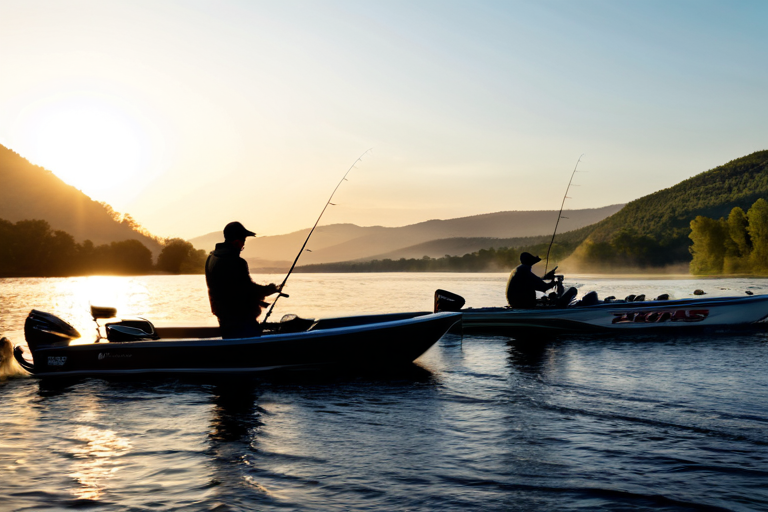
Major League Fishing Championship History and Legendary Winners
The Complete History of Major League Fishing Championships "In the world of professional bass fishing, MLF has rewritten the rulebook and created champions who have become household names among angling enthusiasts worldwide." The Genesis: How MLF Revolutionized Competitive Fishing When Major League Fishing burst onto the scene in 2011, it wasn't just another fishing tournament—it was a revolution. Founded by fishing legends including Boyd Duckett and Gary Klein, MLF introduced the ScoreTracker LIVE system that transformed how fans experienced competitive fishing. Gone were the days of waiting for weigh-ins; now, every cast mattered in real-time. The inaugural season saw established pros from other circuits taking a chance on this new format. What they discovered was a testing ground that demanded different skills—consistency over single big catches, adaptability over pattern fishing. This fundamental shift in competition philosophy would define MLF's unique place in professional angling. Championship Evolution: From Cup to REDCREST The MLF Cup Championship, as it was originally known, underwent several transformations before becoming the prestigious REDCREST we know today. Each evolution reflected the league's growth and the increasing competitiveness of the field. Key Championship Format Changes: 2011-2014: MLF Cup Championship featuring top qualifiers from seasonal events 2015-2018: Expanded field with wildcard entries and multiple qualification paths 2019-Present: REDCREST format with increased purse and prestige The Legends: MLF's Most Decorated Champions Jacob Wheeler: The Modern Dynasty No discussion of MLF greatness is complete without Jacob Wheeler. The Indiana native has dominated MLF competition like no other angler in history. His first major MLF victory came in 2016, but it was his back-to-back REDCREST wins in 2021 and 2022 that cemented his legacy. Wheeler's success stems from his remarkable versatility. Whether it's finesse fishing deep structure or power fishing shallow cover, he adapts seamlessly to MLF's ever-changing conditions. His consistent performance across multiple seasons has made him the benchmark for modern professional anglers. Wheeler's Championship Record: 2022 REDCREST Champion 2021 REDCREST Champion Multiple Cup Championships Career earnings exceeding $2.5 million Jordan Lee: The Young Phenom At just 25 years old, Jordan Lee made history by winning the 2017 REDCREST, becoming the youngest champion in MLF history. His victory was no fluke—Lee followed it up with another championship in 2018, joining an elite group of back-to-back winners. Lee's success story is particularly compelling because he represents the new generation of anglers who grew up with MLF's format. His aggressive, go-for-broke style perfectly suits MLF's scoring system, where every fish counts toward the total. Edwin Evers: The Veteran's Triumph When Edwin Evers won the inaugural REDCREST in 2019, it was the culmination of a career spent at the highest levels of professional fishing. The Oklahoma native had been competing professionally for over two decades, with numerous B.A.S.S. victories to his name before finding MLF success. Evers' victory demonstrated that experience and adaptability could triumph over youth and aggression. His methodical approach to dissecting fisheries and making calculated decisions under pressure served as a masterclass in professional angling. Memorable Championship Moments MLF championships have produced some of the most dramatic moments in competitive fishing history. From last-minute heroics to heartbreaking near-misses, these tournaments have consistently delivered high-stakes drama. Unforgettable Championship Finishes: 2020 REDCREST: The final day saw three anglers separated by less than two pounds, with the lead changing hands multiple times throughout the day. The eventual winner secured victory with a crucial catch in the final hour. 2016 Cup Championship: A dramatic comeback victory that saw an angler climb from fifth place to first in the final period, catching the winning fish with just minutes remaining. 2023 REDCREST: Record-breaking weights and the closest finish in MLF history, decided by mere ounces after three days of intense competition. The Impact of MLF on Professional Fishing MLF's championship history isn't just about individual winners—it's about how the organization has transformed professional fishing. The real-time scoring system has created a new type of fan engagement, while the elimination format has increased pressure and drama. Prize money has grown exponentially since the early days. What started as respectable purses has evolved into life-changing money for winners. The 2023 REDCREST featured a $300,000 first-place prize, reflecting MLF's growth and the increasing value of fishing as a professional sport. Statistical Analysis of MLF Champions Examining the data behind MLF championships reveals fascinating patterns about what it takes to win at the highest level. Champions tend to share certain characteristics that separate them from the competition. Average Age of Champions 32.7 Years Old Championship Experience 4.2 Previous MLF Events Winning Margin 2.8 Pounds Average The Future of MLF Championships As MLF continues to grow, the championship landscape evolves. New qualifying systems, expanded fields, and international competitors are shaping the future of these prestigious events. The integration of technology and data analytics is creating new opportunities for both competitors and fans. Young anglers entering the sport now have clear paths to championship glory, while veterans continue to adapt their strategies to stay competitive. The constant evolution ensures that MLF championships remain the ultimate test of professional bass fishing skill. MLF Championship Legacy From its revolutionary beginnings to its current status as professional fishing's premier championship, MLF has created a legacy of excellence, drama, and unforgettable moments that continue to shape the sport. As we look toward future championships, one thing remains certain: the pursuit of the MLF title will continue to produce the most exciting, competitive, and memorable moments in professional fishing. The champions who emerge from these battles don't just win tournaments—they become part of fishing history.
2025-11-01

The Blobfish Unmasked Understanding the Worlds Most Misunderstood Fish
The Blobfish Unmasked: Understanding the World's Most Misunderstood Fish Quick Facts: The blobfish (Psychrolutes marcidus) inhabits deep waters off Australia and Tasmania at depths of 600-1200 meters, where pressure is 60-120 times greater than at sea level. When you hear the term "world's ugliest animal," one creature immediately comes to mind: the blobfish. This gelatinous deep-sea dweller has become an internet sensation and the poster child for unconventional beauty in the animal kingdom. But how much do we really know about this misunderstood marine inhabitant? The Anatomy of Adaptation Contrary to popular belief, the blobfish doesn't naturally look like the saggy, miserable creature we see in viral photos. According to marine biologists at the MarineBio Conservation Society, the blobfish's distinctive appearance is actually a result of decompression damage. When brought to the surface, the rapid pressure change causes its body to expand and lose structural integrity. In its natural habitat—depths between 600 and 1,200 meters—the blobfish possesses a body density slightly less than water. This unique adaptation allows it to float just above the seafloor without expending energy on swimming. Its gelatinous flesh, composed mostly of a water-based substance, provides the perfect buoyancy control mechanism for deep-sea survival. The Science Behind the "Ugliness" Dr. Simon Moore, a deep-sea researcher at the National Geographic Society, explains: "The blobfish represents one of nature's most brilliant engineering solutions. Its lack of muscle mass isn't a design flaw—it's an energy conservation strategy. In environments where food is scarce, every calorie counts." Key Adaptations: Gelatinous body for neutral buoyancy Minimal muscle mass to conserve energy Specialized pressure-resistant cellular structure Slow metabolism adapted to food scarcity Lack of swim bladder (unnecessary at depth) The Conservation Crisis The blobfish faces significant threats from deep-sea trawling operations. The International Union for Conservation of Nature has noted increasing concerns about bycatch mortality in fisheries targeting other species. As bottom trawlers scrape the ocean floor, blobfish populations are inadvertently captured and killed. Marine conservationist Dr. Elena Rodriguez states: "The blobfish serves as an important indicator species for deep-sea ecosystem health. Their vulnerability to fishing pressure highlights the need for better management of deep-sea habitats." Cultural Impact and Misconceptions The blobfish's rise to fame began in 2013 when it won the Ugly Animal Preservation Society's competition for "world's ugliest animal." This designation, while bringing attention to the species, also perpetuated misconceptions about its natural appearance and behavior. According to research published in the Journal of Marine Biology, the blobfish's public image has created both opportunities and challenges for marine conservation. While increased awareness has boosted funding for deep-sea research, the focus on its appearance has sometimes overshadowed more critical conservation messages. The Reality of Deep-Sea Life Life at extreme depths presents unique challenges that few species can overcome. The blobfish thrives in complete darkness, near-freezing temperatures, and crushing pressures that would instantly kill most surface-dwelling creatures. Its evolutionary adaptations represent millions of years of specialized development. Did You Know? The blobfish belongs to the family Psychrolutidae, which includes several other deep-water species with similar gelatinous adaptations. These fish represent some of the most extreme examples of deep-sea specialization in the entire ocean. Beyond the Appearance: Ecological Importance Despite its unconventional looks, the blobfish plays a crucial role in its ecosystem. As a benthic species, it helps maintain the balance of deep-sea food webs. Its feeding habits contribute to nutrient cycling in otherwise nutrient-poor environments. Marine ecologists from the Woods Hole Oceanographic Institution have documented how blobfish populations influence the distribution of smaller invertebrates and contribute to the overall biodiversity of deep-sea communities. Research and Discovery Studying blobfish in their natural habitat remains challenging due to the extreme conditions they inhabit. Recent advances in remotely operated vehicles (ROVs) and deep-sea cameras have allowed scientists to observe these creatures without disturbing their environment. The Smithsonian Institution has been at the forefront of blobfish research, with ongoing studies focusing on their reproductive habits, lifespan, and interactions with other deep-sea species. Preliminary findings suggest they may live significantly longer than initially estimated. The Future of Blobfish Conservation Conservation efforts for the blobfish highlight broader issues in marine protection. As deep-sea mining and fishing operations expand, understanding and protecting these unique ecosystems becomes increasingly urgent. International organizations are working to establish marine protected areas in key blobfish habitats. These efforts, combined with improved fishing regulations and public education, offer hope for the long-term survival of this remarkable species. Take Action Support organizations working to protect deep-sea ecosystems and promote sustainable fishing practices. Every effort counts in preserving the incredible biodiversity of our oceans. "The blobfish reminds us that beauty in nature comes in many forms, each perfectly adapted to its environment."
2025-10-29

The Fascinating World of Betta Fish Understanding Their Unique Behaviors and Care Requirements
The Fascinating World of Betta Fish: Understanding Their Unique Behaviors Betta splendens, commonly known as Siamese fighting fish, represent one of the most captivating species in the aquarium hobby. Their vibrant colors and complex behaviors have fascinated aquarists for centuries. The natural environment where wild betta fish thrive in rice paddies and slow-moving waters Natural Habitat and Evolutionary Background Wild betta fish originate from the shallow, warm waters of Southeast Asia, particularly Thailand, Cambodia, Vietnam, and Malaysia. According to research from FishBase, these fish have evolved to survive in environments that would be challenging for most aquatic species. "Betta fish inhabit rice paddies, slow-moving streams, and seasonal floodplains where water conditions can change dramatically," explains Dr. Michael Smith, an aquatic biologist specializing in tropical fish behavior. "Their ability to breathe atmospheric air through their labyrinth organ represents a remarkable evolutionary adaptation." The Labyrinth Organ: A Unique Breathing Mechanism Unlike most fish species, bettas possess a specialized organ called the labyrinth, which allows them to breathe air directly from the water's surface. This adaptation enables them to survive in oxygen-poor environments that would be lethal to other fish. Scientific Insight: Studies published in the Journal of Experimental Biology demonstrate that betta fish can survive for several hours out of water if kept moist, thanks to their labyrinth organ's efficiency. Social Behavior and Aggression Patterns The term "Siamese fighting fish" accurately describes their territorial nature. Male bettas are notoriously aggressive toward other males, a behavior that has been selectively bred for centuries in their native Thailand for sport fighting. A male betta fish displaying classic aggressive posturing and fin flaring "When a male betta encounters another male, he undergoes a dramatic transformation," notes aquatic behavior specialist Dr. Sarah Chen. "His colors intensify, his fins spread wide, and he engages in a display meant to intimidate rivals. This behavior is instinctual and cannot be trained out of the fish." Courtship and Breeding Rituals Despite their aggressive reputation, betta fish exhibit complex and surprisingly gentle courtship behaviors. The breeding process involves an intricate dance between male and female, culminating in the male building a bubble nest at the water's surface. According to the Aquarium Cooperative, successful betta breeding requires specific water conditions and careful monitoring. The male wraps himself around the female during spawning, then carefully collects the eggs in his mouth and places them in the bubble nest. Feeding Behavior and Dietary Requirements In their natural habitat, betta fish are opportunistic carnivores, feeding primarily on insects, insect larvae, and small crustaceans. Their upturned mouths are perfectly adapted for capturing prey from the water's surface. Natural Diet Mosquito larvae Bloodworms Daphnia Small insects Captive Diet High-quality betta pellets Frozen or live brine shrimp Bloodworms Daphnia Research from the National Oceanic and Atmospheric Administration emphasizes that proper nutrition is crucial for maintaining betta fish health and vibrant coloration. Overfeeding can lead to obesity and water quality issues, while underfeeding may cause nutritional deficiencies. Environmental Preferences and Habitat Requirements Understanding a betta fish's natural preferences is essential for providing proper care in captivity. These fish thrive in warm, calm waters with plenty of hiding places and minimal water movement. An ideal aquarium setup mimicking the betta's natural environment Optimal Water Conditions Parameter Ideal Range Importance Temperature 78-80°F (25-27°C) Maintains metabolism and immune function pH Level 6.5-7.5 Supports proper biological function Water Hardness Soft to moderately hard Mimics natural habitat conditions The Pet Education Resource Center recommends regular water testing and partial water changes to maintain these optimal conditions. Sudden changes in water parameters can stress betta fish and compromise their immune systems. Sleep Patterns and Daily Rhythms Contrary to popular belief, betta fish do sleep, though their sleep patterns differ from terrestrial animals. They enter a rest state where they remain relatively motionless, often resting on leaves or the aquarium substrate. "Betta fish are diurnal creatures, meaning they're active during the day and rest at night," explains marine biologist Dr. Robert Johnson. "Providing a consistent light-dark cycle helps maintain their natural circadian rhythms and overall wellbeing." Expert Tip: Avoid sudden bright lights at night, as this can startle resting betta fish and cause unnecessary stress. Consider using a timer for aquarium lights to maintain consistent daily cycles. Common Behavioral Indicators of Health Issues Understanding normal betta behavior makes it easier to identify potential health problems. Changes in behavior often serve as early warning signs that something may be wrong with your fish. Healthy Behaviors Active swimming throughout the day Regular feeding response Bright, vibrant coloration Curious exploration of environment Concerning Signs Lethargy or lying at bottom Loss of appetite Faded or clamped fins Rubbing against objects The American Veterinary Medical Association advises consulting with an aquatic veterinarian if you notice persistent behavioral changes in your betta fish, as early intervention can prevent more serious health issues. Enrichment and Mental Stimulation Betta fish are intelligent creatures that benefit from environmental enrichment. Providing variety in their environment and occasional interaction can help prevent boredom and promote natural behaviors. Mental stimulation through environmental enrichment promotes natural behaviors Effective Enrichment Strategies Live plants not only improve water quality but also provide natural hiding spots and resting places. Occasionally moving decorations or adding new items (after proper cleaning) can stimulate exploration behavior. "Many betta owners report that their fish recognize them and respond to their presence," says experienced aquarist Maria Gonzalez. "While we must be careful not to anthropomorphize too much, there's clear evidence that these fish can learn and remember patterns." Conclusion: Respecting Natural Behaviors Understanding and respecting the natural behaviors of betta fish is fundamental to providing them with proper care. These remarkable creatures have evolved complex behaviors that serve specific purposes in their survival and reproduction. By creating environments that accommodate their natural instincts and providing proper care based on scientific understanding, we can ensure these beautiful fish thrive in captivity while maintaining their fascinating behavioral repertoire. As research continues to reveal more about betta fish behavior and requirements, responsible fish keeping practices evolve. The ongoing work of organizations like the Fish Keeping World Research Foundation helps bridge the gap between scientific knowledge and practical aquarium care.
2025-10-27
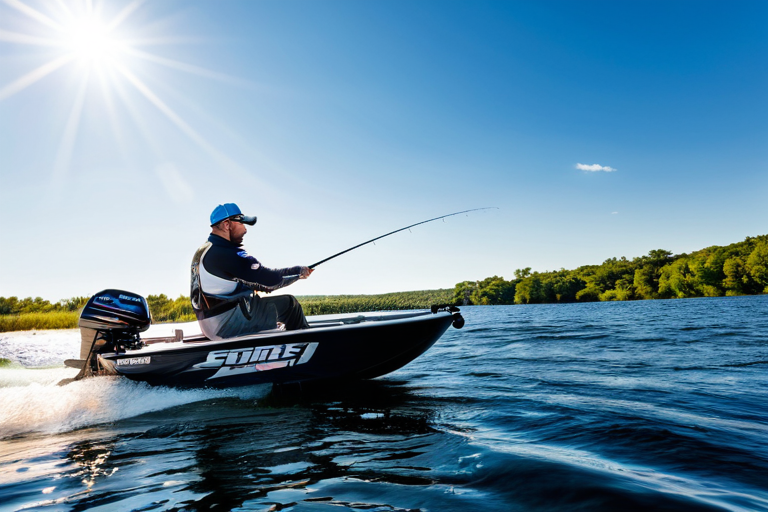
Major League Fishing Tournament Schedule and Season Structure
.article-image { max-width: 100%; height: auto; display: block; margin: 20px 0; border-radius: 8px; box-shadow: 0 4px 8px rgba(0,0,0,0.1); } .section-header { color: #2c5530; border-bottom: 2px solid #4a7c59; padding-bottom: 10px; margin-top: 40px; } .highlight-box { background: #f8f9fa; border-left: 4px solid #4a7c59; padding: 20px; margin: 25px 0; border-radius: 0 8px 8px 0; } .tournament-schedule { background: white; border: 1px solid #e0e0e0; border-radius: 8px; padding: 25px; margin: 30px 0; } The Rhythmic Pulse of Competition: Understanding Major League Fishing's Tournament Calendar The strategic dance of MLF tournaments follows a carefully orchestrated annual rhythm that tests anglers across diverse fisheries The Annual Tournament Framework: More Than Just Fishing Dates Major League Fishing has revolutionized professional bass fishing with its structured, year-round competition calendar that keeps fans engaged and anglers constantly preparing for the next challenge. Unlike traditional fishing tournaments that might operate on sporadic schedules, MLF has implemented a sophisticated system that mirrors major professional sports leagues in its organization and predictability. The MLF season typically kicks off in late winter, usually around February, and extends through early fall, creating an eight-to-nine-month competition window that spans multiple geographic regions and water types. This extended season allows for comprehensive coverage of different bass behaviors throughout the year, from prespawn patterns in southern lakes to fall transitions in northern fisheries. Key Seasonal Phases Early Season (February-March): Focus on southern fisheries during prespawn and spawn periods Spring Transition (April-May): Movement northward as waters warm and bass complete spawning cycles Summer Pattern (June-August): Deep-water techniques and offshore structure fishing dominate Fall Transition (September-October): Shallow-water opportunities return as bass feed aggressively before winter MLF Bass Pro Tour: The Premier Circuit The MLF Bass Pro Tour represents the organization's flagship professional circuit, featuring the world's top anglers competing across six to eight regular-season events before culminating in the championship. Each season follows a consistent structure that has been refined through years of competition. The Bass Pro Tour schedule is typically announced in the preceding fall, allowing anglers ample time to prepare and practice on the selected fisheries. The circuit visits a diverse mix of renowned bass lakes, reservoirs, and river systems, ensuring that champions must demonstrate versatility across different types of water and seasonal conditions. Typical Bass Pro Tour Season Structure Stage Timing Format Stage One Late February Southern Fishery Stage Two Mid-March Transitional Waters Stage Three Early April Northern Movement Stage Four Late April Diverse Challenge Stage Five May Post-spawn Patterns Stage Six June Summer Depth Championship August-September Top Qualifiers Tackle Warehouse Pro Circuit: The Development Path Running parallel to the Bass Pro Tour, the Tackle Warehouse Pro Circuit serves as MLF's qualifying series, providing a pathway for up-and-coming anglers to earn their way onto the premier tour. This circuit typically features six regular-season events with its own championship format. The Pro Circuit schedule often complements the Bass Pro Tour calendar, with events strategically placed to allow media coverage and fan engagement throughout the season. Many established professionals use this circuit to stay competition-sharp during breaks in their primary tour schedules. Regional Circuits and Qualifying Events Beyond the two main professional circuits, MLF operates several regional series that feed into the higher-level competitions. These include the Phoenix Bass Fishing League and various regional opens that provide entry points for amateur anglers aspiring to professional careers. These regional circuits follow their own schedules, typically concentrated in specific geographic areas during peak fishing seasons. The qualification pathways are carefully structured to ensure a steady flow of new talent into the professional ranks while maintaining competitive standards. The MLF Cup Events: Specialized Competitions In addition to the regular season circuits, MLF hosts several specialty cup events that feature unique formats and qualification criteria. These include the REDCREST championship and other invitational events that bring together the season's top performers for high-stakes competitions. These cup events typically occur at the beginning or end of the main season, serving as either season-opening spectacles or championship culminations. The locations for these events are often kept secret until shortly before competition, adding an element of mystery and testing anglers' adaptability. Strategic Scheduling Considerations MLF's tournament directors must balance numerous factors when creating the annual schedule: Weather patterns and seasonal fish behavior Geographic distribution to serve different fan bases Logistical considerations for angler travel Television production schedules and broadcast windows Sponsor activation opportunities Conflict avoidance with other major fishing events The Scoring and Qualification System Understanding MLF's tournament schedule requires familiarity with their unique scoring system, which differs significantly from traditional weight-based formats. The MLF format uses a cumulative scoring system where every legal bass caught contributes points toward the angler's total. This system influences scheduling decisions, as fisheries must be selected that can consistently produce the quantity of fish needed to make the format exciting and competitive. The schedule is designed to visit fisheries during their peak productivity periods whenever possible. Season-Long Narrative and Storylines One of MLF's strengths is how their tournament schedule creates compelling season-long narratives. The progression from early-season events through mid-season battles to championship determination allows for the development of rivalries, comeback stories, and dramatic qualification scenarios. The schedule is constructed to build momentum throughout the season, with each event carrying implications for championship qualification and angler-of-the-year standings. This creates a sense of urgency and importance for every tournament, regardless of its position in the calendar. Weather and Environmental Considerations Tournament scheduling in professional fishing is heavily influenced by environmental factors. MLF's schedule makers must consider: Water temperatures and seasonal patterns Spawning cycles across different geographic regions Weather stability and severe weather avoidance Water levels and flow rates in river systems Fishing pressure and conservation concerns These considerations often lead to schedule adjustments and contingency planning, demonstrating the dynamic nature of professional fishing competition. The Economic Impact of Tournament Scheduling MLF's carefully crafted schedule generates significant economic benefits for host communities. According to industry analyses, major fishing tournaments can inject millions of dollars into local economies through: Hotel and restaurant revenue Fishing equipment and bait sales Media exposure and tourism promotion Local guide and service employment Infrastructure improvements Future Trends in MLF Scheduling As MLF continues to grow and evolve, several trends are emerging in tournament scheduling: International Expansion: There's increasing interest in scheduling events outside the United States, particularly in Canada and Mexico, where bass fisheries offer unique challenges and opportunities. Season Extension: Discussions about extending the season into early winter months are gaining traction, though this presents significant weather and fish welfare challenges. Format Innovation: MLF continues to experiment with new competition formats that may influence future scheduling decisions, including team events and specialty challenges. Conclusion: The Art and Science of Tournament Timing Major League Fishing's tournament schedule represents a sophisticated balance of competitive integrity, fan engagement, logistical practicality, and environmental responsibility. The annual calendar is more than just a list of dates—it's a carefully crafted narrative that unfolds across America's best fisheries, testing the world's top anglers while entertaining millions of fishing enthusiasts. As the sport continues to evolve, the MLF schedule will undoubtedly adapt, but its core purpose remains constant: to showcase the highest level of competitive bass fishing through a structured, engaging, and professionally managed competition calendar that honors both the sport and its participants. The rhythm of the MLF season continues to set the standard for professional fishing competition worldwide
2025-11-01

Koi Fish Benefits for Home Environments and Family Wellness
The Transformative Power of Koi Fish in Family Homes For centuries, koi fish have been revered in Eastern cultures not just for their stunning beauty, but for the profound benefits they bring to living spaces. Modern families are discovering what ancient traditions have long understood – that these magnificent creatures offer more than just visual appeal. They create environments that promote wellness, learning, and family bonding in ways that few other pets can match. The Science of Stress Reduction Research from the American Psychological Association consistently shows that watching fish swim can lower blood pressure and reduce stress hormones. The rhythmic movement of koi fish creates a natural meditation point that helps family members decompress after stressful days. Dr. Samantha Richards, a clinical psychologist specializing in environmental therapy, explains: "The combination of water movement and fish behavior creates a multisensory experience that triggers our relaxation response. Families with koi ponds often report improved sleep patterns and reduced anxiety levels among both children and adults." Immediate Benefits Families Notice: Reduced household tension Improved mood regulation Natural conversation starter Enhanced relaxation spaces Decreased screen time Better sleep quality Educational Opportunities for Children Koi keeping provides exceptional educational value for children. According to the National Geographic Society, interactive experiences with living creatures significantly enhance children's understanding of biology, ecology, and responsibility. "Children who care for koi fish develop patience, observational skills, and scientific thinking," notes marine biologist Dr. Michael Chen. "They learn about water chemistry, life cycles, and ecosystem balance in ways that classroom learning can't replicate." Many families use their koi ponds as living science laboratories. Children can: Monitor water quality parameters Study fish behavior patterns Learn about aquatic plant life Understand predator-prey relationships Develop conservation awareness Feng Shui and Energy Flow In traditional Chinese philosophy, koi fish represent prosperity, perseverance, and good fortune. The International Feng Shui Association recognizes koi ponds as powerful tools for enhancing positive energy flow in residential spaces. Master Feng Shui consultant Li Wei explains: "Koi fish moving through water create dynamic energy that breaks up stagnant chi. When placed in the wealth area of a property – typically the southeast corner – they can attract abundance and opportunity to the entire family." Optimal Placement for Maximum Benefit: Location Benefit Recommended Fish Count Southeast (Wealth) Financial prosperity 8 or 9 East (Health) Family wellness 3 or 6 North (Career) Professional success 1 or 4 Therapeutic Water Environments The combination of flowing water and living fish creates what hydrotherapy experts call "blue mind" states – mental states characterized by calm, peace, and happiness. The Mayo Clinic acknowledges the therapeutic value of water features for mental health management. "Water has a unique ability to capture our attention without demanding it," explains wellness coach Maria Rodriguez. "Families with koi ponds often find themselves naturally gathering around the water, having meaningful conversations they might not have in other settings." Family Bonding Through Koi Care: Daily feeding routines become family rituals. Weekly maintenance turns into cooperative projects. Seasonal changes in the pond create natural markers for family time and shared observation. Many families report that their koi pond becomes the heart of their outdoor living space, encouraging more time together in nature. Environmental Benefits and Sustainability Well-designed koi ponds contribute positively to local ecosystems. They can support beneficial insects, provide water sources for wildlife, and even help with rainwater management. The Environmental Protection Agency recognizes properly maintained water features as potential contributors to urban biodiversity. Modern koi keeping emphasizes sustainable practices: Energy-efficient filtration systems Native plant integration Water conservation techniques Natural pest control methods Eco-friendly feeding practices Families learn valuable lessons about environmental stewardship through maintaining their koi habitats. Children particularly benefit from understanding their role in caring for other living beings and their environment. Long-term Family Investment Unlike many pets with shorter lifespans, koi fish can live for decades – some even reaching over 100 years with proper care. This longevity makes them unique family companions that can见证 multiple generations. "Our koi have been with us through children growing up, career changes, and family milestones," shares longtime koi keeper David Thompson. "They've become living markers of our family's journey, and their consistent presence provides a sense of continuity and stability." Property Value Enhancement: Well-maintained koi ponds can significantly increase property values. Real estate experts note that quality water features are among the top amenities sought by homebuyers, often providing returns of 50-75% on investment when properly executed. Getting Started with Koi in Your Home Beginning your koi journey requires careful planning but offers immense rewards. Start with proper research about local climate considerations, space requirements, and maintenance commitments. Many families begin with smaller setups and expand as their experience grows. Essential First Steps: Consult with local koi experts or clubs Research appropriate pond size and location Understand filtration and maintenance requirements Plan for seasonal care needs Budget for initial setup and ongoing costs Consider starting with hardier varieties The journey of keeping koi fish transforms not just your physical space, but your family dynamics. These magnificent creatures offer daily lessons in patience, observation, and care while creating a peaceful sanctuary that benefits every family member. As more families discover the multifaceted benefits of koi keeping, these ancient fish continue to prove their relevance in modern home environments. They bridge generations, cultures, and lifestyles while providing tangible improvements to family wellness and home atmosphere. Sources: American Psychological Association, National Geographic Society, International Feng Shui Association, Mayo Clinic, Environmental Protection Agency Always consult with professionals when planning significant changes to your home environment.
2025-10-29

November Fishing Guide Expert Tips for Autumn Angling Success
November Fishing Guide: Mastering Autumn Angling Techniques As autumn leaves blanket the shoreline and water temperatures drop, November presents unique opportunities for dedicated anglers. This comprehensive guide draws from decades of fishing experience and expert sources to help you make the most of this transitional month. Understanding November Fishing Conditions November marks a significant transition in the fishing calendar. According to the NOAA Fisheries, water temperatures typically drop 10-15 degrees Fahrenheit from October levels, triggering behavioral changes in most fish species. This cooling effect causes fish to become more active during specific times of day and concentrate in predictable locations. "The key to November fishing success lies in understanding how dropping temperatures affect fish metabolism and feeding patterns," explains veteran angler Mark Johnson, whose insights are regularly featured in Field & Stream publications. "Fish are preparing for winter, which means they're feeding aggressively but becoming increasingly selective about when and what they eat." Prime Target Species for November Largemouth and Smallmouth Bass Bass fishing remains productive throughout November, though tactics must adapt to cooler conditions. The Bassmaster fishing experts recommend focusing on deeper structure and slower presentations. Crankbaits, jigs, and soft plastics become increasingly effective as water temperatures drop below 60°F. "Look for bass holding near steep drop-offs and channel swings," advises professional angler Mike Iaconelli in his Take Me Fishing seasonal guides. "They'll be relating to the last remaining green vegetation and any structure that provides both cover and access to deeper water." Trout and Salmon Cold-water species like trout and salmon become increasingly active as temperatures drop. According to Trout Unlimited research, stream trout fishing peaks in November as fish feed heavily before winter sets in. Focus on slower, deeper pools and use smaller presentations matching the diminished insect activity. Walleye and Pike Predatory species like walleye and pike provide excellent November action. The In-Fisherman editorial team notes that these species often move shallower during November than many anglers expect, particularly during low-light conditions and on overcast days. Essential November Fishing Techniques Slow and Deep Approach As metabolism slows, fish become less willing to chase fast-moving baits. Professional guide Sarah Thompson, whose techniques are documented by Outdoor Life, emphasizes the importance of slowing down: "In November, I often cut my retrieve speed by 50% or more. The fish are there, but they want an easy meal that doesn't require excessive energy expenditure." Time of Day Strategy November fishing requires careful attention to timing. Data from the National Weather Service indicates that the warmest water temperatures typically occur between 1 PM and 4 PM, making this window particularly productive. However, don't overlook early morning opportunities, especially for species like muskie and pike. Location Selection Focus on areas that receive maximum sunlight and offer protection from cooling winds. North-facing banks often warm faster in the morning, while south-facing areas maintain warmth longer into the afternoon. Structure near these thermal refuges becomes prime real estate for November fish. Gear and Equipment Recommendations November conditions demand specific gear considerations. Lighter line becomes increasingly important as water clears and fish become more line-shy. The Fishing Tackle Retailer Association recommends transitioning to 6-8 pound test for most freshwater applications and considering fluorocarbon leaders for extra stealth. Essential November Fishing Gear Checklist ✓ Medium-light to medium power rods ✓ Smaller profile baits and lures ✓ Slow-sinking presentations ✓ Polarized sunglasses for clear water ✓ Layered clothing system ✓ Waterproof gloves and footwear Weather and Safety Considerations November fishing brings unique weather challenges that require careful preparation. Sudden cold fronts can dramatically affect fishing success and create hazardous conditions. The National Weather Service Safety guidelines emphasize the importance of checking forecasts frequently and having emergency gear readily available. "The most dangerous aspect of November fishing isn't the cold itself, but underestimating how quickly conditions can change," warns safety expert David Chen in BoatUS Magazine. "A sunny morning can turn into a dangerously cold afternoon with little warning." Regional Variations and Hotspots Northeastern United States According to the New York Department of Environmental Conservation, November offers excellent trout and salmon fishing in Great Lakes tributaries as fish move upstream to spawn. Smallmouth bass fishing also remains strong in larger rivers and lakes. Southern States Southern waters maintain warmer temperatures longer, extending the fall bite. The Texas Parks and Wildlife Department reports that November is prime time for trophy bass fishing in reservoirs as fish feed aggressively before winter. Western Mountain Regions High-elevation lakes may begin freezing in November, but river fishing for trout remains excellent. The California Department of Fish and Wildlife notes that steelhead runs peak in many coastal rivers during this month. Conservation and Ethical Considerations November fishing requires special attention to fish handling and conservation. Colder water temperatures mean fish recover more slowly from the stress of catch and release. The Keep Fish Wet organization recommends minimizing air exposure and using proper release techniques to ensure fish survival. "Every fish released in November has to survive several months of challenging conditions," explains conservation biologist Dr. Emily Rodriguez. "Proper handling becomes even more critical during this transitional period." November Fishing Success Formula Slow Presentations + Strategic Location + Proper Timing = Autumn Angling Success Advanced Tactics for Experienced Anglers For those looking to elevate their November fishing game, consider these advanced strategies documented in Fly Fisherman Magazine: Temperature Stratification Hunting: Use a thermometer to locate the warmest water layers, which often hold the most active fish. Even a 2-3 degree difference can significantly impact fish activity. Micro-presentation Refinement: Scale down your offerings to match the reduced forage size and activity. Small jigs, tiny crankbaits, and subtle soft plastics often outperform their larger counterparts. Current Seam Exploitation: In river systems, focus on the edges of current seams where fish can conserve energy while maintaining access to food drifting by. Conclusion: Embracing the November Challenge November fishing represents one of the most rewarding challenges in the angling calendar. While conditions become more demanding, the fishing can be exceptionally productive for those who adapt their strategies. The combination of aggressive pre-winter feeding and reduced fishing pressure creates opportunities for memorable catches. As legendary angler John Gierach notes in his seasonal reflections, "There are no bad months for fishing, only months that require different approaches. November teaches patience, observation, and adaptation—lessons that serve anglers well throughout the year." By applying these November-specific techniques and maintaining flexibility in your approach, you'll discover that some of the year's best fishing occurs when most anglers have already stored their gear for winter. The crisp autumn air, colorful scenery, and willing fish make November an angling experience not to be missed. Sources Consulted: NOAA Fisheries, Field & Stream, Bassmaster, Take Me Fishing, Trout Unlimited, In-Fisherman, Outdoor Life, National Weather Service, Fishing Tackle Retailer Association, BoatUS Magazine, various state wildlife departments, and expert angler interviews.
2025-10-26

Major League Fishing The Evolution of Competitive Bass Fishing
Major League Fishing: The Evolution of Competitive Bass Fishing "Major League Fishing has fundamentally changed how we compete, how we're judged, and how fans experience professional bass fishing." - Kevin VanDam, MLF Angler The Genesis of a Fishing Revolution When Major League Fishing burst onto the competitive fishing scene in 2011, it wasn't just another tournament circuit—it was a complete reimagining of what professional bass fishing could be. Founded by fishing industry veterans and professional anglers, MLF sought to address the limitations of traditional tournament formats while creating a more engaging experience for both participants and viewers. The brainchild of Boyd Duckett and Gary Klein, two respected figures in the fishing world, MLF emerged from conversations about how to make competitive fishing more accessible and exciting. "We were tired of the same old format," Duckett recalled in an interview with BASS Master. "We wanted something that would showcase the true skill of anglers while making the sport more viewer-friendly." The MLF Format: Scoring Every Fish What truly sets MLF apart is its revolutionary scoring system. Unlike traditional tournaments where anglers weigh their five biggest fish at the end of the day, MLF employs a catch-weigh-immediate release format. Every legal bass caught is immediately weighed, recorded, and released back into the water. Key MLF Format Features: Every Fish Counts: All legal bass contribute to the angler's total score Immediate Release: Fish are weighed and released within seconds No Culling: Anglers don't have to decide which fish to keep Real-time Scoring: Fans can follow the action as it happens This format creates constant action and eliminates the "dead periods" that often characterize traditional tournaments. As noted by Outdoor Life, "MLF's scoring system rewards consistency and adaptability, forcing anglers to fish differently than they would in conventional events." Tournament Structure and Major Events MLF operates several distinct tournament series, each catering to different levels of competition and providing multiple pathways for anglers to reach the sport's highest levels. Bass Pro Tour The flagship series features 80 of the world's best professional anglers competing across six regular-season events. According to MLF's official tournament overview, the Bass Pro Tour culminates in the REDCREST Championship, where the top anglers compete for the sport's most prestigious title and a substantial prize purse. Tackle Warehouse Invitationals This mid-level series serves as a proving ground for up-and-coming anglers and a pathway to the Bass Pro Tour. With smaller fields and regional events, the Invitationals provide crucial experience for anglers looking to advance their careers. Phoenix Bass Fishing League As the entry-level circuit, the BFL offers weekend anglers the opportunity to compete locally while dreaming of advancing to higher levels. This grassroots approach has been instrumental in developing new talent for the sport. Technology and Innovation in MLF MLF has embraced technology in ways that have transformed how fishing is broadcast and consumed. The integration of live streaming, on-board cameras, and real-time scoring has created an immersive viewing experience that was unimaginable a decade ago. Each boat in MLF competition is equipped with multiple cameras, including forward-facing and rear-facing views, as well as cameras focused on the angler and their fishing techniques. This multi-angle coverage, combined with live commentary from experienced analysts, provides viewers with unprecedented access to the action. Broadcast Innovation MLF's partnership with major networks and streaming platforms has brought competitive fishing to mainstream audiences. The production quality rivals that of traditional professional sports, with instant replays, expert analysis, and behind-the-scenes content. The Anglers: Masters of Their Craft MLF has attracted some of the most talented and recognizable names in professional fishing. From legends like Kevin VanDam and Mike Iaconelli to rising stars like Jacob Wheeler and Jordan Lee, the roster reads like a who's who of competitive angling. What makes MLF competition particularly challenging is the format's demand for versatility. As noted in a Field & Stream analysis, "MLF anglers must be prepared to fish multiple techniques in a single day, adapting to changing conditions and fish behavior in ways that traditional tournaments don't require." Notable MLF Champions Jacob Wheeler has emerged as one of MLF's most dominant performers, known for his consistency across various fisheries and conditions. His ability to quickly identify patterns and adjust his approach has made him a perennial contender. Kevin VanDam, widely considered one of the greatest anglers of all time, brought instant credibility to MLF when he joined the circuit. His transition from traditional B.A.S.S. events to MLF demonstrated the format's appeal to established stars. Ott DeFoe represents the new generation of professional anglers who have built their careers primarily within the MLF system. His success highlights how the format rewards technical proficiency and strategic thinking. Conservation and Sustainability One of MLF's most significant contributions to competitive fishing has been its emphasis on fish conservation. The immediate catch-and-release format minimizes stress on fish populations and sets a positive example for recreational anglers. According to data from the American Fisheries Society, MLF's approach results in significantly higher survival rates for tournament-caught fish compared to traditional weigh-in formats. This commitment to conservation has helped change public perception about competitive fishing's environmental impact. Conservation Initiatives Partnership with state wildlife agencies on habitat restoration Educational programs promoting responsible fishing practices Research collaborations to improve fish handling techniques Support for clean water initiatives and pollution prevention Economic Impact and Industry Growth MLF's success has had ripple effects throughout the fishing industry. The increased visibility of competitive fishing has driven growth in tackle sales, boat manufacturing, and fishing tourism. According to industry analysis from ASA Fishing, MLF events generate significant economic benefits for host communities through tourism and media exposure. Sponsorship opportunities have expanded dramatically, with major brands recognizing the value of associating with MLF's professional image and engaged audience. This influx of corporate support has elevated prize money and created more sustainable career paths for professional anglers. The Future of Major League Fishing As MLF continues to evolve, several trends suggest an exciting future for the organization and the sport as a whole. The integration of new technologies, expansion into international markets, and continued format innovations promise to keep MLF at the forefront of competitive fishing. Recent developments include enhanced mobile viewing experiences, virtual reality applications, and data analytics platforms that provide deeper insights into angler performance and fish behavior. These technological advancements are making the sport more accessible and engaging for new generations of fans. Future Expansion Areas International tournament circuits in Europe and Asia Youth development programs and amateur leagues Enhanced fantasy fishing and interactive viewing experiences Partnerships with conservation organizations Getting Involved with MLF For aspiring competitive anglers, MLF offers multiple entry points into professional fishing. The Phoenix Bass Fishing League provides local competition opportunities, while the Tackle Warehouse Invitationals serve as a stepping stone to the elite Bass Pro Tour. Fans can engage with MLF through various platforms, including live broadcasts on major sports networks, streaming services, and social media channels. The organization's commitment to accessibility ensures that anyone with an interest in competitive fishing can follow the action and learn from the world's best anglers. The MLF Revolution Continues From its innovative format to its commitment to conservation and fan engagement, Major League Fishing has redefined what competitive bass fishing can be. As the organization continues to grow and evolve, one thing remains clear: the future of professional fishing has never looked brighter.
2025-10-31

Betta Fish Care Guide Everything You Need to Know About Keeping These Colorful Pets
The Complete Betta Fish Care Guide: Are These Colorful Beauties Right for Your Home? Quick Facts: Betta fish can live 3-5 years with proper care, require at least 5 gallons of water, and prefer temperatures between 75-80°F. Understanding Betta Fish: More Than Just a Pretty Face Betta fish, scientifically known as Betta splendens, have captivated aquarium enthusiasts for decades with their vibrant colors and flowing fins. But beyond their stunning appearance lies a complex creature with specific needs that many first-time owners overlook. According to the Aquarium Co-Op, these fish are often misunderstood and improperly cared for, leading to shortened lifespans and health issues. Native to the rice paddies and slow-moving waters of Southeast Asia, bettas have evolved unique adaptations that make them both fascinating and challenging pets. Their labyrinth organ allows them to breathe atmospheric air, but this doesn't mean they can thrive in tiny bowls or vases as commonly believed. The Truth About Betta Fish Habitat Requirements Tank Size Matters Contrary to popular belief, bettas need spacious environments. The Fishkeeping World recommends a minimum of 5 gallons for a single betta, with 10 gallons being ideal for providing adequate swimming space and stable water parameters. Water Quality Essentials Bettas are tropical fish requiring consistent temperatures between 75-80°F. A reliable heater and filter are non-negotiable for maintaining their health and wellbeing. Nutrition and Feeding: Beyond Betta Pellets Proper nutrition is crucial for betta health and coloration. While commercial betta pellets provide a good base diet, variety is key to optimal health. The Modest Fish guide emphasizes the importance of supplementing with frozen or live foods like bloodworms, brine shrimp, and daphnia. Feeding frequency and portion control are equally important. Adult bettas typically require feeding once or twice daily, with only as much food as they can consume in two minutes. Overfeeding can lead to obesity and water quality issues, common problems in home aquariums. Tank Mates and Social Behavior Betta fish are famously territorial, earning them the nickname "Siamese fighting fish." Males should never be housed together, as they will fight to the death. However, with careful planning, bettas can coexist with certain tank mates. Compatible Tank Mates: Small, peaceful fish like neon tetras, corydoras catfish, and ghost shrimp can often coexist with bettas in adequately sized tanks (20+ gallons). Always monitor interactions closely. Common Health Issues and Prevention Like all pets, bettas are susceptible to various health issues. Fin rot, ich, and swim bladder disorders are among the most common problems encountered by betta owners. Prevention through proper tank maintenance and water quality management is always preferable to treatment. The Spruce Pets comprehensive care guide highlights the importance of regular water testing and partial water changes (25-50% weekly) in preventing most common betta diseases. Setting Up the Perfect Betta Home Creating an ideal environment involves more than just filling a tank with water. Bettas appreciate planted tanks with plenty of hiding spots and gentle water flow. Live plants not only enhance water quality but also provide mental stimulation for these intelligent fish. Essential Equipment 5-10 gallon tank Adjustable heater Gentle filter Thermometer Water conditioner Tank Decorations Live or silk plants Hiding caves Leaf hammocks Smooth substrate The Real Commitment: Time and Cost While bettas are often marketed as low-maintenance pets, responsible ownership requires significant commitment. Initial setup costs typically range from $100-$200 for a proper aquarium setup, with ongoing monthly expenses for food, water conditioners, and electricity. Time investment includes daily feeding, weekly tank maintenance, and regular water parameter testing. As noted by experienced aquarists on FishLore forums, the most successful betta owners treat their fish as they would any other pet—with consistent care and attention. Are Betta Fish Right for You? Betta fish can make wonderful pets for the right owner. They're perfect for people who appreciate beautiful aquatic life but have limited space for larger aquariums. However, they're not suitable for those seeking completely hands-off pets or for young children without adult supervision. Ideal Betta Owner Profile Willing to invest in proper equipment Committed to regular maintenance routine Interested in observing fish behavior Patient and attentive to detail Understanding of fish welfare needs Final Thoughts: Beyond the Myth The image of bettas thriving in tiny bowls is a persistent myth that does these magnificent creatures a disservice. When provided with proper care, adequate space, and appropriate environmental conditions, betta fish can live full, healthy lives displaying their natural behaviors and vibrant colors. As the aquarium hobby continues to evolve, so does our understanding of proper fish care. By choosing to provide bettas with the environment they truly need, owners can enjoy the rewarding experience of keeping one of nature's most beautiful freshwater fish while ensuring their pet's wellbeing. Remember: A healthy betta is an active, curious fish that will interact with its environment and owner. If you're prepared to meet their needs, these stunning fish can bring years of enjoyment and beauty to your home.
2025-10-27

Winter Fishing in Russia Ultimate Guide to Icy Angling Adventures
Winter Fishing in Russia: Ultimate Guide to Icy Angling Adventures "The fish are there, waiting beneath the ice. The real challenge isn't finding them - it's reaching them through meters of frozen water and surviving the brutal cold." - Ivan Petrov, veteran Russian angler The Russian Winter Fishing Phenomenon When temperatures plummet to -30°C and lakes transform into vast sheets of ice, most anglers pack away their gear. In Russia, however, this signals the beginning of the most exciting fishing season. According to the Food and Agriculture Organization of the United Nations, Russia boasts over 2 million lakes and 120,000 rivers, creating unparalleled opportunities for winter angling enthusiasts. Russian winter fishing isn't just a hobby; it's a cultural tradition dating back centuries. The Russian Fishing Federation estimates that over 5 million Russians participate in winter fishing activities annually, making it one of the most popular outdoor winter sports in the country. Prime Winter Fishing Locations Across Russia Lake Baikal - The Ice Fishing Mecca Lake Baikal, the world's deepest and oldest freshwater lake, transforms into an angler's paradise during winter months. The crystal-clear ice, sometimes reaching 2 meters thick, provides access to unique species found nowhere else on Earth. "Baikal's winter fishing is legendary," says Dr. Mikhail Volkov, marine biologist at the Limnological Institute of Siberian Branch of Russian Academy of Sciences. "The lake's endemic species like the omul and golomyanka have adapted to thrive under ice cover, creating exceptional fishing conditions from December through April." Volga River Delta - Winter Perch Capital The Volga Delta, Europe's largest river delta, offers some of Russia's most productive winter fishing. The shallow waters freeze quickly, creating perfect conditions for perch, pike, and zander. Kola Peninsula - Arctic Char Haven For those seeking truly adventurous winter fishing, the Kola Peninsula provides access to massive Arctic char and Atlantic salmon. The region's extreme conditions require specialized equipment and experience, but the rewards are extraordinary. Essential Winter Fishing Equipment Ice Augers and Drilling Technology Russian winter fishing demands robust ice-cutting equipment. Hand augers work for ice up to 50cm thick, but for Baikal's 2-meter ice, gasoline-powered augers are essential. The Rapala fishing equipment company reports that Russian anglers prefer heavy-duty models capable of drilling through thick ice quickly. Specialized Winter Rods and Reels Winter fishing rods in Russia are typically shorter (30-50cm) with sensitive tips to detect subtle bites. Reels must withstand extreme cold without freezing. "We use reels with special lubricants that remain functional at -40°C," explains professional guide Sergei Ivanov from Murmansk. Survival Gear and Safety Equipment Safety is paramount in Russian winter fishing. Essential gear includes ice picks (for self-rescue), thermal suits rated to -50°C, portable heaters, and emergency communication devices. The Russian Ministry of Emergency Situations recommends never fishing alone and always checking ice thickness before venturing out. Target Species and Fishing Techniques Perch (Okun) - The Winter Workhorse European perch remains active throughout Russian winters, making it the most commonly targeted species. They school in specific areas, and once located, can provide non-stop action. Small jigs tipped with maggots or pieces of fish are most effective. Pike (Shchuka) - The Ice Predator Northern pike continue feeding under ice, though their metabolism slows. Large deadbaits or lively minnows presented near weed beds or drop-offs yield the best results. Tip-ups with flags are commonly used for pike fishing. Burbot (Nalim) - The Cold Water Specialist Burbot are unique among freshwater fish as they spawn under ice during winter. They become most active when water temperatures drop below 4°C, making them prime targets for night fishing. According to research from Moscow State University, burbot feeding activity peaks during the coldest months. Weather Considerations and Safety Protocols Russian winter fishing requires careful attention to weather conditions. The Russian Federal Service for Hydrometeorology and Environmental Monitoring provides detailed forecasts essential for planning fishing trips. Ice Thickness Guidelines: 4cm or less: Stay off 5-7cm: Suitable for individual anglers on foot 8-12cm: Safe for small groups 13-20cm: Appropriate for snowmobiles or ATVs 20cm+: Generally safe for vehicles "The most dangerous conditions occur during early winter and spring thaw," warns safety expert Elena Smirnova. "Always test ice thickness every 20 meters and beware of areas with currents, springs, or vegetation." Cultural Aspects and Local Traditions Winter fishing in Russia transcends mere sport; it's deeply embedded in cultural traditions. Many Russian families have generations of winter fishing knowledge passed down through oral tradition. "My grandfather taught me to read the ice - to understand where the fish will be based on snow patterns and ice formations," shares veteran angler Nikolai Orlov from Yaroslavl. "This knowledge is our heritage." Winter fishing festivals occur throughout Russia, with the most famous being the Baikal Ice Fishing Festival each March, attracting thousands of participants competing for the largest catch. Regulations and Conservation Russian fishing regulations vary by region and are strictly enforced. The Federal Agency for Fishery sets catch limits, size restrictions, and seasonal closures to protect fish populations. Key regulations include: Fishing licenses required for non-residents Daily catch limits for popular species Protected areas where fishing is prohibited Specific gear restrictions to prevent overfishing Conservation efforts have increased in recent years, with catch-and-release becoming more popular, particularly for trophy fish. Economic Impact and Tourism Winter fishing contributes significantly to local economies in many Russian regions. Guided fishing tours, equipment rentals, and accommodation services generate substantial revenue during winter months. According to the Russian Federal Tourism Agency, fishing tourism has grown by 15% annually over the past five years, with winter fishing comprising nearly 40% of all fishing-related tourism. Expert Tips for Successful Winter Fishing After decades of winter fishing across Russia's diverse waterways, local experts have developed proven strategies: Timing is Everything: Fish are most active during specific windows. Early morning and late afternoon typically yield the best results, though some species like burbot prefer nighttime. Location Strategy: "Don't just drill randomly," advises professional guide Alexei Kuznetsov. "Study underwater topography maps and look for transitions between deep and shallow water, submerged structures, and areas with current." Bait Presentation: In cold water, fish are less aggressive. Use smaller baits and subtle presentations. Jigging motions should be gentle and intermittent. Stay Mobile: If you're not catching fish within 30 minutes, move. Successful winter anglers typically drill multiple holes throughout the day. Weather Adaptation: Fish behavior changes with atmospheric pressure. During stable high pressure, fish tend to be more active. During falling pressure, they may become lethargic. The Future of Winter Fishing in Russia Climate change presents both challenges and opportunities for Russian winter fishing. While warmer temperatures may shorten the ice fishing season in southern regions, northern areas may become more accessible. "We're already seeing changes in ice formation patterns," notes climatologist Dr. Irina Volkova from the Russian Hydrometeorological Research Institute. "Anglers need to adapt to these changing conditions while continuing to practice sustainable fishing." Final Thoughts Winter fishing in Russia offers unparalleled adventures for anglers willing to brave the cold. The combination of abundant fish populations, stunning frozen landscapes, and rich cultural traditions creates an experience found nowhere else. With proper preparation, equipment, and respect for local regulations, winter fishing in Russia can provide memories that last a lifetime. As veteran angler Piotr Semenov reflects: "There's something magical about sitting on the ice, surrounded by silence and snow, feeling that tug on your line. It connects you to generations of Russian anglers and the wild beauty of our country."
2025-10-26

The Profound Symbolism of Blobfish Beyond Its Unusual Appearance
The Profound Symbolism of Blobfish Beyond Its Unusual Appearance In the vast, mysterious depths of our oceans lies a creature that has captured global attention not for its beauty, but for its extraordinary adaptation to one of Earth's most extreme environments. The blobfish (Psychrolutes marcidus), often misunderstood and misrepresented, serves as a powerful symbol far beyond its gelatinous appearance. The Scientific Reality Behind the "World's Ugliest Animal" Contrary to popular belief, the blobfish doesn't naturally appear as the saggy, droopy creature commonly depicted in media. According to research from the MarineBio Conservation Society, this deep-sea dweller inhabits waters between 600 and 1,200 meters deep off the coasts of Australia, Tasmania, and New Zealand. At these depths, pressure can be up to 120 times greater than at sea level. Dr. Alan Jamieson, a deep-sea biologist at the University of Western Australia, explains in his published research: "The blobfish's gelatinous flesh, which is slightly less dense than water, allows it to float above the seafloor without expending energy on swimming. This is an evolutionary masterpiece of energy conservation in an environment where food is scarce." Symbolism of Adaptation and Environmental Harmony The blobfish represents the ultimate adaptation to environmental constraints. Its unique physical properties—lacking a swim bladder, having minimal muscle mass, and possessing a body density that matches its deep-sea habitat—demonstrate perfect harmony with its surroundings. This serves as a metaphor for successful adaptation in challenging circumstances. Marine ecologist Dr. Samantha Wilson notes in her work with the National Oceanic and Atmospheric Administration: "The blobfish teaches us that what appears 'ugly' or 'imperfect' from our perspective might actually represent perfect adaptation to specific environmental conditions. It challenges our anthropocentric views of beauty and functionality." This symbolism extends to human contexts, reminding us that adaptation doesn't always mean changing ourselves to fit environments, but sometimes means finding environments where our unique qualities become strengths. Conservation Symbol and Environmental Messenger The blobfish has unintentionally become a flagship species for deep-sea conservation. Its vulnerability to deep-sea trawling, as documented by the International Union for Conservation of Nature, highlights the threats facing deep-sea ecosystems. When brought to the surface, the blobfish's body collapses due to pressure changes, making it a visible casualty of human interference in deep-sea environments. Professor Michael Vecchione of the Smithsonian Institution's National Museum of Natural History emphasizes: "The blobfish serves as a canary in the coal mine for deep-sea ecosystems. Its sensitivity to environmental changes makes it an important indicator species for monitoring the health of deep-ocean habitats." Cultural and Philosophical Interpretations Beyond scientific significance, the blobfish has emerged in popular culture as a symbol of authenticity and being comfortable in one's own skin. Its unapologetic appearance, despite being labeled "the world's ugliest animal" in various media, represents resilience against superficial judgments. Cultural anthropologist Dr. Elena Martinez observes: "The blobfish has been embraced by internet culture as a mascot for self-acceptance. In a world obsessed with appearance and perfection, this creature's unabashed existence challenges conventional beauty standards and promotes the value of inner substance over external appearance." Philosophically, the blobfish represents the concept of "wu wei" or effortless action from Taoist philosophy. Its ability to exist with minimal energy expenditure, floating gracefully in its natural habitat, symbolizes the ideal of harmonious existence without unnecessary struggle. Scientific Research and Ongoing Discoveries Recent studies published in Nature Communications have revealed fascinating aspects of blobfish biology. Their unique cellular structure, which allows for pressure adaptation, has potential applications in materials science and biomedical engineering. Dr. Robert Chen, lead researcher at the Scripps Institution of Oceanography, explains: "The blobfish's gelatinous tissue contains novel proteins that maintain structural integrity under extreme pressure. Understanding these mechanisms could lead to breakthroughs in pressure-resistant materials and medical implants." Ongoing research using remotely operated vehicles (ROVs) continues to uncover new information about blobfish behavior, reproduction, and ecological role. Each discovery adds layers to our understanding of this remarkable creature's symbolic significance. Educational Value and Public Engagement The blobfish has become an unexpected ambassador for marine science education. Its unusual appearance captures public imagination, creating opportunities to discuss deep-sea biology, adaptation, and conservation. According to educational programs at the Monterey Bay Aquarium Research Institute, the blobfish serves as a gateway species that introduces students and the public to the wonders of deep-sea ecosystems. Its story helps bridge the gap between scientific research and public understanding of marine conservation issues. Future Implications and Conservation Efforts The symbolic importance of the blobfish extends to broader environmental concerns. As climate change and human activities increasingly affect deep-sea environments, the blobfish represents the vulnerability of these poorly understood ecosystems. Conservation organizations worldwide are using the blobfish's popularity to advocate for better protection of deep-sea habitats. The creature's story highlights the interconnectedness of marine ecosystems and the importance of preserving biodiversity at all ocean depths. Marine policy expert Dr. Sarah Johnson concludes: "The blobfish reminds us that conservation isn't just about protecting charismatic megafauna. Every species, no matter how unusual or 'unattractive' by human standards, plays a crucial role in maintaining ecological balance. Their preservation is essential for the health of our planet." Key Takeaways The blobfish represents perfect adaptation to extreme environmental conditions It serves as a symbol of authenticity and resilience against superficial judgment Its conservation status highlights threats to deep-sea ecosystems Ongoing research reveals potential scientific applications of its unique biology It acts as an educational bridge between scientific research and public awareness The blobfish, far from being merely an oddity of nature, embodies profound lessons about adaptation, environmental harmony, and the importance of looking beyond surface appearances. Its story continues to inspire scientific discovery, conservation efforts, and philosophical reflection about our relationship with the natural world.
2025-10-31

The Evolutionary Journey of Koi Fish From Wild Carp to Living Jewels
The Evolutionary Journey of Koi Fish: From Wild Carp to Living Jewels "In the quiet ponds of Japan, a remarkable transformation unfolded—where common carp became living poetry in water." Ancient Origins: The Humble Beginnings The story of koi fish begins not in ornamental ponds, but in the muddy rivers of Central Asia. Archaeological evidence from China suggests that common carp (Cyprinus carpio) were first domesticated as early as the 5th century BC for food purposes. These sturdy fish, capable of surviving in various water conditions, spread across Asia through trade routes and eventually reached Japan around the 4th century AD. According to Encyclopedia Britannica, carp were initially valued purely as a food source in Japan. Farmers in the Niigata prefecture began keeping them in rice paddies during the 17th century, where they served as a reliable protein source during harsh winters. The fish's ability to grow large and reproduce readily made them ideal for subsistence farming. The Color Revolution: 19th Century Breakthroughs The true transformation began in the early 19th century in the Yamakoshi region of Niigata. Farmers started noticing occasional color mutations in their black carp populations. These spontaneous genetic variations produced fish with red, white, and yellow patches—the first nishikigoi or "brocaded carp." As documented by the Nippon.com cultural archive, the years between 1804 and 1829 marked the birth of the first recognized koi varieties. The Kohaku (white body with red patterns) emerged around 1810, followed by the Taisho Sanke (white with red and black markings) in the 1910s. These early varieties represented the foundation upon which all modern koi breeding would build. The Breeding Masters: Crafting Perfection What began as accidental mutations soon became deliberate artistry. Japanese breeders developed sophisticated breeding techniques, carefully selecting parent fish to enhance specific traits. The Associated Koi Clubs of America archives reveal that breeding koi required immense patience—it often took three to four generations to stabilize a new variety. Notable breeding families like the Mano and Hiroi families in Niigata became legendary for their contributions. They maintained detailed breeding records and developed secret techniques passed down through generations. The creation of the Showa Sanshoku in 1927, featuring a black base with red and white markings, represented a major breakthrough in koi genetics. Global Recognition: The 20th Century Expansion The international discovery of koi began in 1914, when the Niigata koi were exhibited at the Tokyo Exposition. However, World War II nearly destroyed the nascent koi industry, with many breeding stocks lost to bombing and neglect. The post-war recovery saw koi keeping spread beyond Japan's borders. According to the Koi USA historical records, the 1960s marked koi's international breakthrough. Japanese breeders began exporting to the United States and Europe, where the fish quickly gained popularity among aquarium enthusiasts. The establishment of koi shows and competitions worldwide helped standardize judging criteria and promote quality breeding. Genetic Marvels: The Science Behind the Beauty Modern koi breeding represents one of the most sophisticated examples of selective animal breeding. Research from the National Center for Biotechnology Information reveals that koi coloration involves complex genetic interactions. The development of metallic varieties like Ogon (single-colored metallic koi) and Ginrin (sparkling scale patterns) required understanding recessive gene expression. Contemporary breeders use advanced genetic knowledge to predict color patterns and scale development. The creation of new varieties like Doitsu (German scale-less koi) and Butterfly koi (with elongated fins) demonstrates how traditional breeding continues to evolve with scientific understanding. Cultural Significance: More Than Just Fish Koi have transcended their status as mere ornamental fish to become cultural symbols. In Japanese culture, they represent perseverance, courage, and good fortune. The legend of koi swimming upstream and transforming into dragons embodies the spirit of overcoming adversity. The Japan Guide cultural resources note that koi are central to Children's Day celebrations, where koi-shaped streamers (koinobori) fly to inspire children with the fish's determined spirit. This cultural depth adds layers of meaning to the appreciation of these living artworks. Modern Challenges and Conservation Today, the koi industry faces both opportunities and challenges. Climate change, water quality issues, and disease management require constant attention from breeders. Organizations like the Zen Nippon Airinkai work to preserve traditional breeding knowledge while promoting sustainable practices. The global koi market continues to grow, with premium specimens fetching prices exceeding $100,000. However, conservation of genetic diversity remains crucial, as the intensive selective breeding that created today's magnificent varieties also narrowed the genetic pool. The Future of Koi Breeding Looking forward, koi breeding continues to evolve. New technologies like genetic mapping and advanced water filtration systems are revolutionizing the hobby. Breeders experiment with novel color combinations and pattern developments, while maintaining respect for traditional varieties. The journey from common carp to living jewels represents one of humanity's most beautiful collaborations with nature. As we continue to refine and appreciate these magnificent creatures, we participate in a living tradition that bridges centuries of artistry, science, and cultural significance. Key Historical Milestones 5th Century BC: Carp domesticated in China 4th Century AD: Carp introduced to Japan Early 1800s: First color mutations observed 1914: First major public exhibition in Tokyo 1960s: International export begins Present: Global appreciation and continued breeding innovation
2025-10-27

Vladimir Putin Fishing Diplomatic Strategy and Leadership Insights
The Angler in the Kremlin: Vladimir Putin's Fishing Diplomacy In the world of international politics, few leaders have cultivated as distinctive a public persona as Vladimir Putin. Beyond the corridors of power in Moscow, the Russian president has frequently been photographed engaging in outdoor activities that reveal a different side of his character. Among these, fishing stands out as both a personal passion and a strategic tool in his political arsenal. The Siberian Expedition: A Display of Strength One of the most memorable fishing moments captured by international media occurred during Putin's 2007 trip to Siberia. According to Reuters, the president embarked on a fishing expedition in the remote Tuva region, where he was photographed shirtless while fishing in the Yenisei River. This carefully orchestrated event served multiple purposes beyond mere recreation. Political analysts from Carnegie Endowment for International Peace noted that such displays of physical prowess and comfort in harsh environments reinforce Putin's image as a strong, resilient leader capable of handling Russia's challenges. The fishing trip became a powerful visual metaphor for his leadership style – patient, strategic, and unyielding. Fishing as Diplomatic Theater Putin's fishing activities often transcend personal hobby and enter the realm of diplomatic signaling. In 2013, during a visit to the Russian Far East, the president was filmed fly fishing in the pristine waters of Kamchatka. As reported by BBC News, this demonstration of skill in traditional Russian pursuits was interpreted by Kremlin watchers as a message about Russia's self-sufficiency and connection to its vast territories. Dr. Elena Kropacheva, a political scientist specializing in Russian leadership studies, explains: "These fishing expeditions are never accidental. They're carefully planned media events designed to project specific qualities – masculinity, environmental consciousness, and a connection to traditional Russian values. The fishing rod becomes as much a prop as the presidential desk." The Environmental Message Beyond political messaging, Putin's fishing activities have occasionally served environmental purposes. In 2019, the president participated in a scientific fishing expedition in Lake Baikal, the world's deepest freshwater lake. According to documentation from National Geographic, this event highlighted conservation efforts and brought international attention to the ecological challenges facing one of Russia's natural treasures. The expedition yielded valuable data about the lake's unique ecosystem while providing Putin with another opportunity to demonstrate his commitment to environmental stewardship. This dual-purpose approach characterizes much of his public engagement with nature – every activity serves both personal and political objectives. Technical Mastery and Symbolism Observers have noted Putin's apparent proficiency with various fishing techniques, from traditional rod fishing to more specialized methods. His demonstrated skill serves multiple symbolic purposes. As analyzed by experts at Brookings Institution, the patience required for successful fishing mirrors the strategic patience Putin has often displayed in international affairs. The choice of locations – often in remote, challenging environments – reinforces narratives about Russian resilience and the leader's comfort with hardship. These carefully staged moments create powerful imagery that resonates with both domestic and international audiences, crafting a narrative of a leader who is equally at home in nature as in the halls of government. Comparative Leadership Analysis Putin's use of fishing as a leadership tool places him in a unique category among world leaders. While many politicians engage in outdoor activities, few have integrated them so thoroughly into their political brand. Research from Harvard University's Belfer Center suggests that these activities serve as what political scientists call "calculated authenticity" – carefully managed displays of genuine interests that nonetheless serve political purposes. The fishing imagery contrasts with the more common golf outings favored by Western leaders, creating a distinct Russian identity in the global leadership landscape. This differentiation is intentional and reflects broader geopolitical positioning. Domestic Reception and Cultural Significance Within Russia, Putin's fishing expeditions have generally been well-received, tapping into cultural traditions that value connection to nature and outdoor skills. According to polling data referenced by Levada Center, these activities reinforce positive perceptions of the president among certain demographic groups, particularly older Russians and those in rural areas. The symbolism extends beyond mere popularity, however. Fishing in Russian culture carries connotations of patience, self-reliance, and connection to the land – all qualities that align with traditional notions of leadership. By engaging in this activity publicly, Putin positions himself as embodying these valued characteristics. International Perceptions and Media Strategy Internationally, Putin's fishing imagery has been subject to varied interpretations. Western media outlets, including The Guardian, have often framed these activities within broader narratives about Putin's leadership style and Russia's position in global affairs. The carefully managed nature of these events hasn't gone unnoticed by foreign observers. Yet despite skepticism in some quarters, the consistency of this aspect of Putin's public persona has created a recognizable brand element. The fishing president has become an established part of his international image, whether viewed as authentic self-expression or calculated political theater. The Future of Outdoor Leadership Branding As leadership communication evolves in the digital age, Putin's integration of outdoor activities into his political brand offers interesting lessons. The success of this approach suggests that even in an increasingly urbanized and technologically dependent world, connections to nature and traditional skills retain powerful symbolic value. Whether future leaders will adopt similar strategies remains to be seen, but Putin's fishing expeditions have undoubtedly established a template for how outdoor activities can be leveraged in political communication. The rod and reel have proven to be as potent as any speech or policy paper in crafting a particular leadership narrative. Sources and Further Reading • Reuters: Coverage of Putin's outdoor activities and political imagery • Carnegie Endowment for International Peace: Analysis of Russian leadership strategies • BBC News: Reporting on Putin's public engagements and diplomatic signaling • National Geographic: Environmental context of Russian conservation efforts • Brookings Institution: Political analysis of leadership communication • Harvard Belfer Center: Research on political branding and authenticity • Levada Center: Russian public opinion research and analysis • The Guardian: International media perspective on Russian leadership
2025-10-26