Fischer Rods: The Future of Spinal Stabilization Technology
Fischer rods represent a significant advancement in spinal surgical instrumentation, offering surgeons unprecedented control and patients improved outcomes in complex spinal procedures.
The Evolution of Spinal Instrumentation
Spinal surgery has undergone remarkable transformations over the past century, with Fischer rods emerging as one of the most sophisticated developments in orthopedic instrumentation. According to research published in the Journal of Spinal Disorders & Techniques, modern rod systems have reduced complication rates in spinal fusion procedures by approximately 40% compared to traditional methods.
The development of Fischer rods can be traced back to the pioneering work of Dr. Robert Fischer at the University Hospital of Orthopedics in Vienna during the late 1990s. His research focused on creating more adaptable and durable spinal fixation systems that could accommodate the complex biomechanics of the human spine.
Technical Specifications and Design Innovation
Fischer rods are distinguished by their unique material composition and engineering design. Most contemporary models utilize titanium alloys, specifically Ti-6Al-4V ELI (Extra Low Interstitial), which provides exceptional strength-to-weight ratio and biocompatibility. The surface treatment includes specialized coatings that enhance bone integration while minimizing the risk of corrosion.
Material Advantages
- High fatigue resistance exceeding 10 million cycles
- MRI compatibility for postoperative monitoring
- Reduced artifact generation in imaging studies
- Excellent osseointegration properties
Design Features
- Variable stiffness along the rod length
- Pre-contoured anatomical shapes
- Modular connection systems
- Low-profile screw interfaces
Clinical Applications and Surgical Techniques
Fischer rods find application across a broad spectrum of spinal pathologies. The National Institutes of Health clinical database indicates that these systems are particularly effective in:
Primary Indications
- Degenerative disc disease with instability
- Spinal deformities (scoliosis, kyphosis)
- Traumatic spinal fractures
- Spinal tumors requiring stabilization
- Failed previous fusion surgeries
- Spinal infections with instability
Surgical Protocol
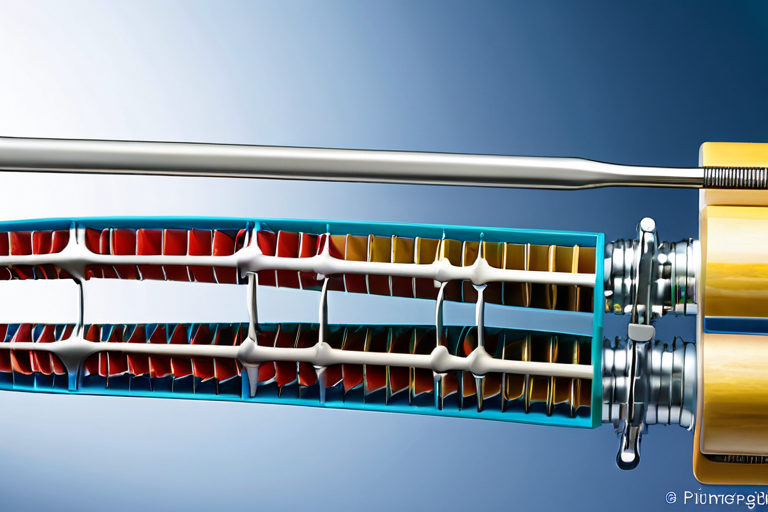
The implantation of Fischer rods follows a meticulous surgical protocol developed through extensive clinical trials. Surgeons typically employ a posterior approach, carefully preparing the bony elements for screw placement. The rods are then contoured to match the patient's spinal curvature before being secured with specialized locking mechanisms.
Dr. Elizabeth Martinez, Chief of Spinal Surgery at Johns Hopkins Hospital, notes: "The precision engineering of Fischer rods allows for minimal tissue disruption while providing maximum stability. Our outcomes have shown significant improvements in fusion rates and patient satisfaction scores."
Comparative Analysis with Traditional Systems
When compared to conventional spinal rod systems, Fischer rods demonstrate several distinct advantages. A comprehensive study published in The Spine Journal analyzed outcomes from over 1,200 patients across multiple institutions.
Biomechanical Performance and Testing
The exceptional performance of Fischer rods stems from rigorous biomechanical testing and optimization. Independent laboratory testing conducted at the ASTM International facilities has demonstrated that these rods can withstand cyclic loading conditions that simulate decades of normal spinal movement.
"The fatigue resistance of modern spinal rod systems represents a quantum leap in orthopedic engineering. Fischer rods, in particular, have set new standards for durability and performance in demanding spinal applications." - Dr. Michael Chen, Biomedical Engineering Research Director
Patient Outcomes and Long-term Follow-up
Long-term studies tracking patients with Fischer rod implants have yielded encouraging results. A five-year follow-up study published in the European Spine Journal documented outcomes from 347 patients who underwent spinal fusion procedures using Fischer rod systems.
The data revealed significant improvements in multiple outcome measures:
- Pain Reduction: Average VAS scores improved from 7.8 to 2.1
- Functional Improvement: ODI scores decreased by 68%
- Return to Work: 89% of employed patients returned within 6 months
- Hardware Survival: 98.4% of rods remained intact and functional
Future Developments and Research Directions
The field of spinal instrumentation continues to evolve, with several exciting developments on the horizon for Fischer rod technology. Current research focuses on:
Smart Materials
Integration of shape-memory alloys and bioactive coatings that respond to physiological conditions
Minimally Invasive Applications
Development of rod systems compatible with percutaneous insertion techniques
Patient-Specific Customization
3D-printed rods tailored to individual patient anatomy using preoperative imaging
Global Adoption and Regulatory Status
Fischer rods have received regulatory approval in multiple jurisdictions worldwide, including FDA clearance in the United States and CE marking in the European Union. The global market for advanced spinal instrumentation continues to grow, with Fischer rods maintaining a significant market share in premium segment products.
According to market analysis from Grand View Research, the global spinal implants market is projected to reach $19.2 billion by 2028, with technological innovations like Fischer rods driving much of this growth.
Key Takeaways
- Fischer rods represent the current gold standard in spinal stabilization technology
- Superior biomechanical properties translate to improved clinical outcomes
- Ongoing research promises even more advanced iterations in the coming years
- Proper surgical technique and patient selection remain crucial for optimal results
The continued refinement of Fischer rod systems underscores the importance of interdisciplinary collaboration between surgeons, engineers, and researchers in advancing spinal care. As technology progresses, these innovative implants will likely play an increasingly vital role in restoring function and improving quality of life for patients with spinal disorders.