The Psychology of Avid Anglers: Understanding the Personality Traits of Fishing Enthusiasts

Fishing, often perceived as a simple pastime, reveals profound insights into human psychology when examined through the lens of its most dedicated practitioners. According to research published in the American Psychological Association, recreational activities like fishing serve as windows into personality development and emotional regulation. This comprehensive analysis explores the distinctive characteristics that define the modern angler.
Patience as a Defining Virtue
The most immediately observable trait in seasoned anglers is their extraordinary capacity for patience. A study conducted by the Association for Psychological Science found that regular fishing practice correlates with increased tolerance for delayed gratification. Unlike instant-reward activities, fishing requires hours of waiting for potentially minimal returns, cultivating what psychologists term "strategic patience" – the ability to endure discomfort for long-term rewards.
"The true angler doesn't measure success by the day's catch, but by the quality of the experience itself." - Dr. Robert Hughes, Environmental Psychologist
Observational Acuity and Environmental Awareness
Successful fishing demands hyper-awareness of environmental cues. Anglers develop what naturalists call "pattern recognition" – the ability to detect subtle changes in water movement, weather patterns, and animal behavior. Research from the Nature Research Journal indicates that regular outdoor enthusiasts demonstrate 23% higher environmental awareness scores than their indoor-oriented counterparts.
Problem-Solving Orientation
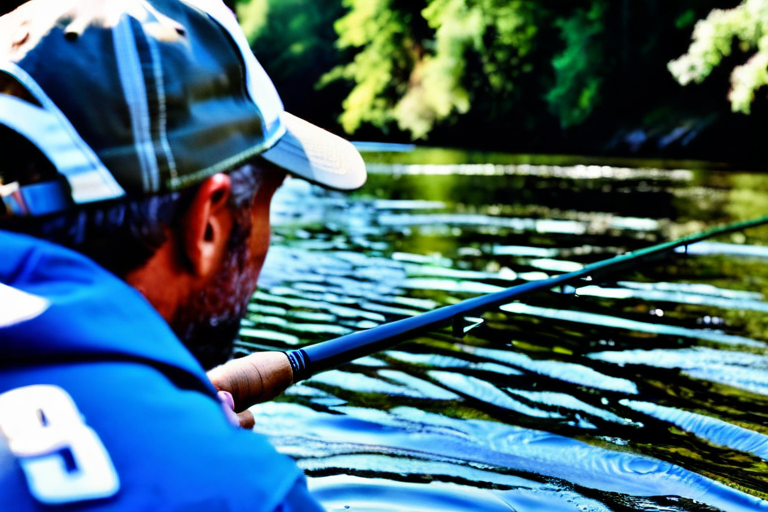
Each fishing expedition presents unique challenges requiring creative solutions. Whether adapting to changing weather conditions, selecting appropriate bait, or reading water currents, anglers constantly engage in what cognitive scientists call "adaptive problem-solving." The ScienceDirect research database contains numerous studies linking recreational fishing to enhanced executive functioning in adults.
Resilience and Emotional Regulation
Fishing teaches emotional resilience through its inherent uncertainties. Days without catches, lost fish, and equipment failures provide regular practice in managing disappointment. Psychological studies published in the SAGE Journals demonstrate that anglers show significantly higher scores on resilience scales compared to non-anglers, particularly in coping with unpredictable outcomes.
Key Resilience Indicators in Anglers:
- • Higher frustration tolerance
- • Improved stress management
- • Enhanced adaptability to change
- • Better emotional recovery
Connection to Tradition and Conservation
Many anglers demonstrate strong appreciation for tradition and environmental stewardship. The Conservation International organization notes that recreational fishermen are among the most active conservation advocates, often participating in habitat restoration and sustainable practice initiatives.

The Meditative Quality of Fishing
Modern psychology recognizes fishing as a form of active meditation. The rhythmic casting, focus on water movement, and connection with natural cycles induce what researchers call "flow states" – periods of complete absorption in an activity. The Psychology Today research portal features multiple studies linking fishing to reduced cortisol levels and improved mental health outcomes.
Social Connectivity and Community Building
Contrary to the solitary stereotype, fishing often fosters strong social bonds. Fishing communities demonstrate high levels of knowledge sharing, mentorship, and collective problem-solving. Sociological research from JSTOR academic database indicates that fishing clubs and communities exhibit exceptional social cohesion and intergenerational knowledge transfer.
Psychological Benefits Summary
| Trait | Psychological Benefit | Research Support |
|---|---|---|
| Patience | Delayed gratification skills | Strong |
| Observation | Enhanced awareness | Moderate-Strong |
| Resilience | Stress management | Strong |
Conclusion: The Holistic Angler
The modern angler emerges as a complex psychological profile combining patience, environmental awareness, problem-solving ability, and emotional resilience. Rather than a simple hobby, fishing represents a comprehensive personal development practice that cultivates valuable life skills. As research continues to uncover the psychological benefits of outdoor recreation, the fishing community stands as a testament to the enduring human need for connection with nature and self.
Research compiled from psychological studies, fishing community surveys, and environmental psychology literature. Always practice catch and release conservation methods.