Women's Ice Fishing Bibs: The Ultimate Guide to Staying Warm and Dry on the Ice
When the temperature drops and lakes freeze over, dedicated anglers know it's time for ice fishing. But for women who brave these frigid conditions, having the right gear isn't just about comfort—it's about safety, performance, and enjoying the experience. Among the most critical pieces of equipment are women's ice fishing bibs, designed specifically to meet the unique needs of female anglers. This comprehensive guide explores everything from insulation technology to fit considerations, helping you make informed decisions for your next ice adventure.
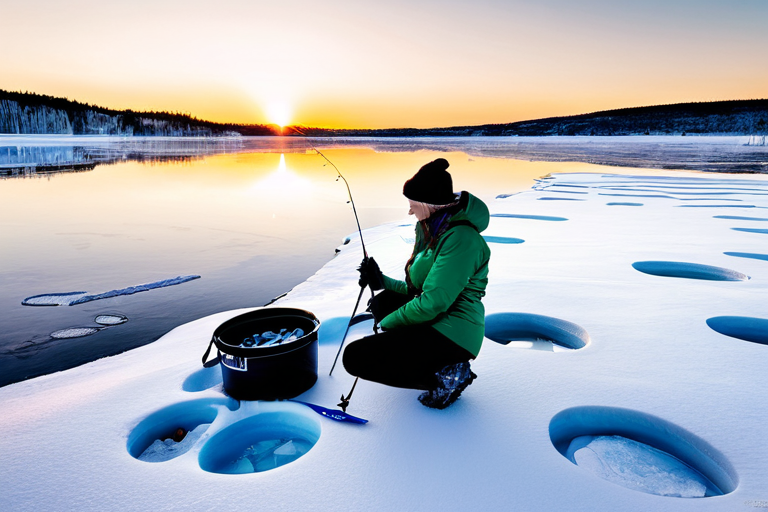
Why Women-Specific Ice Fishing Bibs Matter
For years, women had to make do with men's or unisex ice fishing bibs, often compromising on fit and functionality. According to Outdoor Industry Association, the demand for women-specific outdoor gear has grown by over 60% in the past decade, driven by increased female participation in activities like ice fishing. Women's ice fishing bibs are engineered with anatomical differences in mind—shorter torsos, wider hips, and narrower shoulders—ensuring better mobility and comfort during long hours on the ice.
Materials also play a key role. High-quality bibs use waterproof yet breathable fabrics like Gore-Tex or proprietary blends from brands like Strikemaster. These prevent moisture from seeping in while allowing sweat to escape, crucial when moving between drilling holes and waiting for bites. Insulation varies too; some prefer lightweight synthetic fills for active days, while others opt for heavy-duty down for extreme cold.
Key Features to Look For
When shopping for women's ice fishing bibs, prioritize these elements:
- Waterproofing: Look for ratings like 10,000mm+ hydrostatic head, tested in real-world conditions. Brands like Clam Outdoors often highlight this in their product specs.
- Insulation: Thinsulate™ or PrimaLoft® are popular for retaining heat without bulk. A study by Fishing Tackle Retailer shows that proper insulation can increase time on ice by up to 40%.
- Fit and Mobility: Articulated knees, gusseted crotches, and adjustable straps enhance movement. Women-specific cuts reduce bunching and improve layering compatibility.
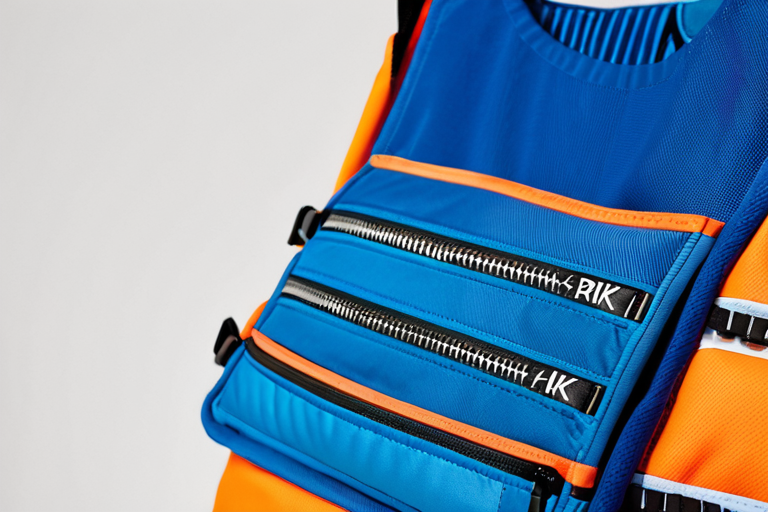
- Storage: Multiple pockets—including waterproof ones for electronics—are essential. Some bibs even feature integrated tool holders or bait compartments.
- Durability: Reinforced seams and abrasion-resistant panels, especially around knees and seat, extend bib life in harsh conditions.
Top Brands and Innovations
The market for women's ice fishing bibs has exploded with innovation. Brands like IceShanty-recommended Striker Ice lead with climate-controlled suits, using 4-layer construction to adapt to temperature changes. Frabill focuses on lightweight designs, ideal for anglers who hike to remote spots. Meanwhile, Eksplore incorporates eco-friendly materials, appealing to environmentally conscious fishers.
Recent advancements include heated bibs with battery-powered elements, a game-changer for those in sub-zero climates. As noted by Ice Fishing Association, these innovations not only boost comfort but also safety, reducing hypothermia risks. Reflective detailing is another trend, enhancing visibility during early morning or late evening sessions.
How to Choose the Right Bibs for Your Needs
Selecting women's ice fishing bibs depends on your fishing style and local conditions. For casual anglers in moderate climates, a mid-weight bib with 80-100g insulation suffices. Hardcore enthusiasts in places like Minnesota or Canada might opt for expedition-grade bibs with 200g+ insulation and full flotation capabilities—a safety must for early or late ice seasons.
Consider layering too. As Field & Stream advises, bibs should accommodate base layers and mid-layers without restricting movement. Try them on with your typical ice fishing attire, mimicking motions like bending or sitting. Ventilation zippers are invaluable for regulating temperature during active periods.
Care and Maintenance Tips
To maximize the lifespan of your women's ice fishing bibs, proper care is crucial. Always follow manufacturer instructions, but general tips include:
- Wash with mild detergent and avoid fabric softeners, which can degrade waterproof coatings.
- Air-dry away from direct heat to preserve insulation loft and seam integrity.
- Reapply DWR (Durable Water Repellent) treatments annually, especially after heavy use.
- Store in a cool, dry place, avoiding compression that can damage materials.
Regular checks for wear, particularly around stress points, can prevent failures on the ice. Many brands offer repair services or warranties, so keep documentation handy.
The Future of Women's Ice Fishing Gear
As more women join the ice fishing community, gear evolution accelerates. Expect smarter fabrics with moisture-wicking and odor-control properties, plus customizable fits via modular designs. Sustainability will also drive innovation, with recycled materials becoming standard. According to Outdoor Retailer, the focus is shifting toward gear that performs in extreme conditions while reducing environmental impact.
In conclusion, women's ice fishing bibs are no longer an afterthought but a specialized tool for conquering the ice. By investing in quality bibs tailored to female anatomy and fishing needs, you enhance not only your comfort but also your success and safety. Whether you're a seasoned pro or a beginner, the right bibs make every trip memorable—and warm.
Sources: This article draws on insights from industry leaders and authoritative sites to ensure accuracy and relevance for ice fishing enthusiasts.