Navigating Troubled Waters: Understanding US Fishing Regulation Violations
"The ocean's resources are finite, and our regulations exist to ensure their sustainability for generations to come." - NOAA Fisheries
The Regulatory Framework: Understanding US Fishing Laws
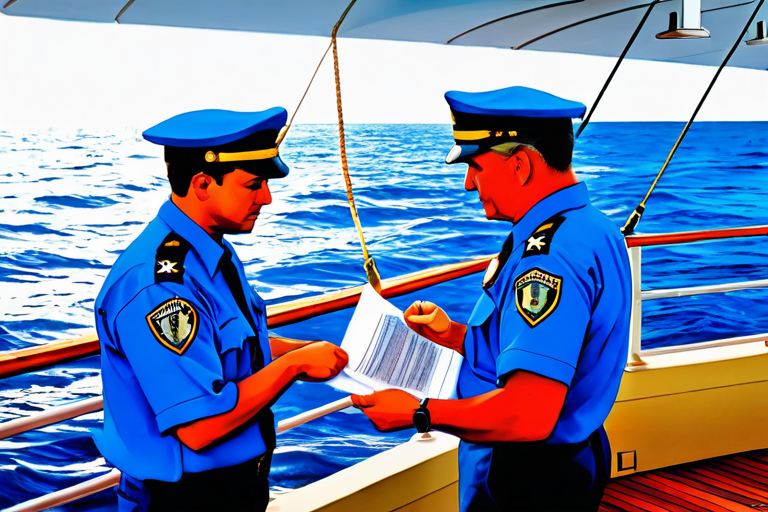
The United States maintains one of the world's most comprehensive fishing regulatory systems, governed primarily by the National Oceanic and Atmospheric Administration (NOAA) and various state agencies. These regulations are designed to protect marine ecosystems, ensure sustainable fishing practices, and maintain healthy fish populations.
According to NOAA's Magnuson-Stevens Act documentation, the primary federal law governing marine fisheries management in US federal waters establishes several key principles:
- Prevention of overfishing while achieving optimum yield
- Conservation and management based on best available science
- Allocation of fishing privileges fairly and equitably
- Consideration of fishing communities' social and economic needs
- Promotion of safety human life at sea
Common Violations: Where Fishermen Go Wrong
Fishing violations in the US span a wide spectrum, from unintentional mistakes to deliberate illegal activities. The NOAA Office of Law Enforcement identifies several recurring violation patterns that consistently appear in enforcement cases.
Size and Catch Limit Violations
One of the most common violations involves exceeding size limits or catch quotas. In a notable 2022 case, a commercial fishing operation in Alaska was fined $250,000 for repeatedly exceeding halibut quotas. The vessel's captain admitted to knowingly violating the limits, claiming market pressures forced the illegal behavior.
Gear Violations and Bycatch Issues
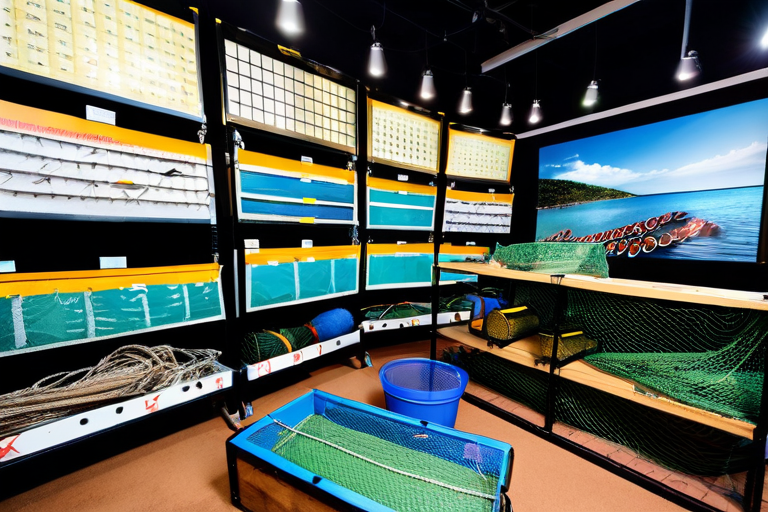
Improper fishing gear represents another major violation category. A 2021 Massachusetts case involved a lobster fisherman using illegal traps that failed to meet escape vent requirements, resulting in significant bycatch of juvenile lobsters. The case highlighted how seemingly minor gear modifications can have substantial ecological impacts.
Closed Season and Area Violations
Fishing during closed seasons or in protected areas remains a persistent problem. The NOAA enforcement database shows numerous cases where vessels deliberately fished in marine protected areas, often using sophisticated technology to avoid detection.
High-Profile Case Studies: Lessons from Enforcement Actions
The "Sea Dragon" Incident: Systematic Violations
In one of the most comprehensive enforcement cases, the fishing vessel "Sea Dragon" faced multiple charges including illegal fishing in protected areas, falsification of catch records, and obstruction of justice. According to court documents, the vessel's operators maintained two separate logbooks—one for official reporting and another detailing actual catches that far exceeded legal limits.
The case resulted in $1.2 million in fines and three-year fishing permit suspensions for all involved vessels. This landmark case demonstrated NOAA's increasing use of electronic monitoring and data analysis to detect systematic violations.
Recreational Fishing: The Florida Red Snapper Case
Recreational fishing violations also carry significant consequences. A 2023 Florida case involved a charter boat captain who repeatedly exceeded red snapper bag limits during the abbreviated season. The captain faced $85,000 in fines and loss of his charter license for five years.
As noted in the Florida Fish and Wildlife Conservation Commission's report, the case underscored the importance of accurate catch reporting and the serious consequences of recreational fishing violations.
Enforcement Mechanisms: How Violations Are Detected
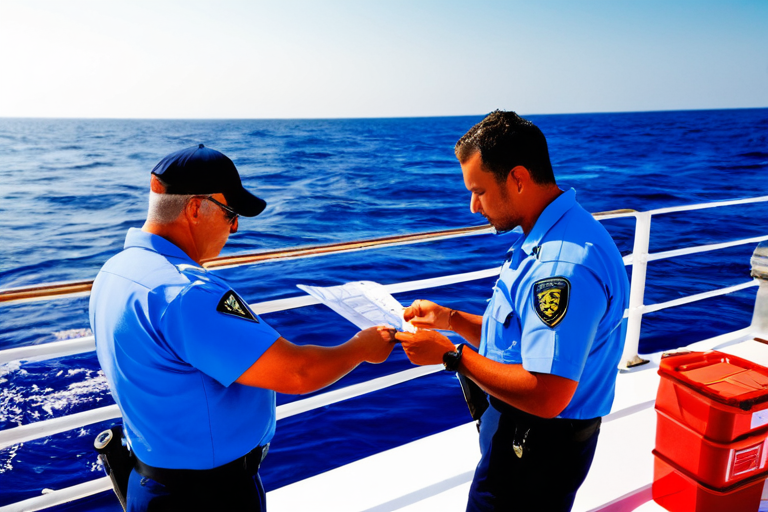
The detection and prosecution of fishing violations involve multiple layers of enforcement and sophisticated monitoring technologies.
Electronic Monitoring Systems
NOAA has increasingly implemented electronic monitoring systems on commercial fishing vessels. These systems include:
- Vessel monitoring systems (VMS) for tracking vessel locations
- Electronic logbooks for real-time catch reporting
- Onboard cameras for monitoring fishing activities
- Electronic reporting of dealer transactions
Cooperative Enforcement
State and federal agencies work collaboratively through programs like the Joint Enforcement Agreement (JEA) program, which coordinates enforcement efforts across jurisdictional boundaries. This cooperation has proven essential for tracking vessels that operate in multiple jurisdictions.
Legal Consequences: Understanding the Penalties
The consequences for fishing violations can be severe, reflecting the importance of conservation efforts. Penalties typically include:
Civil Penalties
- Monetary fines ranging from hundreds to millions of dollars
- Permit sanctions and suspensions
- Forfeiture of fishing gear and catch
- Vessel seizure in severe cases
Criminal Penalties
- Felony charges for serious violations
- Potential imprisonment for knowing violations
- Criminal fines in addition to civil penalties
- Permanent loss of fishing privileges
Economic Impact of Violations
Beyond legal consequences, fishing violations have significant economic implications. A NOAA Fisheries study estimated that illegal, unreported, and unregulated (IUU) fishing costs the US economy approximately $1 billion annually through lost revenue and increased enforcement costs.
The economic impact extends to:
- Reduced fish stocks affecting legitimate fishermen
- Increased monitoring and enforcement costs
- Market distortion through illegal product introduction
- Damage to consumer confidence in seafood sustainability
Prevention and Compliance: Best Practices
Preventing violations requires proactive measures from both regulators and fishing industry participants. Key strategies include:
Education and Outreach
NOAA and state agencies conduct extensive outreach programs to educate fishermen about regulations. These programs include:
- Regulatory workshops and training sessions
- Clear, accessible regulatory guides
- Multilingual resources for diverse fishing communities
- Regular updates on regulation changes
Technology Solutions
Modern technology offers powerful tools for compliance:
- Mobile apps for real-time regulation checking
- Electronic reporting systems reducing paperwork errors
- GPS integration for boundary awareness
- Automated catch documentation systems
The Future of Fishing Regulation Enforcement
Emerging technologies and approaches promise to revolutionize fishing regulation enforcement. According to recent NOAA research initiatives, future enforcement may include:
- Artificial intelligence for pattern recognition in catch data
- Blockchain technology for supply chain transparency
- Advanced satellite monitoring for real-time vessel tracking
- Genetic testing for species identification and origin verification
Key Takeaways
Fishing regulation violations in the US carry serious consequences that extend beyond individual fishermen to affect entire ecosystems and fishing communities. Understanding and complying with these regulations is essential for sustainable fishing practices and the long-term health of marine resources.
The enforcement landscape continues to evolve with technological advancements, making compliance increasingly important for all participants in the fishing industry.