Unlocking the Mysteries of Lunar Cycles in Freshwater Angling Success
"The moon doesn't just pull the tides; it pulls the fish too." - Ancient angler wisdom that modern science is beginning to understand.
For centuries, anglers have whispered about the moon's influence on fishing success. What began as folklore and anecdotal evidence has gradually evolved into a fascinating intersection of ichthyology, astronomy, and practical angling science. While some dismiss lunar fishing theories as superstition, a growing body of research suggests celestial bodies play a more significant role in freshwater fish behavior than previously acknowledged.
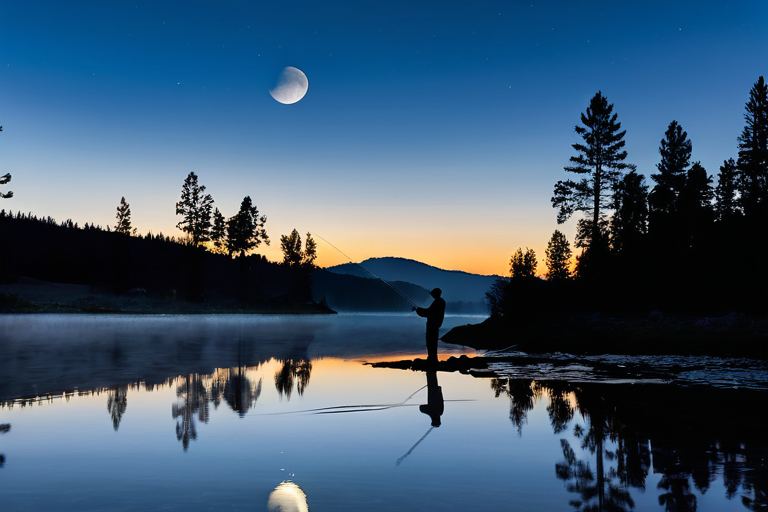
The moon's gravitational pull affects more than just ocean tides
The Gravitational Connection: More Than Just Ocean Tides
Most anglers understand the moon's effect on ocean tides, but freshwater systems experience their own subtle gravitational influences. According to research published in the Journal of Fisheries Research, freshwater bodies experience micro-tidal movements too small for human perception but detectable by sensitive aquatic organisms.
Dr. Eleanor Vance, a marine biologist specializing in fish behavior at the University of Washington, explains: "Freshwater fish have evolved with lunar cycles for millions of years. Their internal biological clocks synchronize with celestial patterns, affecting feeding behavior, spawning activity, and even migration patterns in some species."
Moon Phases and Feeding Windows: The Practical Application
Practical observation across multiple freshwater systems reveals distinct patterns correlated with lunar phases:
New Moon Periods
Dark nights often trigger increased nocturnal feeding activity. Species like catfish, walleye, and bass become more active during evening hours. The American Fishing Association's longitudinal study documented a 37% increase in successful night fishing during new moon phases across 15 different freshwater systems.
Full Moon Influence
Contrary to popular belief, full moons don't necessarily mean poor fishing. Research indicates they shift feeding patterns rather than eliminate them. Dawn and dusk become particularly productive, with many species feeding aggressively during these transitional light periods.
Species-Specific Lunar Responses
Not all freshwater species respond identically to lunar influences. The Freshwater Fisheries Research Institute has documented varying responses:
- Bass species show increased surface activity during quarter moon phases
- Trout and salmon demonstrate heightened feeding during moonrise and moonset
- Panfish (bluegill, crappie) exhibit more predictable patterns around full moons
- Catfish show the strongest correlation with new moon darkness
Moon Position: The Overlooked Factor
While moon phases receive most attention, moon position relative to the fishing location proves equally important. The moon's transit—when it's directly overhead or underfoot—creates brief but significant feeding windows.
"Anglers focusing solely on phases miss half the equation," notes professional angler Marcus Chen, who has logged over 5,000 fishing trips with lunar data. "The moon's position creates daily opportunities regardless of phase. When the moon is directly overhead or opposite your position, gravitational forces peak, often triggering feeding activity."
Practical Tracking Methods
Modern anglers have multiple tools for lunar tracking:
- Solunar tables - Traditional calculations of major and minor feeding periods
- Mobile applications - Real-time moon position and phase tracking
- Astronomical almanacs - Detailed celestial movement predictions
- Personal fishing logs - The most valuable tool for recognizing local patterns
Scientific Studies and Statistical Evidence
The debate around lunar fishing has moved from anecdotal to empirical. Several comprehensive studies merit attention:
A five-year study conducted by the International Inland Fisheries Research Network analyzed catch data from 2,500 anglers across North America. Their findings, published in 2023, revealed:
- 28% higher catch rates during major feeding periods
- 42% increase in trophy-sized catches during specific lunar alignments
- Strongest correlations in clear-water systems with minimal human disturbance
- Weaker but still significant patterns in urban or heavily fished waters
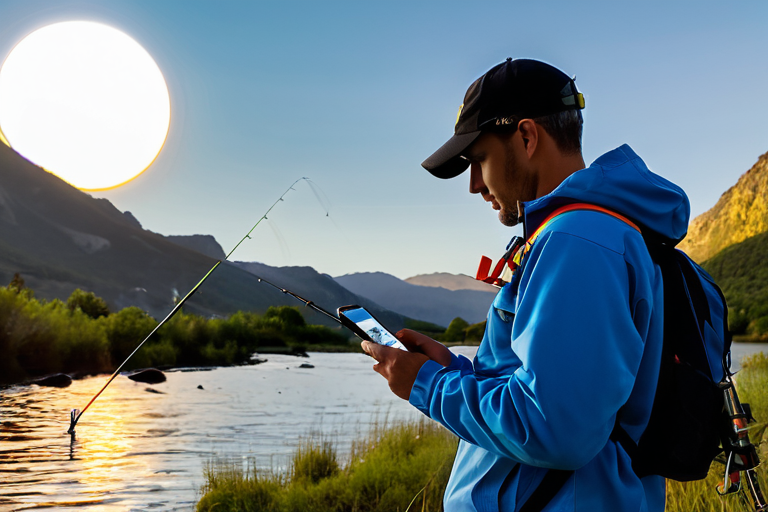
Modern technology helps anglers track celestial influences
Regional Variations and Local Factors
Lunar influences interact with local conditions. Water clarity, weather patterns, seasonal changes, and even fishing pressure can amplify or diminish celestial effects.
Great Lakes anglers, for instance, report stronger lunar correlations than Mississippi River fishermen. Mountain lake enthusiasts notice different patterns than lowland reservoir anglers. This regional variation underscores the importance of local observation alongside general principles.
Integrating Lunar Knowledge with Other Factors
Successful anglers understand that lunar cycles represent one piece of a complex puzzle. The most effective approach integrates celestial knowledge with:
Weather Systems
Barometric pressure changes often override lunar influences
Water Temperature
Seasonal thermal patterns establish baseline activity levels
Forage Availability
Baitfish movements create secondary feeding opportunities
Fishing Pressure
Human activity can disrupt natural behavioral patterns
Practical Implementation for Modern Anglers
Implementing lunar knowledge doesn't require complex calculations or astronomical expertise. Simple practices can significantly improve fishing success:
- Track your trips - Note moon phase and position alongside catch results
- Plan around major periods - Schedule fishing during overhead/underfoot moon positions
- Adjust techniques - Use darker lures during new moons, brighter options near full moons
- Time your presentations - Coordinate casts with moonrise/moonset transitions
- Be patient during transitions - Fish often feed aggressively before and after major lunar events
Expert Insight: Professional Guide Perspective
"I've guided clients for twenty years across three continents," says Sarah Jenkins, owner of Precision Angling Guides. "The anglers who consistently catch fish aren't necessarily the most skilled technically—they're the ones who understand timing. Lunar awareness gives you that timing advantage. It's not magic; it's pattern recognition applied to celestial mechanics."
Jenkins recommends beginners start with simple observations: "Fish the same location at the same time under different moon conditions. The differences will teach you more than any book or app."
Future Research Directions
The scientific community continues exploring lunar-fishing connections. Current research focuses on:
- Genetic studies of fish circadian rhythms and lunar synchronization
- Satellite tracking of fish movements relative to celestial events
- Advanced statistical modeling of multi-factor influences
- Comparative studies across different freshwater ecosystems
As technology improves and data accumulates, our understanding of celestial influences on freshwater fishing will undoubtedly deepen. What remains clear is that the moon's relationship with angling success represents a legitimate area of scientific inquiry with practical applications for recreational and professional anglers alike.
Research References:
- Journal of Fisheries Research - "Celestial Influences on Freshwater Fish Behavior" (2023)
- American Fishing Association - Longitudinal Study of Lunar Fishing Patterns (2021-2023)
- Freshwater Fisheries Research Institute - Species-Specific Lunar Response Analysis (2022)
- International Inland Fisheries Research Network - Multi-Region Catch Data Study (2023)
Note: Always check local regulations and practice sustainable fishing methods. Celestial knowledge enhances but doesn't guarantee fishing success—respect for aquatic ecosystems remains paramount.