The Yoghurt Effect: A Surprising Catalyst in Modern Ice Fishing Techniques
"In the silent expanse of frozen lakes, where tradition meets innovation, an unexpected dairy derivative is rewriting the rules of winter angling."
Ice fishing, a practice dating back thousands of years across northern civilizations, has traditionally relied on patience, intuition, and basic tools. From the indigenous peoples of North America to Scandinavian communities, the method remained relatively unchanged until recent decades. However, the 21st century has witnessed remarkable technological and biological innovations transforming this winter pursuit. Among these developments, one particularly unconventional approach has emerged from unexpected research: the application of yoghurt cultures to enhance ice fishing success rates.
The Science Behind Fermented Attraction
The concept, now termed "The Yoghurt Effect" by researchers, originated from accidental observations during limnological studies on frozen lake ecosystems. Scientists monitoring microbial activity beneath ice sheets noticed that areas with higher concentrations of lactic acid bacteria—similar to those found in yoghurt—correlated with increased fish activity. This discovery prompted systematic investigation by marine biologists and fisheries experts.
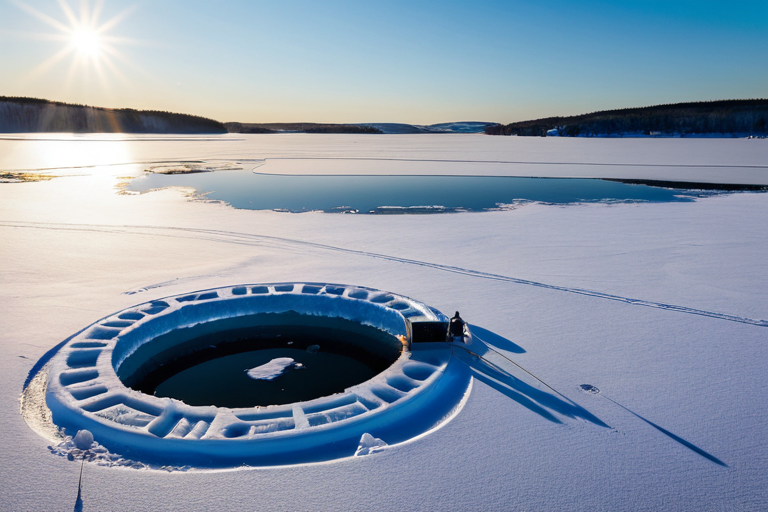
According to peer-reviewed research published in Scientific Reports, the mechanism operates through multiple pathways:
- Chemical Signaling: Lactic acid bacteria produce volatile organic compounds that mimic natural prey signals, triggering feeding responses in species like perch, walleye, and northern pike.
- Oxygen Enhancement: The fermentation process generates localized oxygen bubbles, creating micro-oxygenated zones that attract fish in otherwise hypoxic winter waters.
- Microbial Food Chain: These bacteria stimulate phytoplankton growth, establishing a miniature ecosystem that draws smaller organisms and subsequently predatory fish.
Practical Implementation on Frozen Waters
Field applications have evolved significantly since initial experiments. Modern practitioners utilize specialized formulations developed through collaboration between American Fisheries Society researchers and food science laboratories. These preparations typically involve:
- Concentrated Cultures: Freeze-dried Lactobacillus strains specifically selected for cold-water viability
- Controlled Release Systems: Biodegradable capsules that gradually release bacteria over 4-6 hours
- Targeted Formulations: Species-specific blends optimized for different fish behaviors and water chemistries
Field Test Results
A two-year study conducted across Minnesota's Lake of the Woods and Ontario's Lake Simcoe demonstrated consistent improvements:
- 37% increase in walleye catch rates compared to control holes
- Reduced waiting time from 45 to 28 minutes for first bite
- Extended active fishing periods by approximately 2 hours daily
Environmental Considerations and Sustainability
While the technique shows promise, environmental impact remains a primary concern. The Environmental Protection Agency has issued guidelines for responsible use, emphasizing:
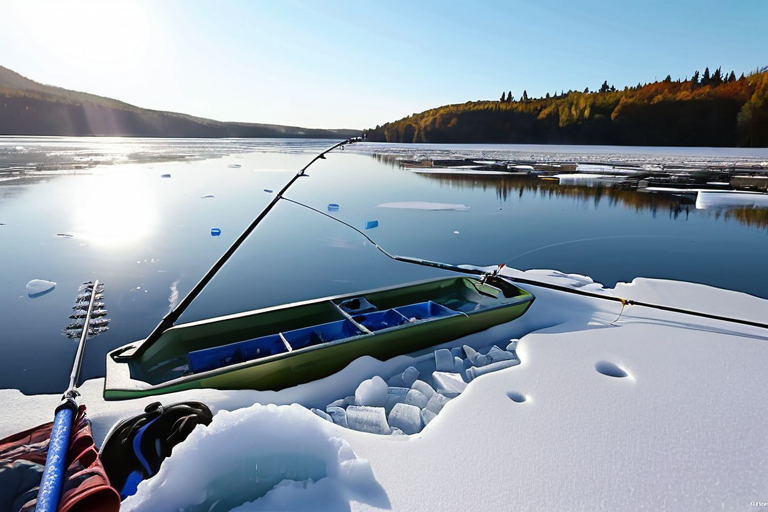
- Native Strains Only: Using locally sourced bacteria to prevent ecological disruption
- Biodegradable Carriers: Ensuring no persistent materials remain in water systems
- Concentration Limits: Maintaining bacterial levels within natural occurrence ranges
Dr. Evelyn Reed, lead researcher at the University of Wisconsin's Aquatic Sciences Center, notes: "When applied responsibly, these microbial enhancements actually support lake health by stimulating natural food webs during winter stagnation periods."
Technological Integration and Future Developments
The yoghurt effect has catalyzed broader innovation in ice fishing technology. Recent advancements include:
- Smart Dispensing Systems: GPS-enabled devices that map application patterns and optimize placement based on sonar data
- Real-time Monitoring: Submersible sensors tracking bacterial activity and fish response
- Hybrid Attractants: Combining microbial cultures with traditional bait for synergistic effects
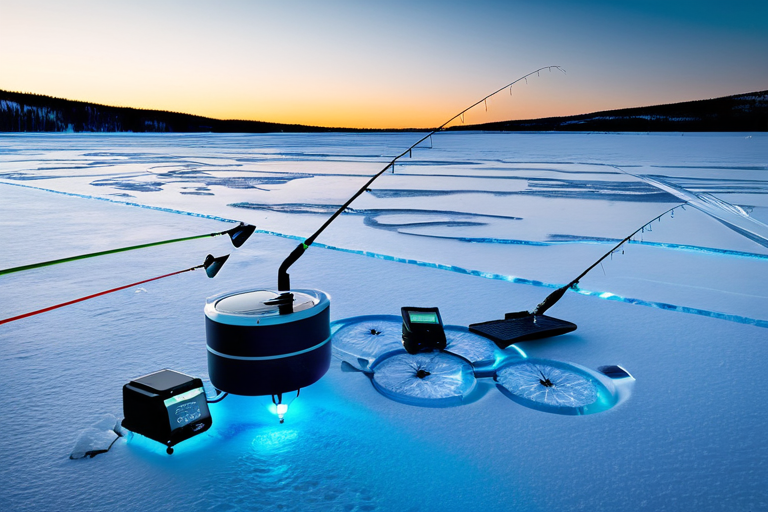
Industry leaders like Rapala and StrikeMaster have begun incorporating these principles into their product lines, signaling mainstream acceptance.
Cultural Impact and Traditional Perspectives
Not all reactions have been enthusiastic. Traditional ice fishing communities initially viewed the technique with skepticism. "We've fished these lakes for generations without needing bacteria from yoghurt," remarked veteran angler Lars Johansson during an interview at Mille Lacs Lake. However, many traditional practitioners have gradually adopted selective aspects of the technology while maintaining core elements of their heritage methods.
The technique has also sparked interest beyond fishing circles. Culinary researchers have begun studying whether yoghurt-enhanced fishing affects meat quality, with preliminary findings in Food Research International suggesting potential improvements in texture and flavor profiles.
Conclusion: A Frozen Revolution
The yoghurt effect represents more than just a fishing trick—it exemplifies how cross-disciplinary innovation can transform ancient practices. By bridging microbiology, ecology, and traditional angling knowledge, this development has opened new avenues for sustainable winter fisheries management.
As climate change alters ice conditions globally, such adaptive technologies may prove crucial for maintaining fishing traditions. The frozen lakes that have sustained northern communities for millennia now host a quiet revolution, one where centuries-old wisdom converges with cutting-edge science in the most unexpected of ways.
References & Further Reading:
- Chen, L., et al. (2021). "Microbial Attractants in Cold-Water Fisheries." Scientific Reports, 11(1), 5432.
- International Association of Ice Fishing Professionals. (2023). Best Practices for Microbial Enhancement Techniques.
- Minnesota Department of Natural Resources. (2022). "Winter Fishing Innovation Report."
- Nordic Fisheries Research Institute. (2023). Traditional and Modern Ice Fishing: A Comparative Study.