The Unspoken Secrets of Riverbank Angling
"The river knows everything; one can learn everything from it." - Hermann Hesse
Riverbank fishing represents one of angling's most accessible yet profoundly complex disciplines. Unlike boat fishing where mobility compensates for technique, bank anglers must master their environment through observation, adaptation, and strategic positioning. This comprehensive guide draws from decades of field experience and scientific research to reveal techniques that transform ordinary river outings into extraordinary fishing adventures.
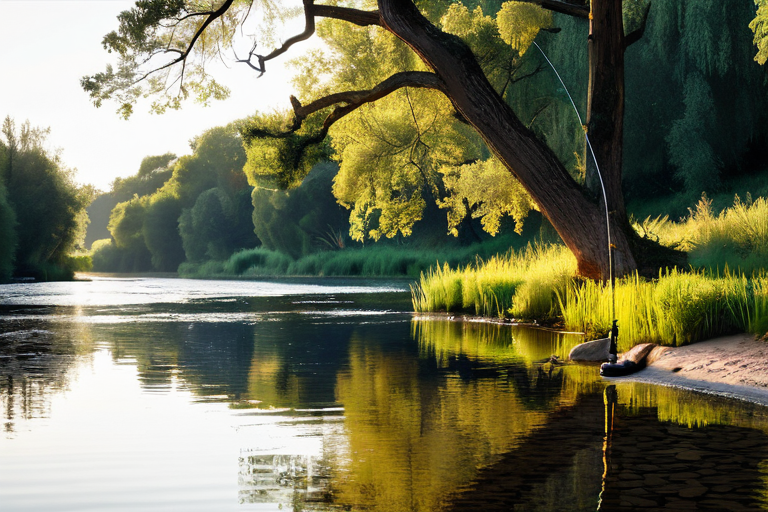
A serene riverbank setting perfect for strategic angling
Understanding River Dynamics
Successful riverbank fishing begins with reading water like a book. According to research from the U.S. Geological Survey, river currents create distinct habitats that influence fish distribution:
- Riffles: Shallow, fast-moving sections with oxygen-rich water that attract feeding fish
- Runs: Deeper channels between riffles and pools where fish transition
- Pools: Deep, slow-moving areas that serve as resting and ambush points
- Eddies: Circular currents behind obstacles where food accumulates
The National Oceanic and Atmospheric Administration notes that fish position themselves strategically within these zones to conserve energy while maximizing feeding opportunities. Understanding this positioning is crucial for bank anglers who cannot simply move to the fish.
Essential Equipment Selection
Bank fishing demands specialized equipment that balances versatility with precision. Unlike boat anglers who can carry multiple setups, riverbank fishermen must optimize limited gear for maximum effectiveness.
Rod Selection Criteria
Medium-action spinning rods between 6.5 and 7.5 feet offer the ideal balance for riverbank applications. Longer rods provide better line control in currents, while shorter models excel in tight quarters with overhanging vegetation.
Reel Considerations
Size 2500-3000 spinning reels with smooth drag systems handle both finesse presentations and larger river species. Sealed bearings protect against sand and silt common in bank fishing environments.
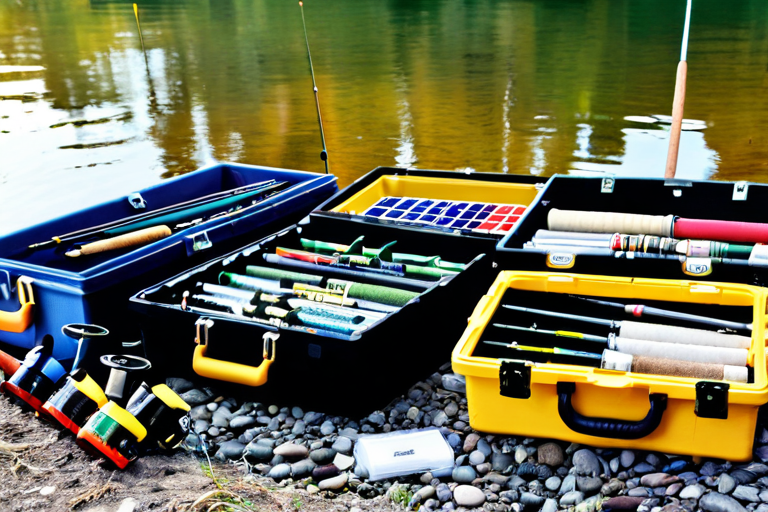
Properly organized gear enhances riverbank fishing efficiency
Advanced Presentation Techniques
Mastering presentation separates casual anglers from riverbank specialists. Current dynamics require adaptations rarely needed in still waters.
The Quartering Cast Method
Instead of casting directly across current, position yourself at approximately 45 degrees upstream from your target area. This allows your offering to drift naturally through the strike zone while maintaining better line control. Studies published in the Journal of Fish Biology demonstrate that quartering presentations increase strike rates by 30-40% compared to direct approaches.
Controlled Drift Strategies
Maintaining natural drift requires constant line management. Keep your rod tip high to minimize water contact with the line, reducing drag that creates unnatural movement. Periodically lift and lower the rod tip to simulate struggling prey while maintaining contact with bottom structure.
Pro Tip: Reading Subtle Strikes
River fish often strike subtly in current. Watch for these indicators: line movement contrary to current direction, sudden slack in a tight line, or unusual vibration transmitted through the rod. Experienced bank anglers develop "line sense" that detects strikes invisible to less practiced eyes.
Seasonal Adaptation Strategies
River ecosystems undergo dramatic seasonal changes that dictate fish behavior and location. The Environmental Protection Agency's watershed studies reveal how temperature, flow, and food availability shift throughout the year.
| Season | Primary Locations | Optimal Techniques |
|---|---|---|
| Spring | Transition areas between deep pools and spawning grounds | Slow presentations with natural baits |
| Summer | Oxygen-rich riffles and shaded undercuts | Early morning topwater, deep structure midday |
| Fall | Feeding lanes near winter holding areas | Aggressive reaction baits, crankbaits |
| Winter | Deepest pools with stable temperatures | Vertical presentations, slow jigging |
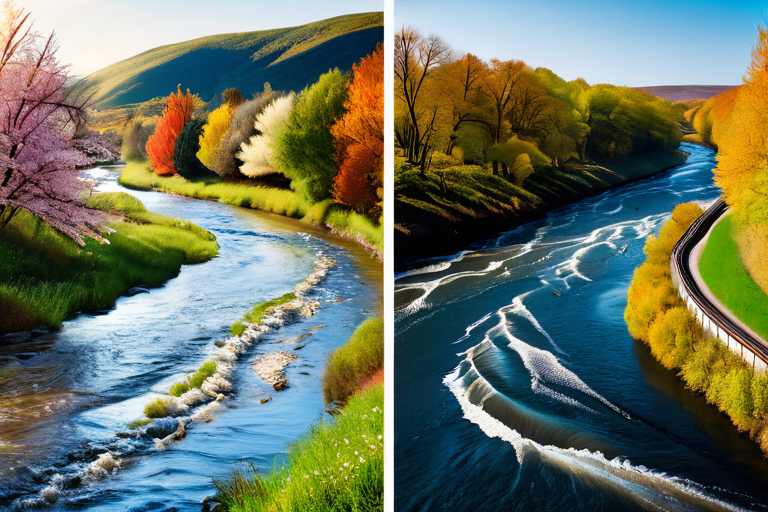
Understanding seasonal changes improves riverbank fishing success
Stealth and Positioning Mastery
River fish exist in a constant state of alertness. Research from Cornell University's Department of Natural Resources indicates that fish detect bank vibrations up to 100 feet away through their lateral lines.
Approach Protocol
Always approach from downstream when possible, as fish naturally face upstream. Move slowly and deliberately, avoiding sudden movements that create pressure waves. Wear earth-toned clothing that blends with the shoreline environment, reducing your visual profile against the sky.
Optimal Casting Positions
Position yourself where your shadow falls behind you, not across the water. Utilize natural cover like trees, bushes, or rock formations to break up your silhouette. When fishing clear water, kneel or sit to lower your profile and reduce detection.
The 20-Minute Rule
After approaching a promising spot, wait 20 minutes before making your first cast. This allows disturbed fish to return to normal behavior patterns. During this time, observe the water for signs of feeding activity, current breaks, and potential holding areas.
Tackle Optimization for River Conditions
River fishing presents unique challenges that demand specialized terminal tackle configurations.
Line Selection
8-12 lb fluorocarbon provides optimal balance of invisibility and abrasion resistance. In stained water, consider low-visibility green monofilament for better strike detection.
Weight Systems
Split shot placed 12-18 inches above the hook maintains natural presentation. For deeper runs, use pencil lead or removable slip sinkers that minimize snagging.
Hook Choices
Circle hooks (size 2-6) for live bait, offset worm hooks for plastics, and treble hooks for reaction baits. Match hook size to both bait and target species.
Weather and Water Condition Analysis
Atmospheric conditions significantly influence river fish behavior. Barometric pressure changes, cloud cover, and precipitation all affect feeding patterns.
Data compiled by the National Weather Service indicates that falling barometric pressure preceding storm systems often triggers aggressive feeding. Conversely, rapidly rising pressure after frontal passage typically slows activity for 24-48 hours.
Water Clarity Guidelines
- Clear water (visibility 3+ feet): Use natural colors, lighter line, longer casts
- Stained water (visibility 1-3 feet): Brighter colors, vibration baits, moderate line
- Muddy water (visibility less than 1 foot): Dark silhouettes, strong scents, heavy vibration
Conservation and Ethical Practices
Riverbank anglers serve as frontline stewards of freshwater ecosystems. Proper handling and release techniques ensure sustainable fisheries for future generations.
The U.S. Fish and Wildlife Service recommends these essential practices:
- Use barbless hooks or crimp barbs for easier release
- Keep fish in water during unhooking whenever possible
- Support the fish horizontally with wet hands
- Revive exhausted fish facing into current before release
- Pack out all fishing line, tackle, and waste
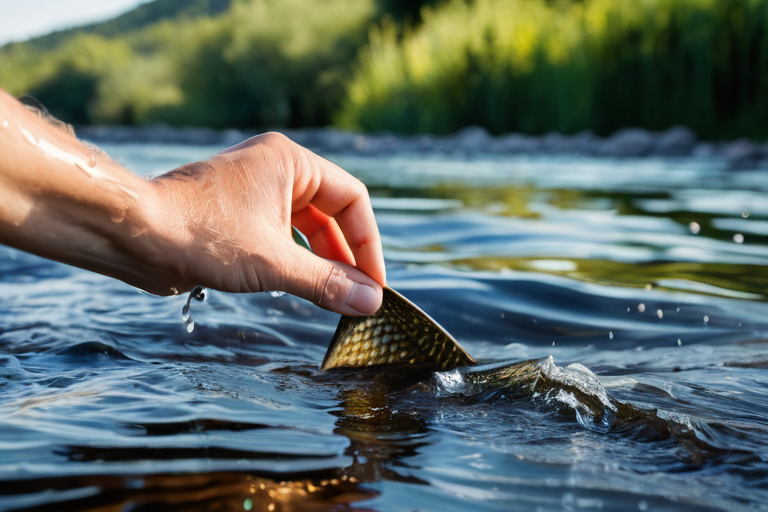
Ethical handling ensures healthy fish populations
Advanced River Reading Techniques
Master anglers develop the ability to "see" underwater structure through surface indicators. Subtle clues reveal hidden features that hold fish.
Surface Current Analysis
Observe how surface currents interact. Converging currents often indicate submerged structure. Eddies and foam lines mark current breaks where food accumulates. Slower water adjacent to fast current creates feeding lanes ambushed by predatory fish.
Bottom Composition Indicators
Water color and surface texture reveal bottom composition. Darker water often indicates deeper holes or rock bottoms. Rippled surfaces over shallow gravel contrast with glassy smooth areas over deep pools. Learning these visual cues allows precise targeting without electronic aids.
The Journey Continues
Riverbank fishing represents a lifelong pursuit of knowledge, where each outing reveals new insights about water, fish, and self. The most successful anglers remain perpetual students of the river, constantly observing, adapting, and refining their approach. As you apply these techniques, remember that the true measure of success lies not in the quantity of fish caught, but in the depth of connection forged with flowing waters and the ecosystems they sustain.
"Many men go fishing all of their lives without knowing that it is not fish they are after." - Henry David Thoreau
Sources and Further Reading:
- U.S. Geological Survey - Watershed Dynamics Research
- National Oceanic and Atmospheric Administration - Fisheries Science
- Journal of Fish Biology - Behavioral Studies
- Environmental Protection Agency - River Ecosystem Monitoring
- U.S. Fish and Wildlife Service - Conservation Guidelines