The Ultimate Guide to Keeping Fish Tanks at Home
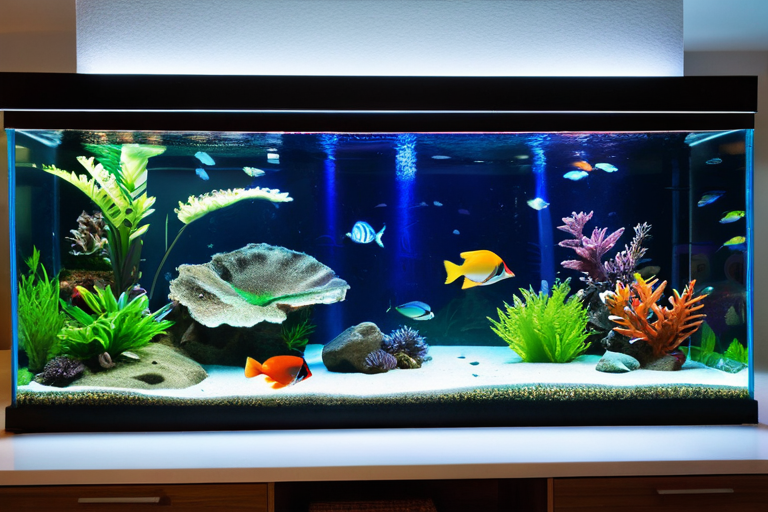
For centuries, humans have been fascinated by the underwater world. From ancient Roman fish ponds to modern high-tech aquariums, keeping aquatic life has evolved into both an art and a science. But is a fish tank truly suitable for your home? Let's dive deep into this question.
The Therapeutic Benefits of Home Aquariums
Research from the National Institutes of Health has consistently shown that watching fish swim can significantly reduce stress and anxiety levels. A 2015 study published in Environment & Behavior found that observing aquarium fish led to notable reductions in heart rate and blood pressure among participants.
"The calming effect of watching fish is almost meditative," explains Dr. Deborah Cracknell, lead researcher at the University of Plymouth's Marine Institute. "The rhythmic movement of fish and the gentle bubbling of filters create a sensory experience that promotes relaxation."
Key Health Benefits:
- Stress reduction by up to 30% according to NIH studies
- Improved mental focus and concentration
- Therapeutic benefits for individuals with anxiety disorders
- Educational value for children learning about ecosystems
Choosing the Right Tank Size and Type
The Fish Lore Aquarium Forum, a trusted community of aquarium enthusiasts, recommends starting with at least a 20-gallon tank for beginners. Larger tanks are actually easier to maintain because water parameters remain more stable.
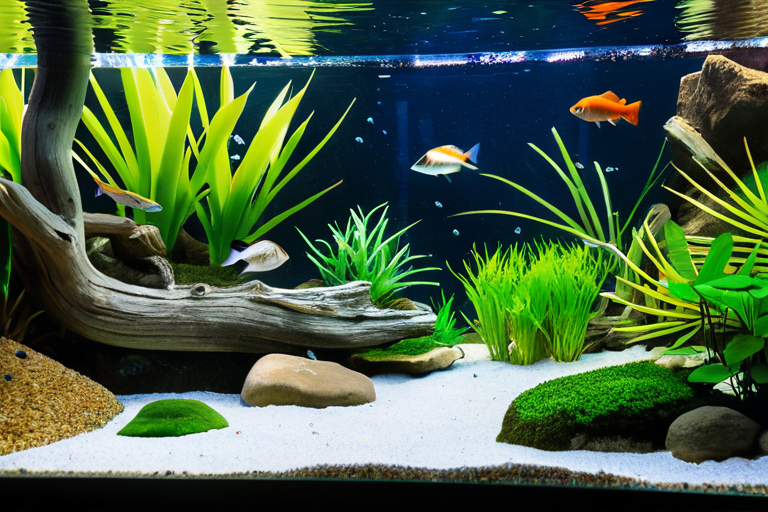
A well-maintained freshwater community tank
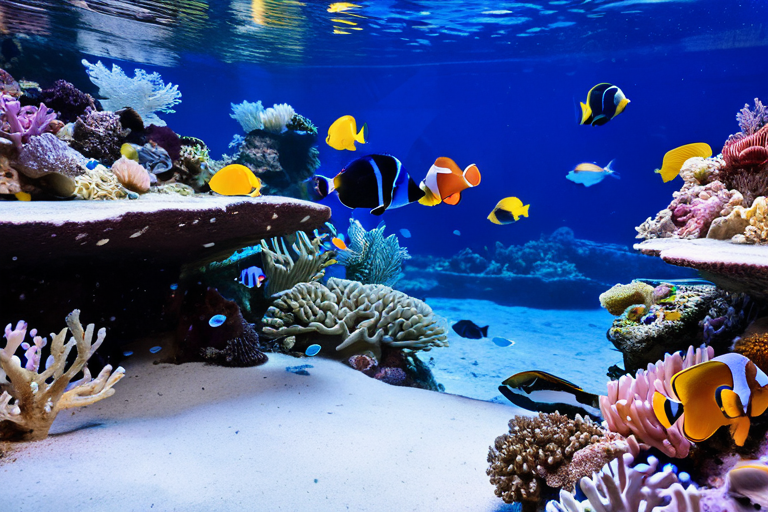
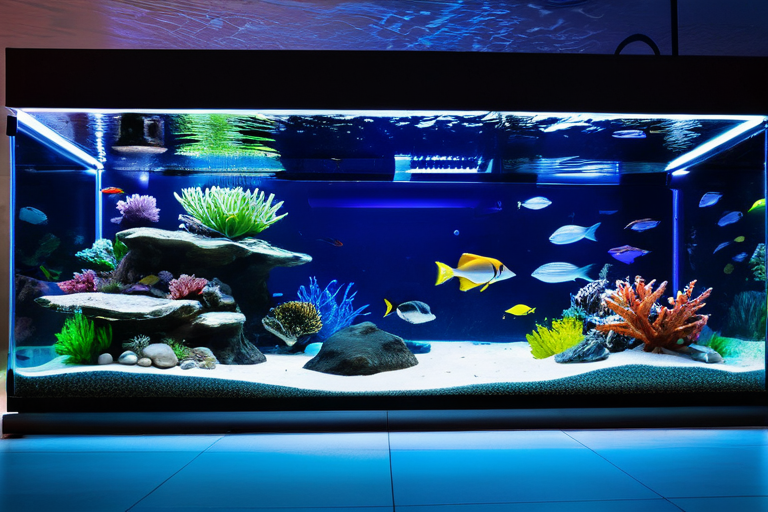
Advanced saltwater reef aquarium setup
Freshwater vs. Saltwater: The Great Debate
According to the Aquarium Co-Op, freshwater tanks are generally more beginner-friendly. They require less equipment, lower maintenance costs, and offer a wider variety of hardy fish species. Saltwater tanks, while more challenging, provide the opportunity to keep stunning coral reefs and exotic marine species.
The Real Cost of Aquarium Ownership
Many potential aquarium owners underestimate the ongoing costs. Beyond the initial setup, you'll need to budget for:
| Expense Category | Initial Cost | Monthly Cost |
|---|---|---|
| Tank & Stand | $100-$500+ | N/A |
| Filtration System | $50-$300 | $5-$20 (filter media) |
| Lighting | $30-$200 | $5-$15 (electricity) |
| Fish Food & Supplies | $20-$100 | $10-$30 |
Maintenance Requirements: The Weekly Commitment
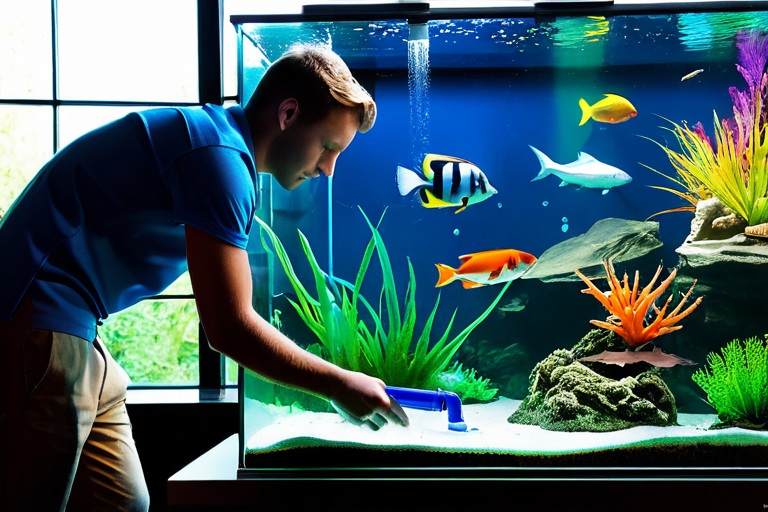
Proper maintenance is crucial for a healthy aquarium. The Aquarium Information Center outlines these essential weekly tasks:
Weekly Maintenance Checklist:
- Water Testing: Check pH, ammonia, nitrite, and nitrate levels
- Partial Water Change: Replace 10-25% of tank water
- Filter Maintenance: Clean or replace filter media as needed
- Glass Cleaning: Remove algae from viewing surfaces
- Equipment Check: Ensure heaters, pumps, and lights function properly
Best Fish Species for Beginners
Choosing the right fish is critical for success. The PetMD Veterinary Network recommends these hardy species for new aquarium owners:
Betta Fish
Known for their vibrant colors and personality, bettas can thrive in smaller tanks but require specific water conditions.
Guppies
Colorful, active, and prolific breeders. Perfect for community tanks and very forgiving of beginner mistakes.
Corydoras Catfish
Peaceful bottom-dwellers that help keep the tank clean. They prefer to be kept in groups of 3 or more.
Common Mistakes to Avoid
Even experienced aquarium keepers make mistakes. Here are the most common pitfalls identified by the Fish Keeping World educational platform:
Critical Mistakes:
- Overfeeding: The #1 cause of water quality issues
- Adding Fish Too Quickly: Can crash the nitrogen cycle
- Skipping Water Changes: Leads to toxin buildup
- Mixing Incompatible Species: Causes stress and aggression
- Neglecting Quarantine: Introduces diseases to established tanks
The Environmental Impact
Responsible fish keeping also means considering environmental sustainability. The Monterey Bay Aquarium emphasizes the importance of:
- Choosing captive-bred fish over wild-caught specimens
- Properly disposing of aquarium water (never release into local waterways)
- Using energy-efficient equipment to reduce electricity consumption
- Supporting conservation efforts through responsible pet ownership
Is a Fish Tank Right for Your Home?
After considering all factors, the decision comes down to your lifestyle, budget, and commitment level. A fish tank can be a wonderful addition to any home, providing beauty, education, and therapeutic benefits. However, it requires consistent care and financial investment.
As marine biologist Sylvia Earle once said, "With every drop of water you drink, every breath you take, you're connected to the sea. No matter where on Earth you live." A home aquarium brings a small piece of that connection into your daily life.
Final Verdict:
If you're willing to commit to regular maintenance, have the space and budget, and are genuinely interested in aquatic life, a fish tank can be an incredibly rewarding addition to your home. Start small, do your research, and enjoy the journey into the fascinating world of aquarium keeping.