The Ultimate Guide to Ice Fishing Sleds: Your Winter Companion on Frozen Waters
When winter blankets lakes and rivers with ice, anglers don't just pack up their gear—they adapt. At the heart of this cold-weather adaptation lies the ice fishing sled, a specialized piece of equipment that transforms challenging frozen expeditions into organized, efficient adventures. More than just a container, an ice fishing sled serves as a mobile command center, shelter transporter, and gear-hauling workhorse, designed specifically to withstand sub-zero temperatures and rugged ice conditions.
"A quality ice fishing sled isn't an accessory—it's the foundation of your entire ice fishing system. It determines how much gear you can bring, how easily you can move, and ultimately, how successful and comfortable your day on the ice will be." — IceShanty Community Forums
Anatomy of an Ice Fishing Sled: Breaking Down the Components
Modern ice fishing sleds feature sophisticated designs that address the unique challenges of frozen environments. The hull, typically constructed from high-density polyethylene (HDPE) or similar durable plastics, provides impact resistance against rough ice and occasional collisions with hidden obstacles. According to Outdoor Life's fishing experts, HDPE offers the ideal balance of flexibility and strength, preventing cracks in extreme cold while maintaining structural integrity under heavy loads.
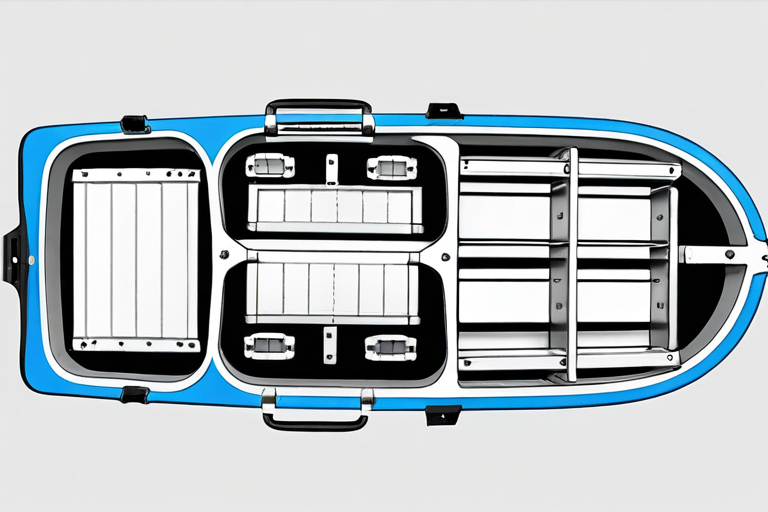
Modern ice fishing sled design incorporates multiple compartments and attachment points for organized gear transport
The pulling system represents another critical innovation. Traditional rope pulls have evolved into ergonomic harness systems that distribute weight across the angler's shoulders and hips, reducing fatigue during long pulls across expansive frozen lakes. Many premium models now feature integrated tow bars that convert the sled into a quasi-cart when moving across snow-covered approaches to the ice.
Material Science: What Makes a Sled Winter-Worthy?
Not all plastics perform equally in freezing conditions. Industry leaders like Otter Outdoors and Frabill utilize specialized polymer blends that remain flexible at temperatures as low as -40°F (-40°C). This flexibility prevents the brittle fractures that plagued earlier generations of ice sleds. Reinforcement ribs molded into the sled's underside add structural support without significantly increasing weight—a crucial consideration when every pound must be pulled across potentially slippery surfaces.
High-Density Polyethylene (HDPE)
Industry standard for durability and cold-weather performance. Resists impacts and maintains flexibility in extreme cold.
Polypropylene Blends
Lighter alternative with excellent chemical resistance. Often used in premium sleds where weight reduction is prioritized.
Reinforced Composites
Fiberglass or carbon fiber reinforcements in high-stress areas for maximum durability under heavy loads.
Specialized Features: Beyond Basic Transportation
Contemporary ice fishing sleds have evolved into sophisticated systems with features that address specific winter angling needs. Integrated rod holders keep expensive ice fishing rods secure and accessible during transport. Waterproof compartments protect electronics like fish finders and GPS units from snow melt and accidental splashes. Many models now include insulated storage areas that double as temporary coolers for caught fish, maintaining freshness in below-freezing temperatures.
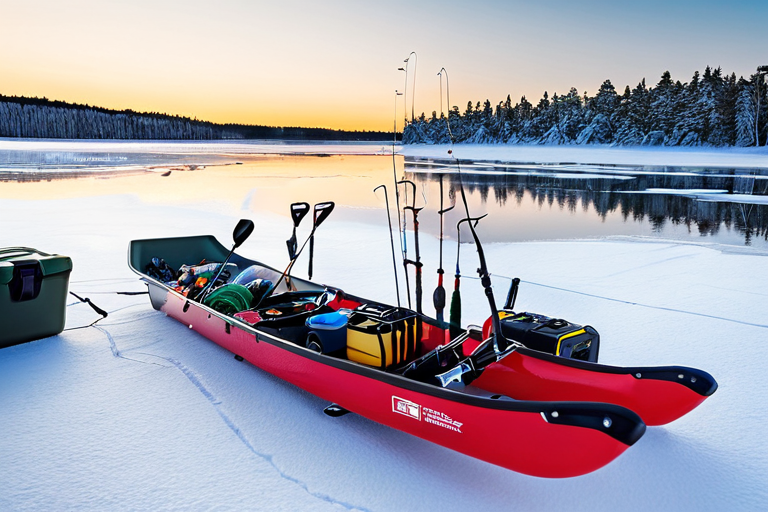
A properly loaded ice fishing sled organizes gear for efficient access while maintaining balance for easy pulling
Perhaps the most significant advancement has been the integration of shelter compatibility systems. As noted in Field & Stream's ice fishing coverage, modern sleds often feature predrilled mounting holes and reinforced areas specifically designed to accommodate flip-over shelters. This integration creates a seamless system where the sled becomes the floor of the shelter, eliminating the need to transfer gear between sled and shelter setup.
Sled Selection: Matching Equipment to Fishing Style
Choosing the right ice fishing sled involves considering several factors beyond simple size. The minimalist angler who moves frequently between holes might prioritize a lightweight model with just enough space for auger, rod case, and tackle. In contrast, the all-day shelter fisherman needs a heavy-duty sled capable of transporting shelter, heater, multiple rods, electronics, and comfort items. In-Fisherman's ice fishing experts recommend evaluating not just cubic capacity but also the sled's profile—lower sleds resist tipping in windy conditions but may have less storage height.
Selection Checklist
- Capacity vs. Maneuverability: Larger sleds carry more gear but are harder to pull through deep snow
- Material Thickness: Thicker walls (3mm+) withstand impacts better but add weight
- Attachment Points: Multiple D-rings and tie-downs offer flexibility in gear configuration
- Runners/Skids: Metal or plastic runners protect the sled bottom and improve sliding on rough ice
- Weight Empty: Consider how much the sled itself weighs before adding gear
Innovations and Future Trends
The ice fishing sled market continues to evolve with technological integrations. Some manufacturers now offer sleds with built-in battery compartments for powering LED lighting systems and electronic devices. Others have developed modular systems where different sleds can be connected in train-like configurations for group fishing expeditions. Perhaps most intriguing are the early prototypes of electrically-assisted sleds featuring small battery-powered motors that help with pulling heavy loads—a development that could revolutionize ice fishing accessibility.
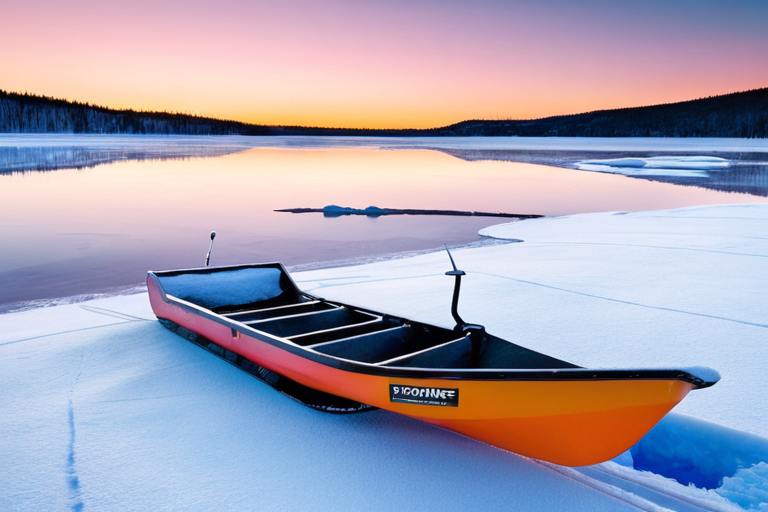
A well-equipped ice fishing sled ready for a day on the frozen lake, demonstrating efficient gear organization
Environmental considerations are also shaping sled design. Manufacturers are increasingly using recycled materials in sled construction, and some offer repair kits specifically designed to extend sled lifespan rather than replace damaged units. This sustainability focus aligns with the ice fishing community's inherent connection to and dependence on healthy frozen ecosystems.
Maintenance and Longevity: Protecting Your Investment
Proper care extends an ice fishing sled's lifespan significantly. After each use, removing all gear and allowing the sled to dry completely prevents moisture-related damage and mold growth. Periodically inspecting for stress cracks, particularly around attachment points and handles, allows for early repairs before small issues become major failures. Bass Pro Shops' ice fishing guides recommend storing sleds out of direct sunlight during off-seasons, as UV degradation can weaken plastics over time.
Pro Tip: Seasonal Preparation
Before first ice each season, apply a silicone-based lubricant to the sled's bottom surface. This reduces friction when pulling across ice, making transportation significantly easier. Avoid petroleum-based products that can degrade plastic over time.
Conclusion: More Than Just a Container
The modern ice fishing sled represents a convergence of material science, ergonomic design, and practical angling knowledge. What began as simple modified toboggans has evolved into specialized equipment that directly impacts fishing success and safety. Whether you're a weekend warrior or a hardcore ice angler, investing time in selecting the right sled—and learning to use it effectively—pays dividends in comfort, efficiency, and ultimately, more time with lines in the water. As ice fishing technology continues to advance, the humble sled remains at the center of the winter angling experience, proving that sometimes the most important piece of equipment isn't what goes in the water, but what carries everything to the water's frozen surface.
Sources & Further Reading:
- IceShanty Community Forums - Practical user experiences and modifications
- Outdoor Life Ice Fishing Guides - Gear reviews and technique articles
- Field & Stream Ice Fishing Coverage - Seasonal trends and expert advice
- In-Fisherman Ice Fishing Resources - Scientific approach to winter angling