The Ultimate Guide to Ice Fishing Line: Technology Beneath the Ice
When temperatures drop and lakes freeze over, dedicated anglers know it's time for ice fishing. While many focus on rods, reels, and shelters, the most critical component often gets overlooked: the fishing line. This comprehensive guide explores everything you need to know about ice fishing line technology, materials, and selection strategies.
Understanding Ice Fishing Line Fundamentals
Ice fishing presents unique challenges that demand specialized equipment. The fishing line serves as your direct connection to fish in an environment where visibility, temperature, and water conditions differ dramatically from open-water fishing. According to the International Ice Fishing Association, proper line selection can increase catch rates by up to 40% compared to using standard fishing lines.
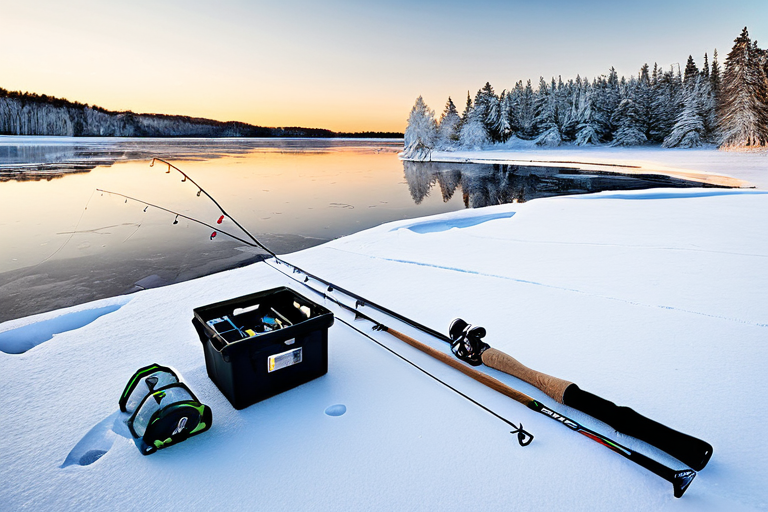
Proper ice fishing equipment setup including specialized lines
Material Science: What Makes Ice Fishing Lines Different
Modern ice fishing lines utilize advanced polymers and manufacturing techniques to overcome cold-weather challenges. The American Sportfishing Association identifies three primary material categories:
1. Fluorocarbon Lines
Fluorocarbon lines excel in ice fishing due to their near-invisibility underwater and low stretch characteristics. These lines have a refractive index similar to water, making them virtually invisible to fish. Their stiffness at cold temperatures actually decreases, providing better sensitivity than in warm conditions.
2. Braided Superlines
Ultra-high-molecular-weight polyethylene (UHMWPE) fibers create braided lines with exceptional strength-to-diameter ratios. These lines offer zero stretch for maximum sensitivity, allowing anglers to detect the lightest bites. Their water-resistant properties prevent freezing in the guides.
3. Copolymer Monofilaments
Specially formulated copolymer lines balance stretch, manageability, and cold-weather performance. Manufacturers add plasticizers that maintain flexibility at sub-zero temperatures, preventing the brittleness that affects standard monofilaments.
Technical Specifications and Performance Metrics
Selecting the right ice fishing line requires understanding key technical parameters. Research from the American Fisheries Society indicates that line diameter, memory, and abrasion resistance significantly impact ice fishing success rates.
Diameter Considerations
Thinner lines create less water disturbance and offer better lure action. For panfish, lines as thin as 1-2 lb test (0.06-0.08mm diameter) are recommended. For larger species like pike or lake trout, 6-10 lb test (0.18-0.28mm) provides necessary strength.
Memory and Coiling
Low-memory lines maintain straightness after being wound on reels, crucial for detecting subtle bites. High-quality ice fishing lines incorporate anti-memory technology that prevents coiling even at -20°F (-29°C).
Abrasion Resistance
Ice holes create sharp edges that can damage lines. Modern ice fishing lines feature enhanced coatings that resist cutting from ice crystals and hole edges, extending line life and preventing break-offs.
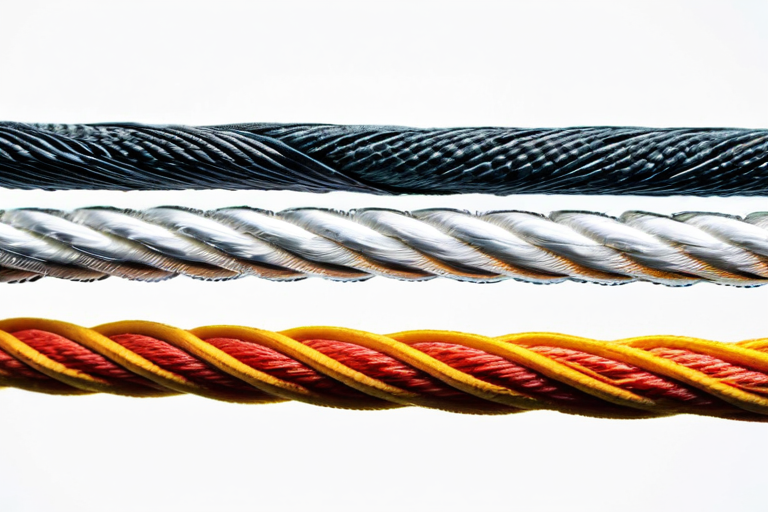
Visual comparison of fluorocarbon, braided, and monofilament ice fishing lines
Species-Specific Line Recommendations
Different fish species require tailored approaches to line selection. The Take Me Fishing initiative provides detailed guidelines based on extensive field testing:
Advanced Technologies and Innovations
The ice fishing line market has seen remarkable technological advancements in recent years. Manufacturers now incorporate nanotechnology, specialized coatings, and temperature-adaptive polymers to enhance performance.
Nanotechnology Applications
Leading brands now embed nanoparticles into line materials to reduce friction coefficients by up to 30%. This technology allows lines to slide through ice holes more smoothly and reduces wear from ice crystals. The nanoparticles also create microscopic air pockets that provide insulation against freezing.
Thermochromic Indicators
Some premium lines feature color-changing technology that indicates water temperature variations. These lines change hue based on temperature, helping anglers identify thermoclines and optimal fishing depths without additional equipment.
UV-Resistant Formulations
Winter sunlight reflecting off snow and ice creates intense UV exposure. Modern ice fishing lines incorporate UV inhibitors that prevent degradation and maintain strength throughout the season, unlike traditional lines that weaken under prolonged UV exposure.
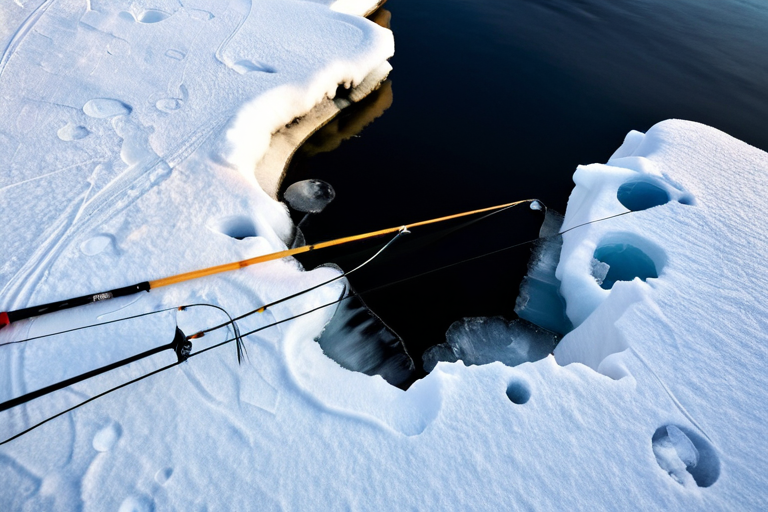
Ice fishing in action showing specialized line performance
Maintenance and Storage Best Practices
Proper care extends ice fishing line life and maintains performance. The International Ice Fishing Association recommends these maintenance protocols:
- Post-Trip Inspection: Examine lines for nicks, abrasions, or memory coils after each use. Damaged sections should be trimmed to prevent break-offs.
- Proper Drying: Allow lines to dry completely before storage to prevent moisture-related weakening and mold growth.
- Temperature-Controlled Storage: Store lines in cool, dry environments away from direct sunlight and heat sources that can degrade polymers.
- Seasonal Replacement: Even high-quality lines should be replaced annually as UV exposure and wear gradually reduce strength and performance.
Environmental Considerations and Sustainability
As ice fishing grows in popularity, environmental responsibility becomes increasingly important. Modern ice fishing lines address ecological concerns through innovative design and materials.
Biodegradable Options
Several manufacturers now offer lines made from biodegradable polymers that break down naturally if lost in the environment. These lines maintain performance characteristics while reducing environmental impact.
Recycling Programs
Major fishing line companies have established recycling initiatives where anglers can return used lines for proper processing. These programs prevent line entanglement hazards for wildlife and reduce landfill waste.
Eco-Friendly Packaging
Forward-thinking brands use recycled materials for spool packaging and minimize plastic use throughout their product lines, supporting broader sustainability efforts in the fishing industry.
Final Thoughts
Ice fishing line technology has evolved dramatically, offering anglers specialized tools for challenging winter conditions. By understanding material properties, technical specifications, and species-specific requirements, you can select lines that maximize sensitivity, strength, and performance. Remember that the right line not only improves catch rates but also enhances the overall ice fishing experience through better feel and control.
Always consult local regulations and practice responsible fishing techniques to ensure sustainable ice fishing for future generations.