The Ultimate Guide to Choosing the Perfect Fish Tank
Why Your Fish Tank Choice Matters More Than You Think
Selecting the right fish tank isn't just about aesthetics - it's about creating a sustainable ecosystem where your aquatic friends can thrive. As marine biologist Dr. Sarah Johnson from the MarineBio Conservation Society explains, "The tank is the foundation of your aquatic environment. Get it wrong, and you're setting yourself up for constant maintenance battles and unhappy fish."
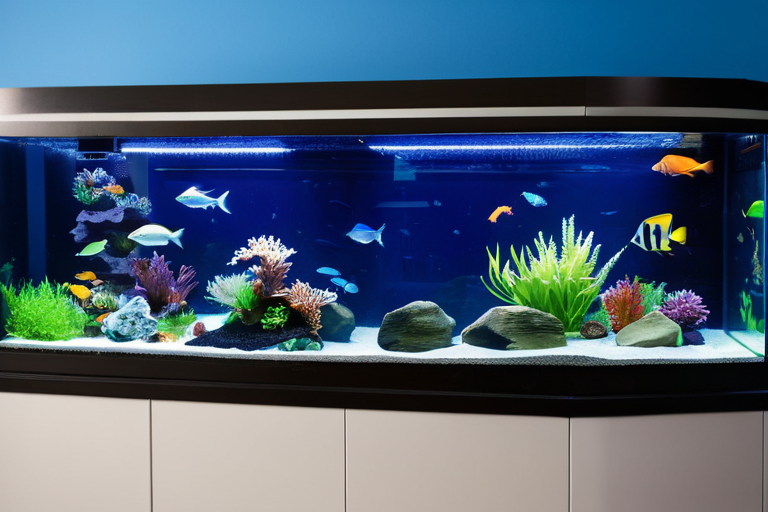
Understanding Tank Types: More Than Just Glass Boxes
Freshwater vs. Saltwater Tanks
This fundamental choice determines your entire fish-keeping journey. According to Aquarium Co-Op, freshwater tanks are generally easier for beginners, with lower maintenance requirements and more forgiving water parameters. Saltwater tanks, while stunning, demand precise water chemistry management and typically higher equipment costs.
Tank Shapes and Their Purposes
- Rectangular Tanks: The gold standard for most setups, offering optimal surface area for oxygen exchange
- Bow-front Tanks: Great for display purposes but can distort viewing angles
- Cube Tanks: Perfect for nano setups and shrimp keeping
- Column Tanks: Ideal for tall-growing plants and certain fish species
Material Matters: Glass vs. Acrylic Showdown
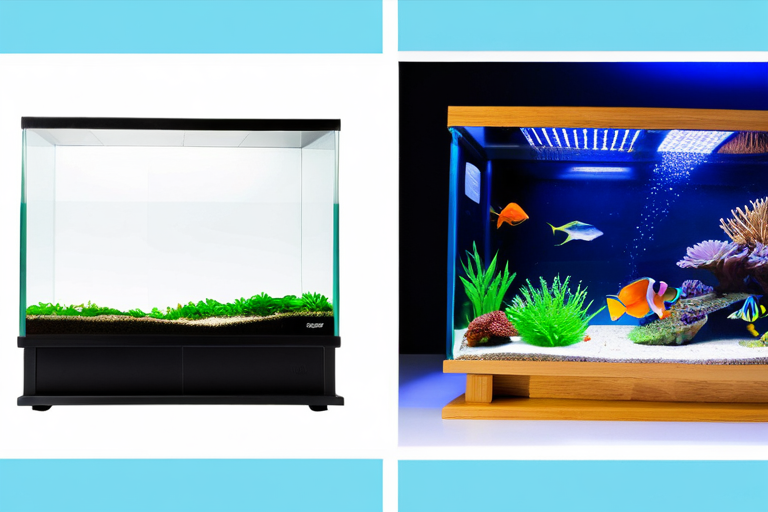
This age-old debate continues to divide the aquarium community. Glass tanks, as detailed by FishLore, offer superior scratch resistance and maintain clarity over time. However, they're heavier and more fragile during transportation.
Acrylic tanks provide better insulation and are significantly lighter. Professional aquarist Michael Sandford notes, "Acrylic's impact resistance makes it ideal for households with children or in earthquake-prone areas. But you'll need to be meticulous about cleaning to avoid scratches."
Glass Advantages
- Scratch-resistant surface
- Maintains clarity over decades
- Lower cost for standard sizes
- Non-porous surface
Acrylic Advantages
- Lightweight construction
- Excellent thermal insulation
- Custom shapes available
- Superior impact resistance
Size Selection: The Goldilocks Principle
Choosing the right tank size involves balancing space constraints with the needs of your future aquatic residents. The Pet Education guideline suggests starting with at least 20 gallons for beginners, as larger volumes provide more stable water conditions.
"Don't fall for the 'small tank equals less work' misconception," warns experienced aquarist Jennifer Martinez. "Smaller tanks actually require more frequent maintenance because waste concentrations build up faster."
Filtration Fundamentals: The Heart of Your Aquarium
Three-Stage Filtration Explained
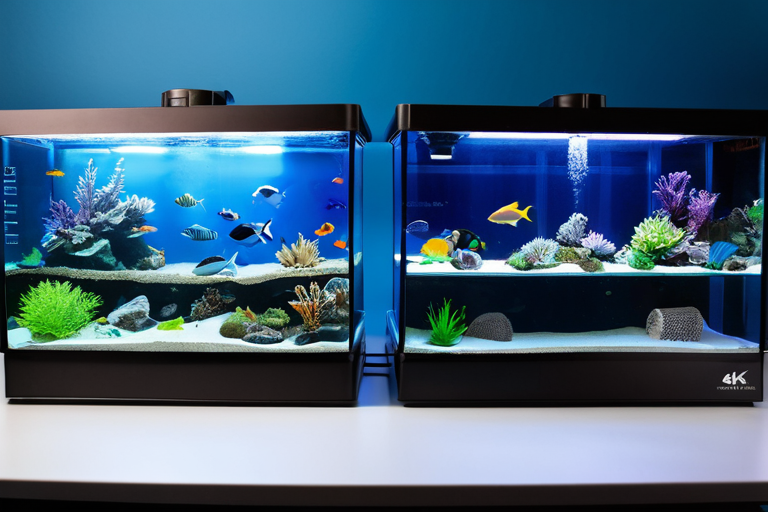
Proper filtration combines mechanical, biological, and chemical processes. Aquarium Source emphasizes that biological filtration is non-negotiable - this is where beneficial bacteria convert toxic ammonia into less harmful substances.
Filter Types Demystified
- Hang-on-Back (HOB): Great for beginners, easy maintenance
- Canister Filters: Superior filtration capacity, ideal for larger tanks
- Sponge Filters: Excellent for breeding tanks and hospital setups
- Internal Filters: Space-saving but less efficient
Lighting Considerations: Beyond Just Illumination
Aquarium lighting serves multiple purposes beyond mere visibility. For planted tanks, lighting drives photosynthesis. Marine aquarist David Chen advises, "Match your lighting to your tank's purpose. Low-light setups work for fish-only tanks, while planted and reef tanks need specialized spectrum lighting."
Pro Tip: Photoperiod Management
Use timers to maintain consistent light cycles - typically 8-10 hours daily. This prevents algae blooms and maintains fish circadian rhythms.
Heating and Temperature Control
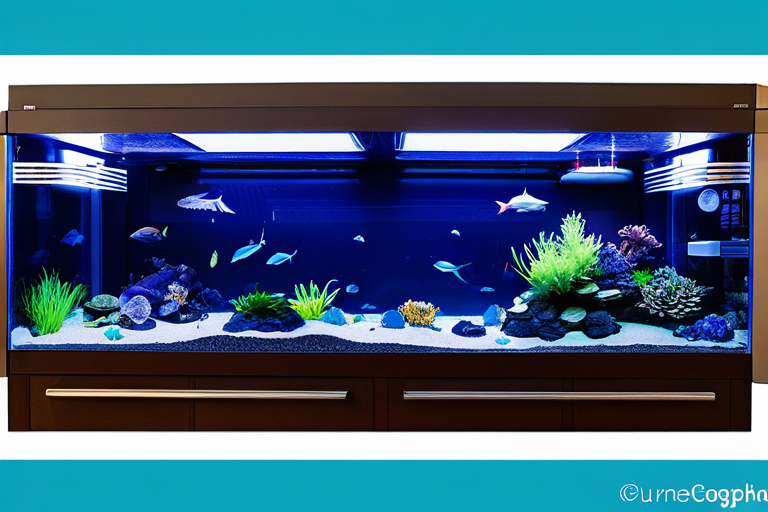
Most tropical fish require stable temperatures between 75-80°F (24-27°C). According to The Spruce Pets, the general rule is 5 watts per gallon for standard room temperatures, but always check manufacturer recommendations.
"Never trust heater thermometers alone," cautions Dr. Robert Kim, aquatic veterinarian. "Use separate digital thermometers and consider redundant heating systems for valuable livestock."
Substrate Selection: The Foundation of Your Aquascape
Your choice of substrate affects water chemistry, plant growth, and fish behavior. Aquascaping Love differentiates between inert substrates (like gravel) and active substrates that alter water parameters.
Gravel
Versatile and widely available
Sand
Natural look, good for bottom-dwellers
Plant Substrates
Nutrient-rich for planted tanks
Location and Placement: Setting Up for Success
Where you place your tank significantly impacts maintenance frequency and fish health. Avoid direct sunlight, high-traffic areas, and locations near heating/cooling vents. Structural engineer Mark Thompson warns, "A filled aquarium weighs approximately 10 pounds per gallon. Ensure your stand and flooring can support this weight long-term."
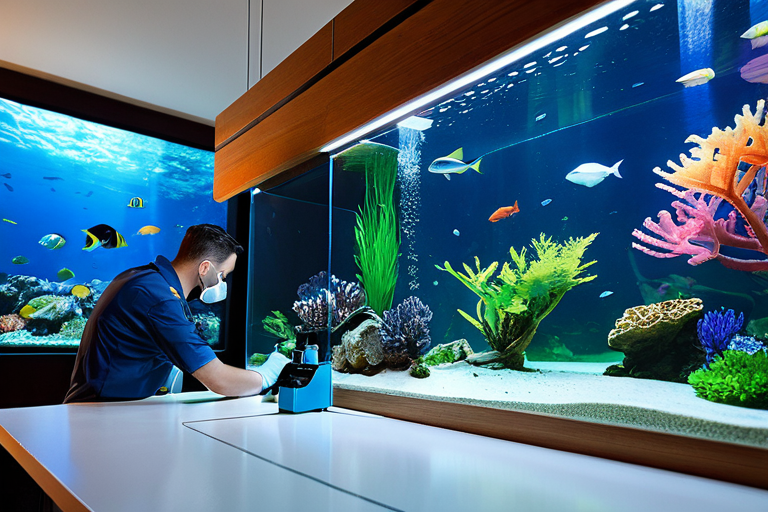
Maintenance Considerations: Planning for the Long Haul
Regular maintenance is non-negotiable for aquarium health. Fishkeeping World recommends weekly water changes of 10-25%, depending on bioload. "Consistency beats intensity in aquarium maintenance," notes professional aquarium maintenance specialist Lisa Rodriguez.
Budgeting Realistically: Hidden Costs Revealed
The initial tank purchase is just the beginning. Factor in ongoing costs for electricity, water conditioners, filter media, fish food, and potential medications. Financial planner and aquarium enthusiast James Wilson suggests, "Budget 2-3 times your initial tank cost for the first year's equipment and supplies."
Essential Equipment Checklist
- Appropriately sized tank
- Quality filtration system
- Heater with thermostat
- Aquarium lighting
- Water test kit
- Water conditioner
- Net and cleaning tools
- Quality fish food
- Backup air pump
- Quarantine tank
Final Thoughts: Your Aquatic Journey Begins Here
Choosing the right fish tank sets the stage for years of aquatic enjoyment. Remember that patience and research pay dividends in this hobby. As veteran aquarist Maria Gonzalez concludes, "The most expensive tank isn't necessarily the best tank for you. The right tank is the one you'll maintain consistently and enjoy daily."
Whether you're setting up your first beginner tank or planning an elaborate reef system, proper planning and equipment selection will ensure your aquatic adventure starts on the right fin.
Sources: MarineBio Conservation Society, Aquarium Co-Op, FishLore, Pet Education, Aquarium Source, The Spruce Pets, Aquascaping Love, Fishkeeping World