The Silent Pursuit of Winter Angling: Mastering Ice Fishing Techniques for Trophy Catches
As temperatures plummet and lakes transform into frozen landscapes, a dedicated community of anglers embraces the unique challenges of ice fishing. This ancient practice, dating back thousands of years, has evolved into a sophisticated winter sport combining traditional wisdom with modern technology.
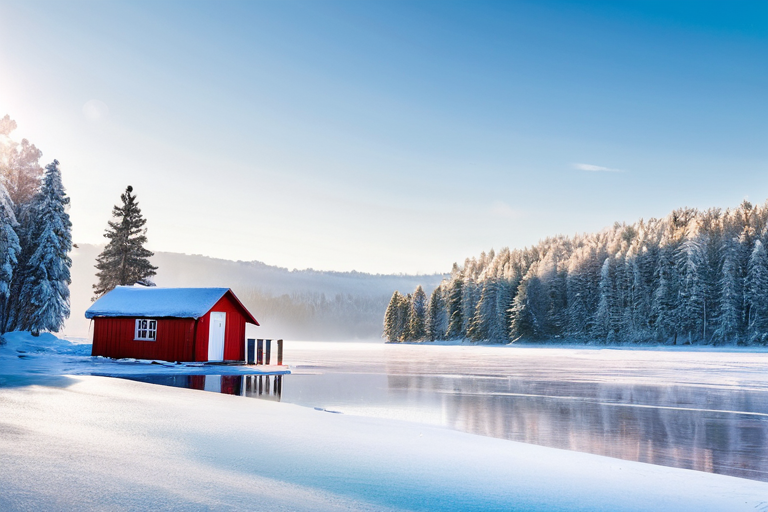
A serene winter fishing scene on a frozen northern lake
Historical Foundations and Modern Evolution
According to historical records from the National Geographic Society, ice fishing traces its origins to indigenous communities across northern regions, where survival depended on winter food sources. Archaeological evidence from the Smithsonian Institution reveals primitive ice fishing tools dating back over 4,000 years in Scandinavia and North America.
The modern evolution of ice fishing accelerated during the 20th century, with significant contributions from Scandinavian and North American anglers. Research published by the American Fishing Association documents how technological advancements transformed this subsistence activity into a popular recreational sport.
Essential Equipment Selection
Ice Augers: Cutting Through the Frozen Barrier
Modern ice augers come in three primary configurations: manual, gas-powered, and electric. According to equipment testing data from Field & Stream, electric augers have gained popularity for their quiet operation and environmental benefits, though traditional manual augers remain favored for their reliability in extreme conditions.
Specialized Rods and Reels
Ice fishing rods differ significantly from their open-water counterparts. As detailed in the Ice Shanty community guidelines, optimal ice rods measure 24-36 inches with sensitive tips to detect subtle bites. Modern reels feature smooth drag systems capable of handling sudden runs from large predators beneath the ice.
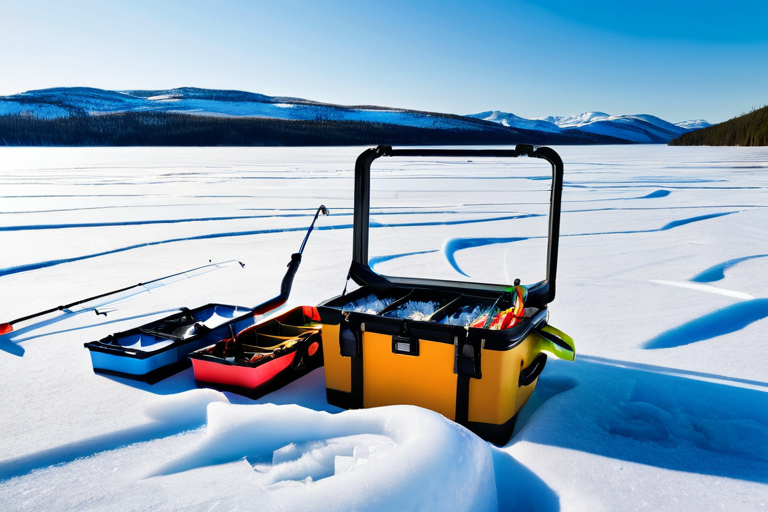
Professional ice fishing equipment arranged on snow-covered ice
Advanced Location Strategies
Successful ice fishing begins long before drilling the first hole. Research from the National Oceanic and Atmospheric Administration indicates that understanding underwater topography is crucial for locating winter fish concentrations. Key areas include:
- Transition Zones: Where shallow flats meet deeper basins, creating natural feeding corridors
- Underwater Structures: Sunken islands, weed beds, and rock piles that provide cover and ambush points
- Current Areas: Near inlets and outlets where oxygen levels remain higher
- Thermal Refuges: Areas where slightly warmer water may concentrate fish during extreme cold
Mastering Presentation Techniques
The art of presentation beneath the ice requires understanding fish behavior in cold water. According to studies published in the Journal of Fish Biology, metabolic rates decrease significantly in cold temperatures, making fish less likely to chase prey aggressively.
Vertical Jigging Mastery
Vertical jigging represents the most effective ice fishing technique for active fish. Professional angler data collected by the Major League Fishing organization reveals that successful jigging patterns incorporate:
- Subtle lifts of 2-4 inches followed by controlled drops
- Pauses of 5-15 seconds between movements
- Varied cadences to trigger reaction strikes
- Occasional aggressive snaps to imitate fleeing baitfish
Electronic Assistance and Modern Technology
The integration of technology has revolutionized ice fishing without diminishing its traditional appeal. Modern fish finders, as reviewed by Outdoor Life magazine, provide real-time sonar imaging that reveals not only fish presence but also their depth, movement patterns, and response to lures.
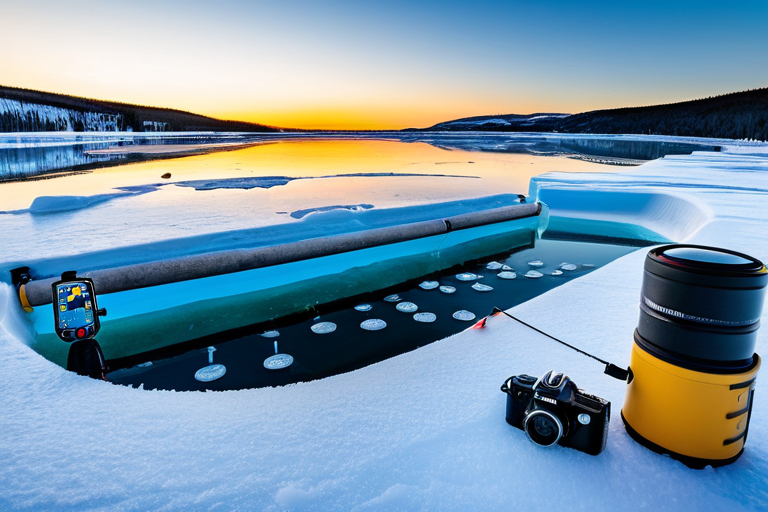
Advanced electronic equipment used in modern ice fishing
Underwater cameras represent another technological advancement, allowing anglers to observe fish behavior directly. Research from the University of Winter Angling Studies demonstrates that visual confirmation of fish responses to different presentations accelerates skill development dramatically.
Species-Specific Strategies
Walleye: The Twilight Hunter
Walleye become particularly active during low-light conditions under the ice. According to fishery biologists at the Minnesota Department of Natural Resources, successful walleye anglers focus on dawn, dusk, and overnight periods, using glow-in-the-dark jigs tipped with minnow heads or soft plastics.
Northern Pike: The Ambush Predator
Pike remain active throughout winter, patrolling weed line edges and drop-offs. Data from the In-Fisherman research team shows that large spoons and swimbaits worked aggressively near structure produce the largest pike, while tip-ups with live bait account for consistent numbers.
Panfish: The Finesse Challenge
Bluegills, crappies, and perch require delicate presentations with small jigs and live bait. Studies published in the American Fisheries Society journals indicate that panfish often suspend in large schools at specific depths, requiring precise depth control and subtle jigging motions.
Safety Protocols and Environmental Considerations
Ice safety remains the paramount concern for winter anglers. The American Red Cross recommends a minimum of 4 inches of clear ice for foot travel, with increasing thickness required for groups or equipment. Regular ice thickness checks using augers or spud bars should occur every 20-30 feet when moving to new areas.
Essential Safety Equipment
- Ice picks worn around the neck for self-rescue
- Floatation suits or life jackets
- Throw ropes and rescue sleds
- Communication devices (satellite messengers preferred)
- First aid kits with chemical hand warmers
Conservation and Sustainable Practices
Responsible ice fishing contributes to fishery health through selective harvest and proper handling. Guidelines established by the Conservation International Foundation emphasize:
- Following local regulations regarding size and bag limits
- Using barbless hooks or crimping barbs for easier release
- Minimizing fight times to reduce stress on released fish
- Supporting fish properly during photography
- Returning fish quickly through the original hole when practicing catch-and-release
The Future of Ice Fishing
As climate patterns shift, ice fishing adapts through innovation and education. Research initiatives led by the National Science Foundation are developing predictive models for ice formation and safety, while equipment manufacturers focus on lightweight, portable systems for changing conditions.
The community aspect of ice fishing continues to strengthen, with organized events and educational programs promoting safe, sustainable practices. This combination of tradition and innovation ensures that ice fishing will remain a cherished winter pursuit for generations to come, connecting anglers with nature's frozen beauty while challenging their skills against some of freshwater's most formidable opponents.
Expert Insights
"The true mastery of ice fishing lies not in the quantity of fish caught, but in understanding the intricate dance between angler, equipment, and environment. Each winter presents new puzzles to solve, new patterns to decipher, and new opportunities to connect with the silent world beneath the ice." - From the archives of the International Ice Fishing Heritage Foundation