The Silent Language of River Currents: Decoding Nature's Underwater Signals
"The river speaks in currents, and those who listen catch more than fish." - Traditional Angler's Wisdom
Rivers have their own language—a complex system of currents, eddies, and flows that dictate where fish feed, rest, and travel. Unlike lakes or ponds where water movement is minimal, rivers present dynamic environments where understanding current patterns becomes the difference between an empty creel and a successful outing. This guide explores how to read these aquatic signals and use them to your advantage.
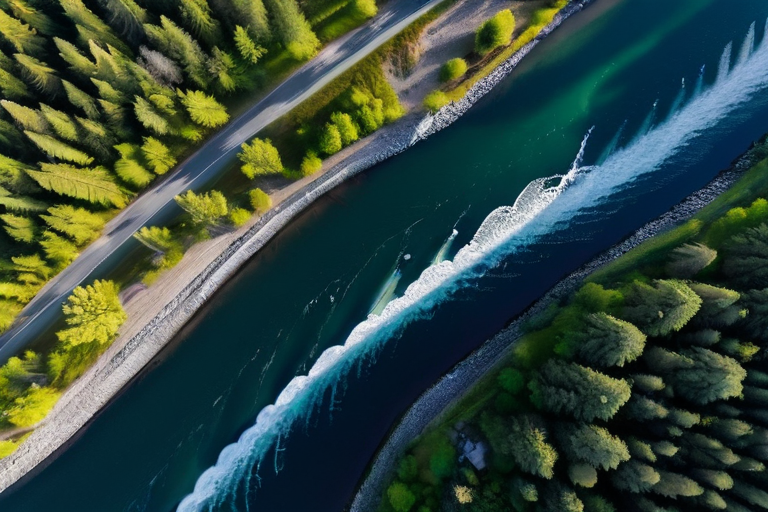
Understanding current breaks and feeding lanes is essential for river angling success
The Physics of River Flow: More Than Just Moving Water
River currents aren't uniform streams moving in one direction. According to research from the U.S. Geological Survey, river flow consists of multiple layers and patterns:
- Surface currents - Affected by wind and obstacles
- Mid-water flows - The main transportation corridor for nutrients
- Bottom currents - Slower but crucial for bottom-dwelling species
- Eddy currents - Circular flows behind obstacles
- Seam currents - Where different flow speeds meet
Each current type creates specific micro-environments that fish utilize differently. The American Fisheries Society notes that fish position themselves strategically relative to these currents to conserve energy while maximizing feeding opportunities.
Reading Water: The Angler's Most Important Skill
Professional guides spend years developing the ability to "read water"—interpreting surface patterns to understand what's happening below. Here are key indicators to watch for:
Visual Current Indicators
Surface texture changes - Smooth areas often indicate deeper, slower water while rippled surfaces suggest faster currents or shallower bottoms.
Foam lines - These form where currents converge, collecting insects and other food sources that attract fish.
Debris accumulation - Natural collection points where leaves, twigs, and other organic matter gather, creating feeding stations.
Color variations - Different current speeds carry different sediment loads, creating visible lines in the water.
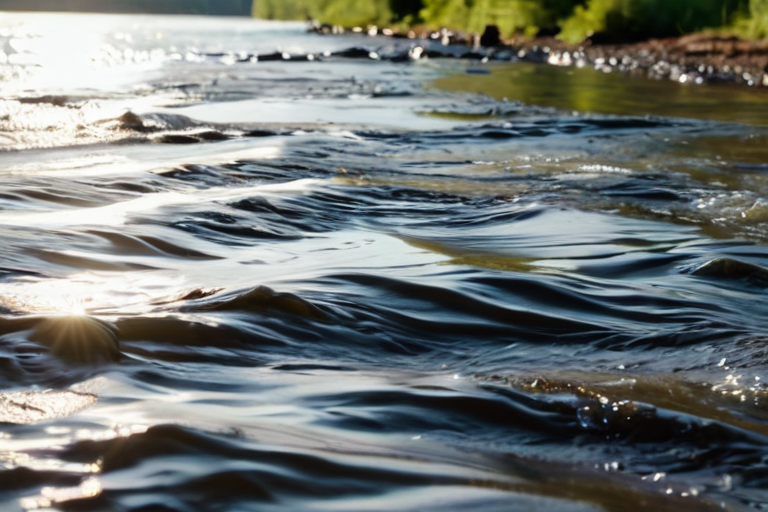
Experienced anglers learn to interpret subtle surface patterns
Current Breaks: Nature's Fish Hotels
Current breaks are areas where fast water meets slow water, creating energy-saving zones for fish. These include:
| Break Type | Fish Species Attracted | Presentation Strategy |
|---|---|---|
| Rock formations | Trout, Smallmouth Bass | Upstream casts with natural drifts |
| Log jams | Largemouth Bass, Catfish | Precision casting to pockets |
| Undercut banks | Brown Trout, Walleye | Parallel presentations along structure |
| Depth changes | Multiple species | Vertical jigging or bottom bouncing |
A study published in the Journal of Fish Biology found that fish in current breaks expend up to 70% less energy than those holding in main currents, allowing them to feed more aggressively when opportunities arise.
The Feeding Lane Concept: Nature's Conveyor Belt
Rivers create natural feeding lanes—specific pathways where food items concentrate. Understanding these lanes is crucial for presentation:
Primary Lanes
The fastest current paths where food travels quickly. Fish position at the edges rather than in the main flow.
Secondary Lanes
Slower adjacent currents where fish can hold position while watching for food items washing out of primary lanes.
Back-Eddy Lanes
Circular currents that trap food items, creating concentrated feeding opportunities with minimal energy expenditure.
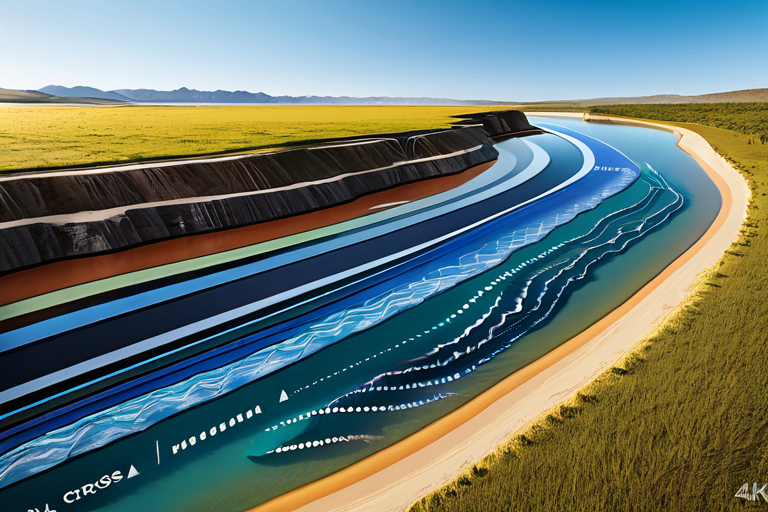
Different current speeds create distinct feeding opportunities
Seasonal Current Variations: Adapting to Nature's Rhythm
River currents change dramatically with seasons, and successful anglers adapt their strategies accordingly:
Spring Runoff Period
High, turbid water creates powerful currents that push fish to specific holding areas. According to data from the National Oceanic and Atmospheric Administration, spring currents can be 3-5 times stronger than summer flows, concentrating fish in backwaters and eddies.
Summer Low Flow
Reduced current speeds allow fish to spread out. Focus shifts to temperature gradients and oxygen-rich areas where springs enter the main river.
Fall Transition
Cooling water and increased rainfall create moderate currents that activate feeding behavior. Fish move to current breaks adjacent to deep pools.
Winter Stability
Minimal current changes create predictable holding patterns. Fish concentrate in the slowest water adjacent to remaining current lanes.
Professional Insight
"The best anglers don't fight the current—they work with it. Your presentation should complement natural water movement rather than contradict it. When your bait or lure moves as naturally as the river's own offerings, you become invisible to the fish's suspicion." - Mark Davis, Professional Angling Guide
Presentation Techniques for Different Current Speeds
Matching your presentation to current speed is more important than lure selection:
- Fast Currents (2+ mph): Use heavier weights to maintain bottom contact. Position upstream and allow natural drifts.
- Medium Currents (1-2 mph): Standard presentations work well. Focus on current breaks and seam lines.
- Slow Currents (0-1 mph): Finesse techniques excel. Subtle movements and natural presentations trigger strikes.
- Variable Currents: Adjust weight frequently. Use slip-sinker rigs that adapt to changing conditions.
The International Fishing Institute recommends practicing in known current conditions to develop instinctive adjustments without conscious thought.
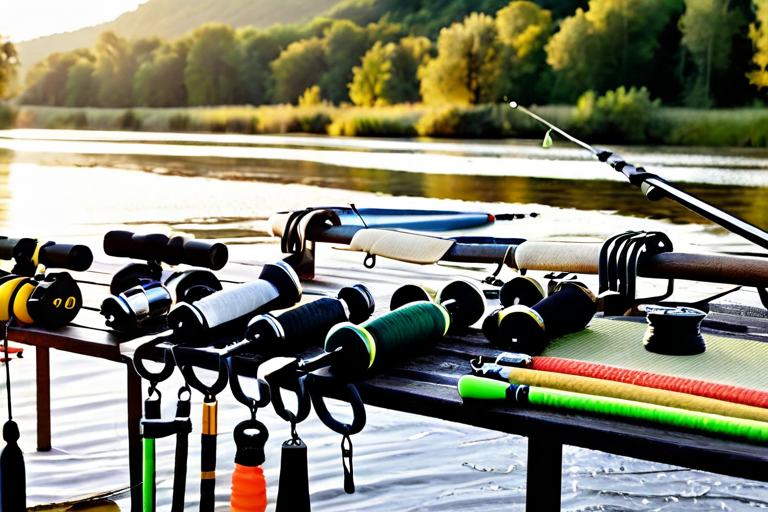
Adapting techniques to current conditions increases success rates
Technology and Current Analysis: Modern Tools for Ancient Skills
While traditional observation remains essential, modern technology provides additional insights:
- Current meters: Provide precise flow speed measurements at different depths
- Side-scan sonar: Reveals underwater structure and current patterns
- Water temperature gauges: Identify thermal currents and spring inputs
- Drift indicators: Track exact lure or bait movement relative to currents
However, as noted in Outdoor Life Magazine, technology should enhance rather than replace fundamental current-reading skills.
Conservation Considerations: Fishing with Current Awareness
Understanding currents also supports conservation efforts:
Sustainable Current Practices
Reduced snagging: Proper current understanding minimizes lost tackle and river pollution.
Targeted fishing: Focusing on productive current areas reduces disturbance to non-target habitats.
Seasonal awareness: Avoiding spawning areas during critical current conditions protects future populations.
Current-based release: Releasing fish into appropriate current speeds improves survival rates.
Developing Your Current Intuition: A Lifelong Journey
Mastering current reading requires consistent practice and observation:
Daily Practice
Spend 15 minutes observing water movement without fishing. Note patterns and changes.
Journal Tracking
Record current conditions, fish locations, and successful presentations for pattern recognition.
Mentor Guidance
Fish with experienced river anglers to accelerate learning through shared observation.
As rivers continue to flow and change, so too does the angler's understanding of their secrets. The current that challenges today becomes the teacher of tomorrow, revealing its patterns to those patient enough to observe and learn.
Sources and Further Reading:
- U.S. Geological Survey - River Flow Dynamics
- American Fisheries Society - Fish Behavior in Currents
- Journal of Fish Biology - Energy Expenditure Studies
- National Oceanic and Atmospheric Administration - Seasonal Flow Data
- International Fishing Institute - Professional Techniques
- Outdoor Life Magazine - Traditional and Modern Methods