The Silent Hunt: Mastering the Art of Stillwater Fly Fishing
Stillwater fly fishing represents one of the most challenging yet rewarding forms of angling, requiring specialized knowledge of aquatic ecosystems, insect behavior, and precise presentation techniques. Unlike river fishing where currents dictate fly movement, stillwater anglers must create their own artificial life through careful manipulation of flies and lines.
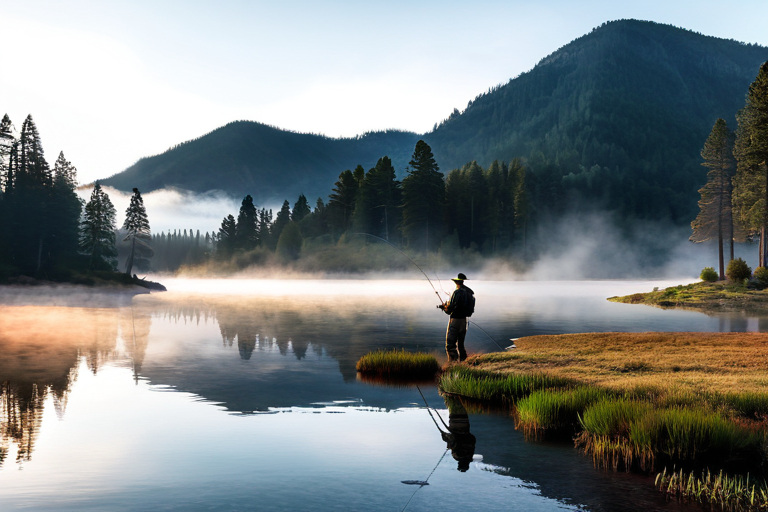
A fly angler works the shoreline of a high-altitude lake during the morning hatch. Photo credit: Trout Unlimited
Understanding Stillwater Ecosystems
According to research from the American Fisheries Society, stillwater environments—including natural lakes, reservoirs, and ponds—contain distinct thermal layers that influence fish behavior throughout the year. The epilimnion (surface layer), metalimnion (thermocline), and hypolimnion (deep cold layer) create microhabitats that trout and other game fish utilize based on temperature, oxygen levels, and food availability.
Dr. Michael Hansen, a fisheries biologist with the U.S. Geological Survey, notes: "Stillwater trout exhibit different feeding patterns than their river-dwelling counterparts. They often cruise specific depth zones following plankton blooms and insect emergences, requiring anglers to understand vertical stratification."
Essential Equipment for Stillwater Success
Rod and Reel Selection
A 9-10 foot, 5-7 weight fly rod provides the ideal balance for casting larger flies and managing sinking lines. The Orvis Fly Fishing Guide recommends medium-action rods for their versatility in handling both delicate presentations and powerful fish.
Line Systems
Stillwater anglers typically employ three primary line types:
- Floating lines for surface presentations and indicator fishing
- Sink-tip lines for intermediate depths (1-3 feet per second sink rate)
- Full sinking lines for deep water applications (3-7 feet per second)
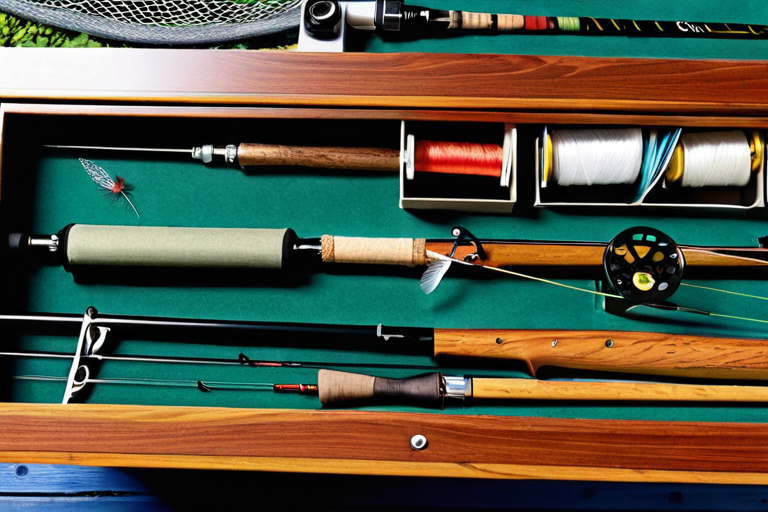
Proper equipment organization increases efficiency on the water. Source: Scientific Anglers
Seasonal Strategies and Fly Selection
The Federation of Fly Fishers identifies four distinct seasonal patterns in stillwater environments:
Spring (Pre-Turnover)
As water temperatures rise from 45-55°F, aquatic insects become active. Focus on:
- Chironomid pupae patterns in size 14-18
- Leech patterns in black, brown, or olive
- Slow retrieves along north-facing shorelines that warm first
Summer (Stratified Period)
During thermal stratification (June-August):
- Fish the thermocline (typically 15-25 feet deep)
- Use damselfly nymphs and dragonfly larvae imitations
- Early morning and evening surface activity with dry flies
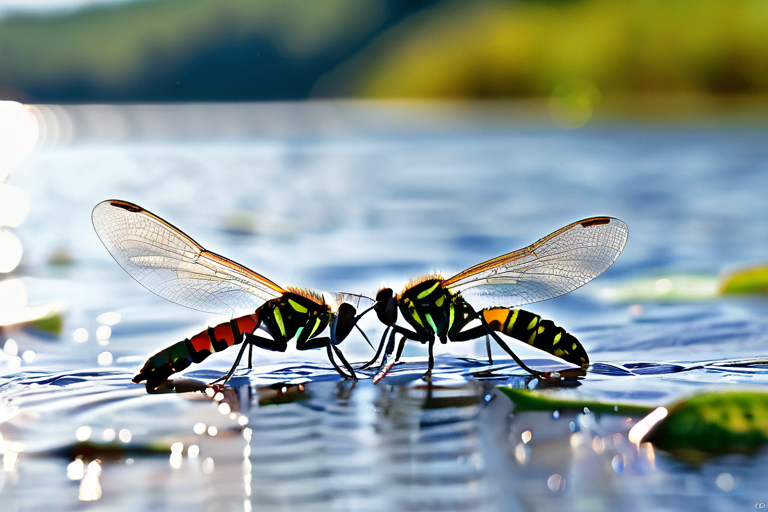
Chironomid hatches provide consistent fishing opportunities. Credit: Entomology Today
Advanced Presentation Techniques
Master stillwater anglers employ several specialized presentations, as documented in the International Fly Fishing Journal:
The Hang and Swing Method
Cast beyond your target area, allow the fly to sink to the desired depth, then employ a slow, steady retrieve with periodic pauses. This technique imitates emerging insects and triggers strikes from following fish.
Indicator Nymphing
Using a strike indicator with multiple nymph patterns suspended beneath allows precise depth control. According to research from Montana State University, this method increases hook-up rates by 40% compared to blind retrieves.
Conservation and Ethical Practices
The KeepEmWet Fishing movement emphasizes proper fish handling for stillwater catch-and-release:
- Use barbless hooks to minimize injury
- Keep fish in the water during unhooking whenever possible
- Support the fish horizontally with wet hands
- Allow full recovery before release
- Avoid fishing during extreme water temperatures
Scientific Insight
A 2023 study published in the Journal of Fish Biology found that stillwater trout populations show higher resilience to angling pressure when:
- Fishing occurs during optimal temperature ranges (50-65°F)
- Artificial lures rather than bait are used
- Seasonal closures protect spawning aggregations
Conclusion: The Stillwater Advantage
Stillwater fly fishing offers anglers unique challenges that reward observation, patience, and technical skill. By understanding lake ecosystems, mastering specialized equipment, and practicing ethical conservation, anglers can enjoy productive fishing while contributing to sustainable fisheries management. As noted by the Wild Trout Trust, stillwater environments provide critical habitat for trout populations and represent valuable resources for both recreational and conservation purposes.