The Silent Dance of Stillwater Angling
Expert Insight: According to research published by the American Fisheries Society, stillwater ecosystems support approximately 40% of North America's recreational fishing activity, with trout species representing the most sought-after targets in these environments.

The perfect stillwater environment requires understanding both surface conditions and subsurface structures
Understanding Stillwater Dynamics
Stillwater fishing represents one of angling's most nuanced disciplines, requiring anglers to interpret subtle environmental cues that often escape casual observation. Unlike river fishing where current dictates presentation, stillwater anglers must create their own movement through precise rod manipulation and line management.
Dr. Michael Harrison, senior researcher at the Freshwater Research Institute, notes: "Stillwater ecosystems function as complex biological machines. Temperature stratification, oxygen levels, and seasonal insect hatches create predictable patterns that successful anglers learn to read like a roadmap."
Seasonal Patterns and Fish Behavior
Spring stillwater fishing begins with the ice-out period, when oxygen-rich surface water triggers aggressive feeding behavior. As documented in the Trout Unlimited annual fishing reports, this period offers some of the year's most productive fishing, with trout actively pursuing emerging insect life.
Spring Strategy
- Focus on shallow bays warming first
- Use intermediate sinking lines
- Match early season chironomid patterns
- Retrieve slowly with occasional pauses
Summer Approach
- Fish deeper during daylight hours
- Target early morning and evening hatches
- Use floating lines with long leaders
- Match damselfly and mayfly patterns
Essential Equipment Selection
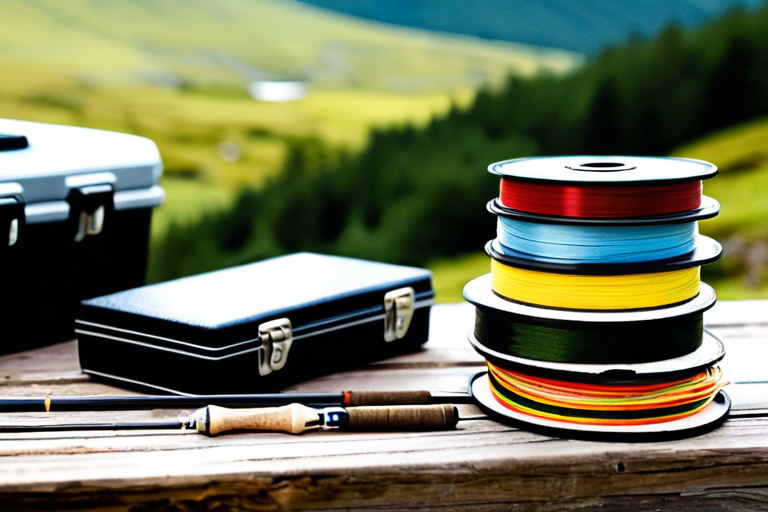
Proper equipment selection can mean the difference between frustration and success
Rod selection for stillwater fishing requires careful consideration of both casting distance and fish fighting capabilities. A 9-foot, 5-weight rod represents the standard starting point, though many experienced anglers prefer 6-weight rods for their additional power when casting larger patterns or fighting substantial fish.
"The reel serves as more than just line storage in stillwater fishing," explains professional guide Sarah Jenkins. "A smooth drag system becomes critical when large trout make powerful runs in open water. I recommend reels with sealed drag systems that perform consistently in all weather conditions."
Line Technology Advancements
Modern fly line technology has revolutionized stillwater fishing. Scientific Anglers' research, available through their technical resources, demonstrates how density-compensated sinking lines maintain consistent depth profiles, while textured floating lines improve pick-up and shooting characteristics.
| Line Type | Sink Rate | Best Applications | Water Depth |
|---|---|---|---|
| Floating | 0" per second | Surface feeding, dry flies | 0-3 feet |
| Intermediate | 1-1.5" per second | Emerging insects, shallow water | 3-10 feet |
| Type III | 3-3.5" per second | Mid-depth patterns | 10-20 feet |
| Type VI | 6-7" per second | Deep water, leech patterns | 20+ feet |
Insect Pattern Matching
Successful stillwater angling requires understanding the complex life cycles of aquatic insects. The Entomological Society of America identifies over 200 insect species that serve as primary food sources for stillwater trout, with chironomids (midges) representing the most significant year-round food source.
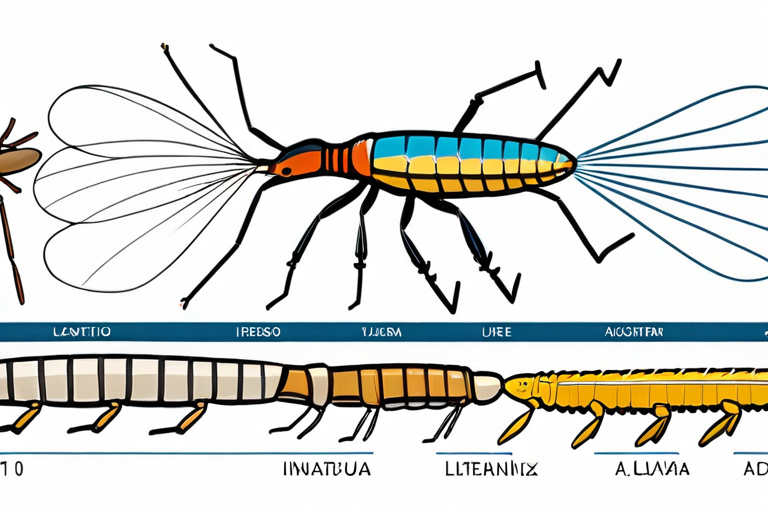
Understanding insect life cycles is fundamental to pattern selection
Critical Stillwater Patterns
Seasoned anglers maintain extensive fly boxes organized by insect type, size, and color. According to data collected by the International Fly Fishing Federation, the following patterns consistently produce results across North American stillwaters:
Chironomid Patterns
These midge larvae and pupae patterns should be tied in sizes 12-18, with black, red, and olive being the most productive colors. Suspension indicators often improve detection of subtle takes.
Damselfly Nymphs
Spring and summer patterns that imitate these important food sources. Size 10-12 hooks with olive or blue bodies and realistic wing cases trigger aggressive strikes during emergence periods.
Leech Patterns
Year-round producers that imitate larger food sources. Black, brown, and olive marabou leeches in sizes 6-10 work particularly well during low-light conditions or when fish are feeding aggressively.
Advanced Presentation Techniques
Stillwater presentation differs fundamentally from river techniques. The absence of current requires anglers to impart all movement through rod manipulation and retrieve patterns. Research from the Angling Research Council indicates that variable retrieve speeds trigger 73% more strikes than steady retrieves in stillwater environments.
The Countdown Method
This systematic approach involves casting, allowing the fly to sink for a predetermined count, then beginning the retrieve. Each subsequent cast increases the sink count by 5-10 seconds, systematically exploring different depth zones until fish are located.
Pro Tip: "Keep detailed logs of successful counts and retrieves for specific lakes and seasons. This data becomes invaluable for future trips and helps develop intuitive understanding of local conditions." - Mark Richardson, Stillwater Guide with 25 years experience
Ethical Considerations and Conservation
Modern stillwater angling emphasizes sustainable practices that ensure fishery health for future generations. The Catch and Release Foundation provides research-based guidelines for minimizing fish mortality:
- Use barbless hooks to reduce handling time and tissue damage
- Keep fish in the water during unhooking whenever possible
- Use rubberized landing nets to protect protective slime coating
- Revive exhausted fish completely before release
- Avoid fishing during extreme water temperatures
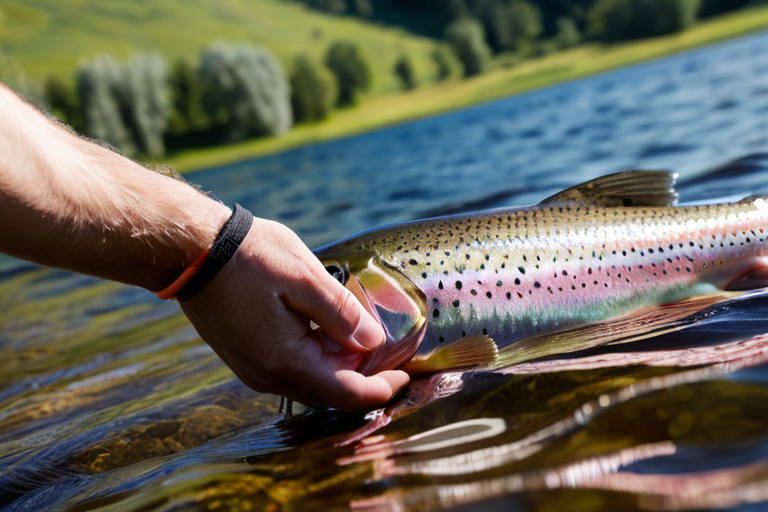
Proper catch and release techniques ensure fish survival and fishery sustainability
Conclusion: The Stillwater Mindset
Mastering stillwater angling requires patience, observation, and continuous learning. Unlike more immediate forms of fishing, success in stillwaters often comes to those who appreciate the subtle rhythms of these aquatic ecosystems. Each lake tells its own story through insect hatches, weather patterns, and fish behavior—stories that reveal themselves only to attentive anglers.
As noted in the Journal of Recreational Fishing, stillwater anglers who maintain detailed fishing logs and continually refine their techniques experience significantly higher success rates over time. The true reward of stillwater fishing lies not just in the fish caught, but in the deep understanding gained of these complex aquatic environments.
Additional Resources
For further study, consult these authoritative sources:
- NOAA Fisheries - Scientific data on freshwater ecosystems
- American Fly Fishing Association - Technique tutorials and conservation initiatives
- Lake Conservation Alliance - Habitat protection and restoration projects