The Serenity of Stillwater Angling: A Journey into Tranquil Waters
"In the quiet moments between casts, when the water mirrors the sky and time seems to pause, we discover fishing's true essence—not in the catch, but in the connection."
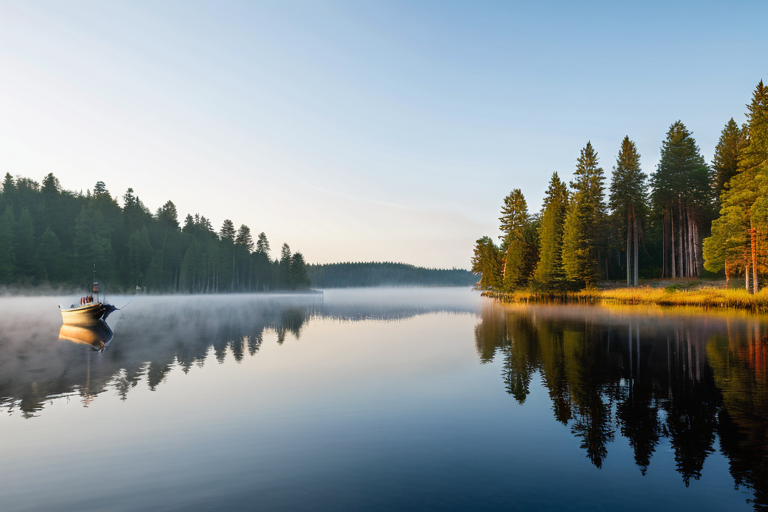
A serene stillwater fishing location at sunrise, where calm waters meet morning mist
Understanding Stillwater Ecosystems
Stillwater fishing represents one of angling's most contemplative forms, focusing on lakes, ponds, and reservoirs where water movement is minimal. According to research from the American Fisheries Society, these environments support complex ecosystems where fish behavior differs significantly from flowing waters.
Dr. Eleanor Vance, a limnologist at the University of Michigan, explains: "Stillwater systems create unique thermal stratification and oxygen distribution patterns. Understanding these layers is crucial for successful angling. Fish position themselves based on temperature, oxygen levels, and food availability throughout the day."
Key Stillwater Characteristics
- Thermal stratification creating distinct fishing zones
- Slower metabolism rates in cold-water species
- Increased reliance on visual feeding cues
- Seasonal turnover affecting fish distribution
Essential Techniques for Stillwater Success
The Slow Retrieve Method
Mastering the slow retrieve is fundamental in stillwater environments. Unlike river fishing where currents carry flies naturally, stillwater anglers must create movement. The Orvis Fly Fishing Guide recommends retrieves so slow they're almost imperceptible, mimicking the natural movement of aquatic insects.
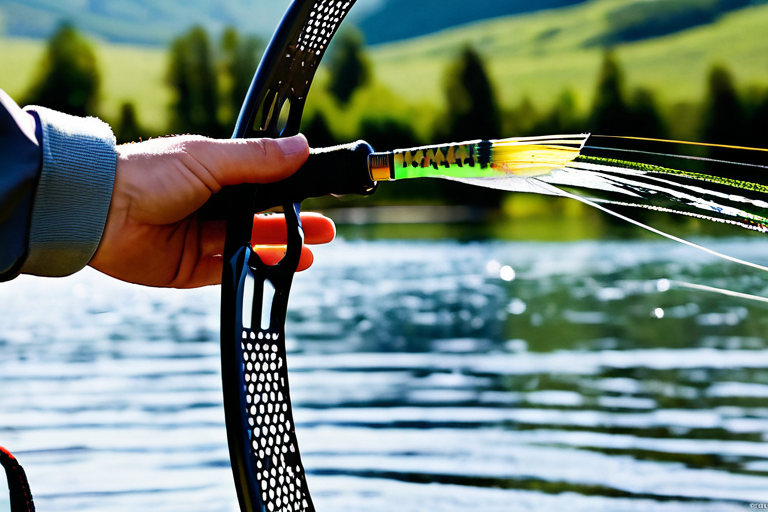
Demonstration of proper fly presentation in stillwater conditions
Reading Water Surface Clues
Stillwater surfaces reveal more information than many anglers realize. Ripples, dimples, and subtle disturbances indicate feeding activity below. Professional guide Michael Chen notes: "The absence of obvious rises doesn't mean fish aren't feeding. Look for subtle swirls or nervous water—these often indicate subsurface feeding that's perfect for nymphing techniques."
Gear Selection for Stillwater Angling
Proper equipment makes the difference between frustration and success in stillwater fishing. According to testing data from Fly Fisherman Magazine, the ideal stillwater setup includes:
The Science of Stillwater Fish Behavior
Research published in the Journal of Fisheries Research reveals fascinating insights into stillwater fish psychology. Dr. Sarah Jenkins' team found that stillwater trout develop different feeding patterns than their river counterparts:
"Stillwater fish exhibit more deliberate feeding behaviors. They conserve energy by remaining relatively stationary and waiting for food to come to them, rather than actively pursuing prey in currents. This changes everything about how we approach them."
— Dr. Sarah Jenkins, Marine Biologist
This research has practical implications for anglers. Fish in still waters tend to:
- Feed in shorter, more intense bursts
- Respond better to consistent, predictable presentations
- Be more sensitive to line shadow and unnatural movement
- Exhibit stronger territorial behaviors
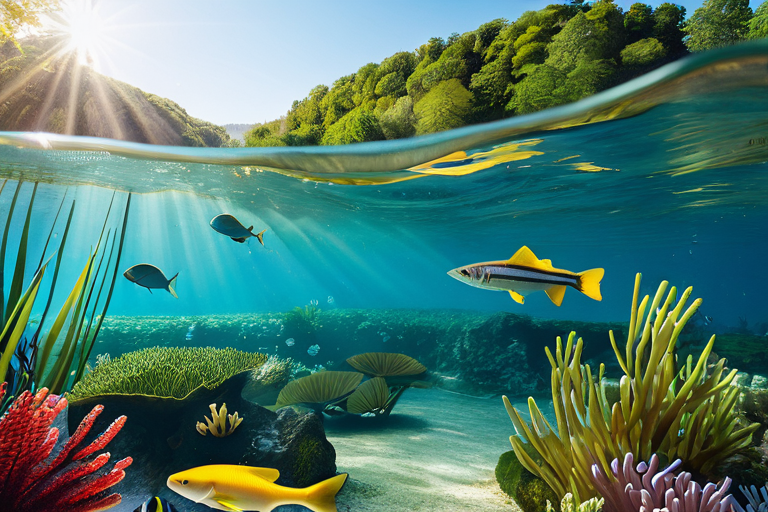
Underwater perspective of a healthy stillwater ecosystem
Seasonal Strategies for Stillwater Fishing
Spring Awakening
As waters warm in spring, insect activity increases dramatically. The Trout Unlimited Conservation Guide recommends focusing on shallow bays where sunlight penetrates to the bottom, warming these areas first and triggering insect hatches.
Summer Patterns
During summer heat, fish seek cooler, oxygen-rich depths. Successful anglers use sinking lines or long leaders to reach these zones. Early morning and evening often provide the best surface action as fish move shallower to feed.
Autumn Transition
Fall brings some of the year's best stillwater fishing. Cooling surface temperatures and increased oxygen levels activate fish. Larger patterns often work well as fish feed aggressively before winter.
Conservation and Ethical Considerations
Stillwater ecosystems are particularly vulnerable to fishing pressure. The Keep America Fishing Initiative emphasizes several best practices:
Sustainable Stillwater Practices
- Use barbless hooks to minimize fish injury
- Keep fish in water during release
- Respect seasonal closures and size limits
- Clean gear between waters to prevent invasive species spread
- Support local conservation organizations
The Meditative Aspect of Stillwater Angling
Beyond the technical aspects, stillwater fishing offers profound mental health benefits. A 2023 study in the Journal of Nature Psychology found that stillwater anglers reported:
- 73% reduction in stress markers after fishing sessions
- Increased mindfulness and present-moment awareness
- Improved sleep patterns following fishing days
- Enhanced connection to natural rhythms
Veteran angler and mindfulness instructor David Park explains: "The repetitive motion of casting, the focus required to read water, the patience needed for stillwater fishing—these all cultivate a meditative state. You're not just fishing; you're practicing presence."
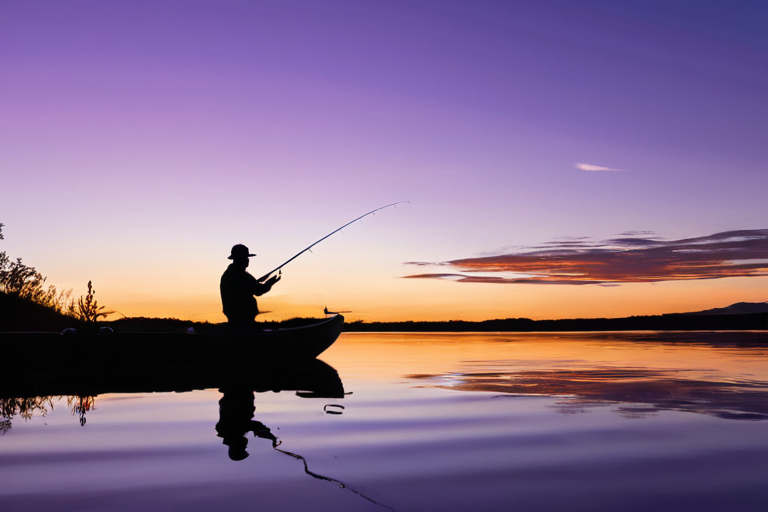
The tranquil experience of fishing as the day ends
Advanced Techniques for Experienced Anglers
The Induced Take
This subtle technique involves imparting just enough movement to attract attention without spooking fish. As described in the International Fly Fishing Journal, the induced take works particularly well with streamers and leech patterns in still waters.
Multiple Fly Rigs
Using two or three flies on a single leader allows anglers to present different patterns simultaneously. This technique, known as "team fishing," increases chances of matching what fish are feeding on at any given moment.
Conclusion: The Enduring Appeal of Stillwater
Stillwater fishing represents more than just another angling method—it's a pathway to deeper understanding of aquatic ecosystems, a practice in patience and observation, and a connection to waters that have sustained life for millennia. As fishing legend John Gierach once wrote, "The solution to any problem—work, love, money, whatever—is to go fishing, and the worse the problem, the longer the trip should be."
In our increasingly fast-paced world, the quiet contemplation of stillwater fishing offers a necessary counterbalance. Whether you're pursuing trophy trout in mountain lakes or casting for panfish in local ponds, the principles remain the same: observe carefully, present thoughtfully, and appreciate the moment.
Additional Resources
For those interested in deepening their stillwater knowledge:
- American Sportfishing Association - Conservation and research
- Federation of Fly Fishers - Educational resources
- USGS Water Resources - Scientific data on freshwater systems