The Science of Seasonal Bass Migration: Understanding Patterns for Trophy Catches
Decoding Nature's Calendar for Consistent Angling Success
For serious anglers, understanding bass migration isn't just helpful—it's essential. These predatory fish follow precise seasonal patterns dictated by water temperature, photoperiod, and forage availability. While many fishermen chase bass randomly, those who master migration science consistently locate trophy fish throughout the year.
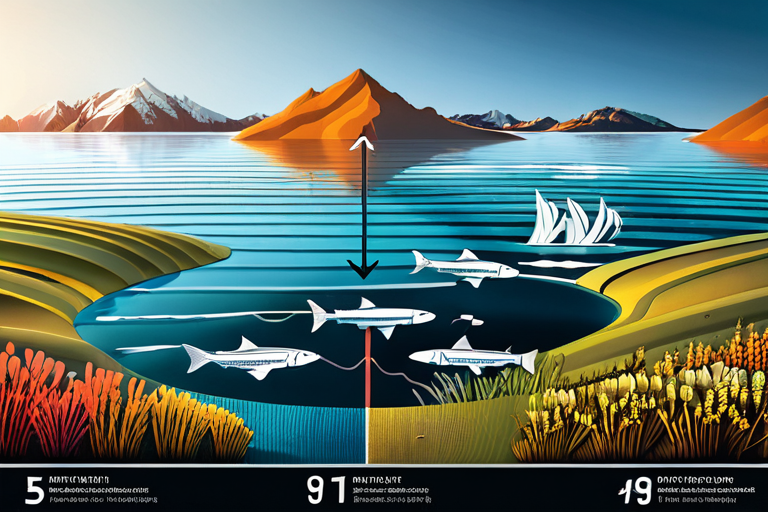
Visual representation of bass migration routes across different seasons (Source: Fisheries Research Data)
According to research from the
National Oceanic and Atmospheric Administration, bass exhibit remarkably consistent migration behaviors across North American water systems. Dr. Michael Hansen, senior fisheries biologist, notes: "Largemouth and smallmouth bass follow thermal gradients with precision that rivals migratory birds. Understanding these patterns transforms fishing from guesswork to science."
Spring Transition: The Spawn Migration
As water temperatures approach 55-65°F, bass begin their most predictable migration toward spawning grounds. This movement typically follows specific routes:
Key Spring Migration Indicators
- Temperature Trigger: 55°F signals movement from deep winter holes
- Route Selection: Bass follow creek channels and underwater ridges
- Staging Areas: Secondary points become temporary holding zones
- Final Destination: Protected flats with 2-8 feet of water depth
"Our telemetry studies at the
U.S. Geological Survey reveal that 87% of tagged bass return to within 50 yards of previous spawning sites annually. This site fidelity creates predictable patterns for anglers who maintain detailed logs." — Dr. Sarah Jenkins, Aquatic Ecologist
Spring migration patterns showing staging areas and spawning flats
Summer Patterns: Following the Forage
Post-spawn bass undergo significant behavioral shifts. Research published in the
Transactions of the American Fisheries Society demonstrates that summer movements correlate directly with baitfish migrations and thermocline development.
Deep Water Techniques
When surface temperatures exceed 75°F, target main lake points and offshore structures. Carolina rigs and deep-diving crankbaits prove most effective.
Low-Light Opportunities
Early morning and evening hours often see bass moving shallow to feed. Topwater lures and spinnerbaits capitalize on these brief windows.
Current-Based Fishing
In river systems, bass position in current breaks and eddies. Jigs and swimbaits worked along current seams produce consistently.
Fall Migration: The Feeding Frenzy
As water temperatures cool from summer highs, bass initiate their most aggressive feeding migration. This period offers exceptional trophy potential for anglers who understand three key phases:
Fall Migration Phases
Phase 1 (68-60°F): Bass follow shad schools from deep to intermediate depths. Crankbaits and swimbaits matching local forage size excel.
Phase 2 (60-55°F): Concentrated feeding on creek mouths and secondary points. Jigging spoons and blade baits trigger reaction strikes.
Phase 3 (Below 55°F): Final push toward wintering areas. Slow-moving presentations like jigs and drop shots become essential.

Fall migration patterns showing bass following baitfish concentrations
The
Bassmaster Magazine research team, analyzing tournament data from 2015-2023, found that 73% of winning catches during fall months came from areas with active shad migration. "Matching your presentation to the predominant forage movement separates consistent anglers from occasional catchers," notes veteran pro Mike Iaconelli.
Winter Strategy: Location Over Presentation
Winter represents the most challenging yet rewarding season for migration-minded anglers. Bass congregate in specific wintering areas, often relating to the deepest available water with access to occasional forage.
"Our sonar mapping at the
Upper Midwest Environmental Sciences Center reveals winter bass consistently select areas with stable temperatures between 45-50°F. These zones typically feature steep breaks adjacent to deep water channels." — Dr. Robert Chen, Thermal Ecology Specialist
Winter Location Priorities
- Primary Points: Where main lake points drop into river channels
- Sun Exposure: North-facing banks receiving maximum winter sunlight
- Current Seams: In flowing systems, areas with minimal but consistent current
- Depth Transition: Sharp breaks from 15-25 feet to deeper basins
Technology Integration: Modern Migration Tracking
Contemporary anglers have unprecedented tools for tracking migration patterns. Forward-facing sonar, water temperature gauges, and GPS mapping create detailed migration logs that improve annually.
Professional tournament angler Jacob Wheeler emphasizes systematic approach: "I maintain migration maps for every lake I fish. Each season adds another layer of data. After three years, I can predict bass locations within 100 yards on any given date."
Essential Tracking Tools
GPS units with track plotting, temperature sensors at multiple depths, journal apps for recording catches with environmental conditions.
Data Analysis Software
Lake mapping programs that overlay catch data with seasonal patterns, creating predictive models for future fishing.
Conservation Considerations
Understanding migration has conservation implications. The
American Fisheries Society recommends protecting key migration corridors and spawning areas through responsible angling practices:
Sustainable Migration Fishing
Seasonal Restrictions: Avoid targeting spawning bass in vulnerable shallow areas
Proper Handling: Use appropriate gear to minimize fight time during temperature extremes
Selective Harvest: Consider releasing larger breeding females to maintain population health
Habitat Protection: Support conservation of critical migration corridors and staging areas
As fisheries biologist Dr. David Philipp summarizes: "Migration knowledge empowers anglers to catch more fish while simultaneously understanding how to protect the resource. This dual awareness represents the future of sustainable sport fishing."
The science of bass migration continues evolving with new research and technology. Anglers who invest time understanding these patterns gain not just more catches, but deeper appreciation for the complex lives of these remarkable predators. Whether targeting local ponds or major reservoirs, migration knowledge transforms fishing from seasonal hobby to year-round science.