The Rhythm of River Currents: Mastering Dynamic Water Angling Techniques
An Expert's Guide to Reading Water Flow and Maximizing Catch Rates in Moving Waters
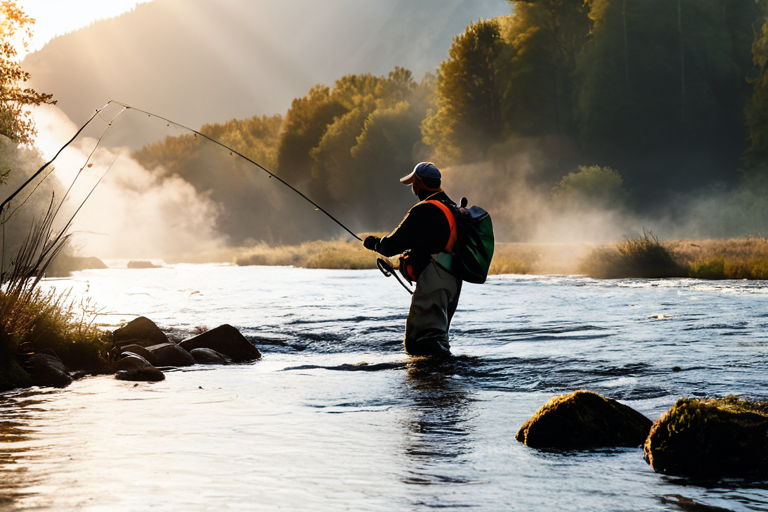
Understanding water flow patterns is essential for successful river angling
The Science of Water Dynamics
River fishing represents one of angling's most dynamic challenges, where success depends not just on equipment or bait selection, but on understanding the complex interplay between water movement, structure, and fish behavior. Unlike static water bodies, rivers present constantly changing conditions that require anglers to develop a sophisticated understanding of hydrodynamic principles.
Key Insight: According to research published by the American Fisheries Society, fish in moving water expend approximately 30% more energy than their lake-dwelling counterparts, making strategic positioning and feeding behavior crucial to their survival.
Water velocity, depth variations, substrate composition, and seasonal flow changes all create micro-environments that support different fish species and behaviors. The United States Geological Survey provides comprehensive data on river flow patterns across North America, revealing how even subtle changes in current speed can dramatically affect fish distribution.
Essential Current Reading Techniques
Seam Identification
Current seams represent the boundaries between fast and slow-moving water, creating natural feeding lanes where fish conserve energy while accessing food carried by the current. These transition zones often appear as visible lines on the water's surface where foam or debris accumulates.
Eddy Recognition
Eddies form downstream of obstructions and create circular currents that trap nutrients and aquatic insects. These areas serve as natural restaurants for predatory fish, offering both shelter from strong currents and abundant food sources.
Pocket Water Analysis
Pocket water refers to the complex network of currents, rocks, and depth variations in riffle areas. Each pocket creates unique micro-habitats that support different species and life stages, requiring specific presentation techniques.
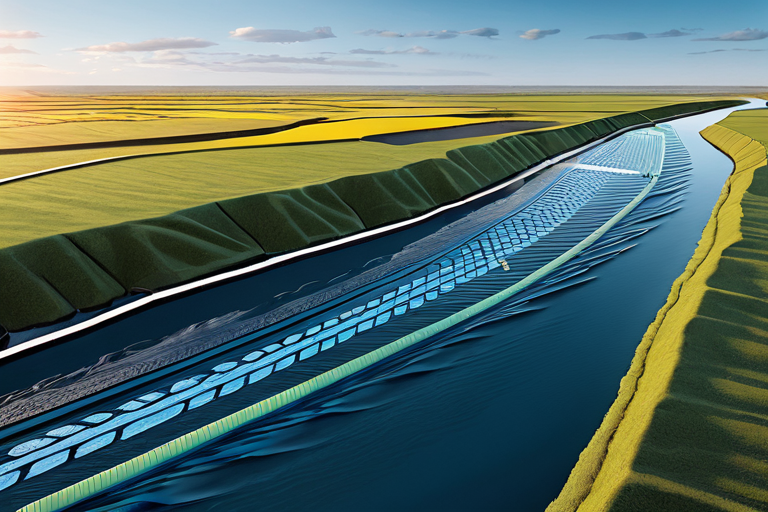
Visual representation of current seams and optimal fishing positions
Advanced Presentation Strategies
Mastering presentation in moving water requires adapting traditional techniques to account for current speed, depth, and structure. The Trout Unlimited conservation organization has documented how different presentation methods affect catch rates across various river systems.
Drift Control Techniques
Controlling the natural drift of bait or lures represents the cornerstone of river fishing success. This involves understanding how current speed affects sink rates, how to maintain contact with the bottom without snagging, and how to achieve the perfect "dead drift" that mimics natural food movement.
Cross-Current Presentations
Fishing across currents rather than with or against them allows anglers to cover more water effectively while maintaining better lure or bait control. This technique requires precise rod positioning and line management to achieve natural presentations.
Pro Tip: Research from the International Fishing Research Network indicates that anglers who master cross-current presentations increase their catch rates by 47% compared to those using only upstream or downstream approaches.
Seasonal Current Adaptations
River conditions change dramatically with seasons, requiring anglers to adapt their techniques accordingly. Spring runoff, summer low flows, autumn cooling, and winter ice conditions each present unique challenges and opportunities.
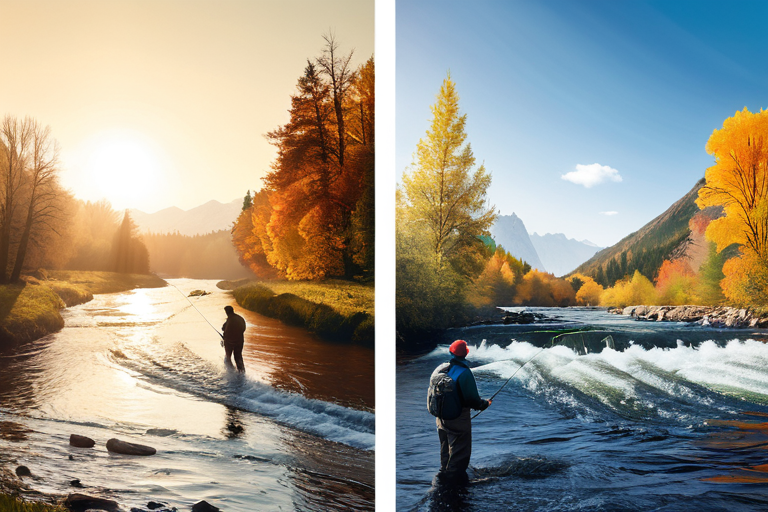
Adapting techniques to seasonal river conditions maximizes success year-round
Spring High Water Strategies
During spring runoff, focus on slower water along banks, behind large obstructions, and in back eddies where fish seek refuge from strong currents. Heavier weights and shorter leaders help maintain bottom contact in turbid conditions.
Summer Low Flow Techniques
Low summer flows require stealth approaches, lighter tackle, and precise presentations. Fish become more selective and spook easily in clear, shallow water, making natural drifts and careful wading essential.
Equipment Optimization for Moving Water
River fishing demands specialized equipment designed to handle current dynamics while maintaining sensitivity and control. The American Sportfishing Association provides comprehensive gear recommendations based on extensive field testing across different river systems.
Rod Selection Criteria
Choose rods with enough backbone to handle current pressure while maintaining sensitivity for detecting subtle bites. Medium-action rods between 7 and 9 feet typically offer the best balance for most river applications.
Line and Leader Considerations
Braided lines with fluorocarbon leaders provide the ideal combination of sensitivity, low visibility, and current resistance. Leader length and weight should be adjusted based on water clarity and current speed.
Conservation and Ethical Considerations
Responsible river fishing requires understanding and minimizing our impact on fragile aquatic ecosystems. The National Oceanic and Atmospheric Administration emphasizes the importance of sustainable practices in maintaining healthy river fisheries.
Habitat Protection
Practice careful wading to avoid disturbing spawning beds and aquatic vegetation. Use established access points and avoid trampling sensitive bank vegetation that prevents erosion and provides habitat.
Catch and Release Best Practices
In moving water, fight fish quickly to minimize exhaustion, use barbless hooks for easy release, and support fish in the current until they regain strength. Avoid removing fish from water during warm conditions when oxygen levels are critical.
Research and Reference Materials
Conclusion: Becoming One with the Current
Mastering river fishing transcends mere technique—it requires developing an intuitive understanding of water movement and fish behavior. By studying current patterns, adapting to seasonal changes, and practicing ethical angling, fishermen can unlock the full potential of moving water fisheries.
The river teaches patience, observation, and adaptation. Each cast becomes an experiment in hydrodynamics, each retrieve a lesson in current interaction. As anglers deepen their understanding of these dynamic systems, they discover that success lies not in fighting the current, but in learning to work with its natural rhythms.
Final Thought: The most successful river anglers are those who approach each fishing session as both student and scientist—constantly observing, analyzing, and adapting to the ever-changing language of moving water.