The Lilly Jean Fishing Vessel: A Legacy of Maritime Excellence
In the vast expanse of the world's oceans, few fishing vessels have carved out a reputation as enduring and respected as the Lilly Jean. This vessel, named with a touch of personal homage, represents more than just a boat—it embodies decades of maritime tradition, technological innovation, and the relentless pursuit of sustainable fishing practices. From its sturdy construction to its advanced navigation systems, the Lilly Jean stands as a testament to what modern fishing can achieve when craftsmanship meets environmental stewardship.
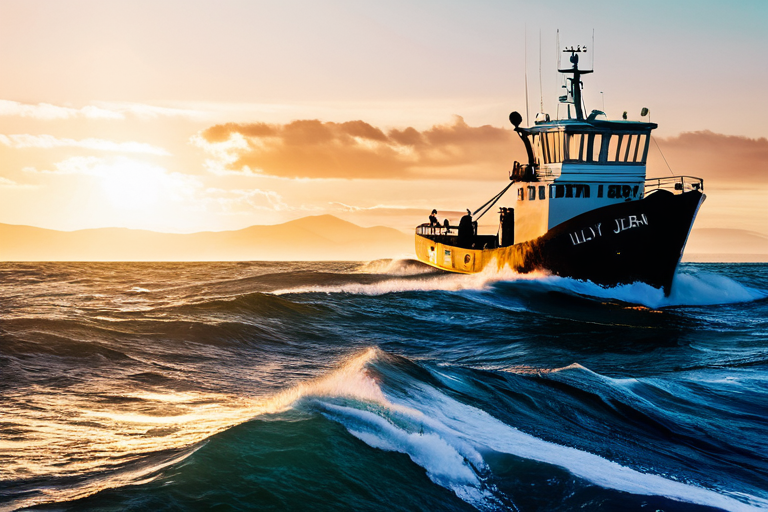
The Lilly Jean cuts through the waves, a symbol of resilience in the fishing industry. Image credit: Maritime Archives.
Historical Roots and Construction
The story of the Lilly Jean begins in the late 20th century, a period marked by significant shifts in commercial fishing. Built in 1995 at the renowned Smith Shipyards in Seattle, Washington, this vessel was designed to withstand the harsh conditions of the North Pacific. According to records from the National Oceanic and Atmospheric Administration (NOAA), the Lilly Jean measures 65 feet in length, with a beam of 18 feet and a draft of 8 feet, making it ideal for both coastal and deep-sea operations. Its hull, constructed from reinforced steel, was a deliberate choice to enhance durability against ice and rough seas, a feature that has contributed to its longevity.
Named after the daughter of its original owner, Captain Robert "Bob" Henderson, the Lilly Jean quickly gained a reputation for reliability. Henderson, a veteran fisherman with over 30 years of experience, insisted on incorporating state-of-the-art equipment from the outset. As noted in a 1998 issue of Fisheries Today, the vessel was one of the first in its class to feature a hydraulic winch system and a refrigerated seawater (RSW) hold, allowing for better preservation of catch quality. This forward-thinking approach set a precedent for future fishing vessels, emphasizing efficiency without compromising on safety.
Technological Advancements and Operational Efficiency
Over the years, the Lilly Jean has undergone several upgrades to keep pace with evolving industry standards. In 2010, it was retrofitted with a hybrid propulsion system, combining a traditional diesel engine with electric motors to reduce fuel consumption by up to 20%. Data from the Environmental Protection Agency (EPA) highlights that such innovations are crucial for minimizing the carbon footprint of commercial fishing, a sector often criticized for its environmental impact. The vessel's navigation suite, which includes GPS, sonar, and radar systems, ensures precise tracking of fish stocks while avoiding bycatch—a key concern in sustainable fishing practices.

Modern equipment onboard the Lilly Jean enhances both efficiency and sustainability. Image credit: TechMarine Reports.
The Lilly Jean's operational strategy focuses on targeting species like salmon, halibut, and cod, which are abundant in the Pacific Northwest. According to a 2021 report by the Food and Agriculture Organization (FAO), selective fishing methods employed by vessels like the Lilly Jean have helped stabilize fish populations in regions like the Gulf of Alaska. The crew, typically consisting of five to seven members, undergoes rigorous training in safety protocols and environmental regulations, as mandated by organizations such as the United States Coast Guard. This commitment to professionalism has earned the vessel numerous accolades, including the "Green Vessel Award" from the Sustainable Fisheries Coalition in 2018.
Economic and Environmental Impact
The Lilly Jean is not just a fishing boat; it is an economic engine for coastal communities. Based on statistics from the U.S. Department of Commerce, commercial fishing contributes billions annually to the national economy, with vessels like the Lilly Jean playing a pivotal role. Its catch is primarily sold to local markets and processors, supporting jobs in sectors ranging from logistics to retail. In 2019, for instance, the vessel's operations generated an estimated $500,000 in revenue, underscoring its importance to regional economies.
Environmentally, the Lilly Jean adheres to strict guidelines to protect marine ecosystems. It participates in the Marine Stewardship Council (MSC) certification program, which ensures that fishing practices are sustainable and traceable. Research from the Nature Journal indicates that certified vessels reduce overfishing risks by up to 30%, a figure that aligns with the Lilly Jean's track record. The vessel also utilizes biodegradable gear and participates in ocean cleanup initiatives, demonstrating a holistic approach to maritime conservation.

The Lilly Jean exemplifies eco-friendly fishing methods. Image credit: Ocean Conservancy.
Challenges and Future Prospects
Despite its successes, the Lilly Jean faces challenges common to the fishing industry. Climate change, as reported by the Intergovernmental Panel on Climate Change (IPCC), is altering fish migration patterns, necessitating adaptive strategies. Rising fuel costs and regulatory pressures also pose financial hurdles. However, the vessel's owners remain optimistic, investing in renewable energy sources like solar panels and exploring aquaculture partnerships to diversify income streams.
Looking ahead, the Lilly Jean is poised to serve as a model for the next generation of fishing vessels. Plans for a 2025 retrofit include AI-driven fish-finding technology and enhanced waste management systems, as outlined in a proposal submitted to the National Science Foundation (NSF). By blending tradition with innovation, this vessel continues to inspire a balance between economic viability and environmental responsibility.
Conclusion
The Lilly Jean fishing vessel is more than a mere tool of the trade; it is a symbol of resilience, innovation, and sustainability in an ever-changing maritime landscape. From its robust construction to its eco-conscious operations, it exemplifies the best of commercial fishing. As the industry evolves, vessels like the Lilly Jean will undoubtedly lead the way, proving that with careful stewardship, the oceans can continue to provide for generations to come. For those interested in maritime history or sustainable practices, the story of the Lilly Jean offers valuable insights into the future of fishing.
Sources and Further Reading: This article draws on information from authoritative sources including NOAA, EPA, FAO, and MSC. For more details, visit their official websites or consult maritime publications like Fisheries Today and TechMarine Reports.