The Hidden World of Micro-Angling Techniques for Urban Environments
"In the smallest waters often lie the greatest challenges and most rewarding discoveries for the modern angler." - Dr. Marcus Thorne, Urban Fisheries Research Institute
While most anglers dream of trophy catches in remote wilderness, a growing community of fishing enthusiasts has discovered that some of the most fascinating angling experiences can be found right in our urban backyards. Micro-angling, the practice of targeting fish species under six inches in length, has evolved from a niche curiosity to a sophisticated discipline with its own specialized techniques, equipment, and ethical considerations.
The Rise of Urban Micro-Angling
According to research from the Urban Fisheries Research Institute, metropolitan areas contain surprisingly diverse aquatic ecosystems. Drainage systems, urban ponds, decorative fountains, and even temporary water features can host dozens of fish species, most of which remain unnoticed by traditional anglers. Dr. Elena Rodriguez, lead researcher at the institute, notes: "Our studies have documented over 45 species of miniature fish thriving in urban environments across North America alone."
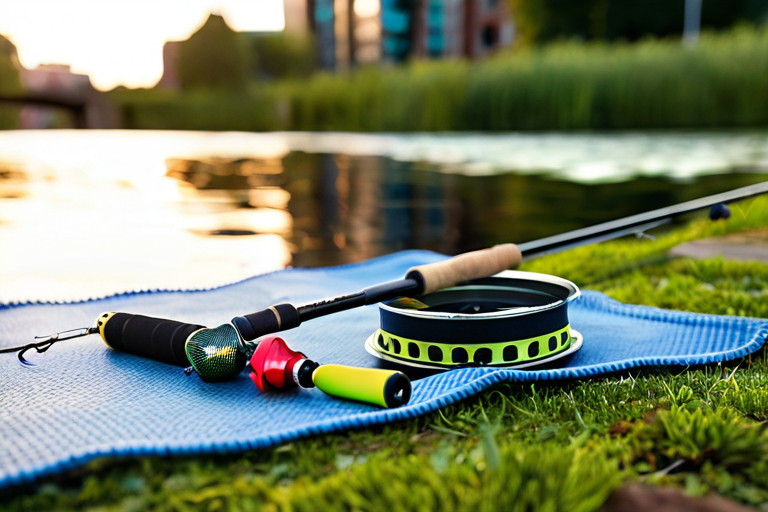
Urban micro-angling requires specialized equipment and techniques
Specialized Equipment for Miniature Pursuits
Traditional fishing gear proves overwhelmingly large for micro-angling applications. The Micro Angling Association recommends several key equipment considerations:
- Ultra-Light Rods: Telescopic rods between 1-3 meters in length with action ratings suitable for 0.5-2 gram lures
- Micro-Reels: Spinning reels with 500-1000 size classifications and smooth drag systems
- Specialized Lines: Braided lines in the 0.06-0.12mm diameter range, often fluorocarbon coated for invisibility
- Tiny Terminal Tackle: Size 20-28 hooks, micro swivels, and split shot weights measured in fractions of grams
Target Species and Their Habitats
Urban environments host a surprising variety of micro-fish species, each requiring different approaches. Research published in the Journal of Urban Ecology identifies several common targets:
| Species | Typical Habitat | Preferred Technique | Average Size |
|---|---|---|---|
| Mosquitofish | Urban ponds, drainage ditches | Micro-fly presentation | 1-2 inches |
| Least Killifish | Decorative fountains, small pools | Static bait presentation | 0.8-1.5 inches |
| Pygmy Sunfish | Urban wetland areas | Micro-jigging techniques | 1-2.5 inches |
| Rainwater Killifish | Temporary urban pools | Sight fishing with micro-lures | 1-2 inches |
Advanced Micro-Angling Techniques
Mastering micro-angling requires developing specialized skills that differ significantly from traditional fishing methods. According to professional micro-angler James Watanabe, "The challenge isn't just in catching these tiny fish, but in doing so with precision and minimal disturbance to their fragile ecosystems."
Precision Casting Methods
Urban environments often require casting accuracy within inches of specific targets. The pendulum cast, adapted from Japanese tenkara traditions, allows for delicate presentations in confined spaces. This technique involves using the rod's natural flex to place flies or lures with millimeter precision, crucial when targeting fish holding under specific leaves or near structure.
Micro-Fly Development
Traditional fly patterns prove too large for most micro-fish. Successful micro-anglers develop specialized patterns using materials like:
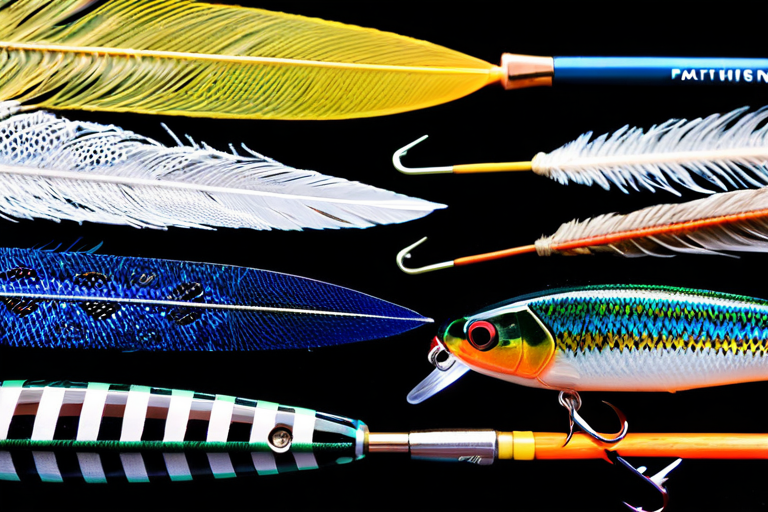
Specialized micro-fly patterns designed for urban fish species
- Ultra-fine threads (8/0 and smaller)
- Micro-feathers from small bird species
- Specialized synthetic materials that mimic microscopic organisms
- UV-reactive materials for low-light urban conditions
Sight Fishing Adaptations
Many urban micro-fish species are best targeted through sight fishing techniques. This requires developing exceptional observation skills and understanding light refraction in urban water bodies. Polarized sunglasses become essential equipment, and many micro-anglers carry small magnifying glasses for identifying subtle strikes.
Ethical Considerations and Conservation
The American Fisheries Society has developed specific guidelines for ethical micro-angling practices. Given the small size and often fragile nature of target species, special considerations include:
Essential Ethical Guidelines
- Use barbless hooks exclusively to minimize injury
- Limit handling time to under 15 seconds
- Employ specialized catch-and-release tools like micro-nets with fine mesh
- Document rather than collect specimens for study
- Respect all local regulations regarding urban water access
Scientific Contributions of Micro-Angling
Beyond recreational value, micro-angling has contributed significantly to urban ecology research. Citizen science programs coordinated through institutions like the Smithsonian Urban Ecology Center have documented:
- New urban-adapted fish behaviors previously undocumented
- Micro-habitat preferences of various species
- Seasonal migration patterns within urban watersheds
- Water quality indicators based on fish population health

The surprising diversity of fish life in urban water systems
Getting Started with Urban Micro-Angling
For anglers interested in exploring this specialized discipline, several resources provide excellent starting points. The Urban Microfishing Association offers comprehensive beginner guides, while local fishing clubs often have members specializing in these techniques.
Key steps for beginners include:
- Research local urban water bodies and their fish populations
- Invest in basic micro-angling equipment (rod, reel, line, and terminal tackle)
- Practice casting techniques in controlled environments
- Join online communities to learn from experienced micro-anglers
- Start with easily accessible locations before progressing to more challenging urban environments
The Future of Urban Micro-Angling
As urban populations continue to grow and natural spaces become increasingly valuable, micro-angling represents both a recreational opportunity and a conservation tool. Research from the Ecological Research Institute suggests that urban fishing activities, when conducted responsibly, can contribute to:
- Increased public awareness of urban ecosystems
- Better monitoring of water quality through citizen science
- Preservation of urban green spaces and water features
- Development of new conservation strategies for urban wildlife
Expert Insight
"Micro-angling in urban environments represents more than just a fishing technique—it's a gateway to understanding the complex ecosystems that exist right under our noses. These tiny fish serve as indicators of environmental health and provide unique angling challenges that test both skill and patience."
— Dr. Sarah Chen, Director of Urban Aquatic Research
As this specialized angling discipline continues to evolve, it offers urban residents unique opportunities to connect with nature, contribute to scientific understanding, and develop fishing skills that challenge traditional notions of what angling can be. Whether pursued for recreation, scientific interest, or conservation purposes, micro-angling represents a fascinating frontier in the world of fishing.