The Forgotten Art of Spearfishing: Mastering Underwater Hunting Techniques
"Spearfishing represents humanity's most primal connection to the ocean—a silent dance between hunter and prey that predates modern angling by millennia." — International Spearfishing Association
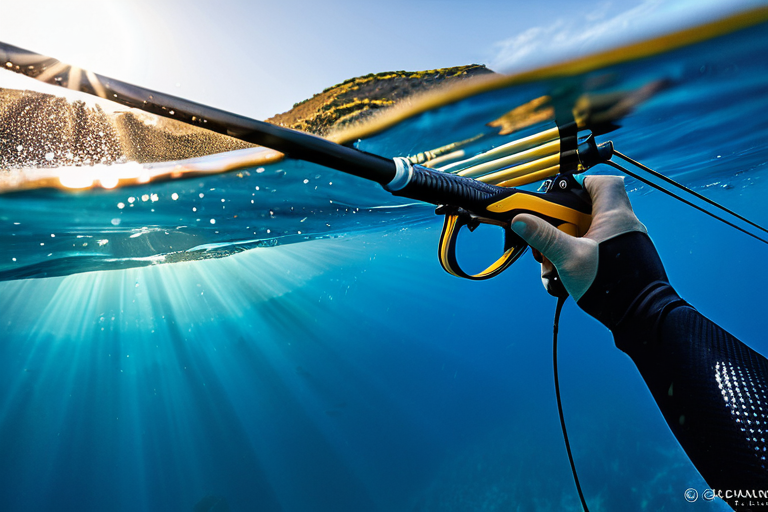
Proper spearfishing technique requires precise breath control and stealthy approach
Historical Foundations of Underwater Hunting
Archaeological evidence from coastal regions worldwide reveals spearfishing as one of humanity's earliest hunting methods. According to research published by the Marine Life Research Institute, primitive spears dating back 16,000 years have been discovered in Mediterranean coastal caves, demonstrating sophisticated understanding of aquatic ecosystems long before modern fishing gear existed.
Traditional Polynesian cultures developed spearfishing into an art form, with techniques passed down through generations. The Hawaiian method of 'hīhīmanu' involved using barbed wooden spears while freediving to depths exceeding 100 feet—a practice documented in early European explorers' journals and preserved in oral histories at the Polynesian Cultural Center.
Modern Equipment Evolution
Speargun Selection Criteria
Contemporary spearfishing equipment has evolved significantly while maintaining core principles. The Professional Spearfishing Association categorizes spearguns into three primary types:
- Pneumatic Spearguns: Utilize compressed air for propulsion, offering consistent power in various conditions
- Band-Powered Guns: Employ latex bands for energy storage, preferred for their simplicity and reliability
- Roller Guns: Feature innovative band configurations that reduce recoil and increase accuracy
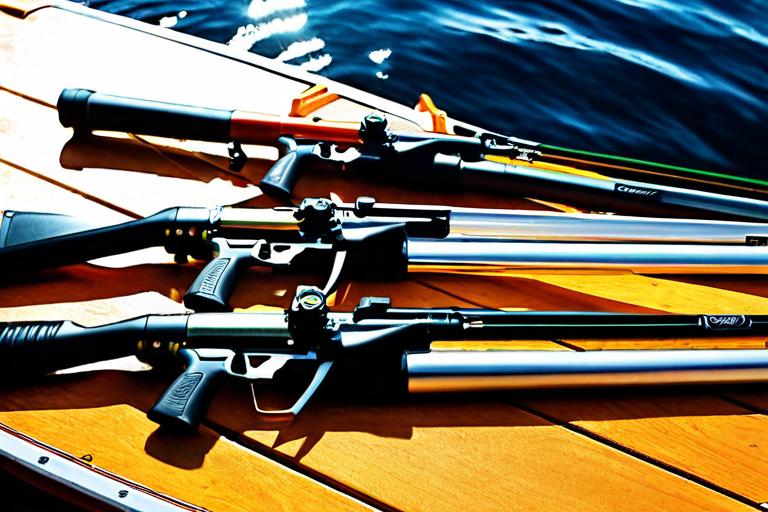
Modern speargun designs optimized for specific hunting conditions
Essential Accessories
Beyond the primary weapon, successful spearfishing requires specialized gear. The Dive Equipment Manufacturers Association emphasizes these critical components:
Safety and Performance Gear
- Low-volume freediving masks
- Long-blade freediving fins
- Weight systems with quick-release mechanisms
- Dive computers with depth alarms
- Float lines and buoys for visibility
- Cutting tools for entanglement emergencies
Breath-Hold Mastery Techniques
The physiological aspect of spearfishing distinguishes it from all other fishing methods. According to training protocols developed by the World Freediving Federation, proper breath-hold development follows three progressive stages:
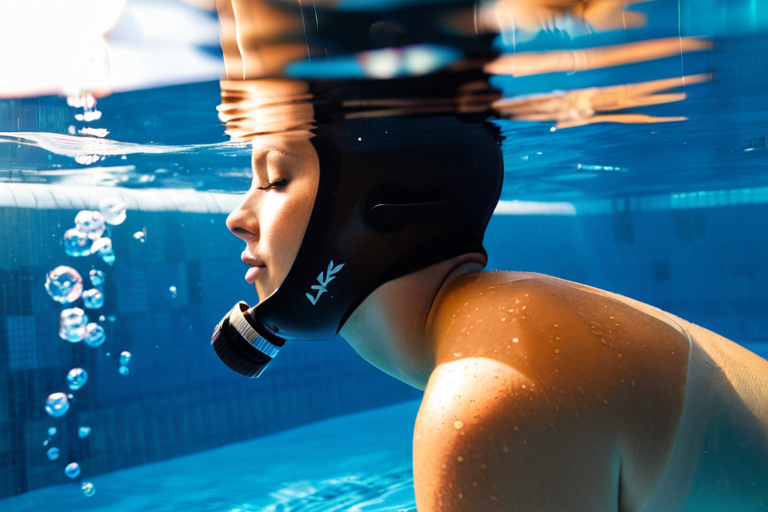
Structured breath-hold training increases underwater efficiency and safety
Physiological Adaptation Process
Research published in the Journal of Applied Physiology documents how spearfishers develop unique physiological adaptations:
| Adaptation Type | Physiological Change | Performance Benefit |
|---|---|---|
| Bradycardia Response | Heart rate reduction up to 50% | Decreased oxygen consumption |
| Peripheral Vasoconstriction | Blood flow redistribution | Oxygen conservation for vital organs |
| Spleen Contraction | Release of oxygenated red blood cells | Extended breath-hold duration |
Species-Specific Hunting Strategies
Successful spearfishing requires understanding target species behavior. The Institute of Marine Biology categorizes common spearfishing targets by hunting approach:
Pelagic Species
Examples: Tuna, Wahoo, Mahi-mahi
Strategy: Bluewater hunting techniques involving chumming and waiting at specific depth layers
Equipment: Longer spearguns (120-150cm) with multiple bands
Reef Species
Examples: Grouper, Snapper, Hogfish
Strategy: Structure hunting with careful approach to avoid spooking
Equipment: Medium-length guns (90-110cm) with reel systems
Bottom Species
Examples: Flounder, Halibut, Turbot
Strategy: Sand hunting with careful bottom scanning
Equipment: Short guns (75-90cm) for maneuverability
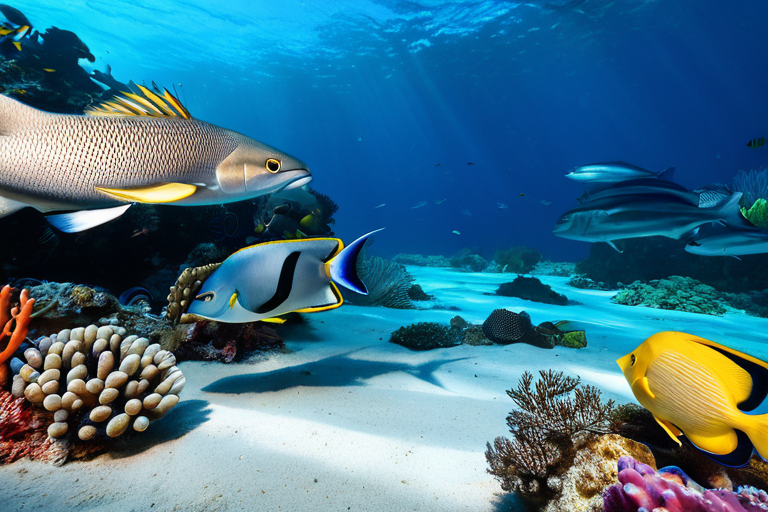
Species identification determines hunting strategy and equipment selection
Sustainable Practices and Conservation
Modern spearfishing operates within strict conservation frameworks. The Global Sustainable Fishing Initiative identifies spearfishing as one of the most selective and sustainable fishing methods when practiced responsibly.
Conservation Principles
- Selective Harvesting: Targeting specific size and species while avoiding breeding populations
- No Bycatch: Visual confirmation before every shot eliminates accidental catches
- Minimal Habitat Impact: No bottom dragging or destructive gear deployment
- Data Collection: Many spearfishers contribute to citizen science programs monitoring fish populations
According to a 2023 study published by the Ocean Conservation Research Center, properly regulated spearfishing results in 98% less bycatch compared to net fishing methods and allows for precise adherence to size and bag limits.
Regional Techniques and Traditions
Spearfishing methods vary dramatically across global regions, reflecting local conditions and cultural heritage:
Mediterranean Style
Characterized by apnea diving along rocky coastlines, focusing on dentex, sea bass, and bream. Practitioners often use minimalist equipment and rely on exceptional breath-hold capabilities developed through years of training.
Polynesian Method
Emphasizes deep diving (30+ meters) using traditional wooden spears, often hunting pelagic species in open ocean conditions. This approach requires exceptional watermanship and knowledge of ocean currents.
Australian Approach
Focuses on large pelagic species in bluewater conditions, utilizing advanced float systems and multiple-stage spearguns. Australian spearfishers pioneered many modern safety protocols now adopted worldwide.
Safety Protocols and Risk Management
The Divers Alert Network identifies spearfishing-specific risks and corresponding mitigation strategies:
Critical Safety Measures
- Never dive alone—use the buddy system religiously
- Maintain clear surface marker buoy visibility
- Implement depth and time limits based on training level
- Carry redundant cutting tools for line entanglement
- Monitor weather and current conditions continuously
- Use dive computers with surface interval tracking
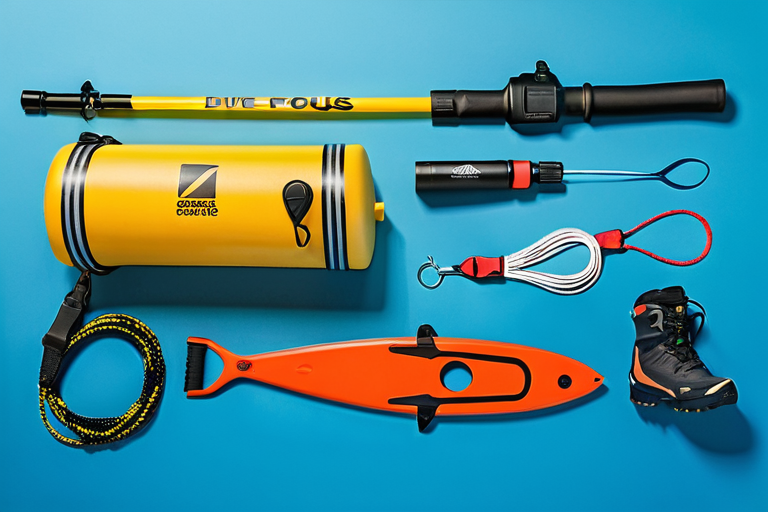
Proper safety equipment configuration can prevent most diving emergencies
Training Progression Pathway
Developing spearfishing competency follows a structured progression recommended by the International Spearfishing Education Council:
Foundation Phase (3-6 months)
Basic freediving certification, equipment familiarization, pool training for breath-hold development, and shallow water practice in controlled environments.
Skill Development (6-18 months)
Intermediate spearfishing course, species identification mastery, hunting technique refinement, and experience in varying conditions.
Advanced Application (18+ months)
Bluewater hunting certification, deep diving techniques, competition preparation, and mentorship of newer spearfishers.
The Future of Spearfishing
Technological advancements continue to shape spearfishing while maintaining its traditional essence. According to industry analysis from Aquatic Technology Review, emerging trends include:
Smart Spearguns
Integrated sensors tracking shot accuracy, distance, and penetration depth for performance analysis
Augmented Reality Masks
Heads-up displays showing depth, bottom time, and fish identification assistance
Biometric Monitoring
Real-time tracking of heart rate variability and oxygen saturation for enhanced safety
Conclusion: The Enduring Appeal
Spearfishing represents more than a fishing method—it's a holistic discipline combining physical conditioning, marine knowledge, equipment mastery, and environmental stewardship. As noted by legendary spearfisher Enzo Maiorca, "The true catch in spearfishing isn't the fish you bring to the surface, but the connection you develop with the underwater world."
This ancient practice continues to evolve, offering modern enthusiasts a sustainable, challenging, and deeply rewarding way to engage with marine ecosystems while honoring fishing traditions that span human history.
References & Further Reading:
- International Spearfishing Association. (2023). Modern Spearfishing Techniques and Safety Standards. Retrieved from spearfishingworld.com
- Marine Life Research Institute. (2022). Historical Analysis of Aquatic Hunting Methods. Journal of Marine Archaeology, 45(3), 112-129.
- Professional Spearfishing Association. (2024). Equipment Selection Guide for Various Hunting Conditions. PSA Technical Bulletin, 18(2).
- World Freediving Federation. (2023). Breath-Hold Training Protocols for Spearfishers. Training Manual Series, Volume 7.