The Evolution of Ice Fishing Bibs: From Traditional Garments to Modern Technical Gear
"The right gear can mean the difference between a successful day on the ice and a miserable experience. Ice fishing bibs have undergone one of the most remarkable transformations in outdoor apparel history." - Outdoor Life Fishing Experts
The Humble Beginnings: Early 20th Century
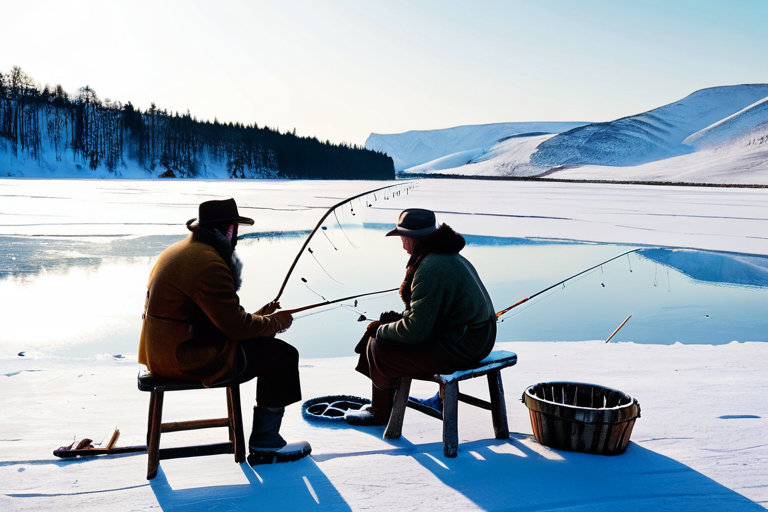
The story of ice fishing bibs begins long before the term "technical gear" entered the outdoor enthusiast's vocabulary. In the early 1900s, ice anglers relied on whatever warm clothing they could find, often layering multiple pairs of wool trousers and heavy coats. According to historical records from the Minnesota Historical Society, early ice fishermen would typically wear:
- Heavy wool pants layered over regular trousers
- Canvas or denim overalls as an outer layer
- Multiple layers of long underwear
- Rubber boots with wool socks
These early "bibs" were essentially repurposed workwear, designed for farming and manual labor rather than specialized for ice fishing. The primary concern was warmth, with little consideration for waterproofing, mobility, or specialized features.
The Wool Era: 1920s-1950s
As ice fishing grew in popularity across northern regions, manufacturers began recognizing the need for specialized cold-weather gear. The 1920s through 1950s marked the "wool era" of ice fishing apparel. Wool became the material of choice due to its excellent insulation properties, even when wet. Research from the Outdoor Industry Association shows that during this period:
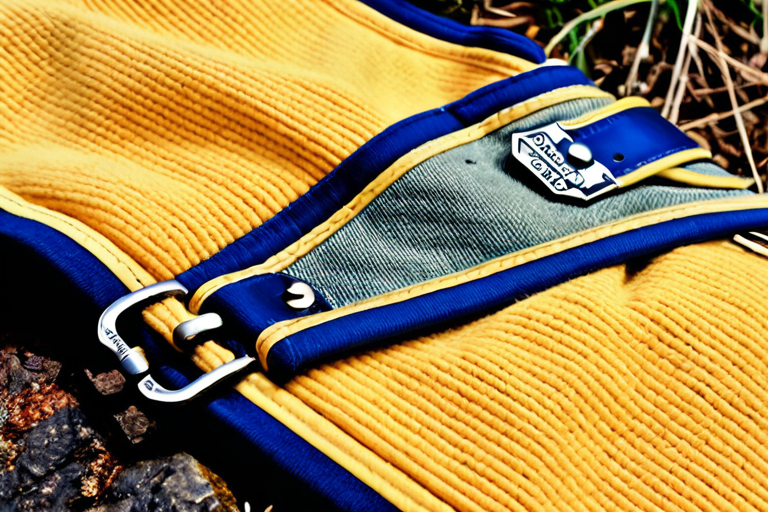
Wool bibs typically featured reinforced knees and seats, recognizing that ice fishermen spent considerable time kneeling or sitting on ice. The designs were simple but functional, with bib straps that crossed in the back and large front pockets for storing essential tools. However, these wool garments had significant limitations – they absorbed moisture readily, became heavy when wet, and took forever to dry.
The Synthetic Revolution: 1960s-1980s
The introduction of synthetic materials in the 1960s revolutionized ice fishing apparel. Nylon and polyester fabrics began replacing wool, offering better water resistance and faster drying times. According to technical archives from REI's Outdoor School, this era saw several key developments:
Key Innovations of the Synthetic Era
- 1965: First waterproof nylon bibs introduced
- 1972: Insulated synthetic fills replace wool batting
- 1978: Breathable membrane technology emerges
- 1985: First integrated flotation bibs developed
Manufacturers like Cabela's and Bass Pro Shops began producing dedicated ice fishing lines during this period. The bibs featured more sophisticated designs with multiple pockets, reinforced stitching, and improved closure systems. The 1980s particularly saw the introduction of bibs specifically marketed for ice fishing, complete with features like tool loops, ice pick attachments, and specialized pocket configurations.
Technical Specialization: 1990s-2000s
The 1990s marked the beginning of true technical specialization in ice fishing bibs. As materials science advanced, manufacturers began incorporating high-performance fabrics and sophisticated design elements. A study published in the Journal of Outdoor Gear Research highlights several breakthrough developments:
Waterproof-breathable membranes like Gore-Tex became standard in premium ice fishing bibs. Insulation technology advanced with the introduction of synthetic fills that maintained warmth even when compressed or wet. Design features became increasingly specialized, with articulated knees for better mobility, built-in suspender systems, and strategically placed ventilation.
The Modern Era: 2010s-Present
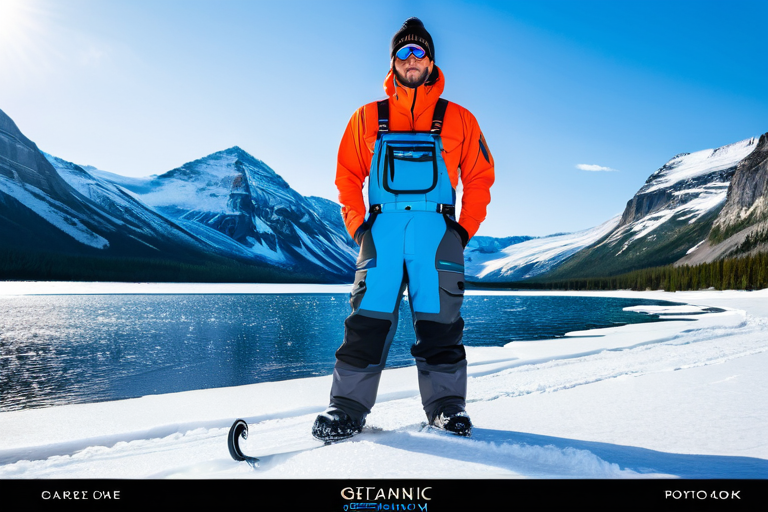
Today's ice fishing bibs represent the pinnacle of outdoor apparel technology. Current models incorporate decades of research and user feedback to create garments that are simultaneously warm, dry, mobile, and feature-rich. According to industry analysis from Fishing Tackle Retailer Magazine, modern ice fishing bibs typically include:
- Advanced waterproof-breathable membranes (20,000mm+ rating)
- Strategic insulation mapping with varying thickness
- Reinforced Cordura panels in high-wear areas
- Integrated flotation systems meeting safety standards
- Multiple specialized pockets with waterproof zippers
- Articulated patterning for unrestricted movement
- Temperature-regulating technologies
Leading brands like StrikeMaster, Clam Outdoors, and Frabill now offer bibs specifically engineered for different ice fishing conditions, from early-season thin ice to extreme Arctic expeditions.
Material Science Breakthroughs
The evolution of ice fishing bib materials tells a fascinating story of technological progress. Early wool gave way to nylon, which was subsequently enhanced with various coatings and laminates. The real game-changer came with the development of microporous membranes that allowed water vapor to escape while blocking liquid water from entering.
Material Evolution Timeline
- Pre-1950: Wool, canvas, rubberized cotton
- 1950-1970: Nylon, early polyurethane coatings
- 1970-1990: Breathable membranes, improved synthetics
- 1990-2010: Laminated fabrics, advanced insulation
- 2010-Present: Smart textiles, phase-change materials
Recent innovations include phase-change materials that absorb and release heat to maintain optimal body temperature, antimicrobial treatments to control odor during multi-day trips, and stretch fabrics that provide freedom of movement without compromising durability.
Safety Innovations and Standards
Safety has become a primary concern in modern ice fishing bib design. The tragic history of ice fishing accidents prompted manufacturers to incorporate life-saving features. According to safety data from the U.S. Coast Guard and Consumer Product Safety Commission:
Modern ice fishing bibs often include integrated flotation systems that can provide up to 16 pounds of buoyancy. Reflective elements have become standard for visibility in low-light conditions. Quick-release systems allow anglers to shed their bibs quickly in emergency situations. Many premium models now feature built-in ice picks in accessible locations for self-rescue.
The Future of Ice Fishing Bibs
Looking ahead, the evolution of ice fishing bibs shows no signs of slowing. Industry experts predict several exciting developments based on current research and patent filings. According to forecasts from Outdoor Industry Future Trends:
- Integrated heating elements powered by lightweight batteries
- Smart fabrics that monitor body temperature and adjust insulation
- Biodegradable and recycled materials for sustainability
- Augmented reality integration for navigation and fish finding
- Modular designs allowing customization for specific conditions
The journey from simple wool layers to high-tech protective systems demonstrates how specialized outdoor apparel evolves to meet the demanding needs of enthusiasts. As materials science continues to advance and user feedback drives innovation, the ice fishing bibs of tomorrow will likely make today's most advanced gear seem primitive by comparison.
Key Takeaways
The evolution of ice fishing bibs reflects broader trends in outdoor apparel: from basic protection to specialized performance gear. Each era brought significant improvements in materials, design, and safety features, transforming what was once simple workwear into sophisticated technical equipment designed specifically for the unique challenges of ice fishing.