The Remarkable World of Cod Family Fish: Nutritional Powerhouses from the Deep
Cod family fish represent one of the most important commercial fish groups globally, offering exceptional nutritional value and culinary versatility that has sustained coastal communities for centuries.
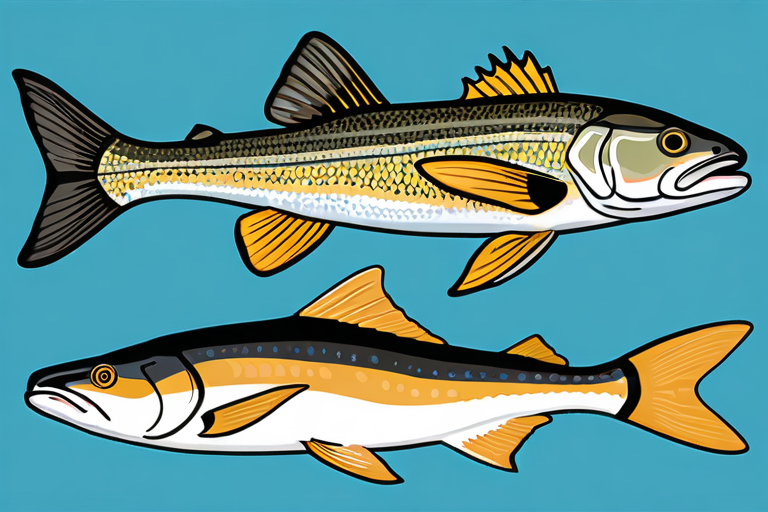
Diverse species within the cod family demonstrate remarkable adaptations to different marine environments
Understanding the Cod Family Taxonomy
The cod family, scientifically classified under Gadidae, comprises over 50 species of demersal fish found primarily in cold and temperate waters of the Northern Hemisphere. According to research from the Food and Agriculture Organization of the United Nations, these species play a crucial role in marine ecosystems and global fisheries.
Dr. Eleanor Vance, marine biologist at the Scripps Institution of Oceanography, explains: "The Gadidae family exhibits fascinating evolutionary adaptations. Their distinctive barbels, three dorsal fins, and two anal fins represent specialized features developed over millions of years of evolution in cold-water environments."
Major Commercial Species
- Atlantic Cod (Gadus morhua): The most well-known species, historically forming the backbone of North Atlantic fisheries
- Pacific Cod (Gadus macrocephalus): Found in North Pacific waters, slightly smaller than its Atlantic counterpart
- Haddock (Melanogrammus aeglefinus)
- Pollock (Pollachius pollachius): Known for its greenish coloration and importance in processed fish products
- Whiting (Merlangius merlangus): Smaller species popular in European markets
Nutritional Profile: Beyond Basic Protein
The nutritional value of cod family fish extends far beyond their high-quality protein content. Data from the USDA FoodData Central reveals that a 100-gram serving of Atlantic cod provides approximately:
Macronutrients
- 82 calories
- 18 grams protein
- 0.7 grams fat
- 0 grams carbohydrates
Key Vitamins
- Vitamin B12: 90% DV
- Vitamin B6: 15% DV
- Niacin: 20% DV
- Vitamin D: 10% DV
Essential Minerals
- Selenium: 60% DV
- Phosphorus: 25% DV
- Potassium: 10% DV
- Iodine: Significant amounts
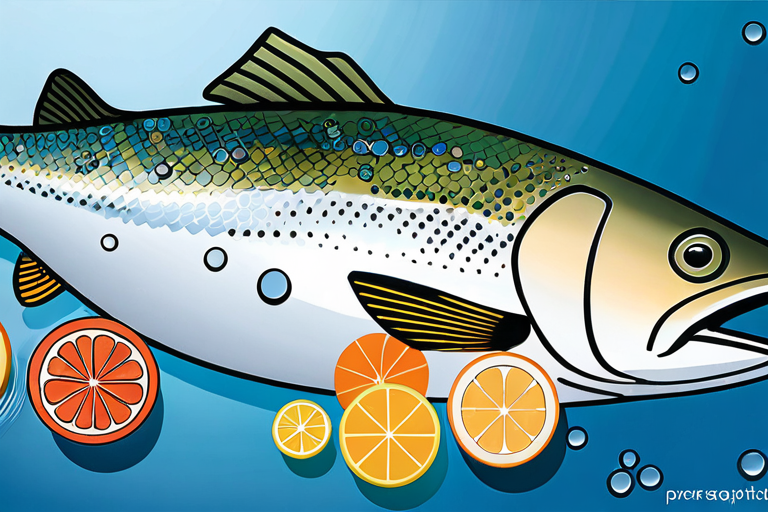
The lean protein and omega-3 fatty acids in cod support cardiovascular and brain health
Sustainable Fishing Practices and Conservation
The history of cod fisheries serves as both a cautionary tale and a success story in marine conservation. The collapse of the Northwest Atlantic cod stocks in the early 1990s, as documented by the International Council for the Exploration of the Sea, highlighted the vulnerability of marine resources to overfishing.
"Modern fisheries management has evolved significantly," notes marine conservation specialist Dr. Robert Chen. "We now employ ecosystem-based approaches, real-time monitoring, and strict quota systems to ensure the long-term sustainability of cod populations."
Certification Programs
Several certification programs help consumers identify sustainably sourced cod:
Marine Stewardship Council (MSC)
The MSC blue label indicates fisheries meeting rigorous sustainability standards, including several cod fisheries in Norway, Iceland, and the Barents Sea.
Aquaculture Stewardship Council (ASC)
For farmed cod varieties, ASC certification ensures responsible aquaculture practices with minimal environmental impact.
Culinary Applications and Global Cuisine
The mild flavor and firm, flaky texture of cod family fish make them exceptionally versatile in global cuisines. From traditional British fish and chips to Portuguese bacalhau and Scandinavian lutefisk, these fish have shaped culinary traditions across continents.
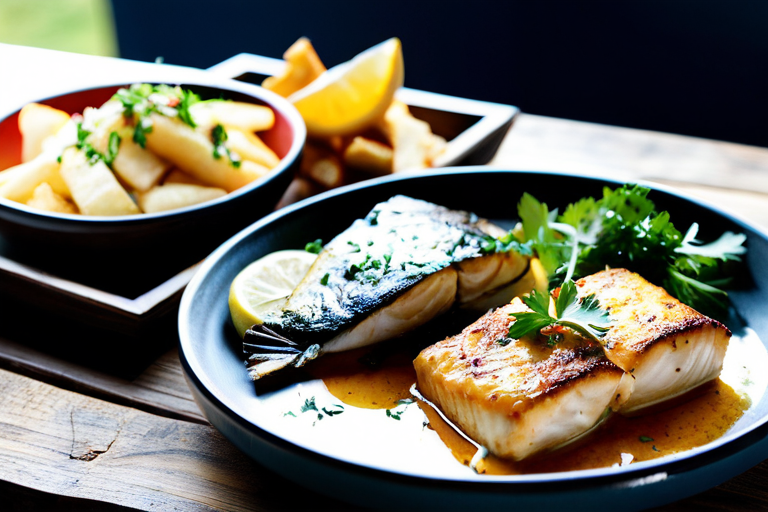
Traditional and modern culinary preparations showcase cod's versatility across global cuisines
Traditional Preparation Methods
Historical preservation techniques developed around cod reflect human ingenuity:
- Salt Cod (Bacalhau): Air-dried and salted, this preservation method dates back to Viking times and remains popular in Mediterranean cuisine
- Stockfish: Wind-dried without salt, traditionally produced in Norway and Iceland
- Smoked Cod: Hot and cold smoking techniques create distinct flavor profiles
- Pickled Cod: Traditional in Scandinavian countries, often served with robust sauces
Economic Impact and Global Trade
According to the World Bank's environmental programs, sustainable cod fisheries contribute significantly to coastal economies, particularly in Norway, Iceland, Canada, and Russia. The global cod market was valued at approximately $12 billion in 2023, with projected growth driven by increasing consumer awareness of seafood's health benefits.
Fisheries economist Dr. Maria Santos explains: "The cod industry supports not only direct fishing employment but also processing, distribution, and export sectors. In regions like Newfoundland and Northern Norway, cod remains culturally and economically fundamental."
Future Prospects and Research Directions
Current research focuses on several key areas that will shape the future of cod fisheries:
Climate Change Adaptation
Studies published in Nature Climate Change indicate cod populations are shifting northward in response to warming oceans, requiring adaptive management strategies.
Aquaculture Innovations
Advances in closed-containment systems and feed optimization are making cod farming more sustainable and economically viable.
Genetic Research
Genomic studies are helping identify resilient cod stocks and improve breeding programs for aquaculture.

Advanced research technologies are helping ensure the future sustainability of cod populations
Key Takeaways
The cod family represents more than just a food source—it embodies centuries of maritime tradition, nutritional science, and evolving conservation practices. As consumers become more conscious of both health and environmental impacts, the continued sustainable management of these valuable fish resources remains paramount for future generations.
"The story of cod is the story of human interaction with the sea—a relationship that continues to evolve through science, tradition, and responsible stewardship."