The Complete Guide to Fish Tank Maintenance and Repair
Expert Insight: Proper fish tank maintenance isn't just about keeping the glass clean—it's about creating a stable, healthy ecosystem for your aquatic pets. This comprehensive guide covers everything from basic cleaning to advanced repair techniques.
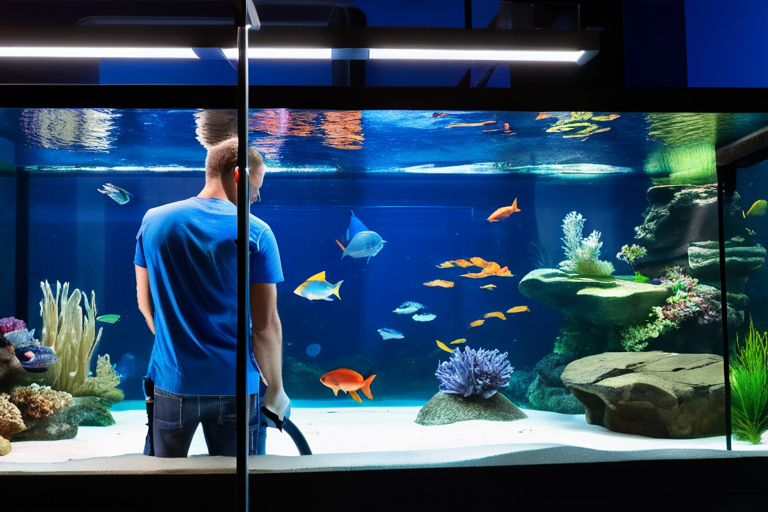
Understanding the Basics of Fish Tank Maintenance
Maintaining a fish tank requires more than just occasional cleaning. According to the Fish Keeping World, regular maintenance should follow a systematic approach that addresses water quality, equipment functionality, and environmental stability.
Weekly Maintenance Checklist
- Water testing for pH, ammonia, nitrites, and nitrates
- Partial water changes (10-25% depending on tank size)
- Glass cleaning and algae removal
- Filter media inspection and cleaning if necessary
- Equipment functionality check
Water Quality Management: The Foundation of Healthy Aquariums
Water quality is arguably the most critical aspect of fish tank maintenance. The Aquarium Co-Op emphasizes that poor water quality accounts for over 80% of fish health issues in home aquariums.
Essential Water Parameters to Monitor
pH Levels
Most freshwater fish thrive in pH levels between 6.5 and 7.5. Regular testing helps prevent sudden fluctuations that can stress fish.
Ammonia and Nitrite
Both should remain at 0 ppm. Any detectable levels indicate issues with the nitrogen cycle or overfeeding.
Nitrate Levels
Keep below 40 ppm through regular water changes and proper filtration.
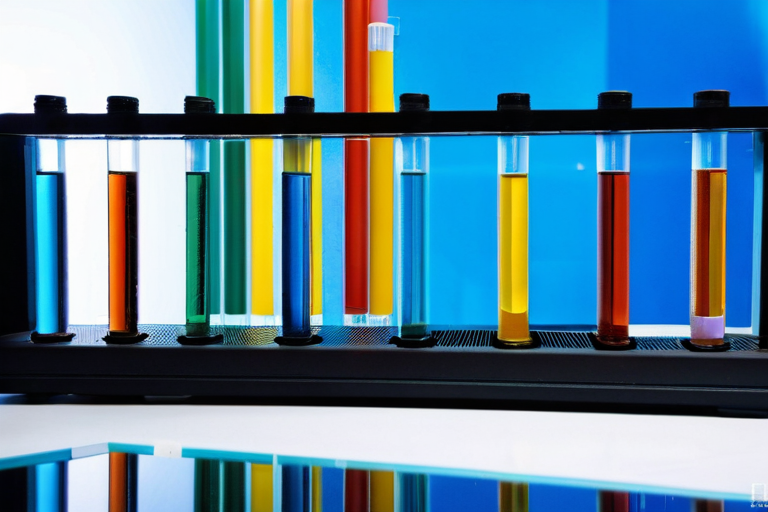
Equipment Maintenance and Common Repairs
Aquarium equipment requires regular maintenance to function properly. From filters to heaters, each component plays a vital role in maintaining a healthy environment.
Filter Systems: The Heart of Your Aquarium
Filters are the most critical equipment in any aquarium setup. The Seriously Fish database notes that inadequate filtration is a leading cause of aquarium failures.
Filter Maintenance Schedule
- Weekly: Check for proper water flow and unusual noises
- Monthly: Clean impeller and intake tubes
- Every 3-4 months: Replace filter media as needed
- Annually: Complete filter disassembly and deep cleaning
Heater Troubleshooting and Repair
Heater failures can be catastrophic. Common issues include inaccurate temperature readings, failure to heat, or constant operation. Always unplug the heater before performing any maintenance.
Common Fish Tank Repairs and How to Handle Them
Even with proper maintenance, repairs are sometimes necessary. Understanding common issues can save your aquarium and its inhabitants.
Leaking Tanks: Emergency Response
Discovering a leak requires immediate action. Transfer fish to a temporary container with existing tank water. Small leaks can often be repaired with aquarium-safe silicone, but larger cracks may require professional assistance or tank replacement.
Broken Glass Repair
While small scratches can be polished out, cracked glass panels typically require complete replacement. The Spruce Pets recommends consulting with aquarium professionals for glass repairs to ensure safety and proper sealing.
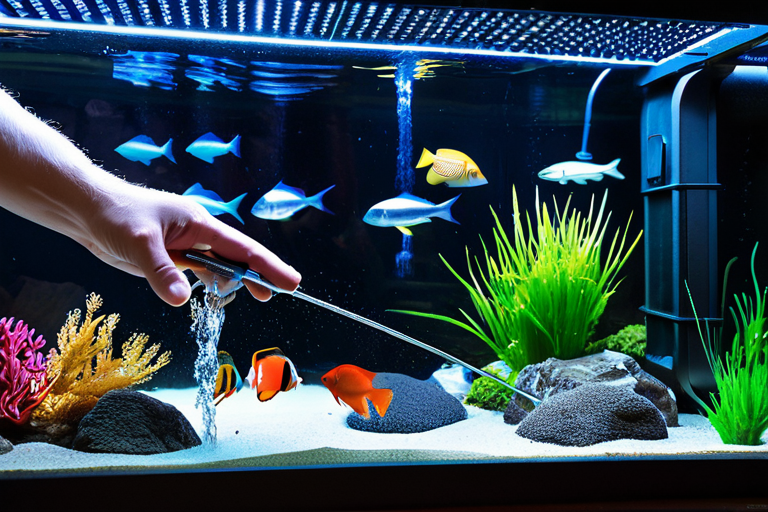
Advanced Maintenance Techniques
For experienced aquarists, advanced maintenance techniques can optimize aquarium health and reduce long-term maintenance requirements.
CO2 System Maintenance
Planted aquariums often use CO2 injection systems. Regular maintenance includes checking for leaks, cleaning diffusers, and calibrating regulators. Proper CO2 management can significantly improve plant growth and water quality.
Automated System Integration
Modern aquariums can benefit from automated systems for water changes, feeding, and monitoring. While these systems reduce daily maintenance, they require regular calibration and backup planning for power failures.
Seasonal Maintenance Considerations
Aquarium maintenance needs change with seasons. Temperature fluctuations, humidity changes, and seasonal algae blooms all affect maintenance schedules.
Summer Maintenance
Increased evaporation may require more frequent top-offs. Higher temperatures can reduce oxygen levels, potentially requiring additional aeration.
Winter Maintenance
Lower room temperatures may require heater adjustments. Dry air from heating systems increases evaporation rates.
Preventive Maintenance: Saving Time and Money
Preventive maintenance is the key to avoiding major repairs and ensuring long-term aquarium success.
Equipment Replacement Schedule
Even well-maintained equipment has a finite lifespan. Heaters typically last 2-3 years, while quality filters can function for 5+ years with proper care. Keeping spare equipment on hand can prevent emergencies.
Regular Inspection Routine
Develop a systematic inspection routine that includes checking seals, testing equipment functionality, and monitoring for early signs of wear. Catching issues early prevents costly repairs and potential livestock loss.
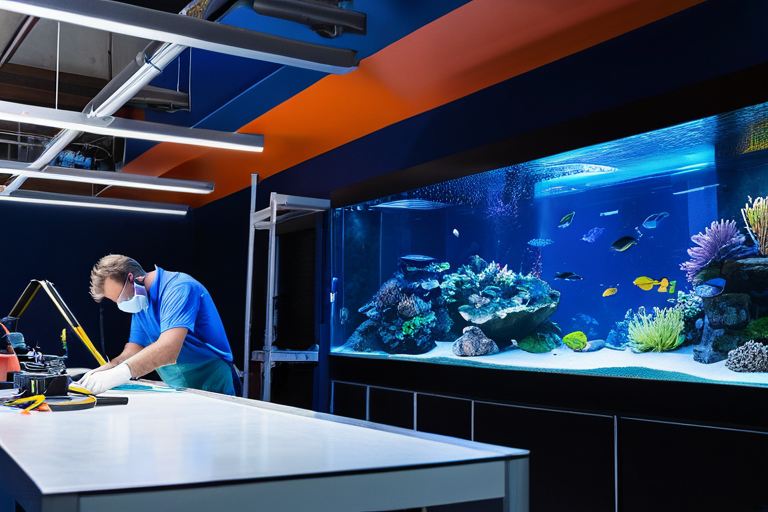
When to Call Professionals
While many maintenance tasks are DIY-friendly, some situations require professional assistance. Structural repairs, complex equipment issues, and persistent water quality problems often benefit from expert intervention.
Warning Signs Requiring Professional Help
- Persistent cloudy water despite proper maintenance
- Recurrent fish illnesses or unexplained deaths
- Major structural damage to the tank
- Electrical issues with multiple equipment pieces
- Consistent parameter fluctuations
Conclusion: Building a Sustainable Maintenance Routine
Successful fish tank maintenance combines regular care with proactive monitoring. By establishing a consistent routine, understanding your equipment, and recognizing when to seek help, you can create a thriving aquatic environment that brings joy for years to come.
Remember that every aquarium is unique, and maintenance requirements may vary based on stocking levels, plant density, and equipment choices. The most successful aquarists are those who observe their tanks regularly and adapt their maintenance routines accordingly.
Final Thought: Consistent, proper maintenance not only keeps your aquarium beautiful but also ensures the health and wellbeing of your aquatic pets. Invest time in learning your specific system's needs, and you'll be rewarded with a stunning, healthy aquatic display.