The Art of Tide Pool Angling: Mastering Coastal Micro-Fishing Techniques
Discovering the intricate world of intertidal fishing where precision meets patience

A thriving tide pool ecosystem showcasing the biodiversity that makes coastal micro-fishing possible
Tide pool angling represents one of fishing's most nuanced disciplines, requiring anglers to master both marine biology and precision techniques. Unlike traditional fishing methods that target larger species in open waters, this approach focuses on the micro-ecosystems found in coastal intertidal zones. According to marine biologists at the Woods Hole Oceanographic Institution, these environments host over 85% of coastal marine species at some point in their life cycles, making them rich hunting grounds for knowledgeable anglers.
The practice dates back centuries, with coastal communities worldwide developing specialized techniques for harvesting from these temporary aquatic environments. Modern tide pool angling has evolved into a sustainable practice that emphasizes conservation and ecosystem understanding, as documented by the National Oceanic and Atmospheric Administration in their coastal resource management guidelines.
Understanding Tide Pool Ecosystems
Tide pools form in rocky coastal areas where seawater collects during low tide, creating isolated micro-habitats that fluctuate dramatically with tidal cycles. These environments experience extreme variations in temperature, salinity, and oxygen levels, creating unique challenges for both marine life and anglers.
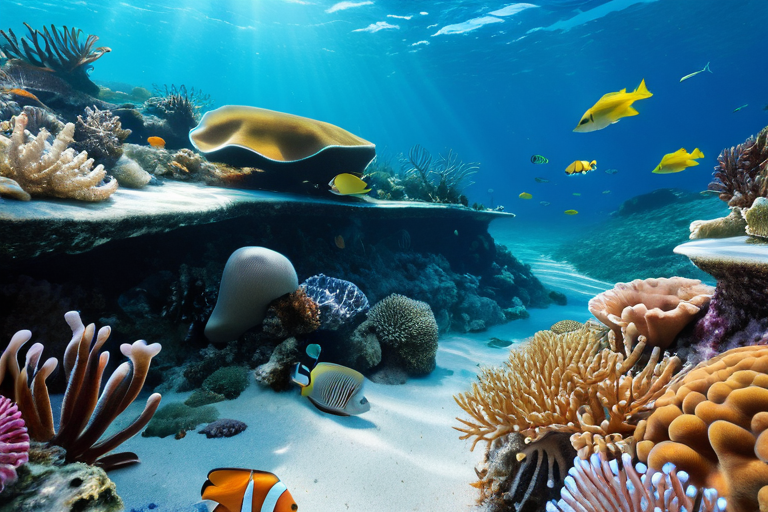
Common tide pool inhabitants including anemones, small fish, and crustaceans that form the basis of micro-fishing opportunities
Essential Techniques for Tide Pool Angling
Micro-Lure Presentation
Using ultra-light tackle with lures weighing less than 1/32 ounce requires specialized casting techniques. The key lies in gentle presentations that mimic natural prey movements without disturbing the delicate ecosystem.
Source: American Sportfishing Association micro-fishing techniques guide
Stealth Approach Methods
Successful tide pool anglers move with deliberate slowness, minimizing vibrations and shadows that alert prey. This includes specialized foot placement and body positioning techniques developed through observation of predator behavior.
Based on research from Monterey Bay Aquarium Research Institute
Reading Water Conditions
Understanding how water clarity, temperature gradients, and oxygen levels affect fish behavior in confined spaces. This knowledge allows anglers to predict where different species will congregate during various tidal stages.
Data compiled from U.S. Geological Survey coastal monitoring programs
Specialized Equipment for Coastal Micro-Fishing
Unlike conventional fishing gear, tide pool angling requires equipment specifically designed for precision and minimal environmental impact:
- Ultra-Light Rods: 4-6 foot rods with fast action tips for delicate presentations
- Micro-Reels: 500-1000 size reels with smooth drag systems for handling light lines
- Fluorocarbon Leaders: 2-4 lb test leaders that are nearly invisible in clear water
- Specialized Footwear: Felt-soled or rubber boots designed for secure traction on slippery rocks
- Observation Tools: Polarized sunglasses and compact binoculars for spotting subtle movements
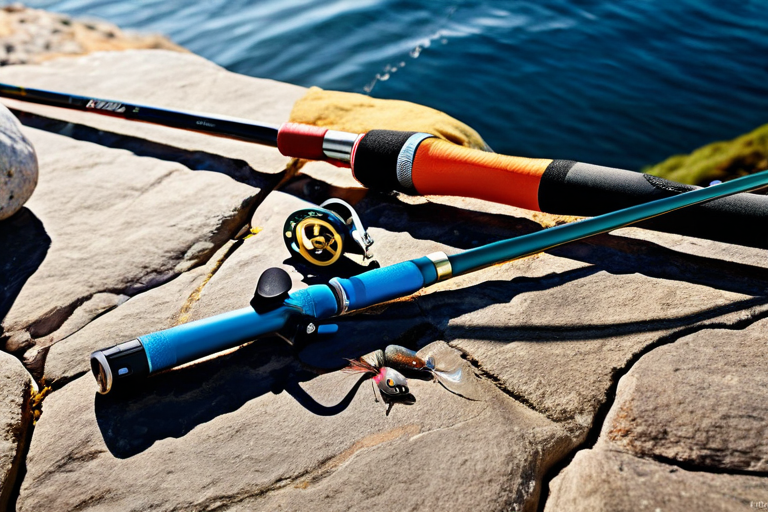
Essential gear for tide pool angling including ultra-light rods, micro-reels, and specialized terminal tackle
Target Species and Seasonal Patterns
Tide pools host diverse species that vary by geographic location and season. Common targets include various goby species, tide pool sculpins, juvenile rockfish, and several types of blennies. According to data from the California Academy of Sciences, these species exhibit predictable behavioral patterns based on tidal cycles, water temperature, and available food sources.
Seasonal variations significantly impact tide pool fishing success. Spring brings increased activity as water temperatures rise, while summer offers the most stable conditions. Autumn sees migrations of juvenile fish into tide pools, and winter requires specialized techniques for cold-water species that remain active in these protected environments.
Conservation and Sustainable Practices
Tide pool ecosystems are particularly vulnerable to overfishing and habitat disturbance. Responsible anglers follow strict guidelines developed in collaboration with marine conservation organizations:
Catch Limits: Most coastal regions have specific regulations for tide pool species, often with lower limits than open water fishing. The California Department of Fish and Wildlife provides comprehensive guidelines for sustainable harvest.
Habitat Protection: Anglers must avoid disturbing delicate marine vegetation and rock formations. Techniques like "floating retrieves" minimize contact with the bottom and protect sensitive habitats.
Selective Harvest: Many experienced tide pool anglers practice "slot limit" fishing, keeping only mid-sized specimens while releasing both juveniles and breeding adults to maintain population health.
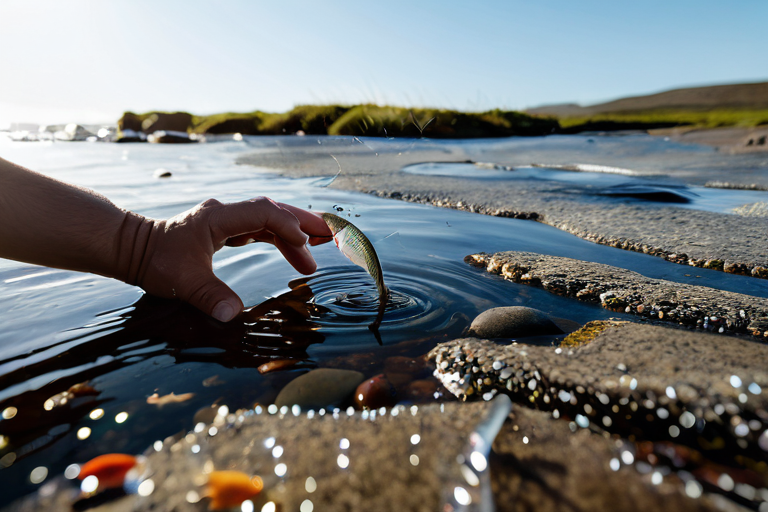
Responsible angling practices ensure the long-term health of tide pool ecosystems
Advanced Strategies for Experienced Anglers
For those mastering the basics, several advanced techniques can significantly improve success rates:
Tidal Current Fishing
Positioning at the mouth of tide pools during incoming tides to intercept fish moving into newly flooded areas. This requires precise timing based on local tide charts and understanding of fish migration patterns.
Micro-Fly Techniques
Using specialized flies sized 20-28 to match specific prey items in the tide pool food chain. This approach requires exceptional casting accuracy and knowledge of local insect hatches.
Night Angling Strategies
Many tide pool species become more active after dark, requiring specialized low-light techniques and equipment. This includes the use of minimal lighting to avoid disturbing nocturnal feeding patterns.
Mastering the Art
Tide pool angling represents fishing in its most refined form, combining technical skill with deep ecological understanding. As noted by the California Coastal Conservancy, this practice not only provides unique angling opportunities but also fosters greater appreciation for coastal ecosystems. The true mastery lies not in the quantity of catch, but in the quality of experience and the preservation of these delicate marine environments for future generations of anglers.
Successful tide pool anglers become stewards of their local coastlines, developing intimate knowledge of tidal patterns, species behavior, and ecosystem dynamics. This connection between angler and environment represents the highest form of fishing artistry, where every cast demonstrates respect for both the sport and the natural world that makes it possible.