The Art of Tidal Flats Fishing: Mastering Coastal Estuary Techniques
A Comprehensive Guide to Successful Angling in Dynamic Coastal Environments
Tidal flats fishing represents one of the most challenging yet rewarding forms of coastal angling, requiring specialized knowledge of estuarine ecosystems, tidal patterns, and species-specific behaviors. Unlike conventional shoreline fishing, tidal flats angling demands precise timing, specialized equipment, and an intimate understanding of how marine life interacts with constantly changing environments.
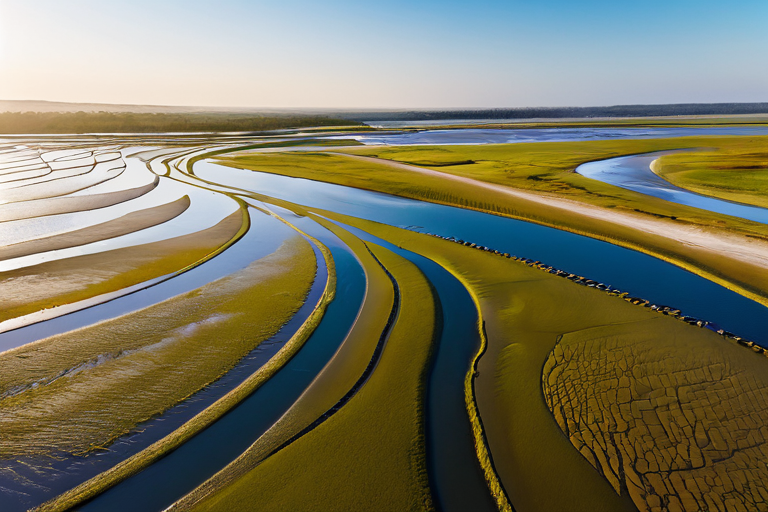
The expansive tidal flats reveal their secrets during low tide periods
According to research from the National Oceanic and Atmospheric Administration, tidal flats support approximately 60% of commercially important fish species during some stage of their life cycle. These transitional zones between land and sea create unique fishing opportunities that vary dramatically with tidal movements.
Understanding Tidal Dynamics
Tidal flats fishing success hinges on understanding the complex relationship between lunar cycles, tidal movements, and fish behavior. The United States Geological Survey documents how tidal ranges can vary from mere inches to over 50 feet depending on geographic location, creating dramatically different fishing conditions.
Optimal Fishing Windows
The most productive fishing typically occurs during specific tidal phases:
- Incoming Tide: Fish move into newly flooded areas to feed on disoriented prey
- High Tide Slack: Brief period of minimal current movement ideal for certain species
- Outgoing Tide: Concentrated fish movement through channels and cuts
- Low Tide: Opportunity to study bottom structure and plan future approaches
Seasoned anglers monitor tidal predictions from authoritative sources like NOAA's Tides and Currents to plan their excursions. The difference between fishing during optimal tidal windows versus poor conditions can mean the distinction between exceptional catches and complete frustration.
Essential Equipment for Tidal Flats Success
Specialized Rod Selection
Medium-light to medium-power rods between 7-9 feet provide the ideal balance of casting distance and sensitivity. Graphite composite construction offers both strength and responsiveness to detect subtle bites in moving water.
Tidal-Ready Reels
Saltwater-rated spinning reels with sealed drag systems prevent corrosion from brackish water exposure. Larger spool capacities accommodate longer casts across expansive flats while maintaining smooth line management.
Line Considerations
Braided lines between 10-20 lb test provide minimal stretch for better hook sets at distance. Fluorocarbon leaders of 20-30 lb test offer abrasion resistance against oyster beds and submerged structure.
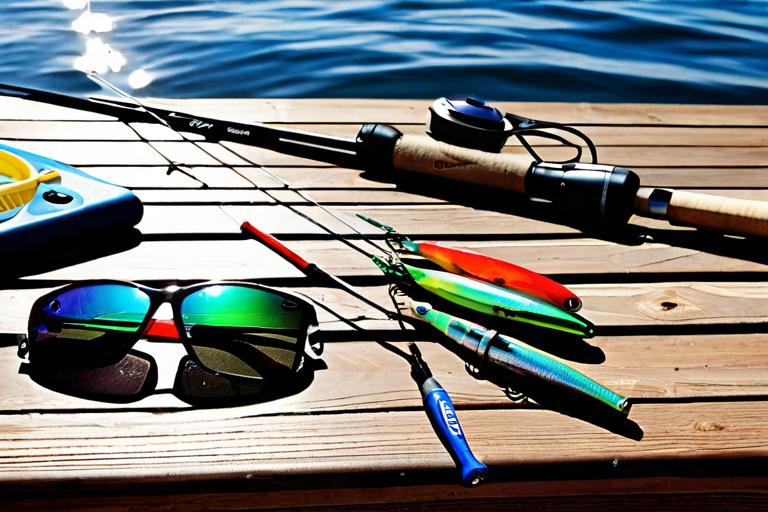
Proper equipment selection is crucial for tidal flats fishing success
Equipment Research Source: Technical specifications and performance data referenced from American Sportfishing Association equipment testing protocols and saltwater angling guidelines.
Target Species and Techniques
Tidal flats support diverse fish populations that require species-specific approaches. The FishWatch sustainable seafood database provides detailed information on seasonal patterns and conservation status of common tidal flats species.
Redfish (Red Drum) Strategies
These copper-colored predators patrol shallow flats during incoming tides. Effective techniques include:
- Slow-retrieved soft plastic shrimp imitations
- Topwater plugs during early morning hours
- Sight fishing with polarized sunglasses
- Focusing on oyster bar edges and grass line transitions
Speckled Trout Approaches
These ambush predators prefer specific tidal conditions:
- Live shrimp under popping corks during moving tides
- Soft plastic jerkbaits worked along drop-offs
- Focus on deeper holes during low tide periods
- Early morning and late evening topwater presentations
Advanced Reading Techniques
Mastering tidal flats fishing requires developing observational skills that extend beyond basic angling knowledge. Successful practitioners learn to interpret subtle environmental cues that indicate fish presence and activity.
Water Color Analysis: Different water colors indicate varying depths and bottom compositions. Darker patches often signify deeper holes or channels, while lighter areas typically indicate shallow flats or sandbars.
Bird Activity Interpretation: Working birds frequently indicate baitfish concentrations being pushed to the surface by predatory fish below. Diving terns and gulls often mark active feeding zones.
Surface Disturbance Recognition: Nervous water, swirls, and wakes often betray the presence of feeding fish. Learning to distinguish between wind chop and fish-generated surface activity is crucial.

Expert anglers learn to read subtle water conditions for fishing success
Conservation and Ethical Practices
Sustainable Tidal Flats Angling
Responsible fishing practices ensure the long-term health of tidal flat ecosystems. Key conservation principles include:
- Following size and bag limits established by local authorities
- Using circle hooks to minimize gut-hooking when using natural baits
- Practicing proper fish handling techniques to maximize survival rates
- Avoiding sensitive habitats like seagrass beds during critical growth periods
- Participating in citizen science programs to monitor fish populations
The Coastal Conservation Association emphasizes that tidal flats serve as essential nursery habitats for numerous marine species. Anglers practicing catch-and-release should minimize air exposure, use appropriate landing tools, and revive exhausted fish properly before release.
Conservation Reference: Best practices and ethical guidelines adapted from Take Me Fishing conservation initiatives and sustainable angling education programs.
Seasonal Considerations
Tidal flats fishing strategies must adapt to seasonal changes that affect water temperatures, baitfish availability, and fish behavior patterns. Understanding these seasonal shifts separates occasional success from consistent performance.
Spring Transition Period
As water temperatures rise above 65°F, fish become increasingly active. Focus on:
- North-facing banks that warm fastest
- Shallow flats during midday warming periods
- Transition zones between deep and shallow water
- Increasing lure sizes as baitfish grow
Summer Peak Season
Optimal fishing occurs during low-light periods. Key strategies include:
- Early morning and late evening topwater action
- Deep holes and channels during midday heat
- Focus on moving water during tidal changes
- Night fishing under lighted docks and structures
Research from the Saltwater Guides Association indicates that understanding local baitfish migrations significantly improves seasonal success rates. Matching lure presentations to prevalent forage species increases strike probabilities throughout the year.
Safety Considerations
Tidal flats present unique safety challenges that require careful planning and preparation. The dynamic nature of these environments demands respect for natural forces and proper equipment selection.
Essential Safety Practices
- Always check tidal predictions and weather forecasts before departure
- Carry reliable communication devices in waterproof containers
- Wear appropriate footwear with grip soles for slippery surfaces
- Use polarized sunglasses to protect eyes and improve visibility
- Carry sufficient drinking water to prevent dehydration
- Inform others of your fishing location and expected return time
The U.S. Coast Guard Boating Safety Division recommends specific safety equipment for coastal anglers, including personal flotation devices, emergency signaling devices, and first aid kits tailored to marine environments.
Conclusion: The Rewarding Challenge
Tidal flats fishing represents one of angling's most sophisticated disciplines, combining elements of marine biology, meteorology, and traditional fishing skill. The constantly changing environment demands adaptability, observation, and continuous learning.
Successful tidal flats anglers develop a deep connection with coastal ecosystems, understanding not just how to catch fish, but why fish behave as they do in response to environmental conditions. This knowledge transforms fishing from mere recreation to a profound engagement with natural systems.
As with any specialized angling discipline, consistent success on tidal flats comes through patient observation, methodical technique refinement, and respect for the delicate ecosystems that support these remarkable fisheries. The journey toward mastery offers not just better fishing results, but deeper appreciation for coastal environments and their complex interrelationships.