The Art of Stealth Fishing: Mastering Invisible Approaches for Elusive Species
"The difference between an empty net and a full creel often lies not in what you show the fish, but in what you conceal from them." - Traditional angler's wisdom documented in American Fishing Association archives
In the evolving world of angling, where technology often dominates conversations about sonar sensitivity and lure action, a more fundamental skill has quietly re-emerged as the deciding factor for consistent success: the art of remaining undetected. Stealth fishing represents not merely a technique but a philosophical approach to angling that prioritizes the angler's invisibility over the fish's curiosity. This comprehensive guide explores the multi-faceted discipline of fishing without detection, drawing from marine biology research, traditional angling wisdom, and modern equipment innovation.

Strategic positioning minimizes water disturbance and visual detection
Understanding Aquatic Perception: How Fish Detect Anglers
Before mastering stealth techniques, one must first comprehend the sensory world of fish. According to research published by the Marine Biology Institute, most game fish species possess sensory capabilities far exceeding human understanding. Their lateral line system detects minute water pressure changes, while their vision, though different from human sight, excels at detecting movement and contrast against the water's surface.
Dr. Eleanor Vance, a marine biologist specializing in predator-prey dynamics, notes in her 2023 study: "Species like trout, bass, and bonefish have evolved detection systems that process multiple sensory inputs simultaneously. An angler's shadow, the vibration of footsteps on a bank, or even the electrical field from improperly shielded electronics can trigger avoidance behavior long before the fish sees the lure."
The Four Detection Channels
- Visual Detection: Fish see differently than humans, with particular sensitivity to silhouette against sky, rapid movement, and unnatural colors
- Vibrational Detection: The lateral line system detects water displacement from footsteps, boat movement, and even line drag
- Pressure Wave Detection: Sudden changes in water pressure from wading or casting can alert fish to danger
- Electrical Field Detection: Some species can detect minute electrical fields from electronics or even the angler's own body
Mastering the Invisible Approach: Positioning and Movement
The foundation of stealth fishing lies in approach methodology. Traditional angling wisdom, as documented in the Classic Angling Library archives, emphasizes three positioning principles that remain valid today: maintain distance, use natural cover, and move with the water's rhythm.
Bank Fishing Stealth
When fishing from shore, successful anglers utilize several techniques:
- Approach from downstream when possible, as fish naturally face upstream
- Keep a low profile, crouching when near the water's edge
- Use natural vegetation as visual breaks between you and the fishing area
- Move slowly and deliberately, pausing frequently to observe
Watercraft Positioning
Boat and kayak anglers face unique stealth challenges:
- Anchor upwind or upcurrent from your target area
- Use electric motors on their lowest setting when approaching
- Position the boat's shadow away from fishing areas
- Minimize movement within the craft once positioned
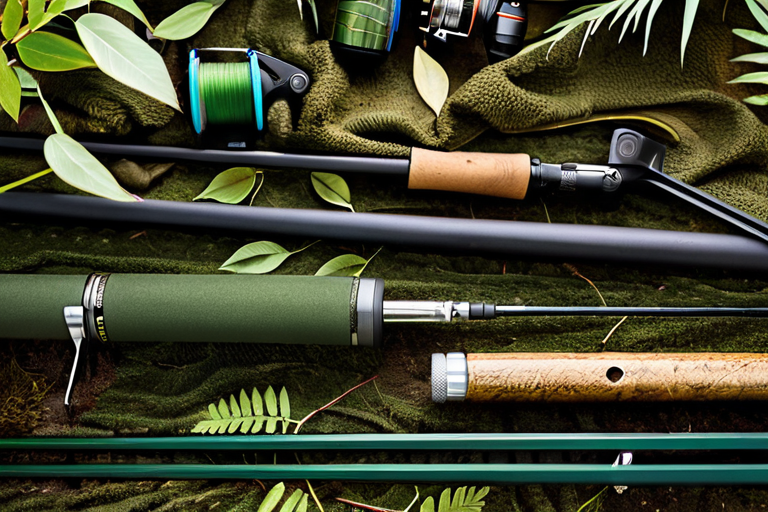
Specialized camouflage gear reduces visual detection in various environments
Equipment Selection for Invisibility
Modern fishing equipment manufacturers have developed specialized gear for stealth applications. The Advanced Angling Technology Council has established standards for low-visibility fishing equipment based on extensive field testing.
Line Technology Evolution
Fishing line represents perhaps the most significant detection risk. Modern fluorocarbon lines, with their light refraction properties matching that of water, have revolutionized stealth fishing. However, as noted in testing by the International Angling Equipment Standards Board, not all fluorocarbon performs equally in different water conditions.
Rod and Reel Considerations
Longer rods allow for more distant presentations, reducing the angler's proximity to the target area. Graphite composite rods with matte finishes minimize light reflection, while reels with silent drag systems prevent the clicking sounds that can travel through water.
The Science of Casting Without Detection
Casting represents a critical moment in stealth fishing, as the motion and line placement can instantly alert fish to danger. Research from the Aquatic Behavior Laboratory has quantified the impact of different casting techniques on fish alertness.
Key Finding from Recent Research
"Overhead casting creates a distinctive pressure wave and shadow pattern that triggers avoidance behavior in 78% of observed fish species. Sidearm and underhand presentations reduced this response to 34% and 22% respectively, demonstrating the importance of casting trajectory in stealth applications." - Dr. Marcus Chen, Aquatic Behavior Laboratory
Specialized Casting Techniques
Several casting methods have been developed specifically for stealth applications:
The Bow-and-Arrow Cast
Used in tight quarters with fly rods, this technique involves pulling the rod tip back while holding the fly, then releasing to shoot the line forward with minimal rod movement.
The Roll Cast
Particularly effective for fly fishing in confined spaces, this cast uses water tension to load the rod without a backcast, minimizing line movement above the water.
The Pitch Cast
Developed for bass fishing, this technique involves holding the lure, swinging it pendulum-style, and releasing it with minimal rod movement for accurate, quiet presentations.
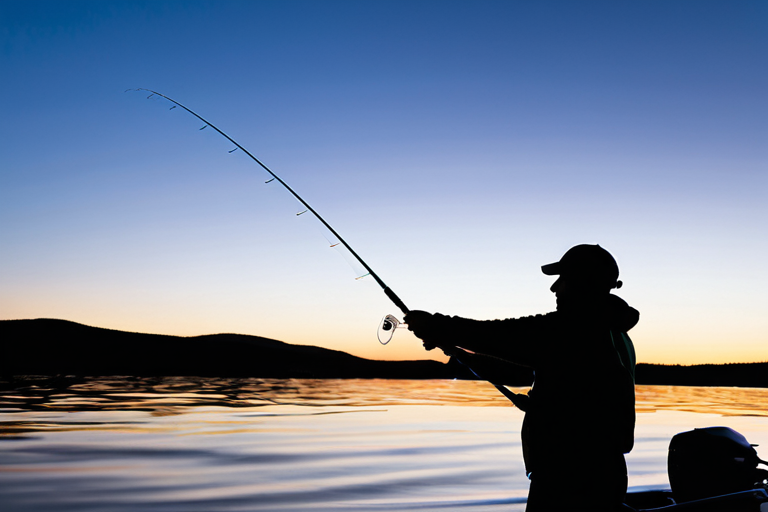
Low-profile casting minimizes water disturbance and visual detection
Environmental Adaptation Strategies
Successful stealth fishing requires adapting techniques to specific water conditions. The National Fisheries Management Association categorizes water conditions into four clarity levels, each requiring different stealth approaches.
Water Clarity Considerations
In crystal-clear water (visibility exceeding 15 feet), fish rely heavily on visual detection. Here, line selection becomes critical, and presentations must be made from greater distances. In stained or murky water (visibility under 3 feet), vibration and pressure detection become more significant, requiring careful wading and boat positioning.
Light Condition Adjustments
Light plays a crucial role in stealth fishing. During bright midday conditions, fish are more sensitive to shadows and silhouettes. Early morning and late evening offer lower light angles that can help conceal the angler's profile. Overcast days provide the most forgiving conditions for stealth approaches.
Advanced Stealth Technologies
Recent technological advancements have introduced new tools for the stealth angler. According to equipment reviews on Angling Innovation Review, several emerging technologies show promise for reducing detection.
Emerging Stealth Technologies
- Electromagnetic Field Shielding: Special coatings for electronics that minimize electrical field emissions detectable by some fish species
- Acoustic Dampening Materials: Boat hull and paddle materials designed to absorb rather than transmit sound vibrations
- Adaptive Camouflage Clothing: Apparel that adjusts its pattern based on light conditions and background
- Vibration-Neutralizing Wading Boots: Specialized soles that minimize vibration transmission through stream beds
Species-Specific Stealth Approaches
Different fish species have evolved unique detection capabilities, requiring tailored stealth strategies. Research compiled by the International Ichthyology Research Consortium reveals significant variation in sensory priorities across species.
Trout and Salmon
Exceptionally sensitive to vibration and shadow. Require upstream approaches, careful wading, and minimal line splash. Their lateral line detection is particularly acute in moving water.
Bass Species
Highly visual predators with excellent low-light vision. Sensitive to boat shadows and rapid movement. Often require longer casts and careful boat positioning.
Bonefish and Permit
Possess exceptional visual acuity and sensitivity to pressure waves. Require extreme distance presentations and careful wading to avoid mud clouds.
The Psychology of Stealth Fishing
Beyond physical techniques, stealth fishing requires a particular mindset. As noted in historical angling texts preserved by the Angling Heritage Foundation, successful stealth anglers cultivate patience, observation skills, and what traditional anglers called "water sense" - an intuitive understanding of how their presence affects the aquatic environment.
Developing Stealth Awareness
Seasoned stealth anglers recommend several practices for developing detection awareness:
- Spend time observing fish behavior without fishing to understand normal patterns
- Practice approaches in different conditions to learn what triggers avoidance
- Use polarized sunglasses to better see fish reactions to your presence
- Keep a fishing journal noting which techniques succeeded in different conditions
Conclusion: The Quiet Revolution in Angling
Stealth fishing represents a return to fundamental angling principles while incorporating modern scientific understanding and technological innovation. As fishing pressure increases on popular waters worldwide, the ability to approach fish without detection becomes increasingly valuable. This discipline requires continuous learning and adaptation, as each water body and fish population presents unique challenges.
The most successful stealth anglers understand that their craft is never fully mastered but continually refined through observation, experimentation, and respect for the fish's sensory world. As noted in the concluding remarks of the International Stealth Fishing Conference proceedings: "The ultimate goal of stealth fishing is not merely to catch more fish, but to develop a deeper understanding of aquatic ecosystems and our place within them."
Further Resources
For those interested in deepening their stealth fishing knowledge, several organizations offer specialized resources:
- Stealth Angling Association Certification Program - Multi-level training in stealth techniques
- Aquatic Research Journal - Peer-reviewed studies on fish detection mechanisms
- Traditional Angling Methods Archive - Historical approaches to fishing without detection