The Art of Angling: A Comprehensive Guide to Fishing Techniques and Traditions
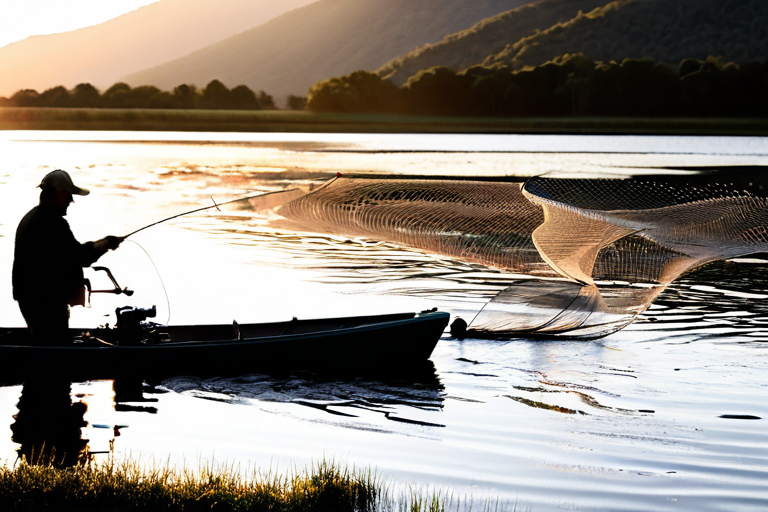
Fishing, one of humanity's oldest practices, has evolved from a basic survival skill to a sophisticated recreational activity and competitive sport. According to the Food and Agriculture Organization of the United Nations, over 40 million people worldwide engage in recreational fishing, contributing significantly to local economies and cultural traditions.
Historical Evolution of Fishing Techniques
The history of fishing dates back approximately 40,000 years, with evidence from archaeological sites showing early humans using bone hooks and simple nets. The Smithsonian Institution documents how fishing methods have evolved through various civilizations:
- Ancient Egypt (3000 BCE): Developed sophisticated net fishing techniques depicted in tomb paintings
- Roman Empire: Created early versions of fishing reels and specialized hooks
- Medieval Europe: Established fishing rights and regulations in royal forests
- 19th Century: Industrial revolution brought mass-produced fishing equipment
- Modern Era: Technological advancements including sonar and GPS systems
Key Historical Milestones
The International Game Fish Association (IGFA) maintains records showing how equipment innovations have changed catch sizes and techniques over the past century.
Modern Fishing Techniques Explained
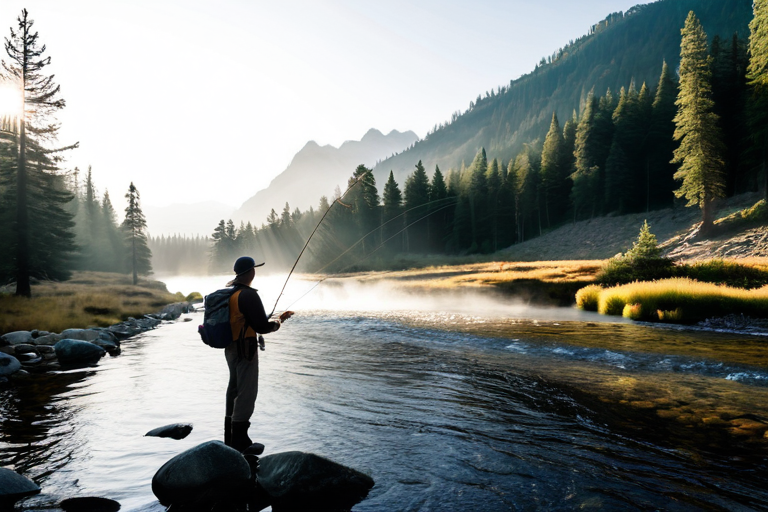
Fly Fishing
Using artificial flies that mimic insects, this technique requires specialized rods and lines. According to Trout Unlimited, proper fly selection can increase catch rates by up to 60%.
Spin Fishing
The most common recreational method, using spinning reels and various lures. The Take Me Fishing initiative reports this technique accounts for 75% of beginner angler activities.
Trolling
Dragging lures or baited lines behind moving boats, effective for catching pelagic species. Marine biologists at NOAA Fisheries recommend specific depths and speeds for different species.
Essential Equipment Guide
Proper equipment selection significantly impacts fishing success. The American Sportfishing Association provides comprehensive guidelines for equipment matching:
| Equipment Type | Primary Use | Key Features |
|---|---|---|
| Graphite Rods | Sensitivity and casting accuracy | Lightweight, durable, various actions |
| Baitcasting Reels | Precision casting | Magnetic brakes, gear ratios 6.3:1 to 8.1:1 |
| Fluorocarbon Line | Low visibility fishing | Refractive index similar to water |
| Fish Finders | Locating fish structures | CHIRP technology, GPS mapping |
Sustainable Fishing Practices
Conservation has become integral to modern angling. The World Wildlife Fund emphasizes several sustainable practices:
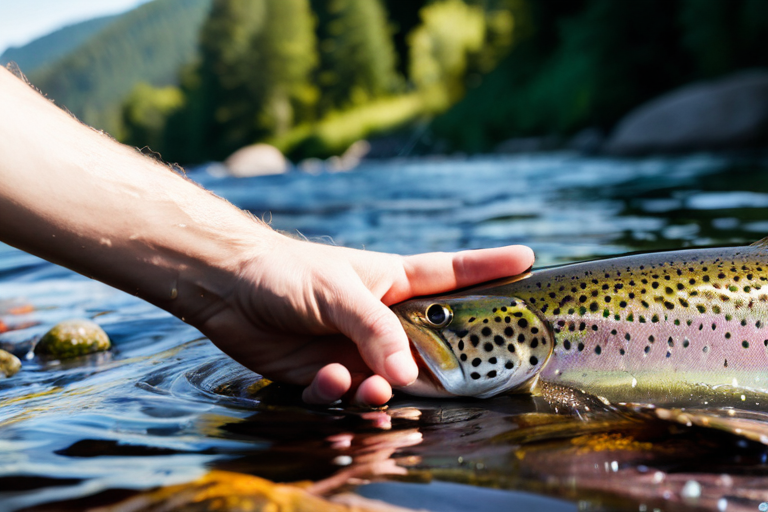
- Catch and Release: Proper handling techniques increase survival rates to 95%
- Seasonal Restrictions: Protecting spawning periods ensures population sustainability
- Size Limits: Allowing fish to reach reproductive maturity before harvest
- Habitat Protection: Maintaining clean waterways and natural structures
- Invasive Species Control: Preventing spread of non-native species
Global Fishing Traditions
Cultural fishing practices vary significantly worldwide, each with unique techniques and traditions:
Japanese Tenkara
Traditional fixed-line fly fishing method dating back 400 years. Uses extremely long rods (typically 3.6-4.5 meters) without reels, focusing on precise presentation.
Norwegian Ice Fishing
Winter tradition using specialized short rods and jigging techniques. The Norwegian Directorate of Fisheries reports over 500,000 participants annually.
Amazonian Handlining
Simple yet effective technique using basic lines and natural baits. Indigenous communities have perfected this method over centuries.
Mediterranean Net Fishing
Ancient techniques using cast nets and trammel nets, still practiced in coastal communities from Greece to Spain.
Technological Advancements
Modern technology has revolutionized fishing while maintaining respect for nature. Key innovations include:
- Smart Sonar: Real-time 3D imaging of underwater structures and fish movements
- GPS Mapping: Precise location tracking and hotspot marking with centimeter accuracy
- Underwater Cameras: Live video feeds helping identify species and behaviors
- Weather Integration: Apps combining meteorological data with fishing forecasts
- Biodegradable Gear: Environmentally friendly alternatives to traditional equipment
Expert Insight
"The future of fishing lies in balancing technological innovation with traditional knowledge and environmental stewardship. Successful anglers understand that respecting the ecosystem ensures sustainable enjoyment for generations to come." - Marine Conservation Society
Health and Social Benefits
Beyond the catch, fishing offers numerous benefits documented by health organizations:
Stress Reduction
Studies show fishing lowers cortisol levels by 30% on average
Physical Activity
Moderate exercise improving cardiovascular health
Social Connection
Community building through shared experiences
Nutritional Value
Fresh fish as source of omega-3 fatty acids
Getting Started: Beginner's Guide
For those new to angling, following these steps ensures a positive introduction:
- Research Local Regulations: Obtain proper licenses and understand size/bag limits
- Start with Basic Equipment: Medium-action spinning combo, 8-10 lb test line
- Learn Basic Knots: Improved clinch knot, Palomar knot, uni knot
- Practice Casting: Begin in open areas before attempting precision casting
- Join Local Clubs: Learn from experienced anglers and participate in events
- Focus on Common Species: Panfish and bass offer good learning opportunities
- Keep a Fishing Journal: Record conditions, locations, and successful techniques
Conservation Commitment
Every angler plays a role in preserving aquatic ecosystems. Practice responsible fishing, participate in clean-up efforts, and support conservation organizations to ensure future generations can enjoy this timeless activity.
Fishing represents more than just a method of obtaining food—it's a connection to nature, a test of skill, and a means of personal fulfillment. Whether practicing ancient techniques or employing modern technology, the essence of fishing remains constant: patience, respect for nature, and the thrill of the unknown. As angling continues to evolve, its core values of conservation, tradition, and community ensure its place as one of humanity's most enduring and rewarding pursuits.
References and Further Reading:
- Food and Agriculture Organization of the United Nations - Fisheries Statistics
- American Sportfishing Association - Equipment Guidelines
- International Game Fish Association - World Records
- World Wildlife Fund - Sustainable Fishing Practices
- NOAA Fisheries - Marine Conservation Research
- Trout Unlimited - Fly Fishing Techniques