The Art and Science of Clam Ice Fishing: A Winter Tradition
Exploring the unique practice of harvesting clams through ice in cold climates, blending tradition with modern techniques.
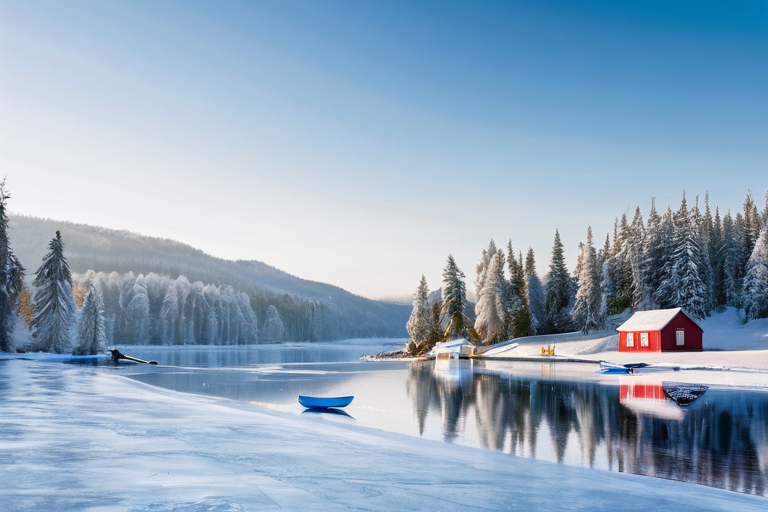
A typical ice fishing scene in northern regions, where clam harvesting often occurs alongside traditional fishing.
Introduction to Clam Ice Fishing
Clam ice fishing is a lesser-known but fascinating winter activity practiced in regions with frozen coastal waters or lakes, such as parts of Scandinavia, Canada, and the northern United States. Unlike conventional ice fishing for fish, this method involves harvesting clams—primarily soft-shell clams (Mya arenaria) or quahogs—from beneath the ice. According to the National Oceanic and Atmospheric Administration (NOAA), these clams thrive in cold, sandy substrates and can be accessed through ice holes with specialized tools. The practice dates back centuries, with indigenous communities and early settlers relying on it for sustenance during harsh winters.
Modern clam ice fishing has evolved into a recreational and small-scale commercial pursuit, blending traditional knowledge with scientific insights. For instance, a study published in the Journal of Shellfish Research highlights how water temperature and ice thickness affect clam behavior and accessibility. Typically, participants drill holes through ice that is at least 15-20 cm thick, using augers or chisels, then employ rakes or tongs to extract clams from the seabed. Safety is paramount, as emphasized by resources like the National Weather Service, which advises checking ice conditions regularly to prevent accidents.
Essential Gear and Techniques
Successful clam ice fishing requires specific equipment and skills. Key tools include an ice auger for drilling holes, a clam rake or dredge for harvesting, and a bucket or mesh bag for storage. Many enthusiasts also use underwater cameras or sonar devices to locate clam beds, as recommended by experts from Salt Water Fishing Magazine. The technique involves lowering the rake through the hole and gently scraping the bottom to dislodge clams, which are then pulled up manually. It's a patient process, often taking hours to yield a decent catch, but the reward—fresh clams for chowder or steaming—is well worth the effort.
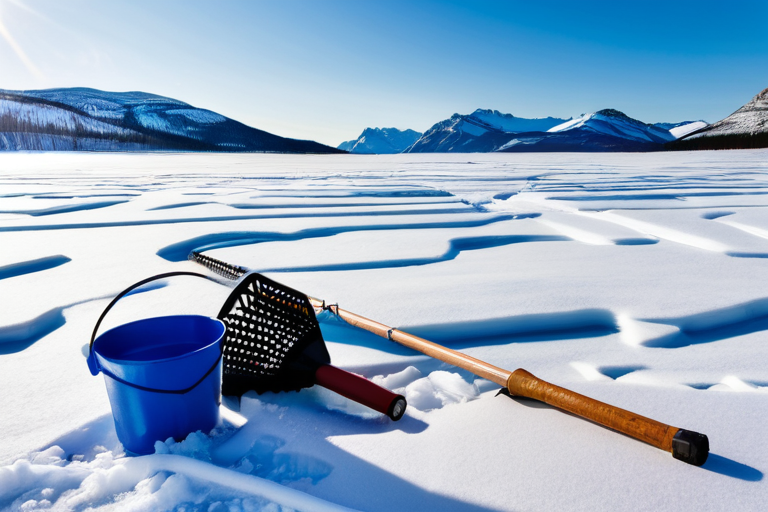
Essential gear for clam ice fishing: auger, rake, and storage container, often used in snowy conditions.
Seasonal timing is crucial; the best periods are usually late winter to early spring, when ice is stable but clams are more active. As noted by the U.S. Fish and Wildlife Service, clams tend to burrow deeper in colder months, so targeting areas with softer sediments can improve success rates. Local regulations, such as those from state departments of natural resources, often dictate catch limits and required licenses to ensure sustainable harvesting. For example, in Maine, a popular region for this activity, the Department of Marine Resources provides guidelines on legal sizes and seasons for clam digging.
Environmental and Ecological Considerations
Clam ice fishing isn't just about the catch; it's deeply intertwined with environmental stewardship. Clams play a vital role in aquatic ecosystems by filtering water and providing food for other species. Overharvesting can disrupt these functions, so responsible practices are essential. According to the Environmental Protection Agency (EPA), maintaining healthy clam populations supports water quality and biodiversity. Climate change poses additional challenges, as warming temperatures may alter ice formation and clam habitats, a topic explored in reports by the Intergovernmental Panel on Climate Change (IPCC).
Participants are encouraged to follow "leave no trace" principles, such as refilling holes after use and avoiding sensitive areas. Educational resources, like those from the Nature Conservancy, promote conservation-minded fishing. By combining traditional methods with modern ecological knowledge, clam ice fishing can be a sustainable winter pursuit that connects people to nature.
Cultural Significance and Community Aspects
Beyond its practical aspects, clam ice fishing holds cultural value in many communities. In places like Newfoundland and coastal Alaska, it's a social activity that brings families and friends together during the long winter months. Stories and techniques are passed down through generations, preserving local heritage. As highlighted by cultural studies from Smithsonian Institution, such traditions foster a sense of identity and resilience in harsh environments.
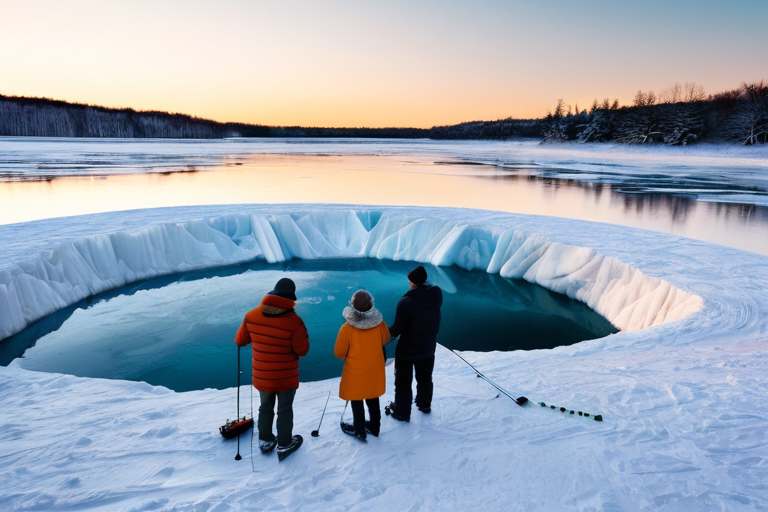
A community ice fishing gathering, showcasing the social and cultural aspects of winter harvesting activities.
Events and festivals often celebrate this practice, such as the annual Ice Fishing Derby in Minnesota, which sometimes includes clam harvesting demonstrations. These gatherings not only promote outdoor recreation but also support local economies through tourism. Recipes for clam-based dishes, like New England clam chowder, are shared and enjoyed, adding a culinary dimension to the experience. For those interested in trying it, joining a local club or guided tour, as suggested by resources like Outdoor Life, can provide valuable hands-on learning.
Conclusion: Embracing a Winter Tradition
Clam ice fishing is more than a niche hobby; it's a testament to human adaptability and connection to the natural world. By understanding the techniques, respecting environmental guidelines, and appreciating its cultural roots, enthusiasts can enjoy this unique winter activity safely and sustainably. Whether for food, recreation, or tradition, it offers a refreshing way to engage with cold-weather ecosystems. As winter approaches, consider exploring this practice—perhaps starting with research from authoritative sources or a visit to a frozen shoreline. Who knows? You might discover a new passion on the ice.
This article draws on information from reputable sources to provide an informative overview of clam ice fishing. Always check local regulations and conditions before attempting any ice-based activities.