Texas Fishing License Costs and Regulations for Anglers
Fishing in Texas offers anglers access to diverse waters, from Gulf Coast saltwater to inland lakes and rivers. Understanding fishing license requirements is essential for both residents and visitors planning to cast a line in the Lone Star State.
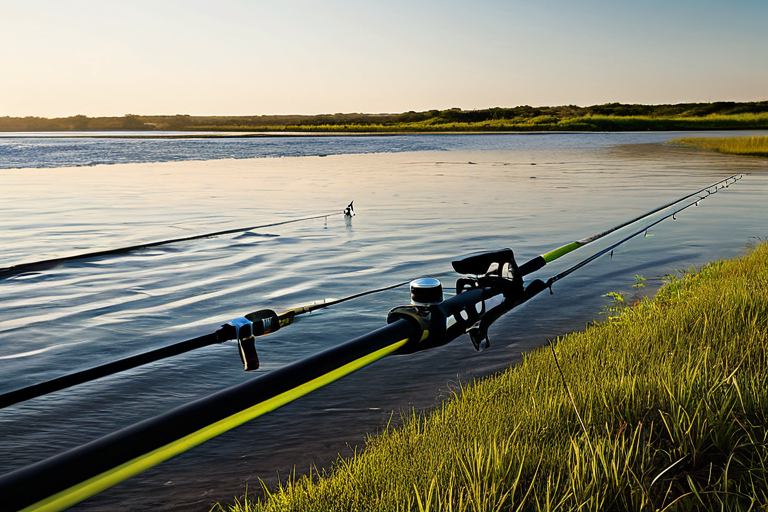
Anglers enjoy fishing in Texas waters
Resident Fishing License Options
Texas residents have several license choices depending on their fishing preferences and frequency. The standard Freshwater Fishing Package includes licenses for freshwater fishing and relevant endorsements. For those targeting saltwater species, the Saltwater Fishing Package provides necessary permits for coastal angling.
Combination licenses offer convenience for anglers who fish both freshwater and saltwater environments. The All-Water Fishing Package covers all fishing activities across Texas waters. Senior residents and disabled persons may qualify for discounted licenses through specific programs.
License Duration and Validity
Fishing licenses in Texas are available with different validity periods. Annual licenses run from September 1 through August 31 of the following year. Short-term options include one-day and five-day licenses for occasional anglers. Lifetime licenses provide permanent fishing privileges for qualified residents.
Non-Resident License Requirements
Visitors to Texas must obtain appropriate non-resident fishing licenses. The Non-Resident Freshwater Fishing License allows fishing in inland waters, while the Non-Resident Saltwater Fishing License covers coastal fishing activities. Temporary licenses are available for tourists planning brief fishing trips.
Non-resident license fees typically exceed resident rates, reflecting the conservation funding structure. Some reciprocal agreements exist with neighboring states for boundary waters, but these have specific limitations and requirements.
Additional Endorsements and Requirements
Beyond basic licenses, certain fishing activities require additional endorsements. The Saltwater Stamp is mandatory for saltwater fishing, supporting coastal conservation efforts. The Freshwater Stamp funds inland fishery programs and habitat improvement projects.
Specialized endorsements include the Red Drum Tag for keeping oversized redfish and the Tarpon Tag for tarpon fishing. These tags help manage specific fisheries and collect valuable data for conservation programs.
Where to Purchase Texas Fishing Licenses
Anglers can obtain fishing licenses through multiple convenient channels. The Texas Parks and Wildlife Department (TPWD) website offers online purchasing with immediate electronic delivery. Licensed retailers across Texas, including sporting goods stores and bait shops, provide in-person sales.
TPWD offices located throughout the state issue licenses directly to anglers. Some county clerk offices also offer license services, particularly in rural areas. Telephone sales are available through designated TPWD numbers for those preferring phone transactions.
Conservation Impact
License fees directly support Texas fisheries management and conservation programs. Funds contribute to fish stocking, habitat restoration, research projects, and educational initiatives. Angler participation through license purchases helps maintain sustainable fishing opportunities for future generations.
Exemptions and Special Circumstances
Texas fishing regulations include specific exemptions from license requirements. Children under 17 years old generally fish without a license when accompanied by licensed adults. Residents born before January 1, 1931, may qualify for lifetime fishing privileges without annual fees.
Fishing on licensed fishing piers operated by the state or in state parks may have different requirements. Active military personnel stationed in Texas and certain disabled veterans receive special considerations under state regulations.

Conservation efforts supported by fishing license fees
Regulatory Compliance and Enforcement
Texas game wardens enforce fishing regulations throughout the state. Anglers must carry valid licenses while fishing and present them upon request. Digital copies on mobile devices are acceptable if clearly visible and accessible.
Violations can result in citations, fines, and potential license revocation for serious offenses. Understanding specific waterbody regulations, size limits, and bag limits is equally important as possessing proper licensing documentation.
Fishing License Fees and Cost Structure
License fees vary based on residency status, duration, and included privileges. Current fee schedules are published annually by TPWD and may include incremental increases to address inflation and conservation needs. Additional endorsement costs apply to specific fishing activities beyond basic license coverage.
For the most current fee information, anglers should consult the official TPWD fishing license page which provides updated pricing and regulatory details. This authoritative source ensures anglers access accurate, current information for compliance planning.
Planning Your Texas Fishing Trip
Successful fishing trips begin with proper preparation. Research target species seasons, obtain necessary licenses in advance, and familiarize yourself with local regulations. Consider guided fishing services for unfamiliar waters, as professional guides provide local knowledge and ensure regulatory compliance.
Texas offers exceptional fishing diversity, from bass in eastern lakes to speckled trout along the coast. Proper licensing represents both a legal requirement and a contribution to sustaining these valuable natural resources for continued recreational enjoyment.
Note: Fishing regulations and license requirements may change. Always verify current rules with Texas Parks and Wildlife Department before fishing. This information provides general guidance but does not substitute for official regulatory sources.