Rapt Fish: The Enigmatic Predators of Aquatic Ecosystems
In the shadowy depths of rivers, lakes, and oceans, a specialized group of predators known as "rapt fish" execute nature's most precise hunting strategies. Unlike their more generalized counterparts, these aquatic hunters have evolved morphological and behavioral adaptations that place them at the apex of freshwater and marine food chains. The term "rapt"—derived from the Latin raptus, meaning "seized" or "carried away"—aptly describes their lightning-fast strikes and formidable grasping capabilities.

Illustration: A rapt fish demonstrating ambush predation in low-visibility conditions.
Defining Characteristics of Raptorial Fish
Rapt fish are distinguished by several key adaptations that optimize them for predatory lifestyles. According to research published in the Journal of Experimental Biology, these include:
- Specialized Jaw Mechanics: Many rapt fish possess protrusible jaws that can extend rapidly to create suction, pulling prey into their mouths before they can escape.
- Enhanced Sensory Systems: Lateral line systems detect minute water movements, while specialized eyes adapt to low-light conditions common in their hunting environments.
- Cryptic Coloration: Camouflage patterns break up their silhouette, making them nearly invisible to both prey and larger predators.
- Muscular Physiology: White muscle fibers provide bursts of speed for ambush attacks, while red fibers sustain longer pursuits when necessary.
Evolutionary Origins and Taxonomic Diversity
The raptorial lifestyle has evolved independently across multiple fish lineages, representing a remarkable case of convergent evolution. Fossil evidence from the Devonian period reveals early predatory fish with jaw structures surprisingly similar to modern rapt species. Today, this ecological niche is occupied by diverse groups including:
Freshwater Raptors
Northern pike (Esox lucius) exemplify freshwater rapt fish with their elongated bodies and duckbill-shaped jaws filled with needle-like teeth. Studies from the American Fisheries Society document their sit-and-wait predation strategy, where they remain motionless for hours before striking with acceleration reaching 8.5 m/s².
Marine Specialists
Barracuda (Sphyraena spp.) represent marine rapt fish with torpedo-shaped bodies and prominent lower jaws. Research published in Marine Biology indicates their hunting success relies on exceptional binocular vision and coordinated group attacks that herd schooling fish.
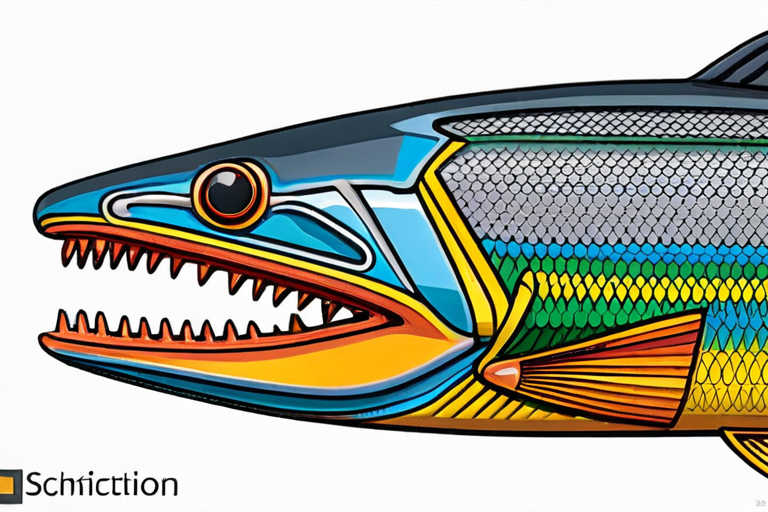
Diagram: Comparative jaw mechanics of different rapt fish species.
Hunting Strategies and Behavioral Ecology
Rapt fish employ sophisticated hunting techniques that vary by species and environment. The International Union for Conservation of Nature notes that these strategies have significant implications for ecosystem dynamics:
| Strategy | Description | Example Species |
|---|---|---|
| Ambush Predation | Remaining motionless near cover before explosive attack | Largemouth bass (Micropterus salmoides) |
| Pursuit Hunting | Sustained high-speed chases in open water | Wahoo (Acanthocybium solandri) |
| Lure Fishing | Using modified fins or appendages to attract prey | Anglerfish (Lophius piscatorius) |
| Cooperative Hunting | Coordinated attacks by multiple individuals | Giant trevally (Caranx ignobilis) |
Ecological Significance and Conservation Status
As apex or mesopredators, rapt fish play crucial roles in maintaining aquatic ecosystem balance. Their predation regulates prey populations, prevents overgrazing of vegetation, and influences nutrient cycling through trophic cascades. However, many species face significant threats:
Conservation Challenges
According to the Food and Agriculture Organization, overfishing disproportionately affects rapt fish due to their position in food webs. Additional threats include habitat degradation, pollution, and climate change altering prey distributions. The Nile perch (Lates niloticus), introduced to Lake Victoria, demonstrates how rapt fish introductions can cause catastrophic ecosystem changes, eliminating hundreds of endemic cichlid species.
Research Frontiers and Future Directions
Contemporary research continues to reveal surprising aspects of rapt fish biology. Bioinspiration studies examine their hunting mechanics for robotics applications, while genomic analyses uncover evolutionary pathways to predation. The Smithsonian Institution recently documented previously unknown deep-sea rapt species using remotely operated vehicles, expanding our understanding of predatory adaptations in extreme environments.
Key Research Areas
- Neuroethology of decision-making during prey selection
- Impact of microplastics on predatory efficiency
- Climate-induced range shifts and novel predator-prey interactions
- Conservation genetics of fragmented rapt fish populations
Conclusion
Rapt fish represent one of aquatic ecology's most fascinating adaptations—the perfect marriage of form and function in pursuit of sustenance. From the stealthy ambush of freshwater pike to the open-water pursuits of marine barracuda, these predators demonstrate evolutionary solutions to the universal challenge of capturing mobile prey. As research continues to unveil their complexities, rapt fish remind us that predation is not merely about consumption, but about the intricate dance of adaptation that shapes entire ecosystems. Their conservation remains imperative, not only for biodiversity preservation but for maintaining the functional integrity of aquatic systems worldwide.
References & Further Reading:
- National Oceanic and Atmospheric Administration. (2023). Predatory Fish Dynamics in Changing Oceans. Retrieved from NOAA Fisheries
- Journal of Fish Biology. (2022). Special Issue: Raptorial Adaptations in Teleost Fishes. Volume 101, Issue 3.
- World Wildlife Fund. (2021). Freshwater Predators: Ecological Roles and Conservation Status. Retrieved from WWF Freshwater