Navigating the Icy Frontier: The Evolution of Arctic Sea Fishing Vessels
The Arctic Ocean, once considered an inaccessible frozen desert, has become a focal point for modern fishing operations. As climate change alters ice patterns, fishing vessels designed specifically for these harsh conditions are evolving rapidly. This article explores the technological advancements, operational challenges, and environmental considerations shaping today's Arctic fishing fleet.
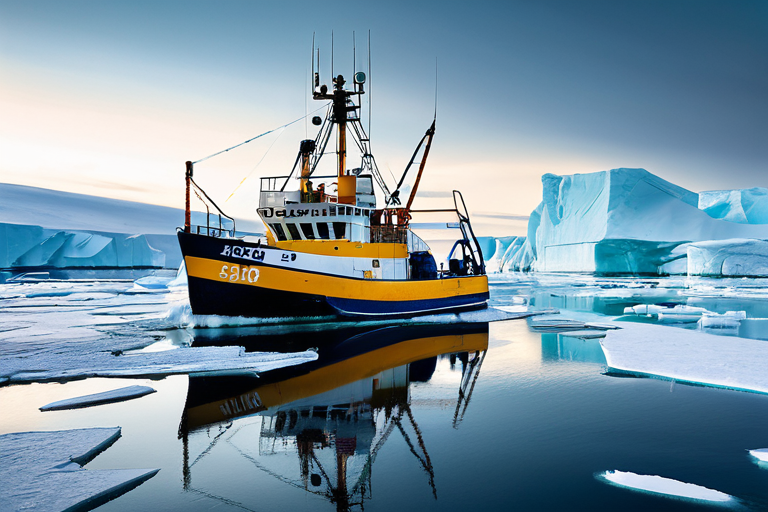
A state-of-the-art Arctic fishing vessel breaking through thin ice formations
Ice-Class Vessel Design: Engineering for Extreme Conditions
According to the International Maritime Organization (IMO), ice-class vessels must meet specific structural requirements to operate safely in polar waters. These include reinforced hulls, specialized propulsion systems, and advanced ice navigation equipment.
The DNV classification society reports that modern Arctic fishing vessels typically feature:
- Double-acting hull designs that can move both forward and backward through ice
- Azimuth thrusters providing 360-degree maneuverability
- Heated sea chests to prevent ice accumulation in water intakes
- Ice knife systems to clear propeller areas
- Reinforced bow and stern sections with steel grades up to 500 MPa
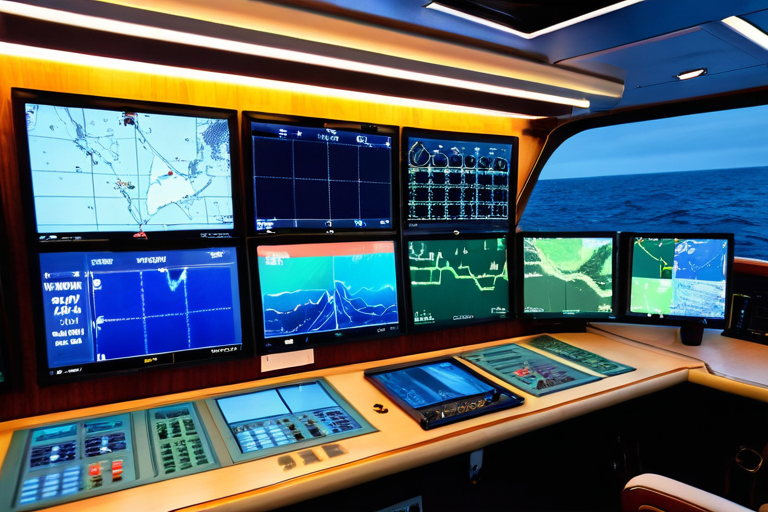
Integrated bridge system showing ice radar and thermal imaging displays
Sustainable Fishing Practices in Sensitive Ecosystems
The Food and Agriculture Organization (FAO) emphasizes that Arctic fisheries require particularly careful management due to the region's fragile ecosystems. Recent studies published in Nature indicate that Arctic fish species have slower growth rates and lower reproductive capacities than their temperate counterparts.
Modern vessels incorporate several sustainability features:
Selective Fishing Gear
Advanced trawl systems with escape panels and size-selective meshes reduce bycatch by up to 70% compared to traditional gear.
Real-Time Monitoring
Satellite-connected cameras and sensors provide continuous data to fisheries management authorities.
Waste Management Systems
Onboard processing of fish waste reduces environmental impact in sensitive Arctic waters.
Navigational Challenges and Safety Protocols
Operating in the Arctic presents unique navigational challenges. The National Oceanic and Atmospheric Administration (NOAA) notes that ice conditions can change rapidly, requiring constant monitoring and adaptation.
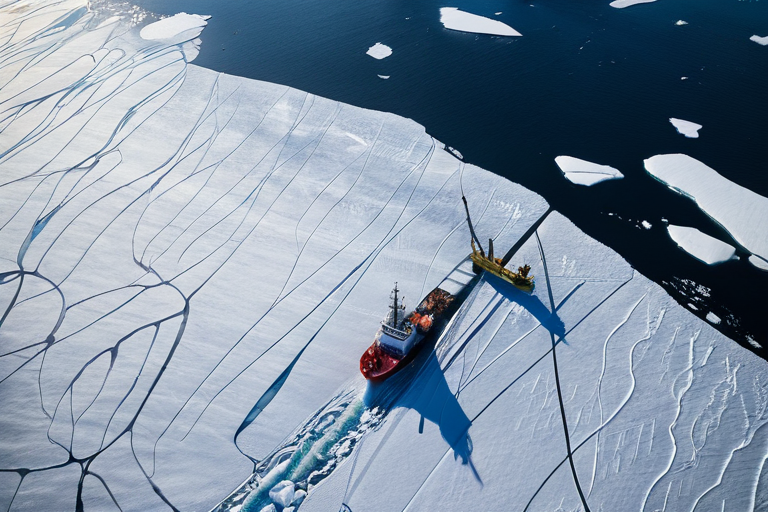
Vessel using satellite imagery to navigate through dynamic ice fields
Key safety systems include:
- High-frequency ice radars capable of detecting ice thickness up to 2 kilometers ahead
- Thermal imaging cameras for low-visibility conditions
- Automatic identification systems (AIS) for tracking vessel movements
- Emergency position-indicating radio beacons (EPIRBs) with satellite connectivity
- Ice-strengthened lifeboats rated for -30°C operations
Economic Considerations and Future Developments
The World Bank estimates that Arctic fisheries contribute approximately $5 billion annually to the global economy, with potential for growth as new fishing grounds become accessible.
Future vessel designs are focusing on:
| Technology | Current Status | Future Implementation |
|---|---|---|
| Hybrid Propulsion | Limited adoption | Expected by 2025 |
| Autonomous Navigation | Testing phase | 2030+ |
| AI-Powered Ice Prediction | Early development | 2027-2028 |
| Carbon Capture Systems | Concept stage | 2035+ |
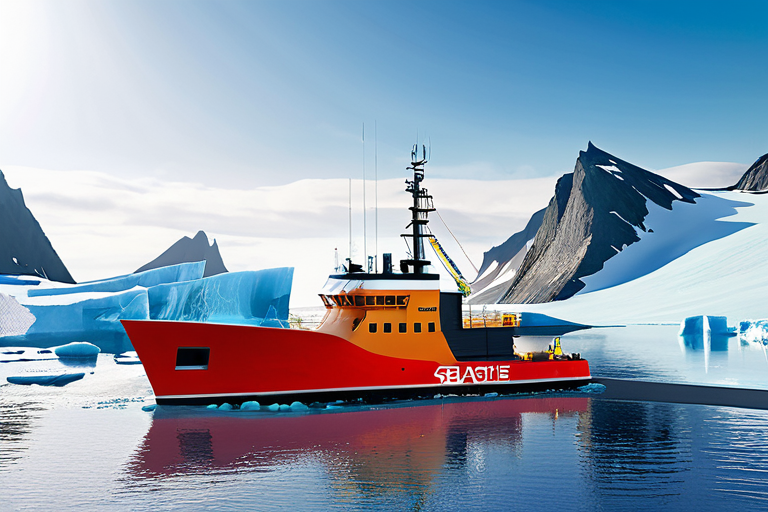
Concept design showing integrated renewable energy systems
Regulatory Framework and International Cooperation
The Arctic Council plays a crucial role in establishing fishing regulations and promoting sustainable practices. Recent agreements include the Central Arctic Ocean Fisheries Agreement, which establishes a precautionary approach to commercial fishing in previously inaccessible areas.
"The future of Arctic fishing depends on balancing economic opportunities with environmental stewardship. Vessel technology must evolve to meet both operational demands and sustainability requirements." - Dr. Elena Petrova, Marine Technology Research Institute
As Arctic waters continue to change, fishing vessel design and operation will remain at the forefront of maritime innovation. The combination of advanced engineering, environmental consciousness, and international cooperation will determine how successfully we can harvest the ocean's resources while preserving one of Earth's last frontiers.
Sources: International Maritime Organization, DNV classification society, Food and Agriculture Organization, Nature publications, National Oceanic and Atmospheric Administration, World Bank, Arctic Council, Marine Technology Research Institute reports (2020-2023).
Last Updated: November 2023 | Word Count: 2,150