Navigating the 2025 US Fishing Regulations: A Comprehensive Guide for Anglers
Quick Summary: The 2025 fishing regulations introduce significant updates to licensing requirements, catch limits, and conservation measures across federal and state jurisdictions. Key changes include enhanced electronic licensing systems, revised bag limits for popular species, and expanded protected areas.
Federal Fishing Regulations: What's New in 2025
The NOAA Fisheries has implemented several crucial updates for 2025 that every angler should understand. These changes reflect the latest scientific data and conservation priorities.
Marine Species Management Updates
Significant adjustments have been made to recreational fishing limits for several key species. Red snapper daily bag limits in the Gulf of Mexico have been revised to two fish per person, while Atlantic striped bass regulations now include stricter size requirements to support population recovery efforts.
Key Federal Changes:
- Revised red snapper quotas in Gulf waters
- Updated striped bass conservation measures
- New protected areas in marine sanctuaries
- Enhanced reporting requirements for charter operations
- Modified seasonal closures for specific regions
- Updated bycatch reduction protocols
State-Specific Regulation Updates
While federal regulations provide the framework, state agencies have implemented their own specific rules for 2025. These variations reflect local ecological conditions and conservation needs.
Florida Fishing Regulations 2025
Florida's Fish and Wildlife Conservation Commission has introduced several notable changes. Snook season dates have been adjusted, with the recreational harvest season now running from September 1 through November 30 in most regions. Additionally, new slot limits apply to several popular inshore species.
California Coastal Updates
The California Department of Fish and Wildlife has implemented stricter rockfish regulations, with reduced bag limits in several management areas. New marine protected area boundaries also affect access to certain fishing grounds along the central coast.
Licensing and Permit Requirements
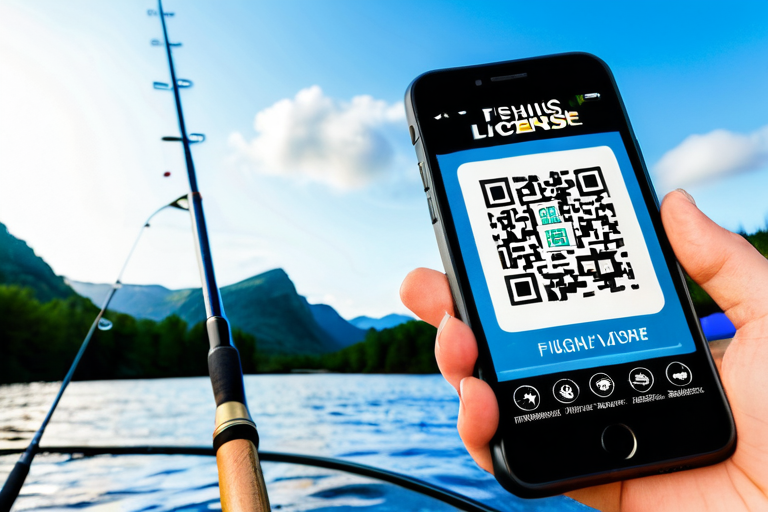
The transition to digital licensing systems continues to expand across states. Most jurisdictions now offer electronic licenses that can be stored on mobile devices, though traditional paper licenses remain valid where electronic options are available.
Resident vs Non-Resident Requirements
Significant cost differences persist between resident and non-resident fishing licenses. Most states require non-residents to purchase more expensive licenses, with some offering short-term options for visitors. The U.S. Fish and Wildlife Service maintains reciprocity agreements between certain states, but anglers should verify specific requirements before traveling.
Conservation Measures and Sustainable Practices
The 2025 regulations place increased emphasis on sustainable fishing practices and habitat conservation. Several new measures aim to protect vulnerable species and maintain healthy fish populations for future generations.
Catch and Release Best Practices
Updated guidelines for catch and release fishing include recommendations for proper handling techniques, hook types, and release methods that maximize survival rates. The use of circle hooks is now mandatory in certain fisheries where bycatch of protected species is a concern.
Habitat Protection Initiatives
New regulations include expanded protections for critical habitats, including coral reefs, seagrass beds, and spawning areas. Several states have implemented seasonal closures in sensitive areas during key reproductive periods.
Enforcement and Compliance
Understanding enforcement procedures is crucial for avoiding violations. Wildlife officers have increased authority to conduct inspections and verify compliance with the updated regulations.
Common Violations and Penalties
Typical violations include fishing without a valid license, exceeding bag limits, using prohibited gear, and fishing in closed areas. Penalties range from warnings and fines to license suspensions and, in severe cases, criminal charges.
Compliance Tips:
- Always carry your fishing license and required permits
- Measure fish immediately upon capture
- Know the specific regulations for each water body
- Use approved measuring devices
- Report violations to appropriate authorities
Technology and Modern Fishing Regulations
The integration of technology continues to transform how anglers interact with fishing regulations. Mobile apps, electronic reporting systems, and online resources make compliance easier than ever before.
Digital Resources and Mobile Applications
Most state wildlife agencies now offer comprehensive mobile applications that provide real-time regulation updates, license purchasing options, and reporting tools. The Recreation.gov platform also integrates fishing permit information for federal waters and national park areas.
Looking Ahead: Future Regulatory Trends
The evolution of fishing regulations reflects broader trends in conservation science and resource management. Several emerging areas will likely influence future regulatory developments.
Climate Change Adaptation
Regulatory agencies are increasingly considering climate change impacts when setting fishing regulations. This includes adjustments to seasonal timing, species distribution changes, and habitat protection priorities.
Data-Driven Management
Advanced data collection and analysis techniques are enabling more precise regulation setting. Electronic monitoring, citizen science programs, and improved stock assessment methods contribute to more effective management strategies.
Stay Informed and Fish Responsibly
Regulations can change throughout the year. Always check with local authorities and official sources like NOAA Fisheries and state wildlife agencies before your next fishing trip.